


Dear friends of Art in Latin America,
This Wednesday, we hosted our very first The Art Club event: An online studio visit to Ivet Salazar and Ariana Macedo, two artists based in Lima, Peru. Studio visits are moments of genuine connection between artists and visitors; however, they remain a rare privilege. This week, we brought The Art Club members inside not one, but two studios, all without leaving home.
Special thanks to our collaborator, BLOC Art Gallery, for facilitating the coordination of our first event. Together with Ivet and Ariana, they prepared an exclusive private sale for members of The Art Club.
Stay tuned: this is only the beginning. Our October program continues with more opportunities to connect. Next week, we’ll meet some of you in London during Frieze Week for an in-person studio visit with artist Isabella Amram, and we’ll close the month with a workshop on how to start collecting art, an ideal session for those beginning their collecting journey.
If you haven't joined The Art Club yet, you can still become a member here and be part of our upcoming events.
Below we share with you some moments from Wednesday.
With gratitude,
Kiara Salazar
Founder of Art in Latin America
From the Studios of Ivet Salazar and Ariana Macedo
From their studios, Ivet Salazar and Ariana Macedo shared how their practices intertwine motherhood, the body, territory, and ancestral memory.
Both artists work through material languages that challenge traditional hierarchies in art. Weaving, embroidery, and ceramics become tools for remembrance and resistance. Their works emerge from intimate experience: from the body, the domestic, and the everyday life.
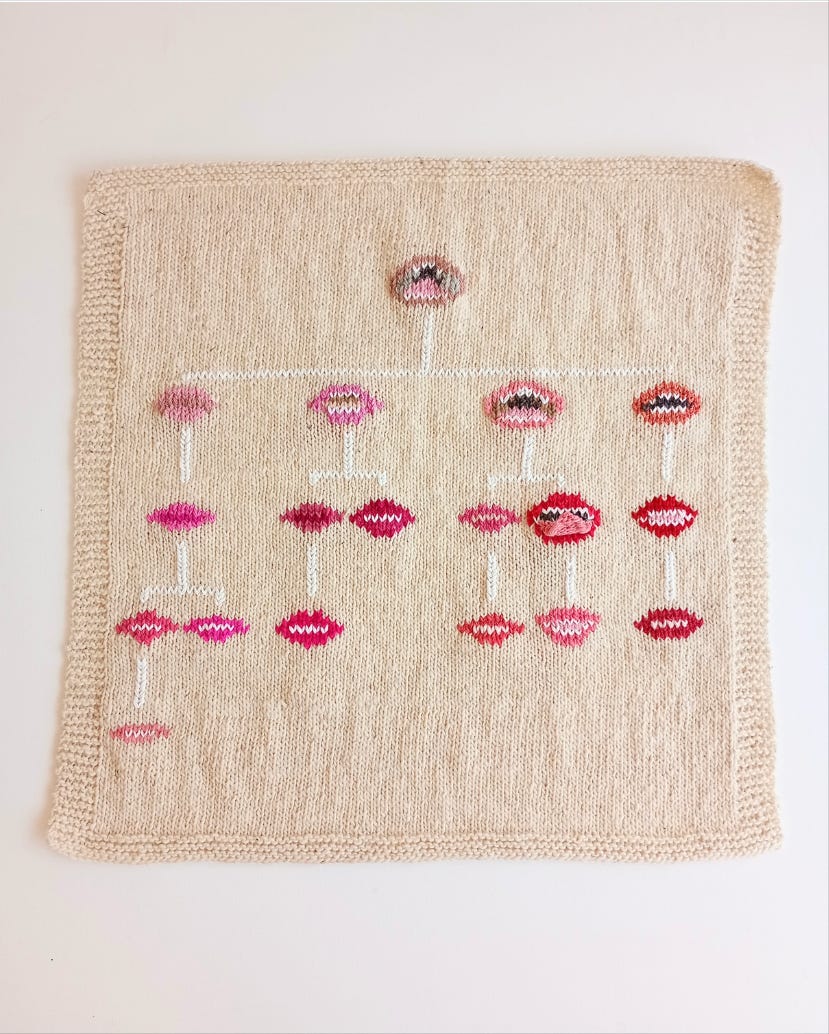
For Ariana, weaving is an act of inheritance. In her work, threads become a way to reconnect with the forgotten stories of the women in her family. She spoke about using sheep’s wool from her mother’s and grandmother’s hometown, Huacrachuco, as an act of rootedness. When working with this fiber, she said, she feels she returns to the origin and can talk with those who came before her: “The heart woven with the sheep’s wool from my mother’s and my ancestors’ village is a way of making a connection through history, of reclaiming them, of making them visible.”
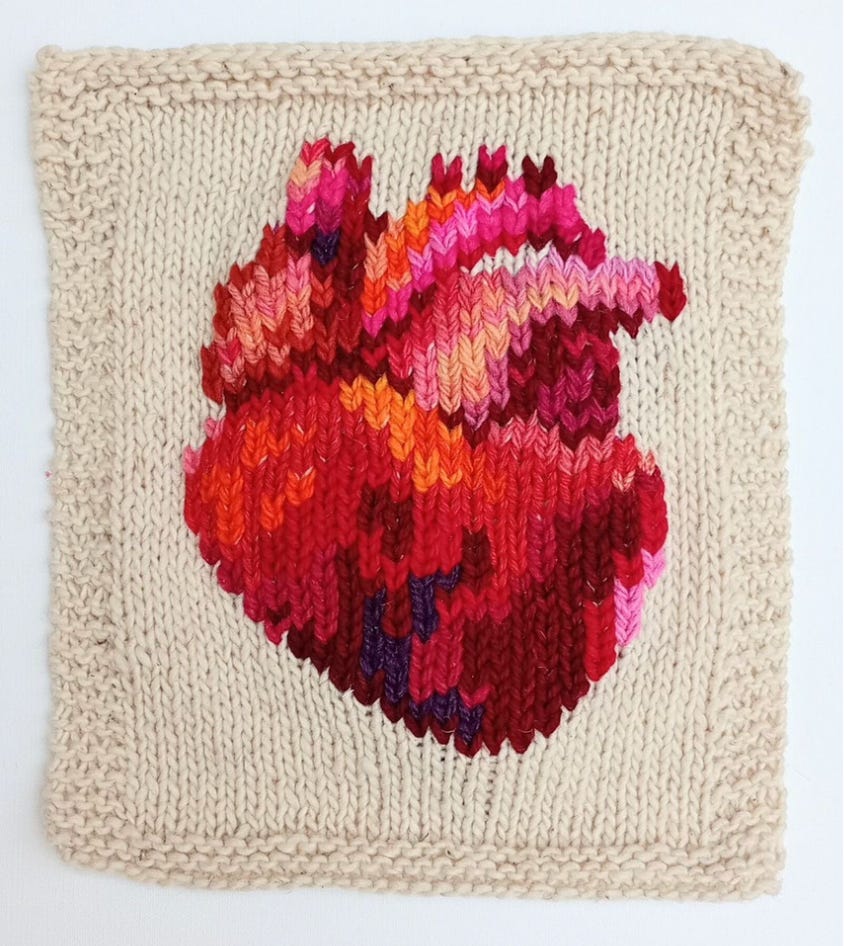
Ivet, in turn, explained that for her, art and motherhood are two practices that accompany and sustain each other. She does not romanticize the experience but approaches it through its silenced and complex dimensions. She also emphasized the importance of collective work as a way to continue creating while fulfilling her role as a mother: “Collectivity has been our way of resisting and of being able to keep doing what we do.”
During an artist residency in Cusco, Ariana and Ivet discovered the power of stepping outside the studio and allowing the territory itself to intervene in their processes. Among mountains and lagoons, they understood that creating also means listening: attending to the environment, acknowledging the presence of other beings, and allowing chance and nature to take part in the work.
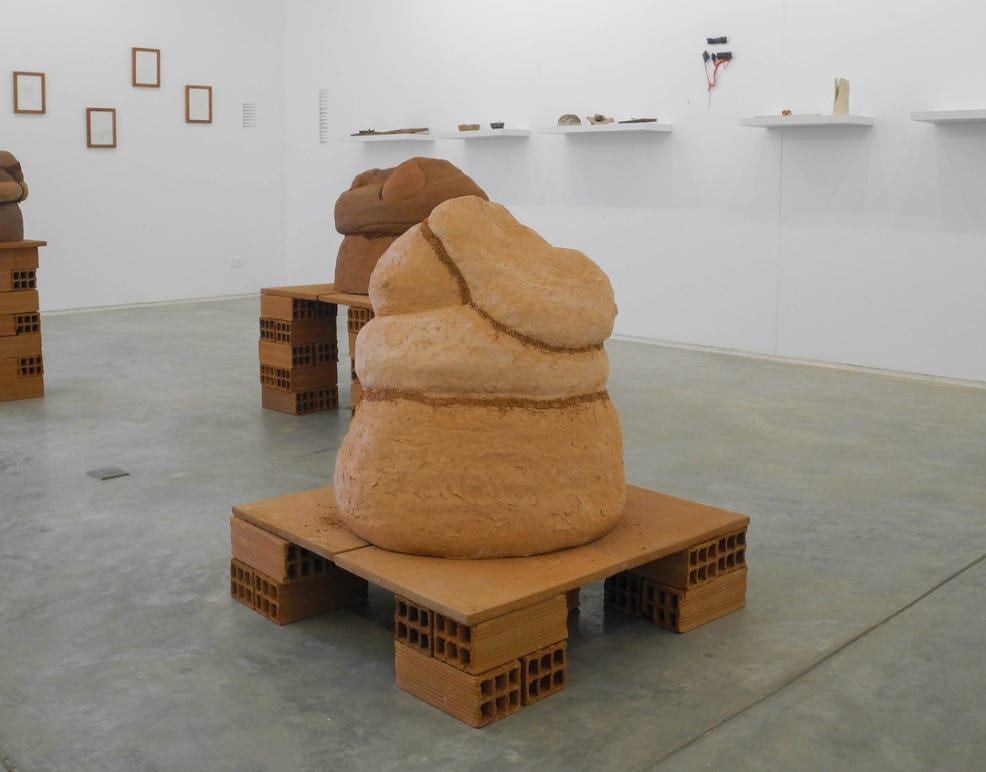
That experience consolidated a way of working grounded in community. Far from the idea of the isolated artist in their studio, their practice relies on accompaniment and continuous exchange: “Art school teaches you to work in isolation, to protect your practice from others,” Ariana explained. “But our experience is the opposite: it grows through dialogue, collaboration, and shared process.”
Their reflections also touched on what it means to create from Peru and the Global South. “It’s not the same to talk about motherhood from other parts of the world as it is from the territories where we are,” Ivet noted. “I believe making art in Peru isn’t easy; it’s not simple to dedicate yourself to art; and in our case, to both art and motherhood. Both are somewhat displaced from what is normally understood here as work.”
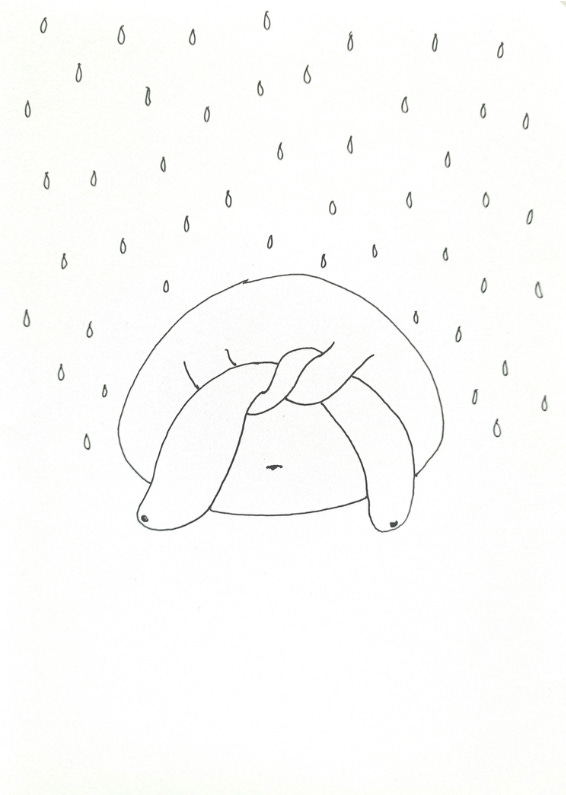
Before we said goodbye, Ivet reminded us that “art is urgent, especially in times of crisis,” insisting that in countries like Peru, creating is an act of resistance against structures that continually devalue and neglect it.
To learn more about Ivet Salazar and Ariana Macedo, visit:
Queridos amigos de Art in Latin America,
Este miércoles celebramos el primer evento de The Art Club: una visita virtual a los talleres de Ivet Salazar y Ariana Macedo, dos artistas radicadas en Lima, Perú. Las visitas a talleres son momentos de conexión genuina entre artistas y visitantes; sin embargo, siguen siendo un privilegio poco frecuente. Esta semana, invitamos a los miembros de The Art Club a ingresar no a uno, sino a dos estudios, sin necesidad de salir de casa.
Un agradecimiento especial a nuestra colaboradora, BLOC Art Gallery, por facilitar la coordinación de este primer evento. Junto con Ivet y Ariana, prepararon una venta privada exclusiva para los miembros de The Art Club.
Esto es solo el comienzo. Nuestro programa de octubre continúa con más oportunidades para encontrarnos. La próxima semana nos encontraremos con algunos de ustedes en Londres durante Frieze Week para una visita presencial al estudio de la artista Isabella Amram, y cerraremos el mes con un taller sobre cómo empezar a coleccionar arte, una sesión ideal para quienes inician su camino como coleccionistas.
Si aún no te has unido a The Art Club, todavía puedes hacerte miembro aquí y participar en nuestros próximos eventos.
A continuación compartimos algunos momentos de nuestro encuentro del miércoles.
Con gratitud,
Kiara Salazar
Fundadora de Art in Latin America
Desde el taller de Ivet Salazar y Ariana Macedo:
Desde sus talleres, Ivet Salazar y Ariana Macedo compartieron cómo sus prácticas entrelazan la maternidad, el cuerpo, el territorio y la memoria ancestral.
Ambas artistas trabajan desde lenguajes materiales que desafían las jerarquías tradicionales del arte. El tejido, el bordado y la cerámica se convierten en herramientas para recordar y resistir. Sus obras nacen de la experiencia íntima: del cuerpo, de lo doméstico, de lo cotidiano.
Para Ariana, tejer es un acto de herencia. En su obra, el hilo es una forma de reconectar con las historias olvidadas de las mujeres de su familia. Contó cómo el uso de lana de oveja del pueblo de su madre y su abuela, Huacrachuco, se convirtió en un acto de raíz. Al tejer con esa fibra, dijo, siente que vuelve al origen y puede conversar con quienes la precedieron: “El corazón tejido con la lana de oveja del pueblo de mi madre y de mis ancestras es una forma de hacer una conexión en la historia, de reivindicarlas, de hacerlas visibles.”
Ivet, por su parte, explicó que para ella el arte y la maternidad son dos prácticas que se acompañan y se sostienen mutuamente. No romantiza la experiencia, sino que la aborda desde sus zonas más silenciadas y complejas. También destacó la importancia del trabajo colectivo como una forma de continuar creando mientras ejerce su rol de madre: “La colectividad ha sido nuestra manera de resistir y de poder seguir haciendo lo que hacemos.”
Durante una residencia en Cusco, Ariana e Ivet descubrieron el poder de salir del taller y dejar que el territorio interviniera en sus procesos. Entre montañas y lagunas, comprendieron que crear es también escuchar: atender al entorno, aceptar la presencia de otros seres y dejar que el azar y la naturaleza tomen parte de la obra.
Esa experiencia consolidó entre ellas un modo de trabajar basado en la comunidad. Lejos de la idea del artista aislado en su taller, su práctica se sostiene en el acompañamiento y el intercambio continuo. “En nuestra formación nos enseñan a estar en el taller tú con tu obra, con mucho celo. Nuestra experiencia es totalmente al revés: en colectividad, en diálogo, en compartir”, dijo Ariana.
Las reflexiones también abordaron lo que implica crear desde Perú y el sur global. “No es lo mismo hablar de maternidad en otros espacios del planeta que desde los territorios donde nos encontramos nosotras,” señaló. “Creo que hacer arte desde Perú no es sencillo, no es fácil dedicarse al arte y en nuestro caso al arte y a la maternidad. Ambos son un poco desplazados de lo que normalmente entendemos aquí como trabajo.”
Antes de despedirnos, Ivet nos recordó que “el arte es urgente, sobre todo en tiempos de crisis,” insistiendo en que en países como Perú, crear es un acto de resistencia frente a estructuras que constantemente lo desvalorizan y desatienen.
Para saber más sobre Ivet Salazar y Ariana Macedo, visita: