


Art Basel Paris returns for its fifth edition in 2026, bringing with it a particularly tense atmosphere, amid international armed conflicts and domestic tensions that are testing the seams of French democracy, less than a year before the 2027 presidential elections.
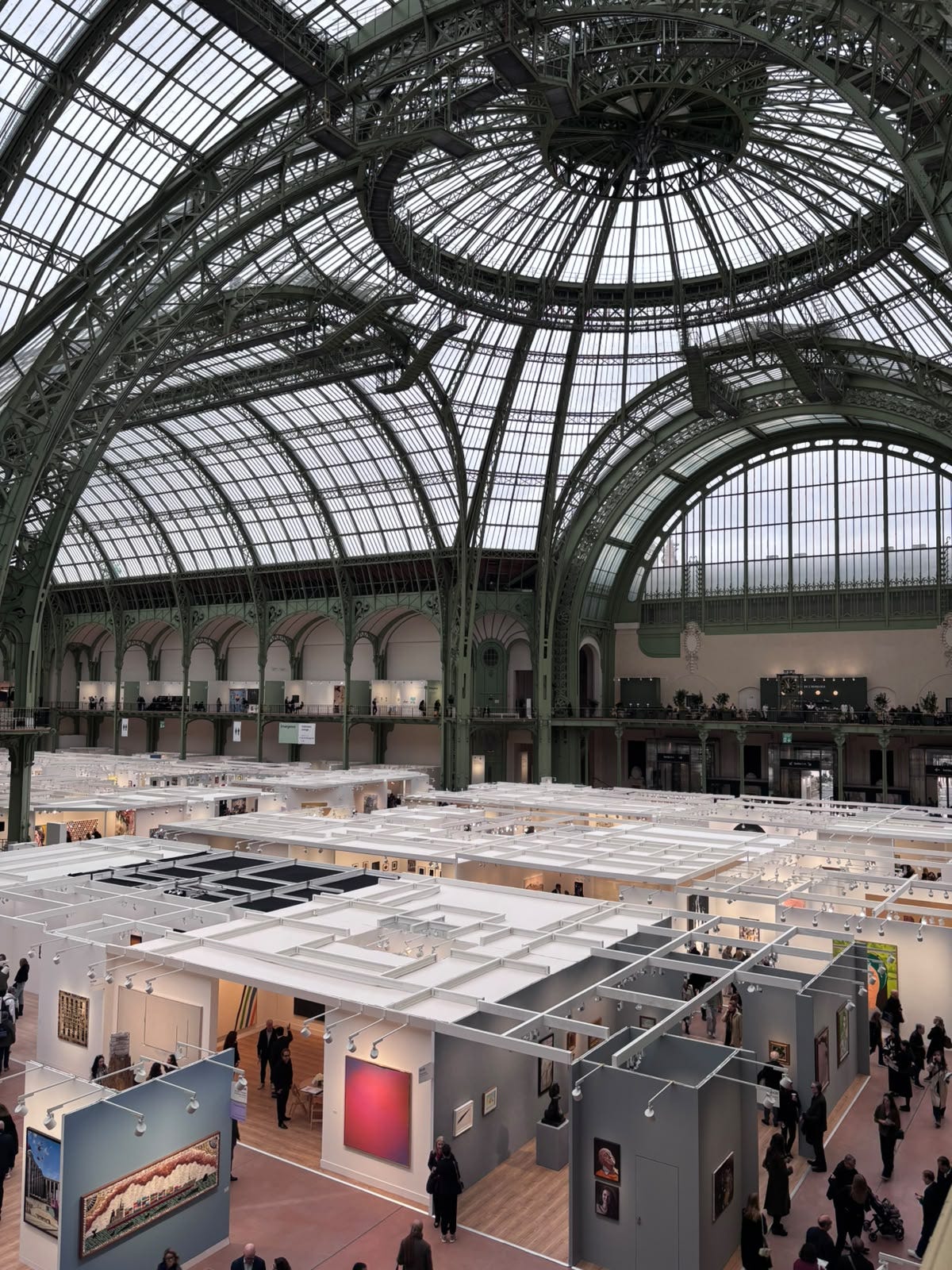
Yet against this backdrop of tension and uncertainty, art seems to follow a different course. As though the conflict had nothing to do with it, art once again takes over the monumental spaces of the Grand Palais, a kind of structural backbone where excellence and good taste are put to the test against the fluctuations of the international market, amid uneven sales, cutbacks and cancellations of all kinds.
Latin American art, despite the scale of this event, remains scarce and scattered. While it reflects no sense of continental continuity — although why should it? — certain familiar territories offer the opportunity to encounter old classics once again, those names that, however frequently seen, are always welcome.
Among them is Carmen Herrera, a fundamental figure of geometric abstraction, whose work once again reminds us of the enduring relevance of a visual language reduced to its essential elements.
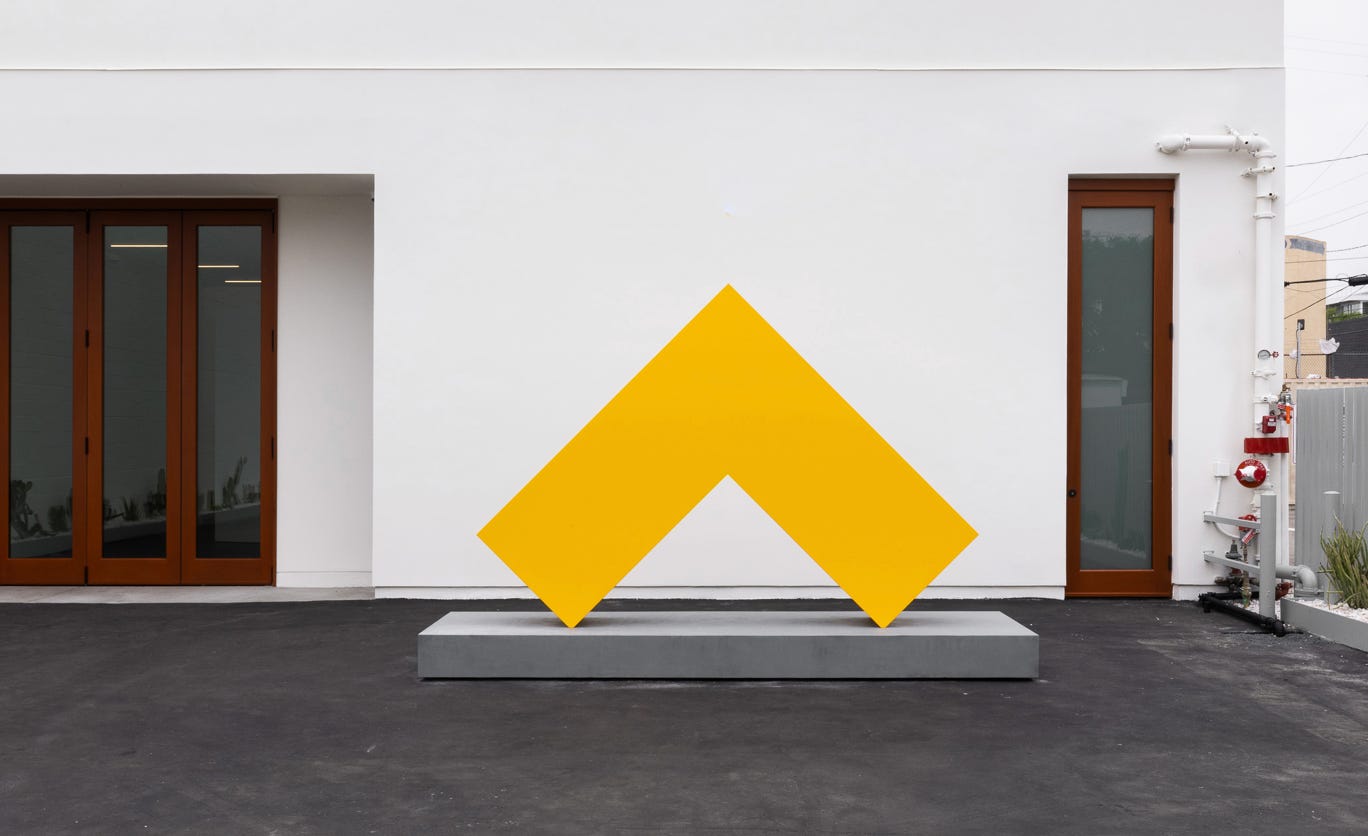
Ana Mendieta also stands out. A Cuban-American artist and pioneer of performance art and practices concerned with the body and the environment, her presence through Marian Goodman Gallery takes on particular resonance this week. Adding to this is the tribute paid to the Cuban artist by OFFSCREEN Paris, where she is the guest of honour for this edition, with an installation of six films at the Chapelle Saint-Louis de la Salpêtrière. An opportunity to revisit a body of work that, decades later, continues to question the boundaries between body, nature, identity and territory.
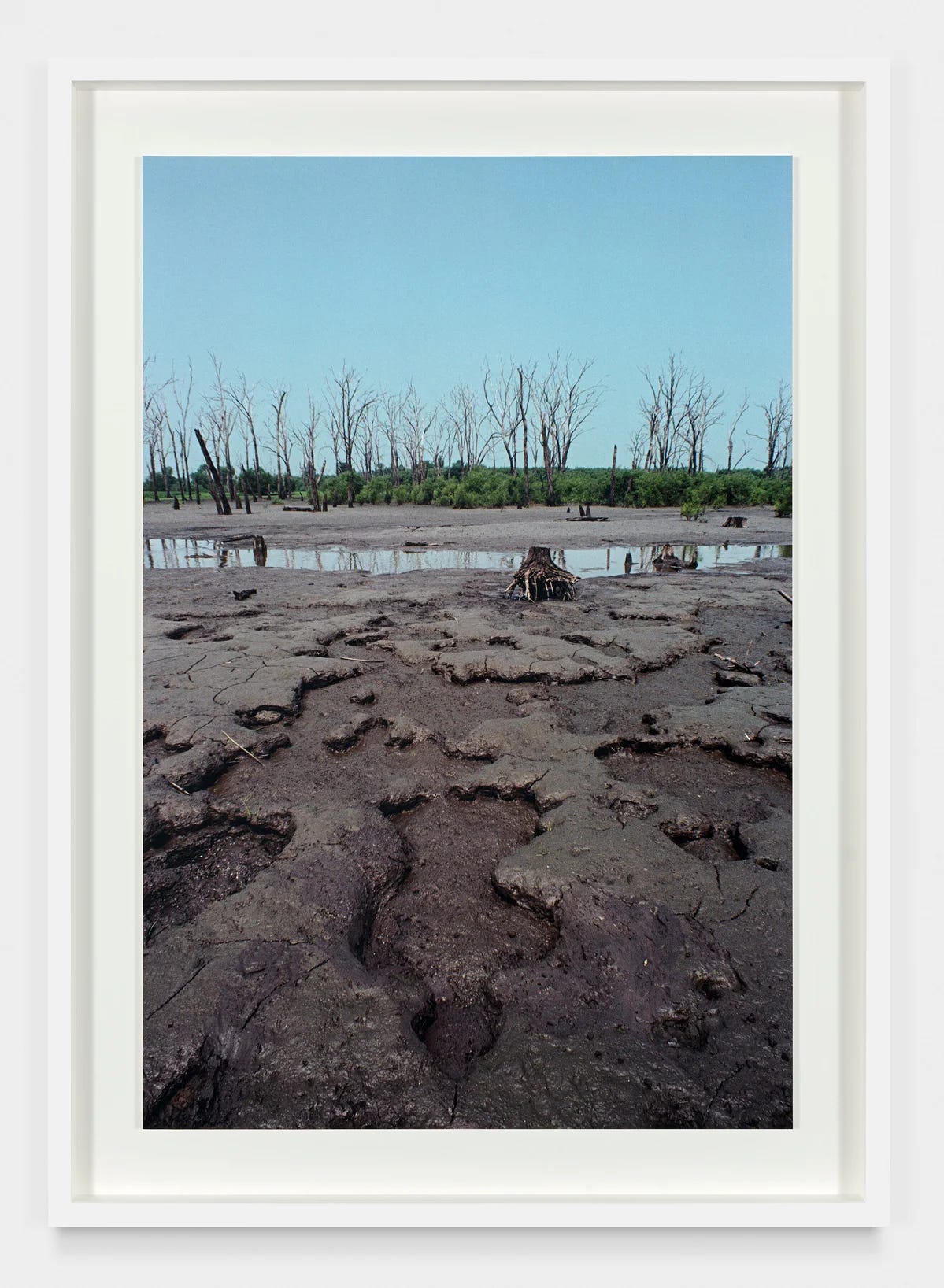
Continuing with Cuban art, Mai 36 Galerie brings Flavio Garciandía back to Paris, one of the leading names in the island’s contemporary art scene. Associated with the conceptual renewal that transformed Cuban art from the 1980s onwards, Garciandía represents one of those artistic trajectories worth revisiting, particularly at a time when international narratives of Latin American art continue to privilege certain names over others.
From Brazil, Fortes D’Aloia & Gabriel presents a carefully curated stand featuring Brazilian artists, among whom Ernesto Neto and Erika Verzutti stand out.
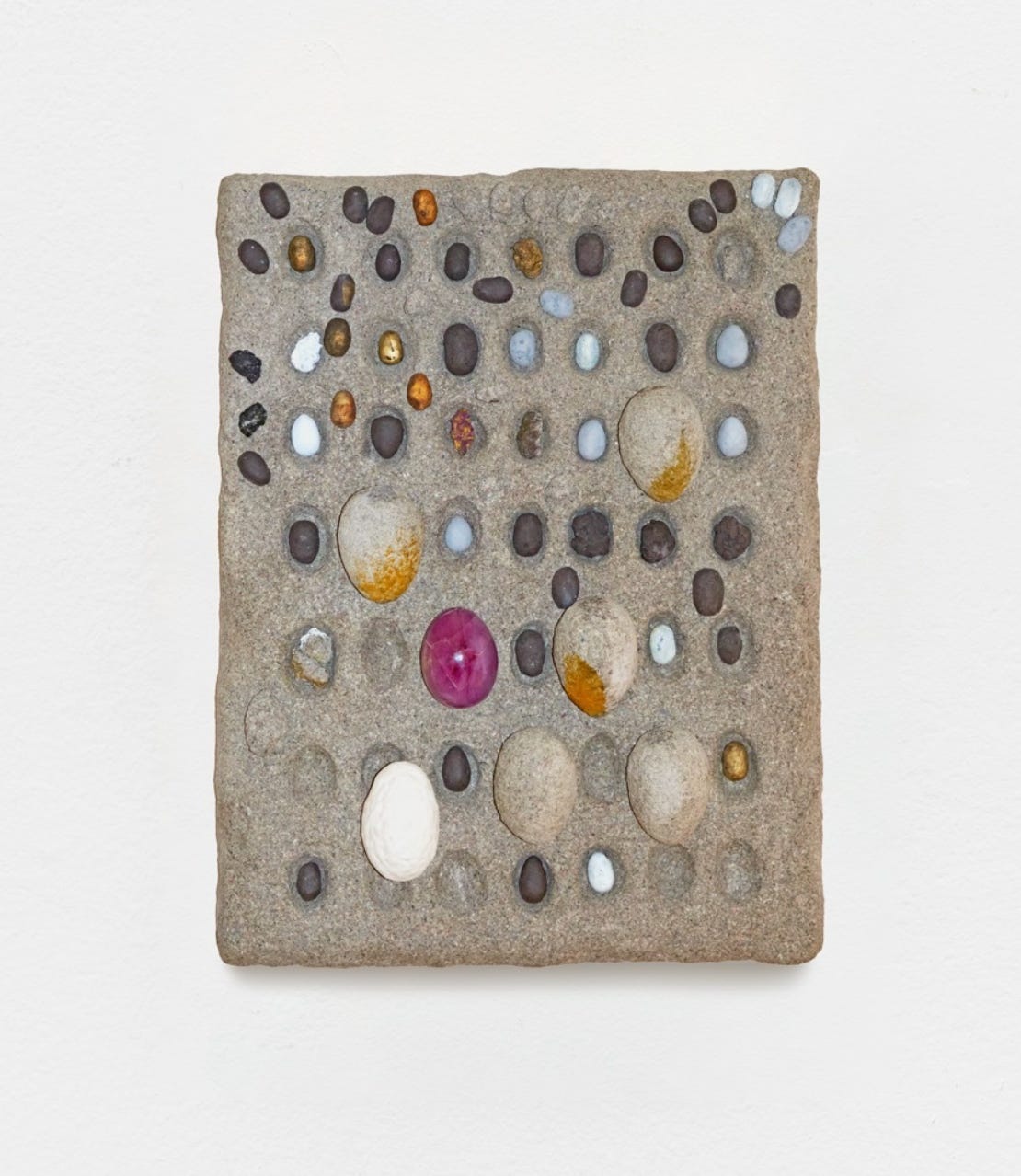
In the section dedicated to emerging practices, Galerie Eli Kerr presents the work of Rosario Aninat and Simon Shim-Sutcliffe in one of the proposals that draws particular attention for its curatorial approach. A stand that distinguishes itself within a section where, at times, the promise of discovering new voices becomes diluted among formulas all too familiar to the market, opting instead for a far more radical and bold.
Written by: Dayneris Brito is a Cuban art historian and curator based in Paris. She currently serves as Head of Artistic Projects at NOEMI Association – Espace Brownstone, Artistic Projects Coordinator at LAC – Collection Jean-Michel Attal, and lecturer in curatorial practices at IESA. She is also co-founder of (mist), a collective of Cuban art critics. Her curatorial practice explores themes of migration, exile, identity and care, with a particular focus on Latin American artists in the diaspora. She has collaborated with institutions including Galleria Continua, Cité Internationale des Arts, POUSH and the National Museum of Fine Arts of Cuba.
América Latina en Art Basel París 2026
Art Basel París llega a su quinta edición en este 2026 y, con ella, arrastra un clima particularmente tenso, entre conflictos bélicos internacionales y tensiones internas que ponen a prueba las costuras de la democracia francesa, a menos de un año de las elecciones presidenciales de 2027.
Pero en este escenario de tirantez e incertidumbre, el arte parece discurrir por otra vía. Como si el conflicto no fuera con él, vuelve a ocupar los espacios monumentales del Grand Palais, una suerte de viga maestra donde la excelencia y el buen gusto se ponen a prueba frente a los vaivenes del mercado internacional, entre ventas desiguales, recortes y suspensiones de todo tipo.
El arte latinoamericano, a pesar de la magnitud de esta cita, sigue siendo escaso y disperso. Si bien no refleja ninguna continuidad continental —aunque ¿por qué debería hacerlo?—, sorprenden algunas zonas de confort que nos permiten reencontrarnos con antiguos clásicos, esos nombres que, por más vistos que estén, siempre se agradecen.
Entre ellos destaca Carmen Herrera, figura fundamental de la abstracción geométrica, cuya obra vuelve a recordarnos la vigencia de un lenguaje reducido a sus elementos esenciales.
También sobresale Ana Mendieta, artista cubano-estadounidense, pionera del arte de acción y de las prácticas vinculadas al cuerpo y al medioambiente, cuya presencia a través de Marian Goodman Gallery adquiere una resonancia especial esta semana. A ello se suma el homenaje que OFFSCREEN París dedica a la artista cubana, invitada de honor de esta edición, con una instalación de seis películas en la Chapelle Saint-Louis de la Salpêtrière. Una oportunidad para volver sobre una obra que, décadas después, sigue cuestionando los límites entre cuerpo, naturaleza, identidad y territorio.
Siguiendo con el arte cubano, Mai 36 Galerie trae de nuevo a París a Flavio Garciandía, uno de los grandes nombres del arte contemporáneo de la isla. Vinculado a la renovación conceptual que sacudió la escena cubana a partir de los años ochenta, Garciandía representa una de esas trayectorias que merece la pena revisitar, especialmente cuando el relato internacional del arte latinoamericano continúa privilegiando unos nombres sobre otros.
Desde Brasil, Fortes D’Aloia & Gabriel presenta un stand cuidadosamente curado en torno a artistas brasileños, entre los que destacan Ernesto Neto y Erika Verzutti.
En la sección dedicada a las propuestas más jóvenes, Galerie Eli Kerr presenta el trabajo de Rosario Aninat y Simon Shim-Sutcliffe, en una de las propuestas que más llaman la atención por su planteamiento curatorial. Un stand que se desmarca dentro de una sección donde, en ocasiones, la promesa de descubrir nuevas voces termina diluyéndose entre fórmulas que el mercado ya conoce demasiado bien, y apuesta por una presentación mucho más radical y arriesgada.
Escrito por: Dayneris Brito es una historiadora del arte y curadora cubana radicada en París. Actualmente, se desempeña como directora de Proyectos Artísticos en NOEMI Association – Espace Brownstone, coordinadora de Proyectos Artísticos en LAC – Collection Jean-Michel Attal y docente de prácticas curatoriales en IESA. Es también cofundadora de (mist), un colectivo de críticos de arte cubanos. Su práctica curatorial explora temas como la migración, el exilio, la identidad y el cuidado, con especial atención a los artistas latinoamericanos en la diáspora. Ha colaborado con instituciones como Galleria Continua, Cité Internationale des Arts, POUSH y el Museo Nacional de Bellas Artes de Cuba.