


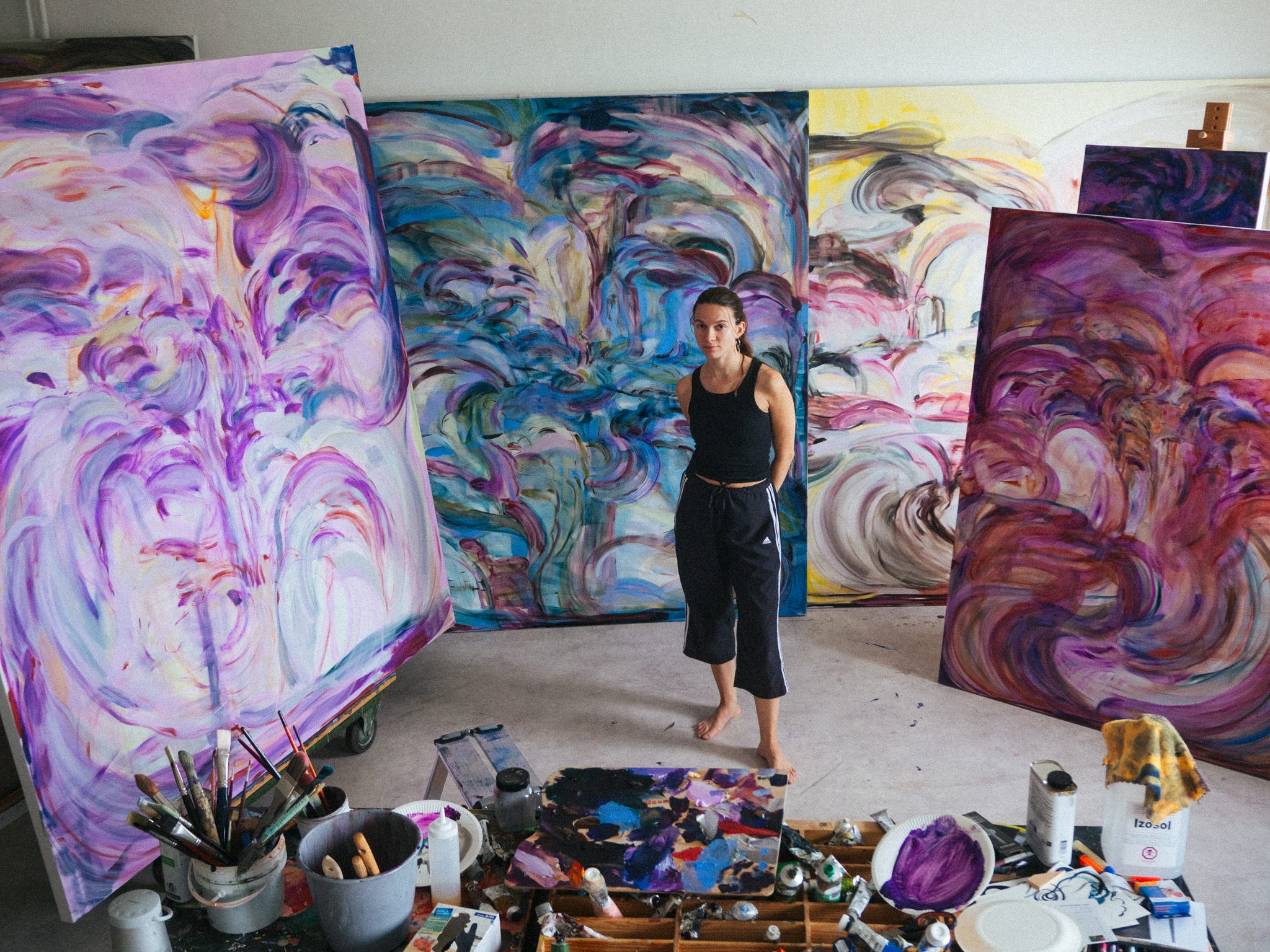
Sol Kordich paints from intuition, letting each work build itself through gestures and layers that reveal as much as they conceal. Her paintings open up as fluid, multi-layered spaces where form and process evolve together.
In this conversation, she reflects on how architectural thinking shaped her painting language, the role of intuition and writing in her process, and the delicate balance between control and openness that sustains her practice.
Q: Tell us how your path in art began. We know you studied architecture at the University of Buenos Aires. How did that training influence the way you think about painting?
Sol Kordich: I’ve always painted, mostly in a self-taught way, although in Buenos Aires I had teachers and people who guided me at different moments. When I studied architecture, I began to understand space differently: I became interested in materiality, spatial fluidity, and complex structures.
A building that deeply impacted me was Lina Bo Bardi’s Teatro Oficina in São Paulo, a metal structure made of scaffolding that connects and dissolves the boundaries between spaces.
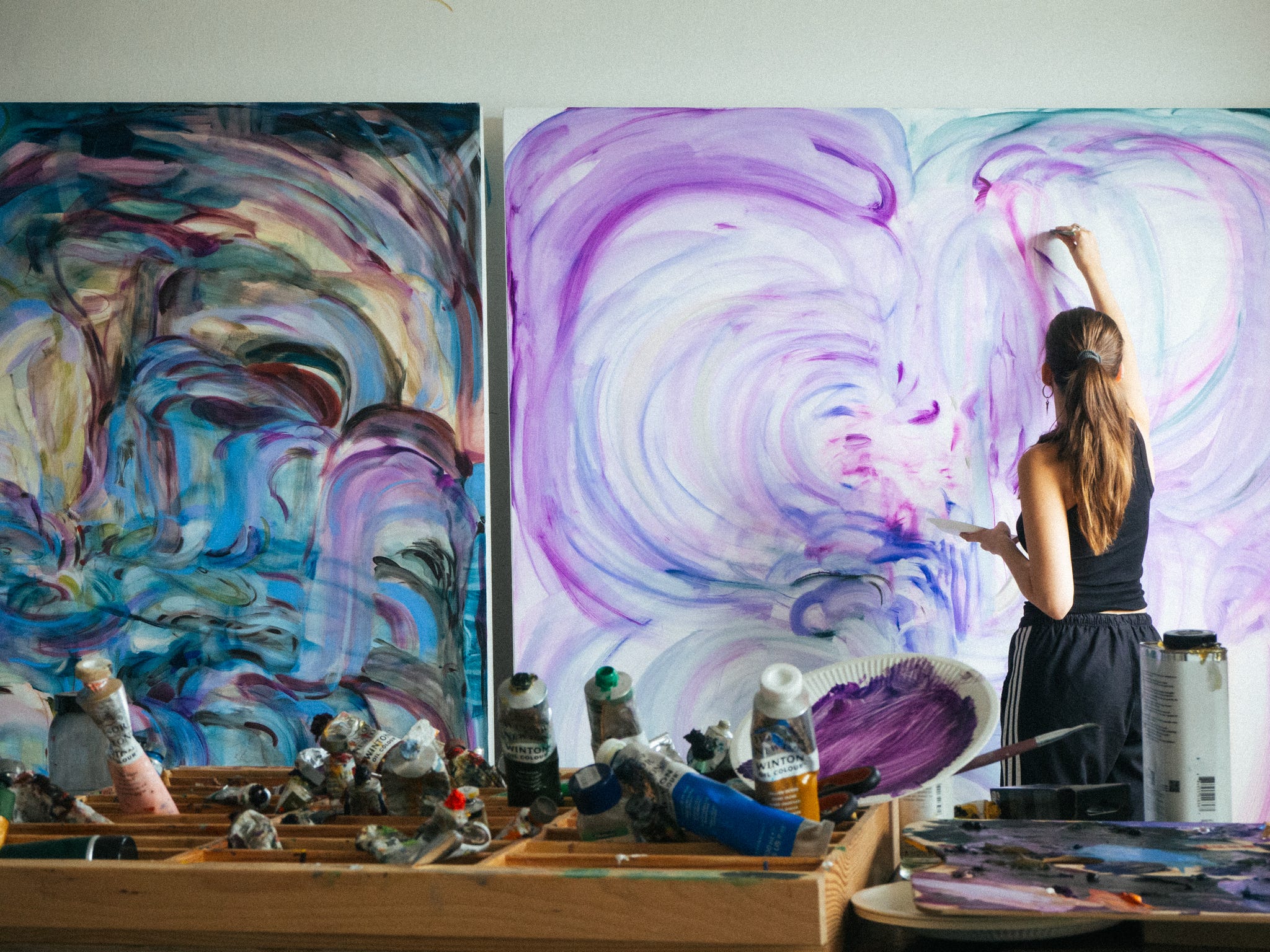
I’m interested in my painting functioning as a superposition of spatial layers that don’t aim to represent space, but rather to build it. While in architecture everything must be defined before it’s materialized, in painting the process itself is what constructs the work. That idea of layering, tension, and openness remains central to how I think about painting.
“I’m interested in my painting functioning as a superposition of spatial layers that don’t aim to represent space, but rather to build it.”
Q: Your work is composed of layers, gestures, and hidden elements such as poetry or symbols. How do you decide what to reveal and what to keep veiled?
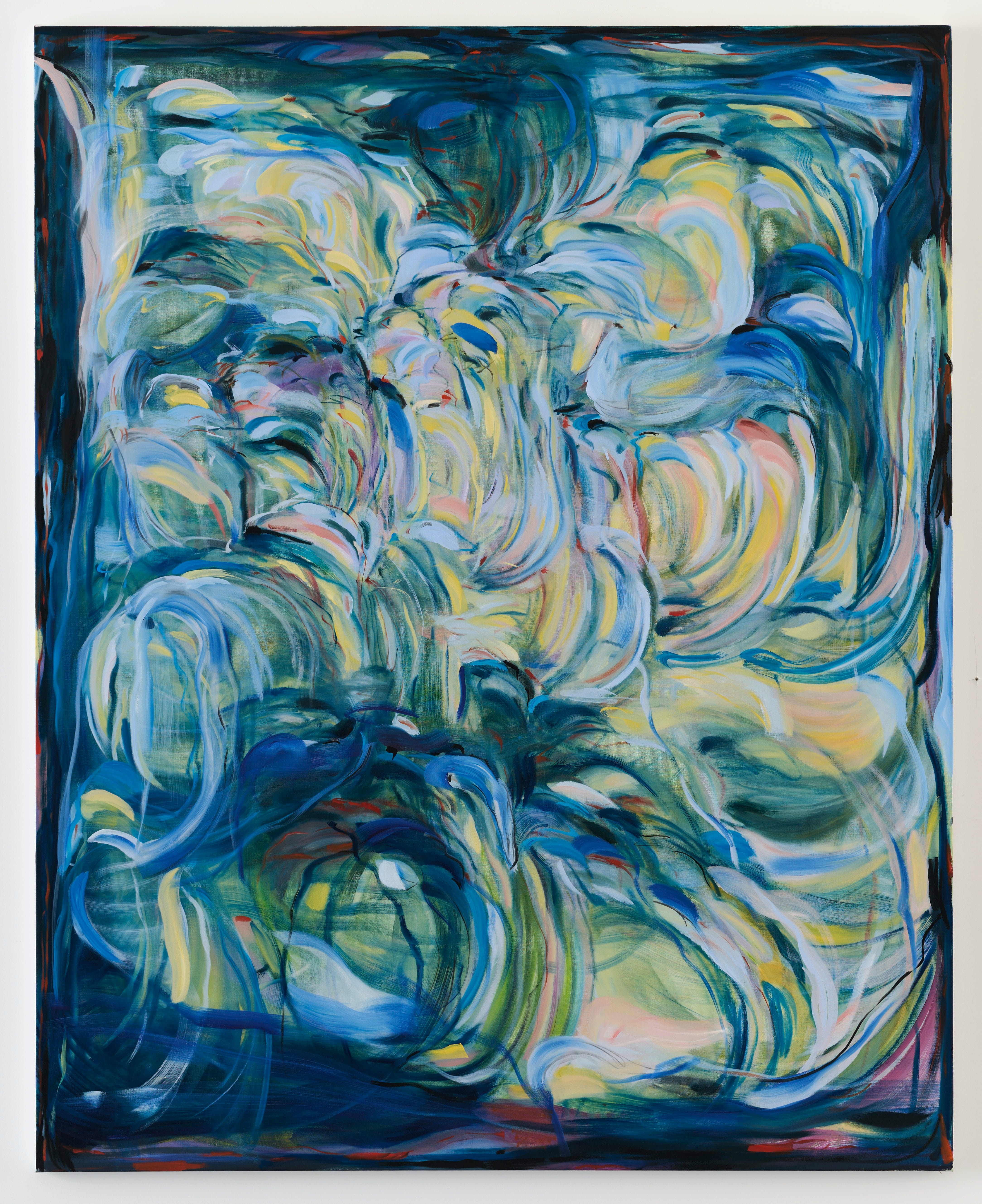
Sol Kordich: I don’t necessarily start from a preconceived idea or sketch. I begin working, and the image builds itself intuitively. Some things remain visible, others get lost or concealed; it’s not a deliberate decision but something that transforms through dialogue with the painting. Before I start, I often write down a word or symbol that opens the field of work, many times that ends up becoming the title. It’s as if the first and last layer share the same intention.
Even though I start from a state of “emptiness,” the image is nourished by multiple satellites: previous drawings, poetry, references to architecture, to the movement of water or wind, to the symbolic... All these elements influence the construction of the image, even if none of them are directly visible.
Q: What interests you most about what your work communicates?
Sol Kordich: At a time when everything seems available and visible, I’m interested in creating spaces of experience that aren’t completely defined. Painting, for me, functions as a field of information that can activate other sensorial fields, other images, or possible worlds. There’s a performative element in that dynamic: the image doesn’t just represent, it builds itself as it appears.
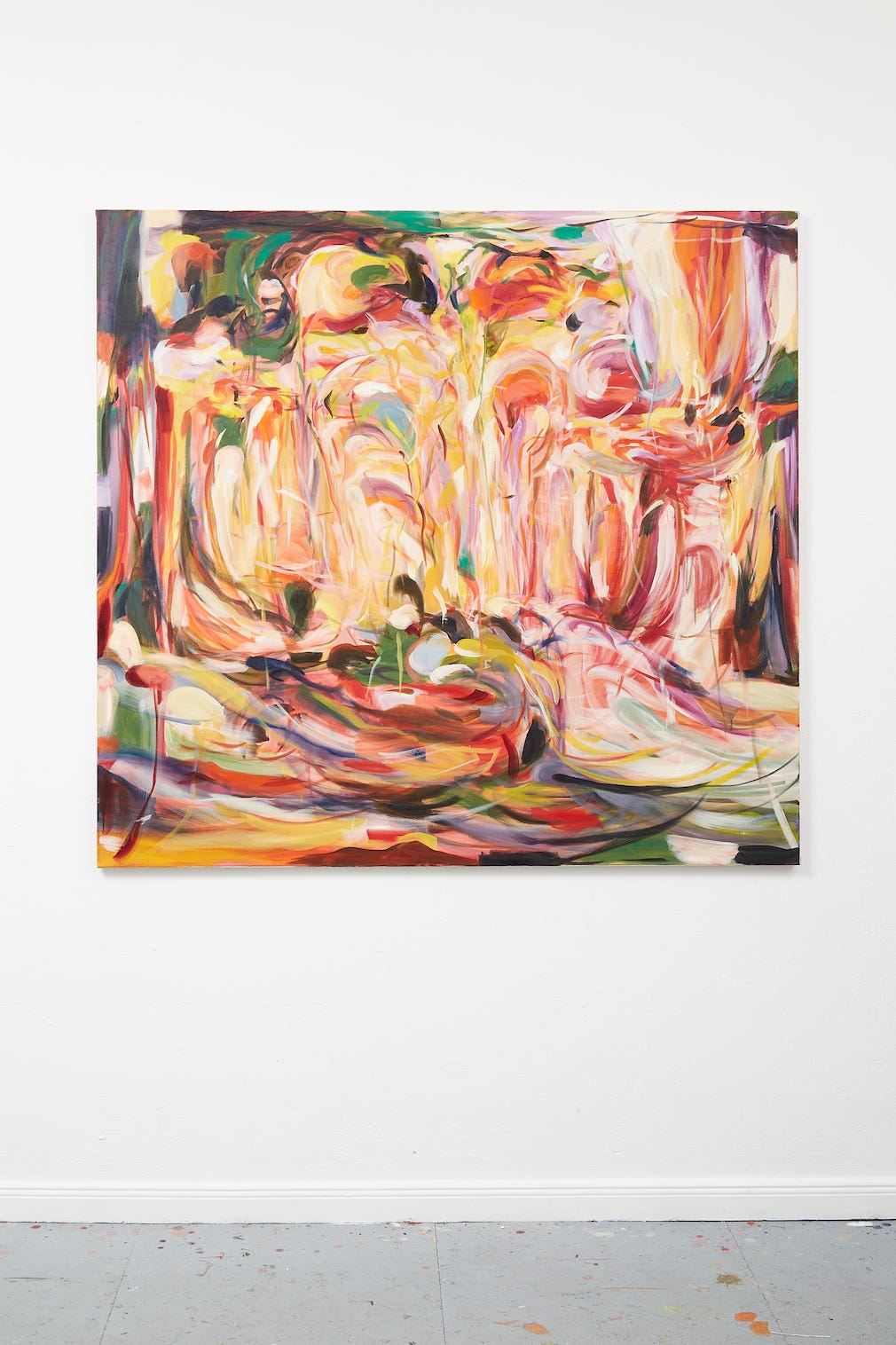
Through color, layering, and transparency, I look for those unstable tensions or harmonies where the composition holds and falls apart at the same time, keeping open the possibility of generating fluid spaces.
“At a time when everything seems available and visible, I’m interested in creating spaces of experience that aren’t completely defined.”
Q: With all the movement, layering, and energy running through your pieces, how do you recognize when a work is finished?
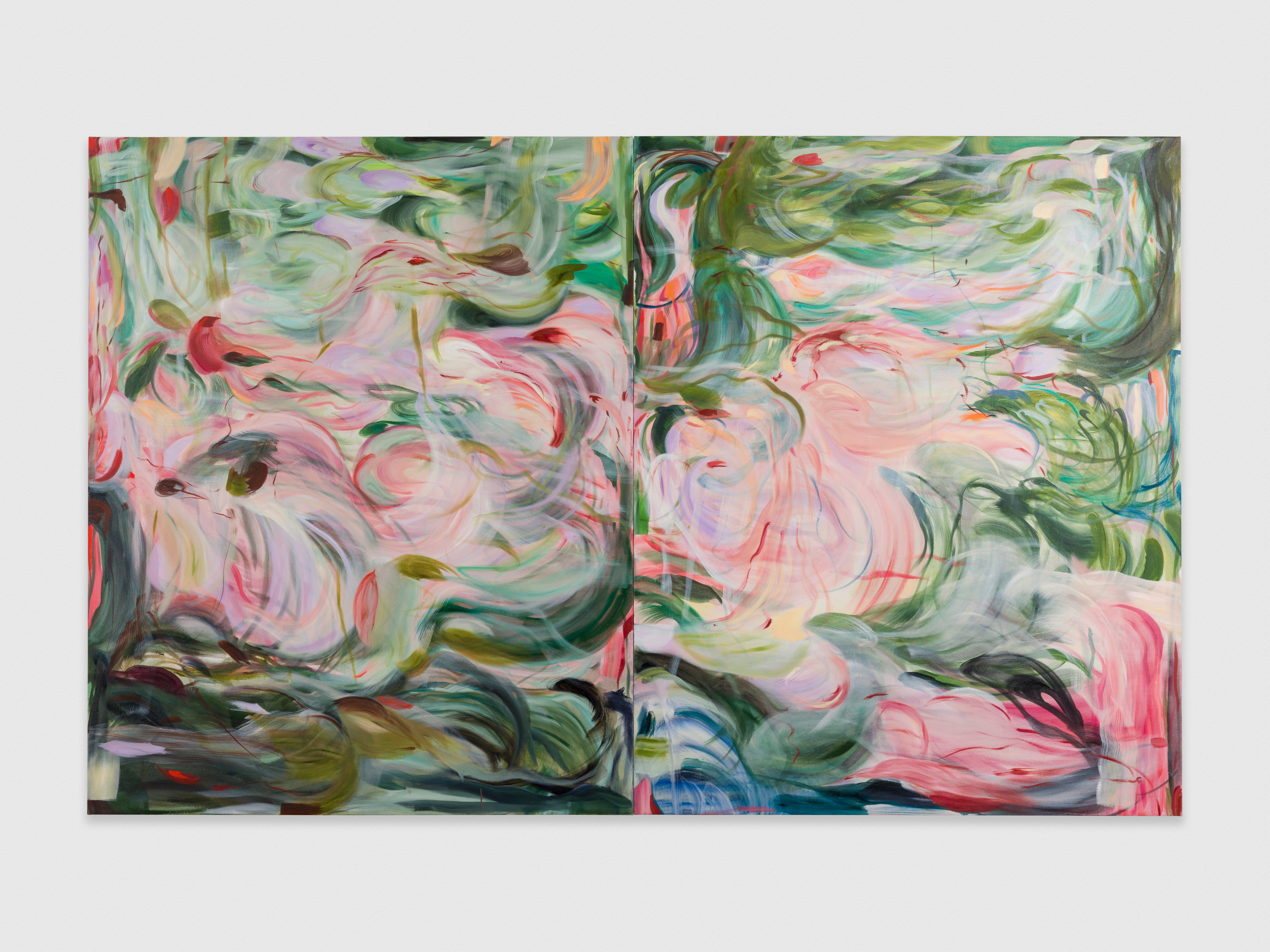
Sol Kordich: There’s not just one moment: there are many states of harmony that appear as I work. Sometimes I think a painting is never truly finished, and knowing when to stop is what I find hardest; often I feel I could have stopped earlier. I paint several works simultaneously and in different formats, which allows me to move between various intensities and stages. I could say the process has something of “reverse archaeology”: instead of excavating to uncover something, I accumulate layers of color and transparency until I find the image.
Q: Do you have any ritual or gesture before painting that marks the transition between everyday life and the studio?
Sol Kordich: More than a specific ritual, what’s important to me is being in the studio every day. I arrive in the morning, tidy up a bit, draw, and only after noon do I start painting. There are more intimate gestures that are part of my process, but I prefer they remain within that space. What matters most to me is maintaining the practice, even on the days when nothing seems to happen.
Q: The path of an artist is full of lessons and challenges. If you could share one lesson that stays with you today, what would it be?
Sol Kordich: I’ve learned the importance of building my own community, surrounding myself with people with whom I can share processes and doubts. And then, discipline: sustaining the practice every day, even when there’s no clarity or motivation. That constancy becomes what sustains me and allows me to keep exploring.
“I’ve learned the importance of building my own community, surrounding myself with people with whom I can share processes and doubts.”
Q: If you had to summarize your practice in one word, what would it be and why?
Sol Kordich: Extimacy. Lacan uses that term to speak of the intimate that becomes external without ceasing to be intimate. I find something of that in my work: the internal shifts outward, but not to explain itself completely. That opposition between inside and outside, between the visible and the hidden, organizes much of my practice.
To learn more about Sol Kordich, visit:
Sol Kordich pinta desde la intuición, dejando que cada obra se construya a sí misma a través de gestos y capas que revelan tanto como ocultan. Sus pinturas se abren como espacios fluidos y estratificados, donde la forma y el proceso evolucionan en conjunto.
En esta conversación, reflexiona sobre cómo el pensamiento arquitectónico influyó en su lenguaje pictórico, el papel de la intuición y la escritura en su proceso, y el delicado equilibrio entre el control y la apertura que sostiene su práctica.
Q: Cuéntanos cómo comenzó tu trayectoria en el arte. Sabemos que estudiaste arquitectura en la Universidad de Buenos Aires. ¿Qué huella dejó esa formación en tu manera de pensar la pintura?
Sol Kordich: Pinto desde siempre, de forma bastante autodidacta, aunque en Buenos Aires tuve maestros y personas que me acompañaron en distintos momentos. Cuando estudié arquitectura, empecé a entender el espacio de otra manera: me interesaban la materialidad, la fluidez espacial y las estructuras complejas.
Un edificio que me marcó fue cuando visité el Teatro Oficina, en San Pablo, de Lina Bo Bardi: una estructura metálica hecha con andamios, que conecta y disuelve los límites entre los espacios.
Me interesa que mi pintura funcione como una superposición de capas espaciales que no buscan representar el espacio, sino construirlo. Mientras en la arquitectura todo debe definirse antes de materializarse, en la pintura el proceso mismo es lo que construye. Esa idea de superposición, de tensión y apertura, quedó muy presente en mi manera de pensar la pintura.
“Me interesa que mi pintura funcione como una superposición de capas espaciales que no buscan representar el espacio, sino construirlo.”
Q: Tu obra está atravesada por capas, gestualidad y elementos ocultos como poesía o símbolos. ¿Cómo decides qué mostrar y qué mantener velado?
Sol Kordich: No parto necesariamente de una idea previa ni boceto. Empiezo a trabajar y la imagen se va construyendo de manera intuitiva. Algunas cosas quedan visibles, otras se pierden o se esconden; no es algo que se decida de forma directa sino que se transforma mediante el diálogo con la pintura. Antes de empezar a pintar, suelo escribir alguna palabra o símbolo que abra el campo de trabajo; muchas veces eso termina convirtiéndose en el título. Como si la primera y la última capa fueran parte de una misma intención.
Aunque parto de un estado de “vacío”, la imagen se nutre de múltiples satélites: dibujos previos, poesía, referencias a la arquitectura, al movimiento del agua o del viento, lo simbólico... Todos estos elementos influyen en la construcción de la imagen pero sin que ninguno quede directamente visible.
Q: ¿Qué es lo que más te interesa transmitir en tu trabajo?
Sol Kordich: En un momento donde todo parece disponible y visible, me interesa abrir espacios de experiencia que no estén completamente definidos. La pintura para mí funciona como un campo de información que puede activar otros campos sensibles, otras imágenes o mundos posibles. Hay algo de performatividad en esa dinámica: la imagen no se limita a representar, sino que se construye a sí misma mientras aparece.
A través del color, la superposición y transparencia busco esas tensiones o armonías inestables donde la composición se sostiene y se desarma al mismo tiempo, manteniendo abierta la posibilidad de generar espacios fluidos.
“En un momento donde todo parece disponible y visible, me interesa abrir espacios de experiencia que no estén completamente definidos.”
Q: Con todo el movimiento, las capas y la energía que recorren tus piezas, ¿cómo reconoces el momento en que una obra está terminada?
Sol Kordich: No hay un momento único, sino muchos estados de armonía que van apareciendo mientras trabajo. A veces pienso que la pintura nunca se termina del todo, y saber cuándo parar es lo que me parece más difícil; muchas veces tengo la sensación de que podría haber parado antes. Pinto varias obras a la vez y de distintos tamaños, lo cual me permite moverme entre distintas intensidades y etapas. Podría decir que el proceso tiene algo de “arqueología inversa”: en vez de excavar para descubrir algo, voy acumulando capas de color y transparencias hasta encontrar la imagen.
Q: ¿Tienes algún ritual o gesto previo a pintar que marque la transición entre la vida cotidiana y el estudio?
Sol Kordich: Más que un ritual específico, lo importante para mí es estar en el taller todos los días. Llego a la mañana, ordeno un poco, dibujo, y recién después del mediodía empiezo a pintar. Hay gestos más íntimos que forman parte de mi proceso, pero prefiero que se queden en ese espacio. Lo valioso para mi esta en sostener la práctica incluso en los días en que no pasa nada.
Q: El camino de una artista está lleno de aprendizajes y desafíos. Si pudieras compartir una lección que hoy te acompaña, ¿cuál sería?
Sol Kordich: Aprendí la importancia de construir una comunidad propia, rodearme de personas con la que pueda compartir procesos y dudas. Y después, la disciplina: sostener la práctica todos los días, incluso cuando no hay claridad ni motivación. Esa constancia termina siendo lo que me sostiene y me permite seguir explorando.
“Aprendí la importancia de construir una comunidad propia, rodearme de personas con la que pueda compartir procesos y dudas.”
Q: Si tuvieras que resumir tu práctica en una sola palabra, ¿cuál sería y por qué?
Sol Kordich: Extimidad. Lacan usa ese término para hablar de lo íntimo que se vuelve exterior sin dejar de ser íntimo. Encuentro algo de eso en mi trabajo: lo interno se desplaza hacia afuera, pero no para explicarse del todo. Esa oposición de lo que está adentro y el afuera, entre lo visible y lo oculto es lo que organiza gran parte de mi práctica.
Para saber más sobre Sol Kordich, visita: