


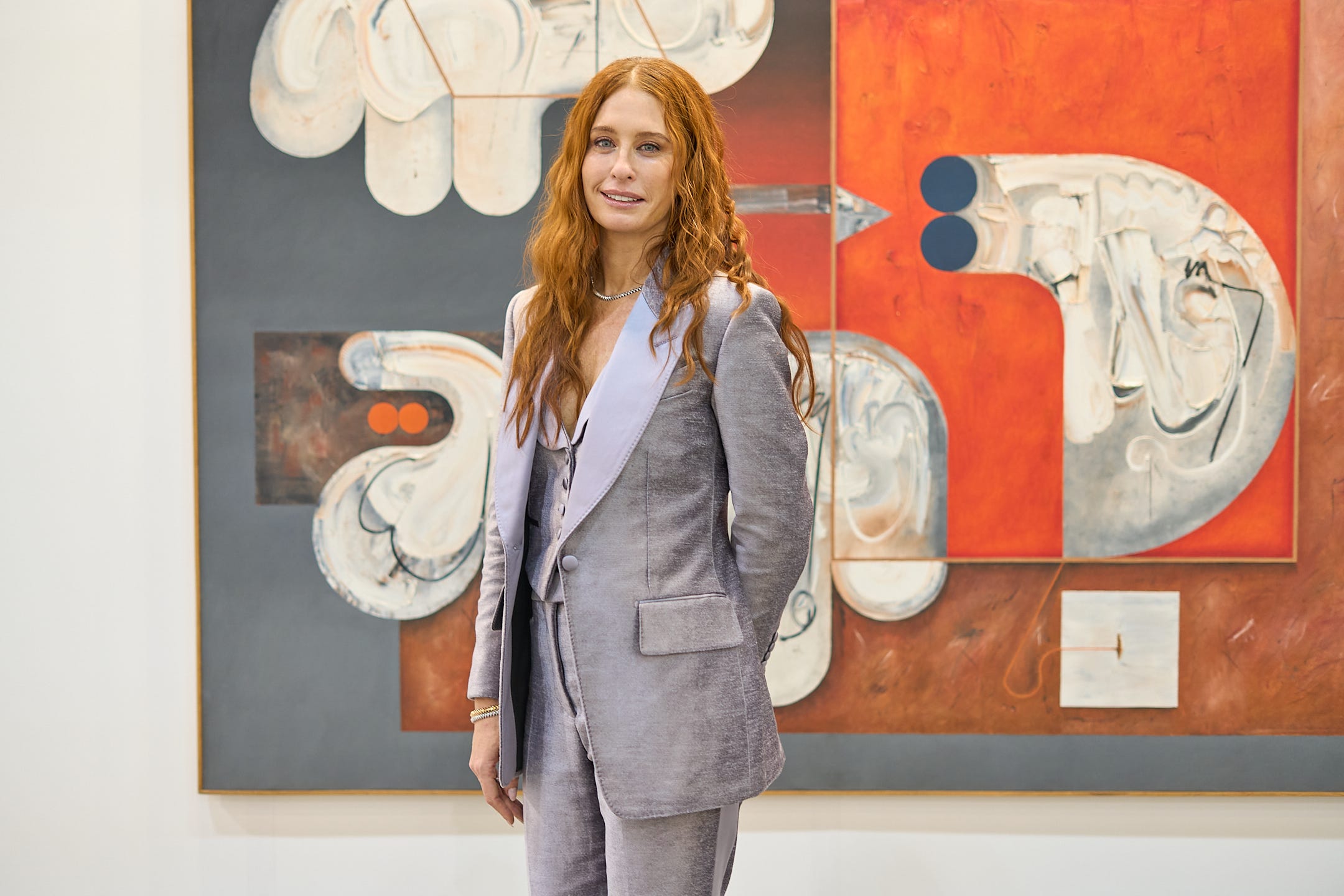
Zélika García founded ZⓈONAMACO to give Mexico a stronger platform for galleries, artists, and collectors, at a time when the scene looked very different from today. More than two decades later, the fair has become a key moment in the art world's calendar.
In this interview, she reflects on the fair’s origins, explains what sets Zona Maco apart, shares advice for new collectors, and walks through what to pay attention to during Art Week.
Today ZⓈONAMACO is recognized as the most important art fair in Latin America. Looking toward its beginnings, how do you remember that first moment and what led you to drive a fair in an artistic context so different from the one that exists today in Mexico?
ZG: When we began, the ecosystem was completely different. There were artists and galleries with great quality, but there did not exist a platform that articulated market, international visibility, and professionalization. The motivation was very concrete: to generate a meeting space that connected Mexico with the global art circuit, with a model from our own context. ZⓈONAMACO was born as a long-term bet, not as an isolated event, that marked its growth and continues differentiating it.
This year ZⓈONAMACO is celebrating its 22nd edition. What interests you to achieve in a particular way this year?
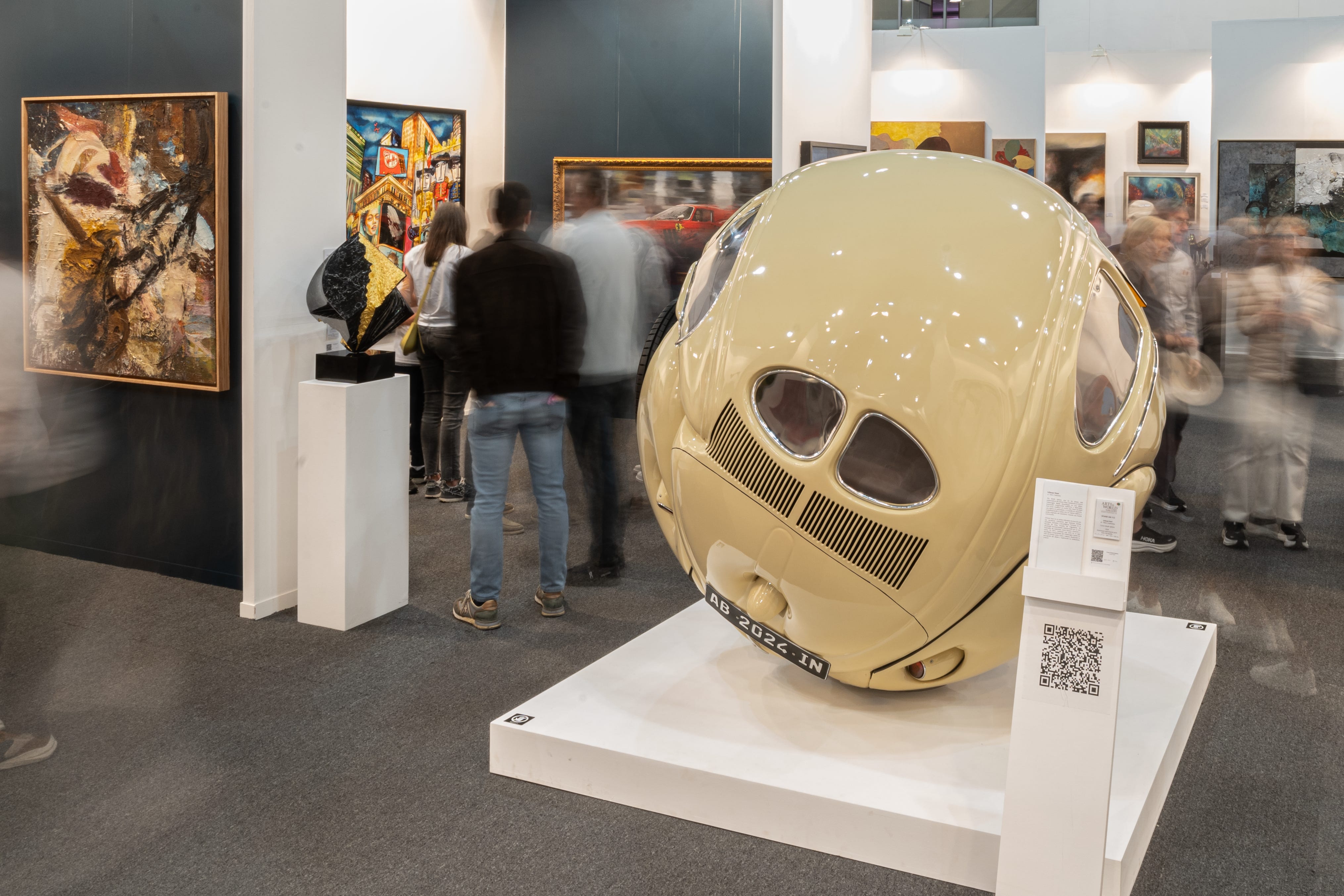
ZG: To consolidate what the fair represents today: a real point of convergence between Latin America and the international market. This edition places emphasis on strengthening curatorial quality, expanding the conversations between generations of collectors, and accompanying the galleries in a moment of transformation of the market. More than growing in volume, what interests us is solidity and relevance.
“This edition places emphasis on strengthening curatorial quality, expanding the conversations between generations of collectors, and accompanying the galleries in a moment of transformation of the market.”
Beyond its geographic location, how would you say that ZⓈONAMACO differentiates itself from other fairs within the international circuit?
ZG: ZⓈONAMACO does not function as a peripheral fair that observes the center; it operates as an active node. Here coexist consolidated and emerging scenes, historical and contemporary practices, market and critical thought. The difference is in that coexistence: ZⓈONAMACO is not a fair that simplifies the region, but rather presents it in all its complexity, in direct dialogue with international contexts.
“ZⓈONAMACO is not a fair that simplifies the region, but rather presents it in all its complexity, in direct dialogue with international contexts.”
If someone is attending the fair with the intention of beginning to collect, what concrete steps would you recommend following to take advantage of the experience?
ZG: To speak with the galleries, to ask questions, to understand trajectories. Collecting does not begin with the purchase, it begins with observation and information. It is also important to go through the different sections, to attend the conversations. To collect is to build a long-term relationship with art.
Beyond the fair, what spaces, exhibitions, or events do you consider indispensable during ZⓈONAMACO Art Week in Mexico City?
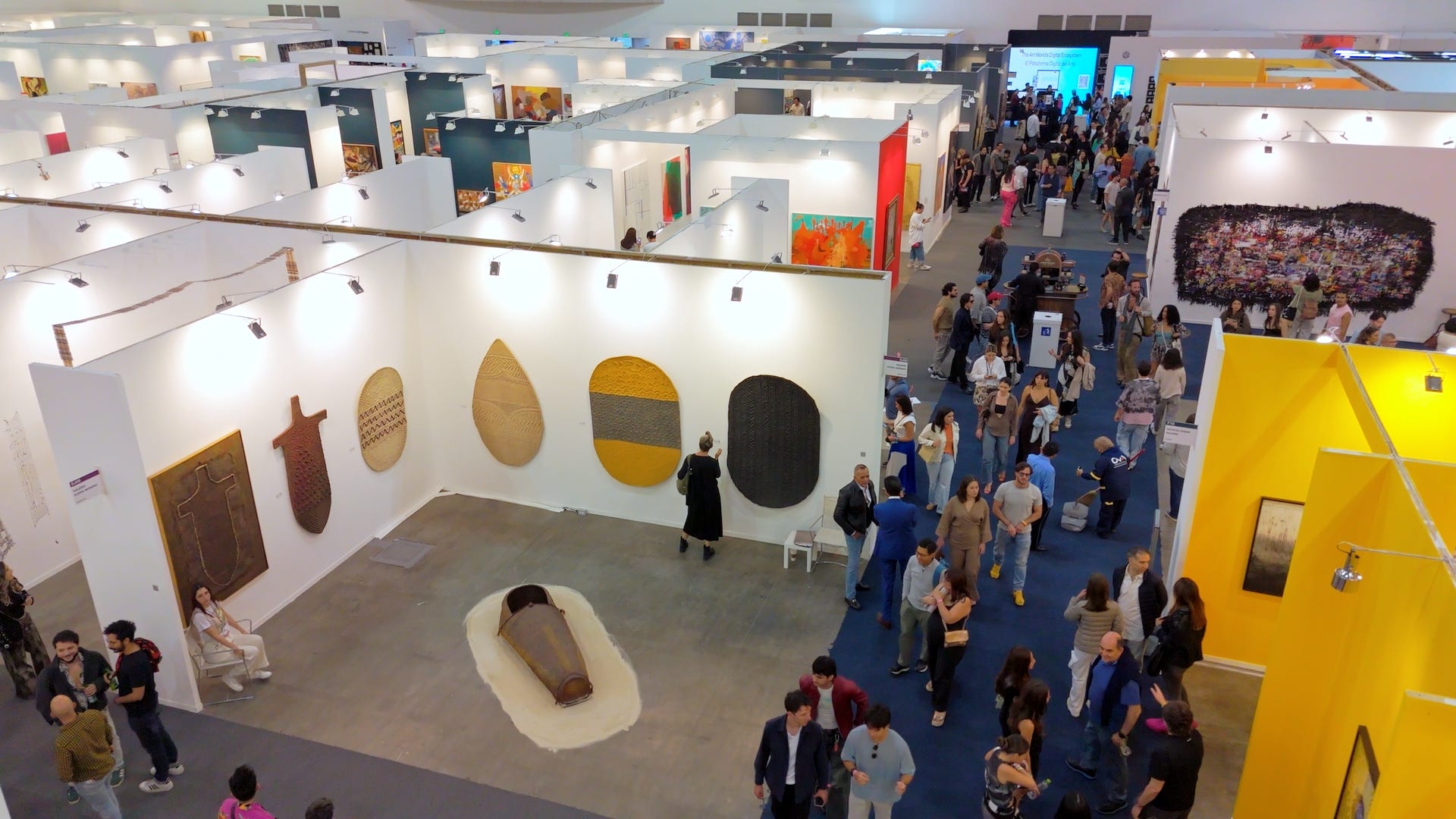
ZG: The strength of ZⓈONAMACO Art Week is in its diversity. Museums, galleries, foundations, and independent spaces activate the city in a simultaneous way. More than recommending a single place, I would invite everyone to go through the city with curiosity: the dialogue between public institutions, private, and alternative spaces is what turns Mexico City into a key point of the international calendar.
This edition there will be more than 70 institutions with different activities, but principally 25 exhibitions will be inaugurated in museums and galleries, among them stand out choreographic intervention COLOSOS by Diego Vega in the Museum of the Palace of Fine Arts; tour through the exhibitions Gunther Gerzso: something in common with the past, Botany of asphalt, Neither origin nor whirlwind, Block II, Nobody will believe the fire if the smoke does not give signs, The air in the form of a guest, Sound memories of Latin American literature and Reports here and Approaches to a metaphysical museum in the University Museum of Contemporary Art (MUAC); exhibitions Coffee Table by Cristina Umaña and Specular Crystallization by María Naidich, both curated by Andrea Bustillos, as well as Happy Sisyphus by Bosco Sodi, curated by Alberto Ríos de la Rosa in Fundación Casa Wabi Sabino, among many more.
“The strength of ZⓈONAMACO Art Week is in its diversity … More than recommending a single place, I would invite everyone to go through the city with curiosity.”
In addition to its exhibition dimension, ZⓈONAMACO has consolidated itself as a space of dialogue. Could you tell us a bit about the program of talks and meetings of this edition?
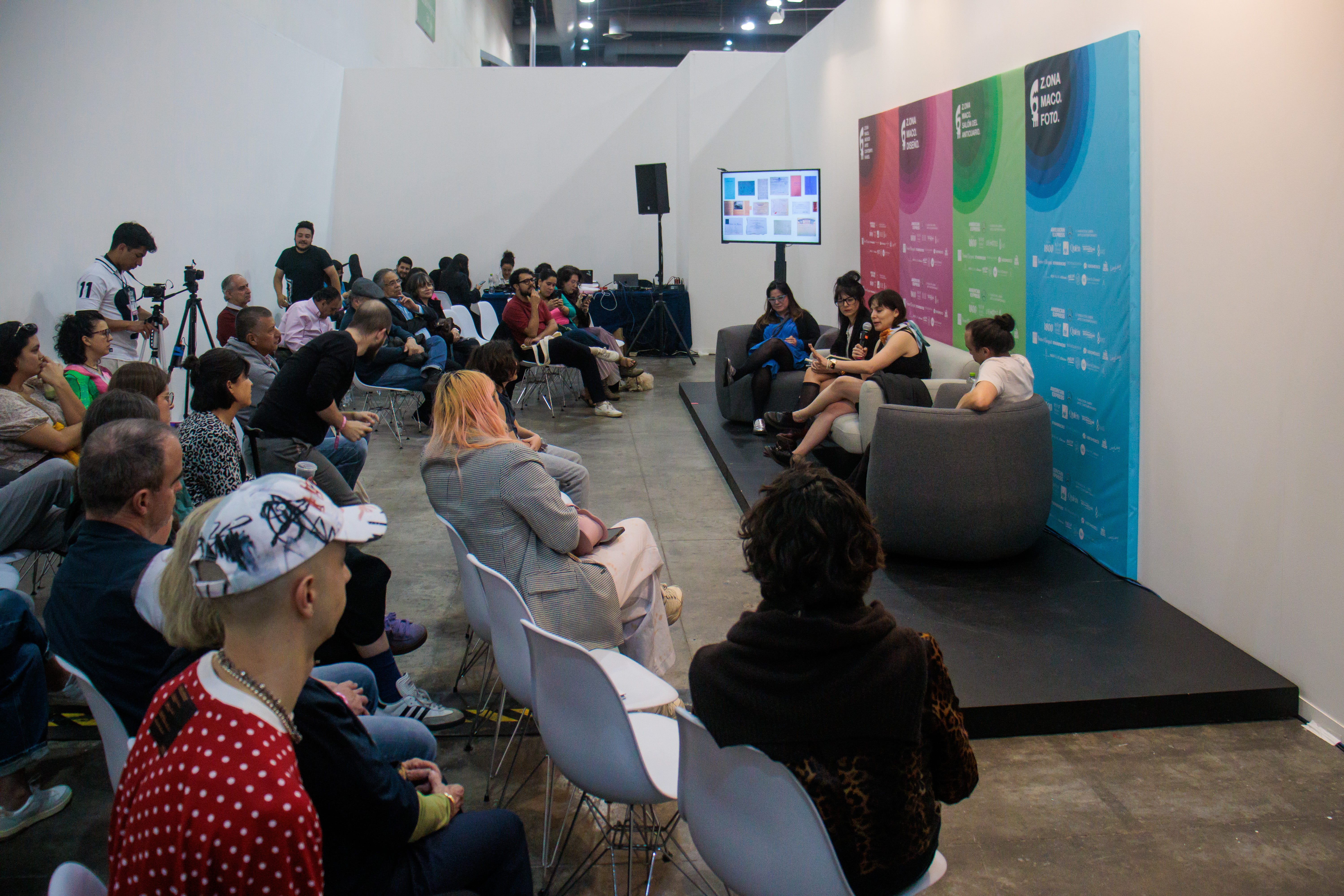
ZG: The program of conversations of this edition will count with more than 30 activities, between talks, editorial presentations, and conferences such as: Art and institutions in GENERAL SECTION by Stefano Collicelli, Simone Krug, and Donna De Salvo and Tatiana Cuevas, which will address the current challenges that contemporary art institutions face where the dialogue invites us to rethink the meaning of cultural sustainability; Exchanges in ZⓈONAMACO AXES by Magnolia de la Garza, Gilberto González, and Lucía Sanromán, curated by Aimé Iglesias Lukin, which will propose to the participants the exchange of experiences as agents and observers of the global contemporary art scenes of today; and the presentation of the book Sic itur ad astra. 90 years of the GAM of Daniel Garza Usabiaga (curator), Christian Camacho (GAM artist) and Juan Pérez Figueroa (director of the Mexican Art Gallery, GAM); as well as the presentation of the catalogue of the exhibition that inaugurated the celebration of the 90 years of the Mexican Art Gallery, GAM, among many others.
For those who cannot attend in person, what alternatives exist today to get close to ZⓈONAMACO and to what happens around the fair?
ZG: ZⓈONAMACO today extends beyond the physical space. In collaboration with Always Art, the fair counts with a digital platform that allows you to explore works, follow galleries, save favorites, and contact directly the exhibitors. Through the app, visitors can scan the codes of the galleries, build their own selection of works, and continue the experience even after having left the fair.
This expands access for international publics and accompanies the collectors in their decision processes, understanding that the bond with a work does not always happen in a single moment. ZⓈONAMACO no longer happens only during a few days of February, but rather is prolonged in time, combining the in-person experience with digital tools that strengthen the relationship between galleries, artists, and publics.
To know more about Zélika García and ZⓈONAMACO, visit:
En conversación con: Zélika García
Zélika García fundó ZⓈONAMACO para darle a México una plataforma más sólida para galerías, artistas y coleccionistas, en un momento en que la escena era muy distinta a la de hoy. Más de dos décadas después, la feria se ha convertido en una cita clave en el calendario del mundo del arte.
En esta entrevista, Zélika reflexiona sobre los orígenes de la feria, explica qué distingue a Zona Maco, comparte consejos para quienes empiezan a coleccionar y guía sobre qué vale la pena tener en la mira durante la Semana del Arte.
Hoy ZⓈONAMACO es reconocida como la feria de arte más importante de Latinoamérica. Mirando hacia sus inicios, ¿cómo recuerdas ese primer momento y qué te llevó a impulsar una feria en un contexto artístico tan distinto al que existe hoy en México?
ZG: Cuando iniciamos, el ecosistema era completamente distinto. Había artistas y galerías con gran calidad, pero no existía una plataforma que articulara mercado, visibilidad internacional y profesionalización. La motivación fue muy concreta: generar un espacio de encuentro que conectara a México con el circuito global del arte, con un modelo desde nuestro propio contexto. ZⓈONAMACO nació como una apuesta a largo plazo, no como un evento aislado, eso marcó su crecimiento y sigue diferenciándola.
Este año ZⓈONAMACO está celebrando su 22ª edición. ¿Qué te interesa lograr de manera particular este año?
ZG: Consolidar lo que la feria representa hoy: un punto de convergencia real entre América Latina y el mercado internacional. Esta edición pone énfasis en fortalecer la calidad curatorial, ampliar las conversaciones entre generaciones de coleccionistas y acompañar a las galerías en un momento de transformación del mercado. Más que crecer en volumen, nos interesa la solidez y la relevancia.
“Esta edición pone énfasis en fortalecer la calidad curatorial, ampliar las conversaciones entre generaciones de coleccionistas y acompañar a las galerías en un momento de transformación del mercado.”
Más allá de su ubicación geográfica, ¿cómo dirías que ZⓈONAMACO se diferencia de otras ferias dentro del circuito internacional?
ZG: ZⓈONAMACO no funciona como una feria periférica que observa el centro; opera como un nodo activo. Aquí conviven escenas consolidadas y emergentes, prácticas históricas y contemporáneas, mercado y pensamiento crítico. La diferencia está en esa convivencia: ZⓈONAMACO es una feria que simplifique la región, sino que la presenta en toda su complejidad, en diálogo directo con contextos internacionales.
“ZⓈONAMACO no es una feria que simplifique la región, sino que la presenta en toda su complejidad, en diálogo directo con contextos internacionales.”
Si alguien está asistiendo a la feria con intención de empezar a coleccionar, ¿qué pasos concretos recomendarías seguir para aprovechar la experiencia?
ZG: Hablar con las galerías, hacer preguntas, entender trayectorias. El coleccionismo no empieza con la compra, empieza con la observación y la información. También es importante recorrer las distintas secciones, asistir a las conversaciones. Coleccionar es construir una relación a largo plazo con el arte.
Más allá de la feria, ¿qué espacios, exposiciones o eventos consideras indispensables durante la Semana del Arte ZⓈONAMACO en Ciudad de México?
ZG: La fortaleza de la Semana del Arte ZⓈONAMACO está en su diversidad. Museos, galerías, fundaciones y espacios independientes activan la ciudad de manera simultánea. Más que recomendar un solo lugar, invitaría a recorrer la ciudad con curiosidad: el diálogo entre instituciones públicas, privadas y espacios alternativos es lo que convierte a la Ciudad de México en un punto clave del calendario internacional.
Esta edición habrá más de 70 instituciones con distintas actividades, pero principalmente se inaugurarán 25 exposiciones en museos y galerías, entre ellas destacan intervención coreográfica COLOSOS por Diego Vega en el Museo del Palacio de Bellas Artes; recorrido por las exposiciones Gunther Gerzso: algo en común con el pasado, Botánica de asfalto, Ni origen ni torbellino, Bloque II, Nadie creerá el incendio si el humo no da señales, El aire en forma de huésped, Memorias sonoras de la literatura latinoamericana e Informes aquí y Aproximaciones a un museo metafísico en el Museo Universitario de Arte Contemporáneo (MUAC); exposiciones Mesa de Centro de Cristina Umaña y Cristalización Especular de María Naidich, ambas curadas por Andrea Bustillos, así como Sísifo dichoso de Bosco Sodi, curada por Alberto Ríos de la Rosa en Fundación Casa Wabi Sabino, entre muchas más.
“La fortaleza de la Semana del Arte ZⓈONAMACO está en su diversidad … Más que recomendar un solo lugar, invitaría a recorrer la ciudad con curiosidad.”
Además de su dimensión expositiva, ZⓈONAMACO se ha consolidado como un espacio de diálogo. ¿Podrías contarnos un poco sobre el programa de charlas y encuentros de esta edición?
ZG: El programa de conversaciones de esta edición contará con más de 30 actividades, entre charlas, presentaciones editoriales y conferencias como: Arte e instituciones en SECCIÓN GENERAL por Stefano Collicelli, Simone Krug, y Donna De Salvo y Tatiana Cuevas, que abordará los desafíos actuales que enfrentan las instituciones de arte contemporáneo donde el diálogo invita a repensar el significado de la sostenibilidad cultural; Intercambios en ZⓈONAMACO EJES de Magnolia de la Garza, Gilberto González y Lucía Sanromán, curada por Aimé Iglesias Lukin, que propondrá a los participantes el intercambio de experiencias como agentes y observadores de las escenas del arte contemporáneo global de hoy; y la presentación del libro Sic itur ad astra. 90 años de la GAM de Daniel Garza Usabiaga (curador), Christian Camacho (artista GAM) y Juan Pérez Figueroa (director de la Galería de Arte Mexicano, GAM); así como la presentación del catálogo de la exposición que inauguró la celebración de los 90 años de la Galería de Arte Mexicano, GAM, entre muchas otras.
Para quienes no pueden asistir de manera presencial, ¿qué alternativas existen hoy para acercarse a ZⓈONAMACO y a lo que sucede en torno a la feria?
ZG: ZⓈONAMACO hoy se extiende más allá del espacio físico. En colaboración con Always Art, la feria cuenta con una plataforma digital que permite explorar obras, seguir galerías, guardar favoritos y contactar directamente a los expositores. A través de la app, los visitantes pueden escanear los códigos de las galerías, construir su propia selección de obras y continuar la experiencia incluso después de haber salido de la feria.
Esto amplía el acceso para públicos internacionales y acompaña a los coleccionistas en sus procesos de decisión, entendiendo que el vínculo con una obra no siempre ocurre en un solo momento. ZⓈONAMACO ya no sucede únicamente durante unos días de febrero, sino que se prolonga en el tiempo, combinando la experiencia presencial con herramientas digitales que fortalecen la relación entre galerías, artistas y públicos.
Para saber más sobre Zélika García y ZⓈONAMACO, visita: