


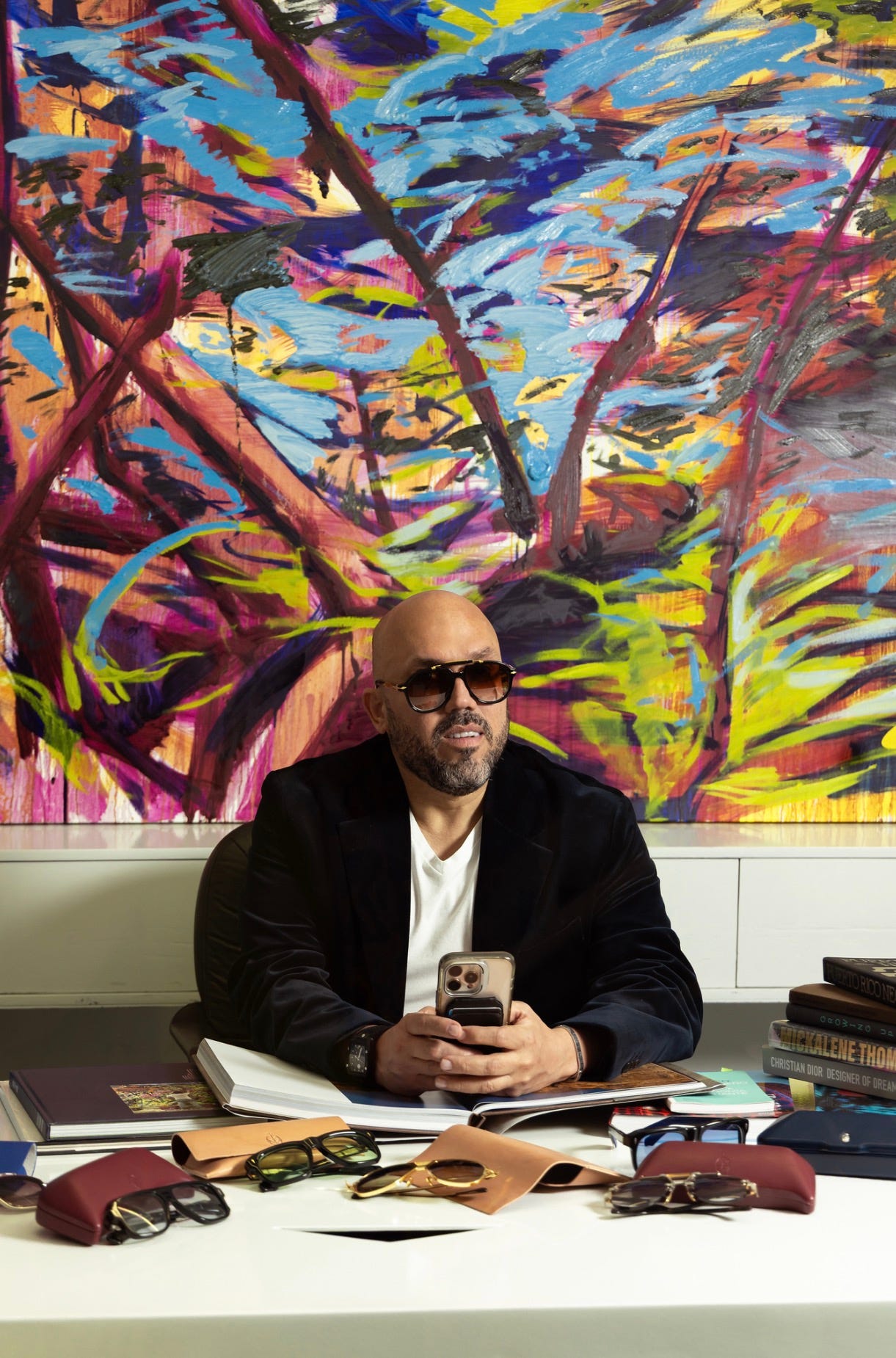
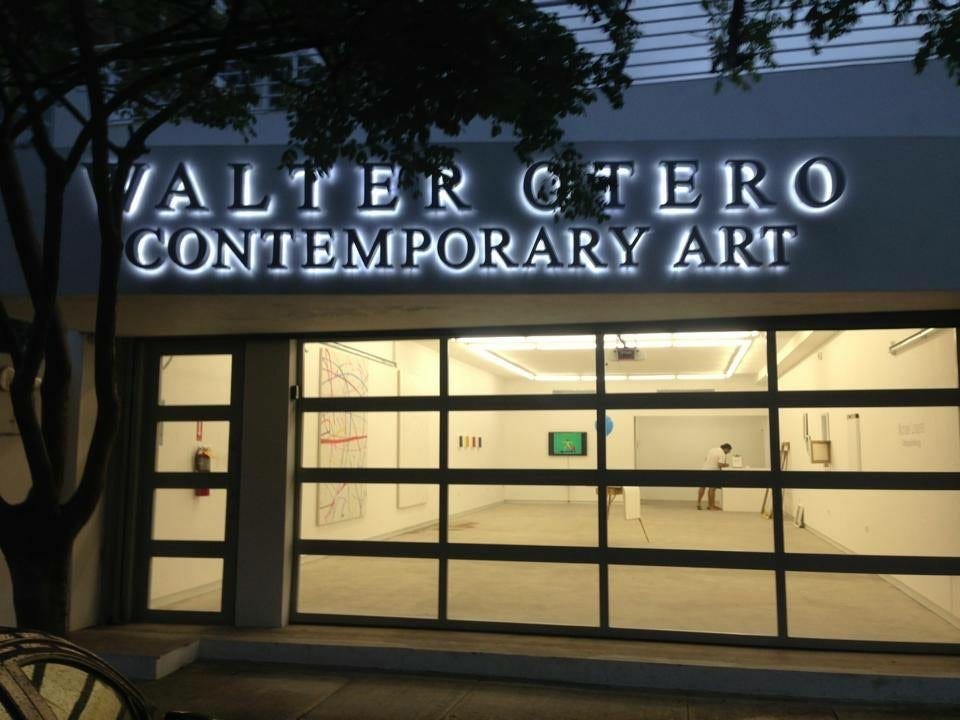
Walter Otero is one of the most important gallerists in the Caribbean and a singular force within the contemporary art world. As founder of Walter Otero Contemporary Art, he has played a crucial role in shaping the visibility and international recognition of Puerto Rican and Caribbean artists, while firmly establishing the region as a vital force in global contemporary art.
In this interview, Walter reflects on his unconventional path into the art world, the lessons he learned from Arnaldo Roche, and his approach to supporting artists over time. He also speaks about collecting, the Caribbean’s role as a cultural bridge, the importance of collaboration between galleries, and his recently published book Walter Otero: un galerista tropical.
Your entry into the art world was not traditional. How did your trajectory begin and how did you shape your perspective and sensibility as a gallerist along the way?
WO: My trajectory began in the mid-90s when I met the Puerto Rican artist Arnaldo Roche.
We had seen each other at a talk, but we really became friends outside of the art world. I lived in the west of Puerto Rico and one day, by pure chance, we ran into each other at a traffic light in San Juan and ended up having lunch together. In that conversation he mentioned that he needed an assistant because he was going to stay in Puerto Rico for a while. I had dropped out of school and always had a lot of energy. I asked him what the assistant had to do and he told me: “have initiative.” So I proposed something to him: to work one day for free and if he didn’t like my work, he wouldn’t pay me. I started on a Monday and that same day he told me I was hired. I was about 16 years old.
Working with Roche changed my life. I respected him deeply. He taught me how to do things well, with an almost absolute discipline. With him I began going to galleries, meetings and openings, gradually understanding how that world worked. He also taught me to approach art like a child, letting the work move me first, and then, with the knife in my mouth, to analyze it, question it and look at it critically.
My training is in business administration and marketing, not in art; what I know I learned by working, traveling with him, visiting museums and reading a lot. At the beginning I didn’t want to be a gallerist, I was more interested in working close to the artist, thinking strategies and structuring agreements. But when Roche breaks with his galleries and starts from zero, I had to assume more responsibilities. That was when I really entered the business.
"Working with Roche changed my life. I respected him deeply. He taught me how to do things well, with an almost absolute discipline."
What did you learn from Arnaldo Roche that still guides your way of working with artists today?
WO: He is in me every day. Even though I don’t work with Roche’s estate, his influence is still present. He was my mentor, my friend, almost a father figure. He taught me many things beyond art: empathy, spirituality and, above all, respect for the creative process.
One of the things I apply the most today is not imposing on an artist what they have to do. If an artist wants to change direction, my responsibility is to say honestly how I see it, without filters. But the final decision is the artist’s. That frankness also comes from the training Roche had in the United States: saying things clearly and without beating around the bush.
I also learned to understand art within an ecosystem. Art is culture, but it is also a product. It is sold, there is a market, there are institutions, there are collectors. Everything is connected. Sometimes artists or curators feel uncomfortable talking about the market, but it is part of the reality of the system.
Roche also taught me not to close the door too quickly. I remember the first time I saw a work by Félix González-Torres and I didn’t understand it. Roche suggested that I read about him and his inspiration. When I understood the context, I fell in love. That kind of openness was fundamental.
How do you understand your role as a gallerist in accompanying an artist?
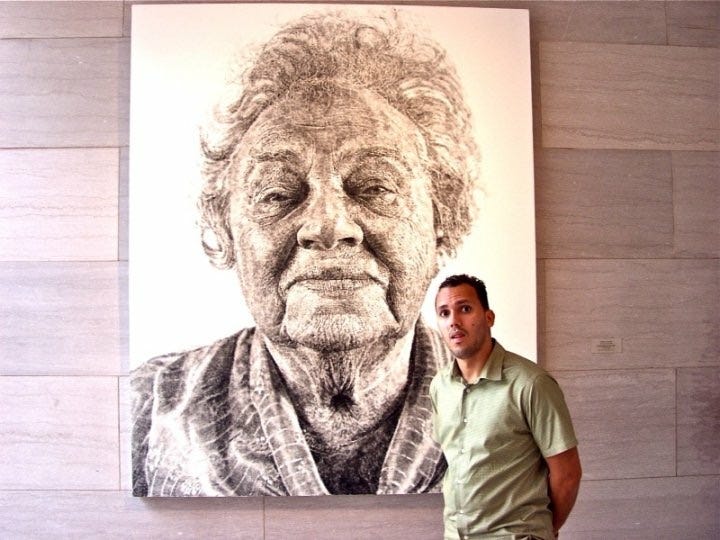
WO: For me the most important thing is not to sell, but to build a solid long-term career for the artist.
The gallerist has to help create structure and direction. My responsibility is to tell the artist what I understand is correct, without filters, even if it is not always the most comfortable. Not to impose a path, but to give them a second opinion and help them think through their decisions better and protect their process.
Accompanying an artist is covering all the bases. Sometimes it means giving them space; other times, sitting with them and asking what is going on. In the end, my role is to sustain a career vision.
“For me the most important thing is not to sell, but to build a solid long-term career for the artist.”
Today there are many people who want to get closer to collecting. For you, what qualities define a good collector?
WO: For me, the true collector buys with passion. They stop in front of a work, feel that something moves them and, from there, want to know more: to meet the artist, understand their process and get closer to their work in a deeper way. That type of collector also wants to help build the artist’s career.
Now, one thing is a collector and another is an investor. There is nothing wrong with investing, but it is not the same. A good collector combines that initial connection with criteria and knowledge. That is why, in my case, I try to give them context: to talk to them about trajectories, training and career development, so that that relationship with the work is also supported by a more informed perspective.
I also believe that a good collector has an honest relationship with the art ecosystem. It is not only about buying, but about understanding what that purchase implies within a broader network that involves the artist, the gallery and the institutions.
How do you see collecting in Puerto Rico?
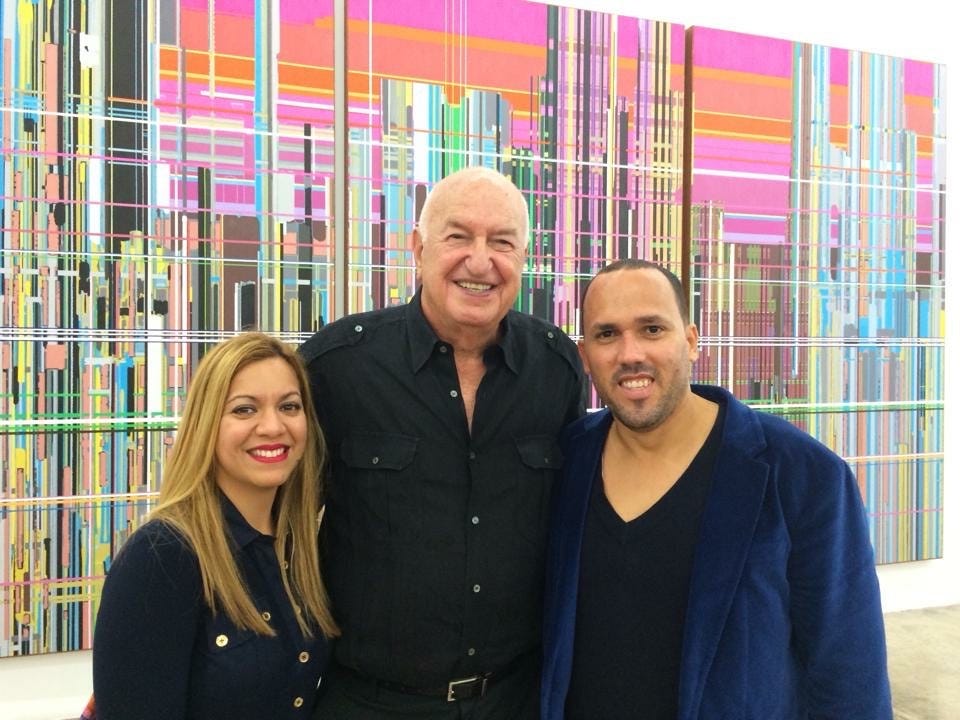
WO: Puerto Rico has a very strong tradition of collecting since the 80s. There was a group of collectors who traveled with the artists, supported them and followed their exhibitions in different countries. That created a very close community.
There was also a very important generational transmission. Parents took their children to galleries and artists’ studios. That generated cultural pride and a very direct connection with creators. The Circa fair, for example, managed to sell millions in art even in difficult moments for the economy.
What is still lacking is continuity between generations. Some young people do not want to continue their parents’ tradition, but at the same time there are others who are beginning to get involved.
You have spoken about the Caribbean as a bridge between the Global North and Latin America. What potential do you still see as underutilized?
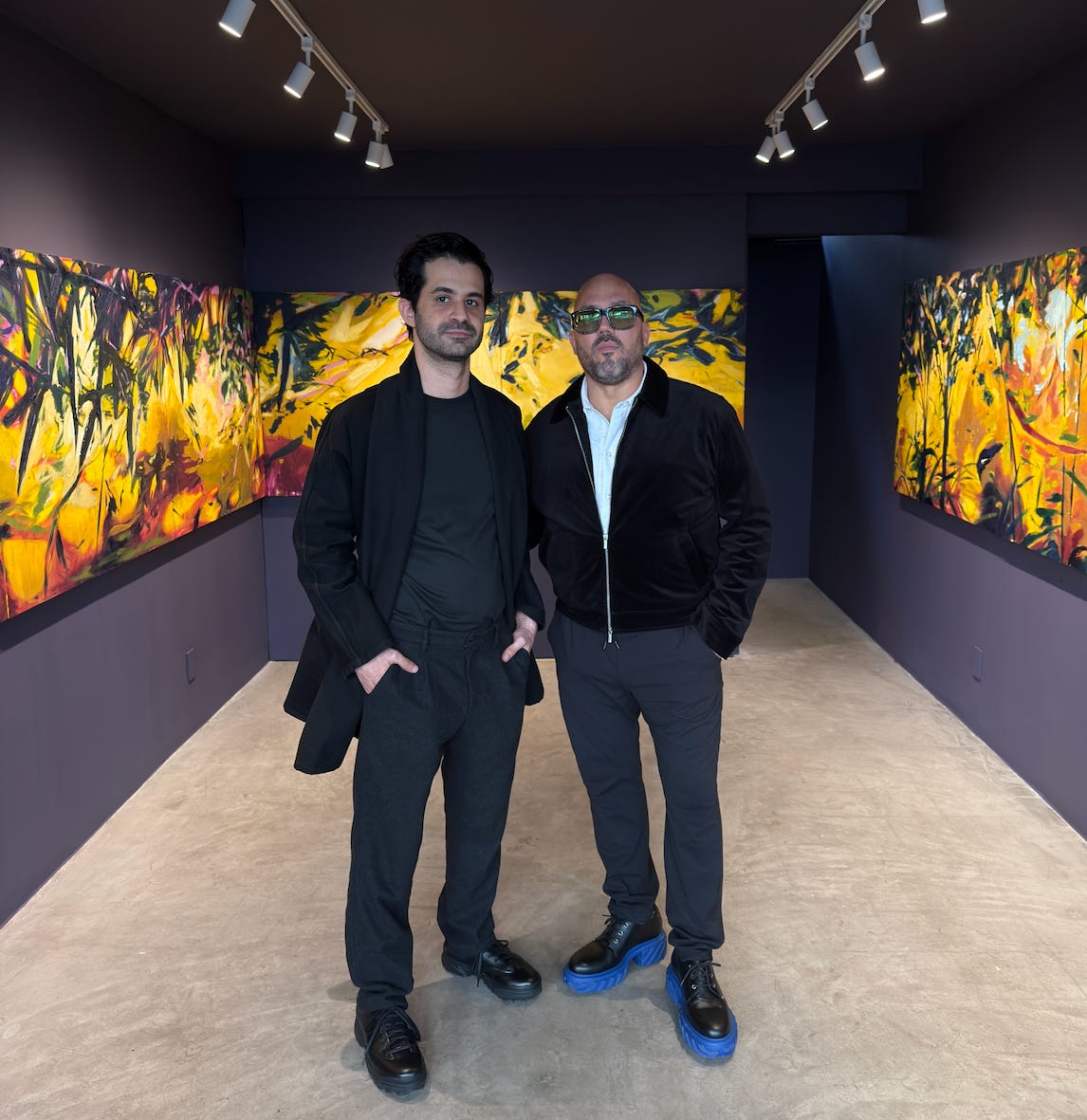
WO: The Caribbean is definitely a bridge between the Americas. I believe there is untapped potential in the lack of articulation between the islands themselves. The Caribbean is not as united as it should be, and many times recognition still comes first from outside instead of being built regionally. I have seen it, for example, in the Dominican Republic, where I have been working for more than ten years: for a long time many people preferred to buy art abroad rather than look at what they had next to them.
I also think that the Caribbean has historically functioned as a platform of connection, even toward the United States, but that strategic position has not always been fully taken advantage of. And there is another contradiction: both in the Caribbean and in Latin America we continue to look a lot toward Europe, especially Spain, when perhaps we should think more about the connections we have closer to us.
Right now there is indeed a stronger institutional interest in the Caribbean, but one also has to be careful with that, because sometimes it responds to a trend. That is why, more than insisting on the label, I believe the challenge lies in allowing that art to enter the system with more continuity and with a reading that is not limited only to the category of “the Caribbean.”
"The Caribbean is not as united as it should be, and many times recognition still comes first from outside instead of being built regionally."
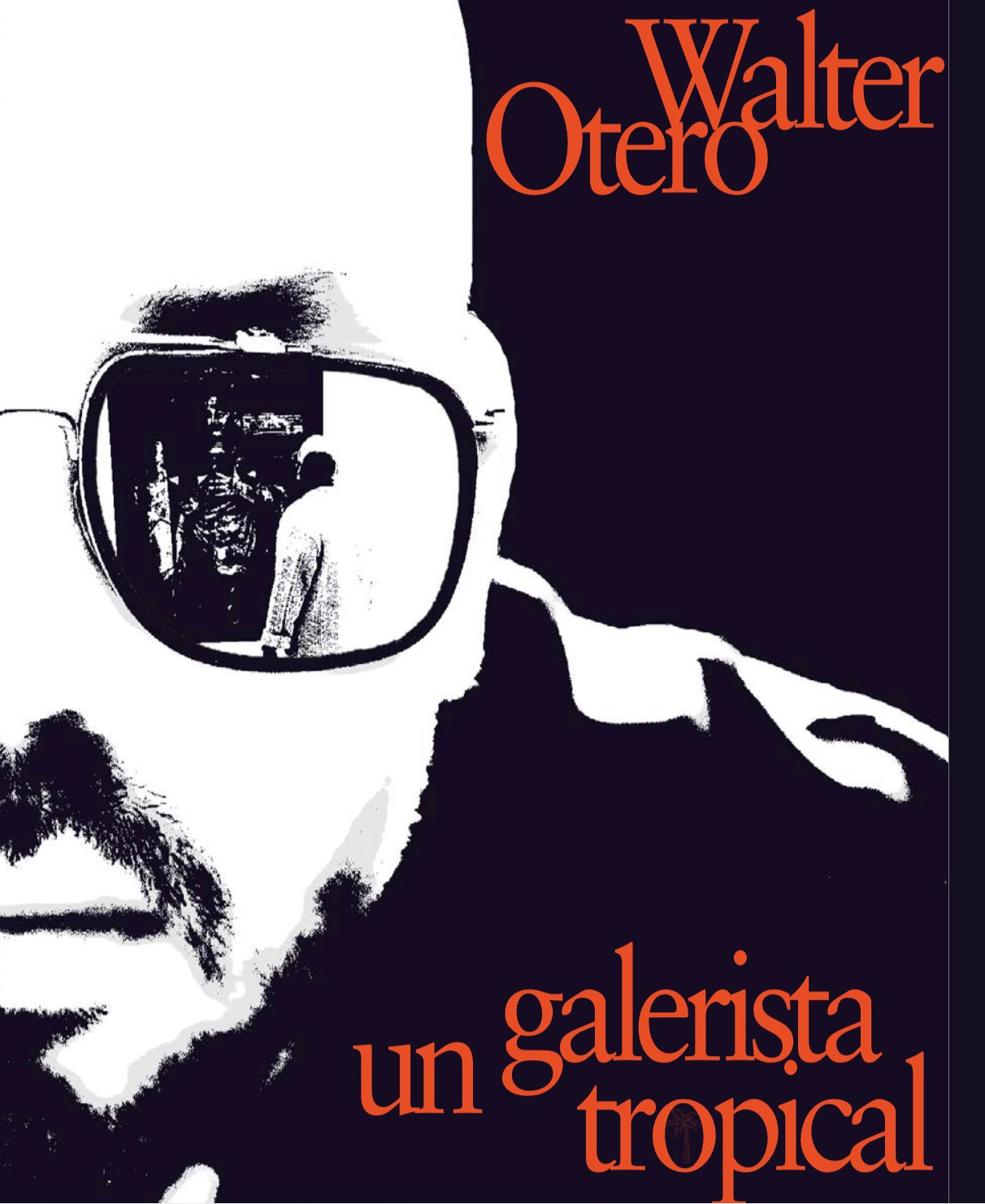
Your trajectory is now also captured in the book Walter Otero: un galerista tropical, which was just presented at the Museo Reina Sofía during the week of ARCO 2026. What does this project mean to you?
WO: It has been a very emotional experience. When the publisher Turner proposed the project to me, it seemed like a great opportunity, but I also had a very honest doubt: whether it would actually sell, whether anyone would be interested in reading a book about me. They, on the other hand, were always very clear that it would work and trusted in the publication from the beginning.
The process was very natural. A large part was built from conversations, voice messages, memories and images. I liked that, because it allowed for a book that is accessible, visual and close, not something heavy or pretentious. I was interested in it being easy to read and, at the same time, offering a view into the art world from my experience.
But beyond the editorial project, the book has a deeply personal weight for me. I come from a simple life, with many setbacks, and that is why all of this affects me in a very particular way. I even wanted to wait until arriving in Madrid to see it, because I knew it would affect me emotionally.
In the end, more than any presentation or recognition, the most important thing for me was to see my mother and my children get emotional with the dedication. The book is dedicated to the three of them and to Roche. My children were with me when I saw it for the first time, and that is when I really understood what it meant to me.
What advice would you give to the new generation of gallerists in Latin America?
WO: I would tell them to think more collectively. A small gallery can achieve great things if it knows how to collaborate with others and build networks.
It is also fundamental to think financially. If you do not have enough capital, look for partners. Many gallerists started that way: with someone who believed in a project and helped finance a fair or an exhibition. The important thing is to structure those agreements in a clear and fair way.
And, above all, to have patience and a long-term vision. In the art world, nothing is built overnight.
“In the art world, nothing is built overnight."
To learn more about Walter Otero, visit:
En conversación con: Walter Otero
Walter Otero es uno de los galeristas más importantes del Caribe y una presencia clave dentro del arte contemporáneo. Como fundador de Walter Otero Contemporary Art, ha desempeñado un papel crucial en la visibilidad y el reconocimiento internacional de artistas puertorriqueños y caribeños, al mismo tiempo que ha contribuido a consolidar la región como una fuerza clave en el arte contemporáneo global.
En esta entrevista, Walter reflexiona sobre su trayectoria poco convencional en el mundo del arte, las lecciones que aprendió de Arnaldo Roche y su manera de acompañar a los artistas a lo largo del tiempo. También habla sobre el coleccionismo, el papel del Caribe como puente cultural, la importancia de la colaboración entre galerías y su libro recientemente publicado Walter Otero: un galerista tropical.
Tu entrada al mundo del arte no fue tradicional. ¿Cómo empezó tu trayectoria y cómo fuiste formando tu mirada y sensibilidad como galerista a lo largo del camino?
WO: Mi trayectoria comenzó a mediados de los 90 cuando conocí al artista puertorriqueño Arnaldo Roche.
Nos habíamos visto en una charla, pero realmente nos hicimos amigos fuera del mundo del arte. Yo vivía en el oeste de Puerto Rico y un día, de pura casualidad, nos encontramos en un semáforo en San Juan y terminamos almorzando juntos. En esa conversación él comentó que necesitaba un asistente porque se iba a quedar una temporada en Puerto Rico. Yo me había salido de la escuela y siempre tuve mucha energía. Le pregunté qué tenía que hacer el asistente y me dijo: “tener iniciativa”. Entonces le propuse algo: trabajar un día gratis y si no le gustaba mi trabajo, no me pagaba. Empecé un lunes y ese mismo día me dijo que estaba contratado. Yo tenía como 16 años.
Trabajar con Roche me cambió la vida. Lo respetaba profundamente. Me enseñaba cómo hacer las cosas bien, con una disciplina casi absoluta. Con él empecé a ir a galerías, reuniones y aperturas, entendiendo poco a poco cómo funcionaba ese mundo.También me enseñó a acercarme al arte como un niño, dejando que la obra me conmueva primero, y luego, con el cuchillo en la boca, a analizarla, cuestionarla y mirarla críticamente.
Mi formación es en administración de empresas y mercadeo, no en arte; lo que sé lo fui aprendiendo trabajando, viajando con él, visitando museos y leyendo muchísimo. Al principio no quería ser galerista, me interesaba más trabajar cerca del artista, pensar estrategias y estructurar acuerdos. Pero cuando Roche rompe con sus galerías y empieza de cero, me toca asumir más responsabilidades. Ahí fue cuando realmente entré en el negocio.
“Trabajar con Roche me cambió la vida. Lo respetaba profundamente. Me enseñaba cómo hacer las cosas bien, con una disciplina casi absoluta."
¿Qué aprendiste de Arnaldo Roche que todavía guía tu manera de trabajar con artistas hoy?
WO: Él está en mí todos los días. Aunque yo no trabajo con la sucesión de Roche, su influencia sigue presente. Fue mi mentor, mi amigo, casi una figura paterna. Me enseñó muchas cosas más allá del arte: empatía, espiritualidad y, sobre todo, respeto por el proceso creativo.
Una de las cosas que más aplico hoy es no imponer a un artista lo que tiene que hacer. Si un artista quiere cambiar de dirección, mi responsabilidad es decir con honestidad cómo lo veo, sin filtros. Pero la decisión final es del artista. Esa franqueza también viene del entrenamiento que Roche tuvo en Estados Unidos: decir las cosas claras y sin rodeos.
También aprendí a entender el arte dentro de un ecosistema. El arte es cultura, pero también es un producto. Se vende, hay mercado, hay instituciones, hay coleccionistas. Todo está conectado. A veces a artistas o curadores les incomoda hablar de mercado, pero es parte de la realidad del sistema.
Roche también me enseñó a no cerrar la puerta demasiado rápido. Recuerdo la primera vez que vi una obra de Félix González-Torres y no la entendí. Roche me sugirió que leyera sobre él y su inspiración. Cuando entendí el contexto, me enamoré. Ese tipo de apertura fue fundamental.
¿Cómo entiendes tu papel como galerista en el acompañamiento de un artista?
WO: Para mí lo más importante no es vender, sino construir una carrera sólida a largo plazo para el artista.
El galerista tiene que ayudar a crear estructura y dirección. Mi responsabilidad es decirle al artista lo que entiendo que es correcto, sin filtros, aunque no siempre sea lo más cómodo. No para imponerle un camino, sino para darle una segunda opinión y ayudarlo a pensar mejor sus decisiones y proteger su proceso.
Acompañar a un artista es cubrir todas las bases. A veces implica darle espacio; otras veces, sentarse con él y preguntarle qué le está pasando. Al final, mi rol es sostener una visión de carrera.
“Para mí lo más importante no es vender, sino construir una carrera sólida a largo plazo para el artista."
Hoy hay muchas personas que quieren acercarse al coleccionismo. Para ti, ¿qué cualidades definen a un buen coleccionista?
WO: Para mí, el verdadero coleccionista compra con pasión. Se detiene frente a una obra, siente que algo lo conmueve y, a partir de ahí, quiere saber más: conocer al artista, entender su proceso y acercarse a su trabajo de una manera más profunda. Ese tipo de coleccionista también quiere ayudar a construir la carrera del artista.
Ahora bien, una cosa es un coleccionista y otra un inversionista. No hay nada de malo con invertir, pero no es lo mismo. Un buen coleccionista combina esa conexión inicial con criterio y conocimiento. Por eso, en mi caso, procuro darles contexto: hablarles de trayectorias, formación y desarrollo de carrera, para que esa relación con la obra también esté sostenida por una mirada más informada.
También creo que un buen coleccionista tiene una relación honesta con el ecosistema del arte. No se trata solo de comprar, sino de entender lo que esa compra implica dentro de una red más amplia que involucra al artista, la galería y las instituciones.
¿Cómo ves el coleccionismo en Puerto Rico?
WO: Puerto Rico tiene una tradición de coleccionismo muy fuerte desde los años 80. Había un grupo de coleccionistas que viajaba con los artistas, los apoyaba y seguía sus exposiciones en distintos países. Eso creó una comunidad muy cercana.
También había una transmisión generacional muy importante. Los padres llevaban a sus hijos a las galerías y a los estudios de los artistas. Eso generaba orgullo cultural y una conexión muy directa con los creadores. La feria Circa, por ejemplo, llegó a vender millones en arte incluso en momentos difíciles para la economía.
Lo que todavía falta es continuidad entre generaciones. Algunos jóvenes no quieren seguir la tradición de sus padres, pero al mismo tiempo hay otros que sí están empezando a involucrarse.
Has hablado del Caribe como puente entre el Norte Global y América Latina. ¿Qué potencial ves todavía desaprovechado?
WO: El Caribe es definitivamente un puente entre las Américas. Creo que hay un potencial desaprovechado en la falta de articulación entre las propias islas. El Caribe no está tan unido como debería estar, y muchas veces el reconocimiento sigue llegando primero desde afuera en vez de construirse regionalmente. Yo lo he visto, por ejemplo, en República Dominicana, donde llevo más de diez años trabajando: durante mucho tiempo mucha gente prefería comprar arte afuera antes que mirar lo que tenía al lado.
También me parece que el Caribe ha funcionado históricamente como una plataforma de conexión, incluso hacia Estados Unidos, pero ese lugar estratégico no siempre se ha aprovechado del todo. Y hay otra contradicción: tanto en el Caribe como en América Latina seguimos mirando mucho a Europa, especialmente a España, cuando quizá deberíamos pensar más en las conexiones que tenemos más cerca.
Ahora mismo sí hay un interés institucional más fuerte por el Caribe, pero también hay que tener cuidado con eso, porque a veces responde a una tendencia. Por eso, más que insistir en la etiqueta, yo creo que el reto está en que ese arte pueda entrar al sistema con más continuidad y con una lectura que no se limite solo a la categoría de “lo caribeño”.
“El Caribe no está tan unido como debería estar, y muchas veces el reconocimiento sigue llegando primero desde afuera en vez de construirse regionalmente.”
Tu trayectoria ahora también queda recogida en el libro Walter Otero: un galerista tropical, que se acaba de presentar en el Museo Reina Sofía durante la semana de ARCO 2026. ¿Qué significa para ti este proyecto?
WO: Ha sido una experiencia muy emocional. Cuando la editorial Turner me planteó el proyecto me pareció una gran oportunidad, pero también me surgió una duda muy honesta: si realmente se iba a vender, si a alguien le interesaría leer un libro sobre mí. Ellos, en cambio, siempre tuvieron muy en claro que iba a funcionar y confiaron en la publicación desde el inicio.
El proceso fue muy natural. Gran parte se construyó a partir de conversaciones, mensajes de voz, recuerdos e imágenes. Eso me gustó, porque permitió hacer un libro accesible, visual y cercano, no algo pesado ni pretencioso. Me interesaba que pudiera leerse con facilidad y que, al mismo tiempo, ofreciera una mirada al mundo del arte desde mi experiencia.
Pero más allá del proyecto editorial, el libro tiene para mí un peso profundamente personal. Yo vengo de una vida sencilla, con muchos tropiezos, y por eso todo esto me toca de una manera muy particular. Incluso quise esperar hasta llegar a Madrid para verlo, porque sabía que me iba a afectar emocionalmente.
Al final, más que cualquier presentación o reconocimiento, lo más importante para mí fue ver a mi mamá y a mis hijos emocionarse con la dedicatoria. El libro está dedicado a ellos tres y a Roche. Mis hijos estaban conmigo cuando lo vi por primera vez, y ahí entendí realmente lo que significaba para mí.
¿Qué consejo le darías a la nueva generación de galeristas de América Latina?
WO: Les diría que piensen más en colectivo. Una galería pequeña puede lograr cosas grandes si sabe colaborar con otras y construir redes.
También es fundamental pensar financieramente. Si no tienes suficiente capital, busca aliados. Muchos galeristas empezamos así: con alguien que creyó en un proyecto y ayudó a financiar una feria o una exposición. Lo importante es estructurar esos acuerdos de manera clara y justa.
Y, sobre todo, tener paciencia y visión a largo plazo. En el mundo del arte, nada se construye de un día para otro.
““En el mundo del arte, nada se construye de un día para otro.”
Para saber más sobre Walter Otero, visita: