


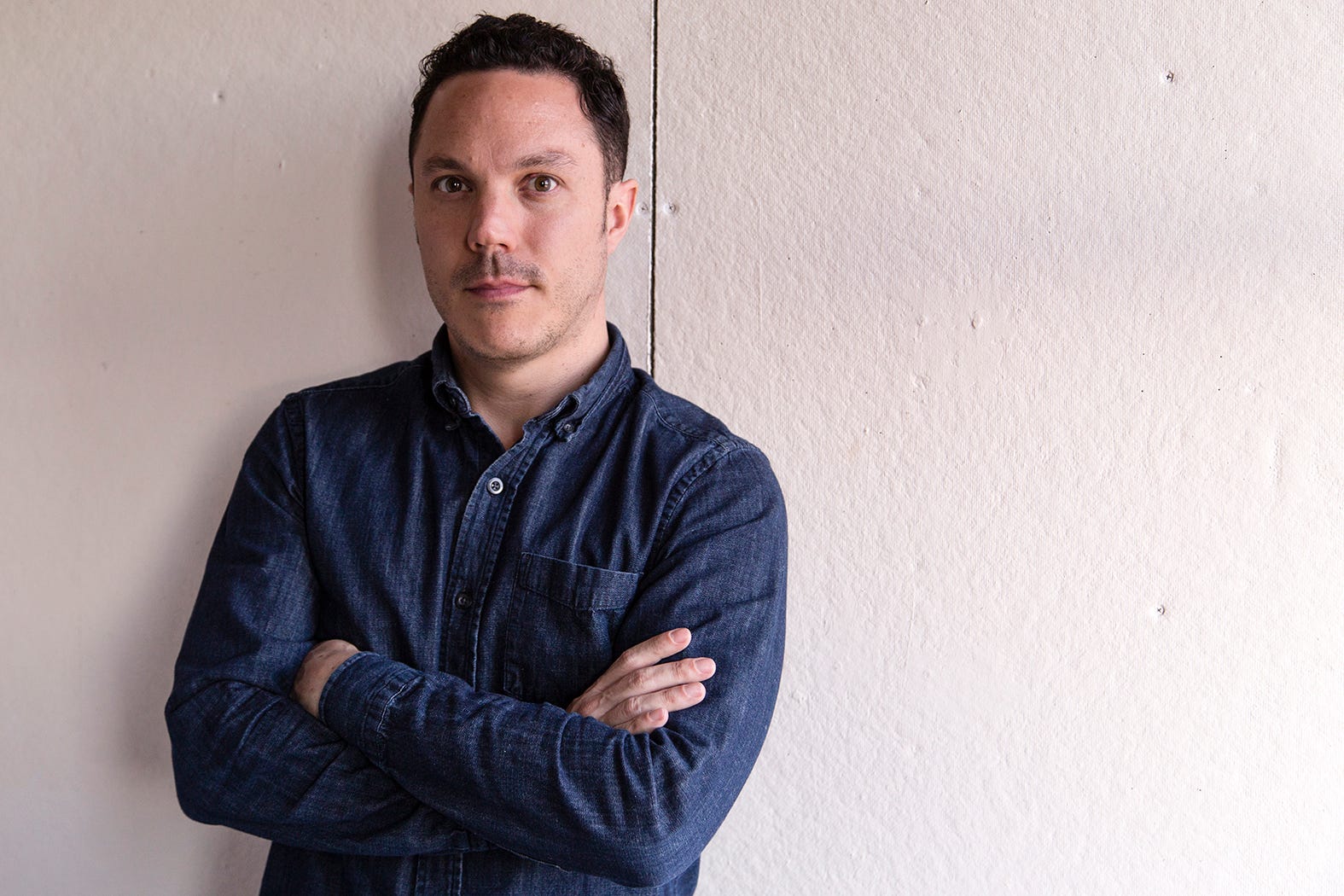

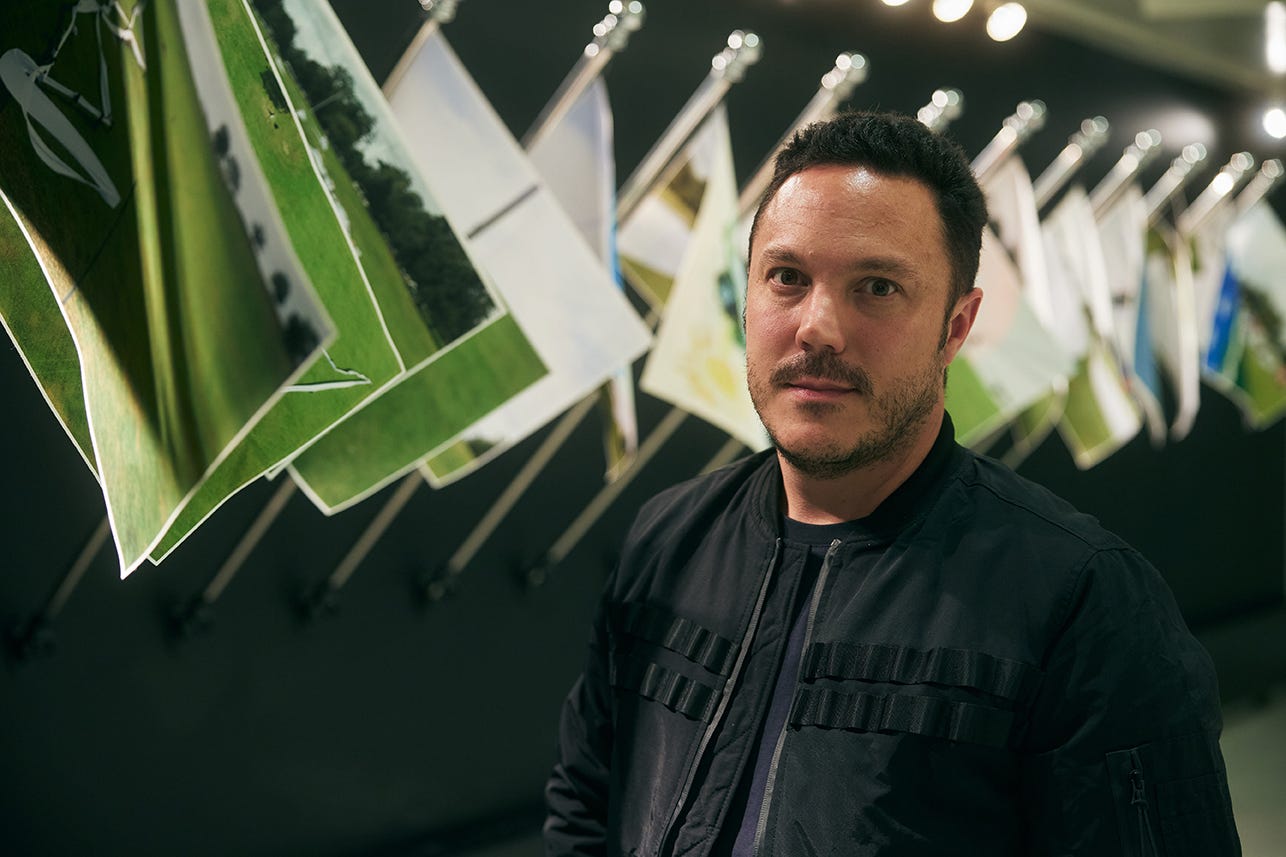
Miguel Braceli is the founder of LA ESCUELA___, an artist-run platform for radical learning in public spaces.
With a passion for art and education, and how they can cohabit in public spaces, Miguel, in collaboration with Siemens Stiftung International, has created a non-conventional “school” that allows artists, collectives, organisations, institutions and communities to work and learn together about different methodologies and practices tailored to specific social realities. In this interview, Miguel shares with us his experience building this platform, his vision, and challenges he faced along the way. He also explains the importance of art schools moving beyond the "white box" concept and encourages them to transform into more experimental environments for creative research.
Q: Tell us more about yourself and how your desire to start “LA ESCUELA___” came about.
Miguel Braceli: I discovered art when I started my career as a teacher, working with my students on projects in public spaces and communities. From those experiences, I began to discover the possibilities of education as an artistic practice, which is the conceptual basis of “LA ESCUELA___”. In 2020, I wrote an essay titled “La Escuela Desnuda” (The Naked School), which uses the metaphor of a building without walls to explore how education can live outside of institutions, such as schools, universities or museums, and connect with the reality that surrounds them. I wanted to learn from that reality and, at the same time, contribute to it.
In this post-pandemic context, “La Escuela Desnuda” became a virtual platform to develop online and on-site projects in a decentralized way. As a consequence, “LA ESCUELA___” was born as an art and education platform that links artistic practices with specific social realities, either through face-to-face or digital projects. It has evolved into an art and education network in Latin America, where the most significant things today are the network itself, the large community of artists, projects and organizations. They all contribute to this dynamic archive of collaborative practices.
“LA ESCUELA___” is a project in collaboration with the Siemens Stiftung International, an institution I had worked with as an artist in other opportunities. I approached them with the idea of developing this project that included: “classrooms” in public spaces, online “labs”, a library with content and editorial publications. As we moved forward, we also introduced the Journal, a biannual academic publication with a focus on artistic research, architectural competitions to build “escuelas”, and many other community projects that articulate art, architecture and education.
Q: “LA ESCUELA___”, like any educational institution, offers two academic semesters per year. How do you choose the curatorial axes that determine the themes to be addressed each semester?
Miguel Braceli: The curatorial axes arise from the collaboration with what we call “academic guests”, which we manage each semester or year. We always work with external figures that sharpen our gaze and broaden the network. For me, one of the most important attributes is the articulation of key figures of international recognition with artists of great value but with local or regional impact.
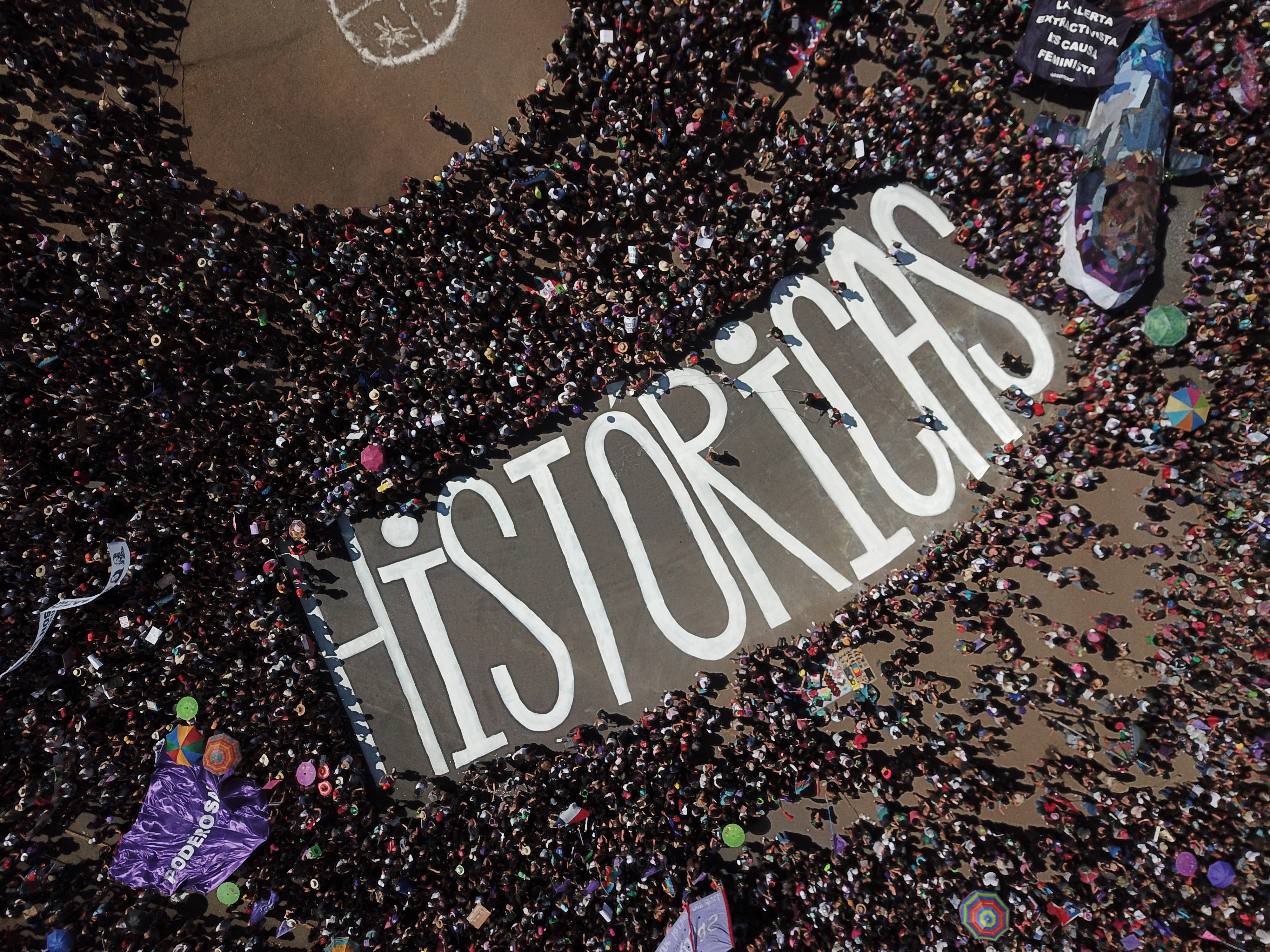
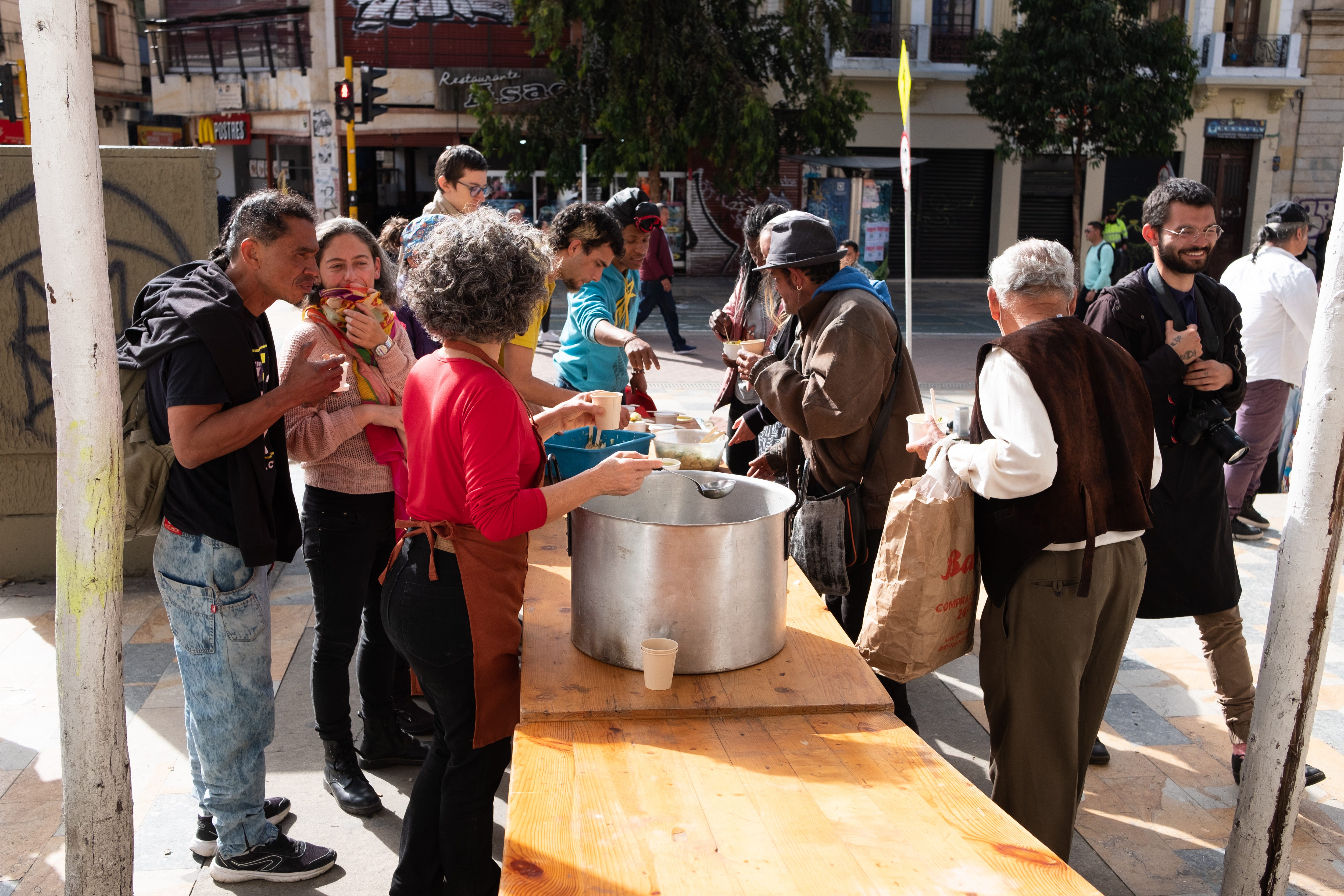
In the first year of “LA ESCUELA___” we made an effort to map, record and invite key people from the arts and education world, such as Luis Camnitzer or Cecilia Vicuña. During that time, our focus was more towards decentralization, both of places for on-site projects and artists to research or collaborate, seeking to give voice to people who have been overlooked in history, practices that have not received the recognition they deserve or peripheral organizations that don't usually have as many opportunities. This has been expanded not only as a curatorial project, but also through “open calls” to broaden and democratize access to the platform.
Thanks to these initiatives, we could start to create a map of Latin America, including extremely important referents, such as, for example, Marta Rodriguez in Colombia, Gloria Cáceres Vargas in Peru, or Beatriz Nascimento in Brazil. I believe that the way we have been decentralizing the attention of internationally recognized figures to the local scenes of each context is one of the greatest efforts we have worked on so far, and it is in that diversity that the project gains value as a platform and network for art and education.
“I believe that the way we have been decentralizing the attention of internationally recognized figures to the local scenes of each context is one of the greatest efforts we have worked on so far. It is in that diversity that the project gains value as a platform and network for art and education.”
Q: “LA ESCUELA___” focuses on Latin America. Why did you decide to focus on this region, beyond being Latin American yourself?
Miguel Braceli: Latin American art and education practices have a lot to offer in the global context. There is a tradition of artist educators working with experimental projects, as well as a diversity of alternative and self-managed projects that deserve to be studied and shared.
In Latin America, whether due to precarious circumstances or resistance to political and social complexities, a large number of initiatives have been generated in the past and in the present; initiatives that should be studied and projects that should be supported for their growth. From different perspectives, they propose work, collaboration and learning methodologies that we want to make visible in “LA ESCUELA___”.
Our objective is to form an interregional network in the continent and, at the same time, to share these practices on a broader scale, seeking to offer these experiences as references of learning practices for other communities outside Latin America. Our interest in this region lies in the relevance and quality of these initiatives, capable of making a valuable contribution in a global scenario.
Q: What is your long-term vision for this project?
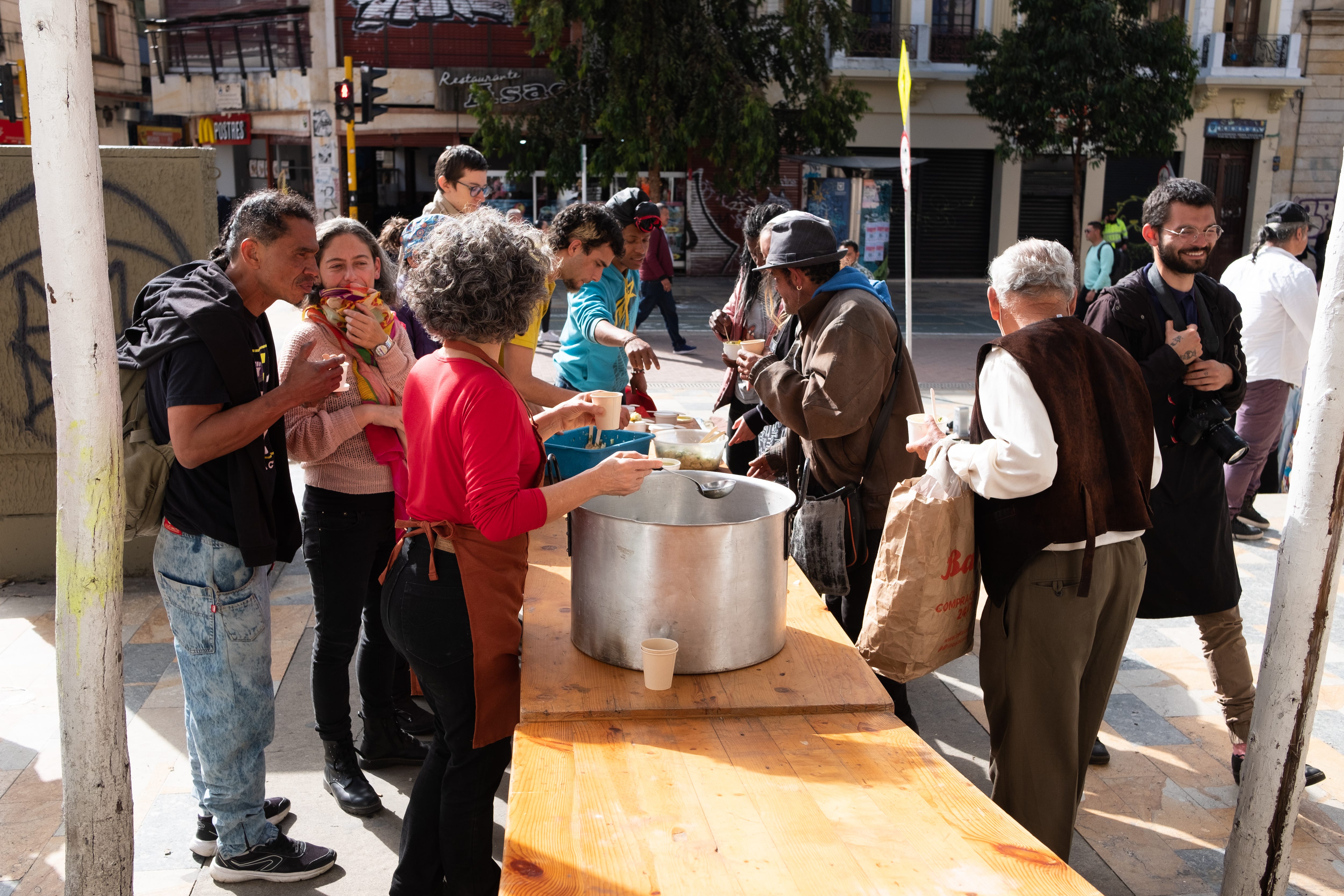
Miguel Braceli: The idea is to continue developing projects and expanding the network of artists and organizations, as well as implementing more on-site initiatives to strengthen community ties and ensure sustainability of impact.
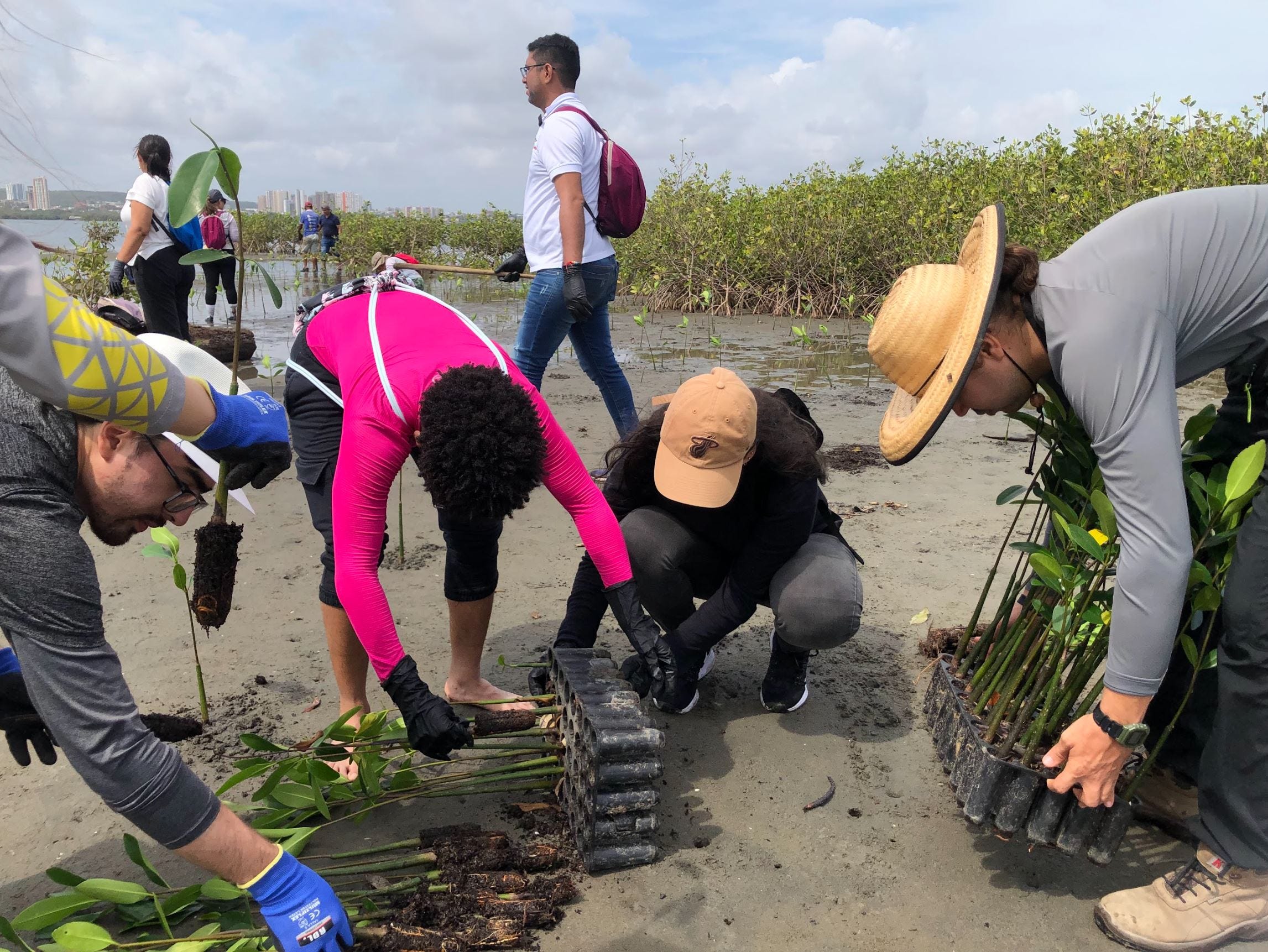
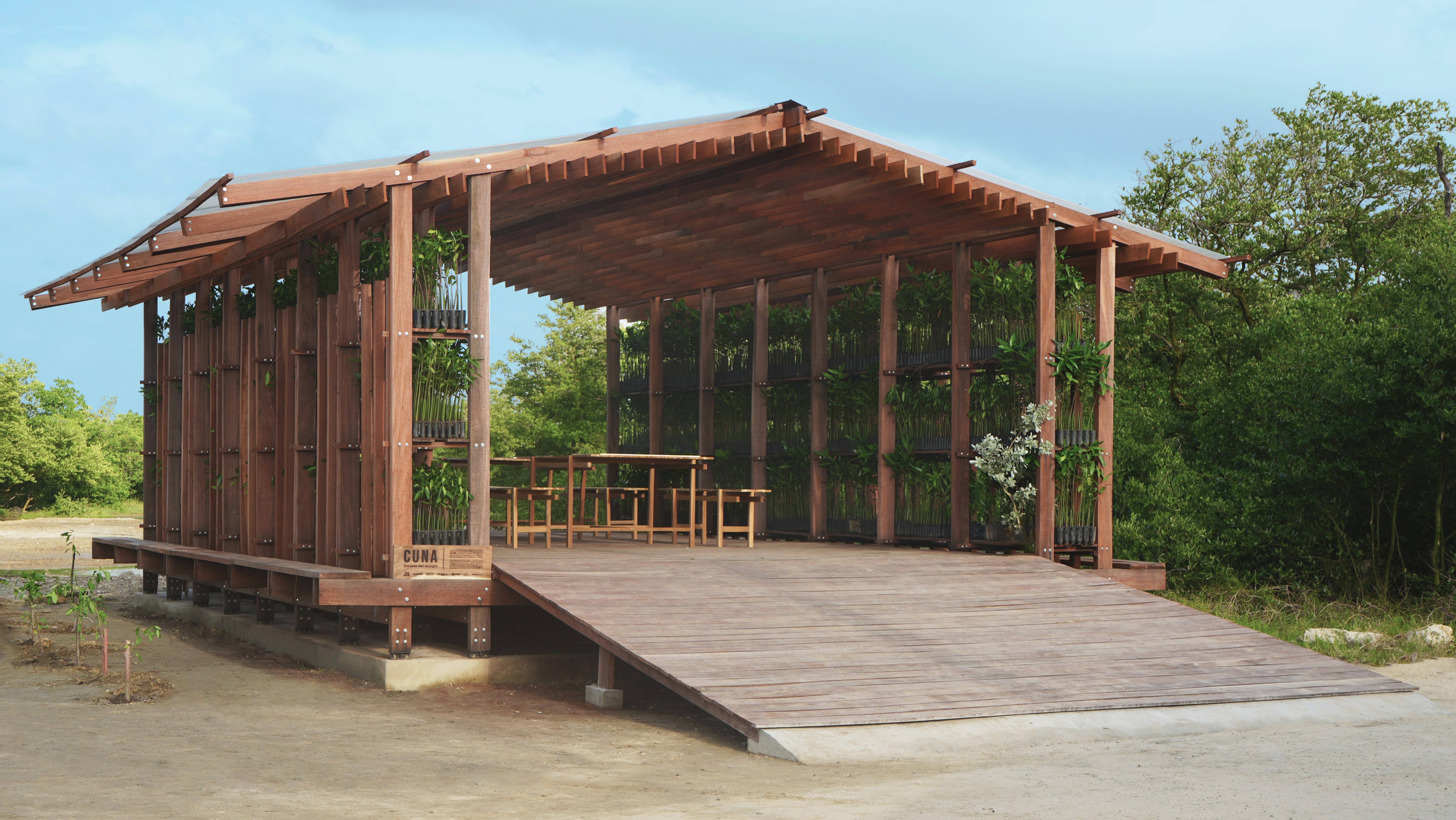
Last year, we inaugurated the first autonomous site of “LA ESCUELA___”, which arose from the project “Construir Escuelas ___ Espacios Públicos” (Building Schools ___ Public Spaces). It was an open invitation addressed to architecture offices to collaborate with communities and educational organizations and submit joint proposals. The winner was “Cuna”, a project in the Ciénaga de Mallorquín in Barranquilla, Colombia. The concept of “cuna” refers to a space that houses the mangrove when it is born and then moves it into place, resulting in an open and flexible structure.
From this, educational programs and activities are also developed on site. “Construir Escuelas ___ Espacios Públicos” is a significant project that we wish to continue and expand in the region, exploring how these physical, self-contained venues can emerge in specific locations.
In addition, we plan to expand our platform beyond Latin America; this year we are opening a non-profit organization in New York. The goal is to foster an exchange between Latin America and the BIPOC community in the United States, developing programs and institutional alliances that are articulated throughout the continent.
“The idea is to continue developing projects and expanding the network of artists and organizations, as well as implementing more on-site initiatives to strengthen community ties and ensure sustainability of impact”
Q: In the current political landscape in the United States, it is now more crucial than ever to promote projects that foster this intercultural exchange.
Miguel Braceli: In the current global context, it is even more important to generate independent, critical and experimental initiatives from diverse perspectives. Projects capable of defining their own research, articulating relevant topics and, at the same time, operating as spaces of resistance against power structures. In addition, it is essential to have a network of community organizations that can self-finance and self-govern by uniting local and international leadership for access to education. In general, we are in a global political landscape, where it is becoming increasingly urgent to generate plural spaces, tensioned by learning and sustained by public education infrastructures.
“In the current global context, it is even more important to generate independent, critical and experimental initiatives from diverse perspectives. Projects capable of defining their own research, articulating relevant topics and, at the same time, operating as spaces of resistance against power structures”
Q: Could you tell us about a project you have carried out with “LA ESCUELA___” that has impressed you for its impact on the community?
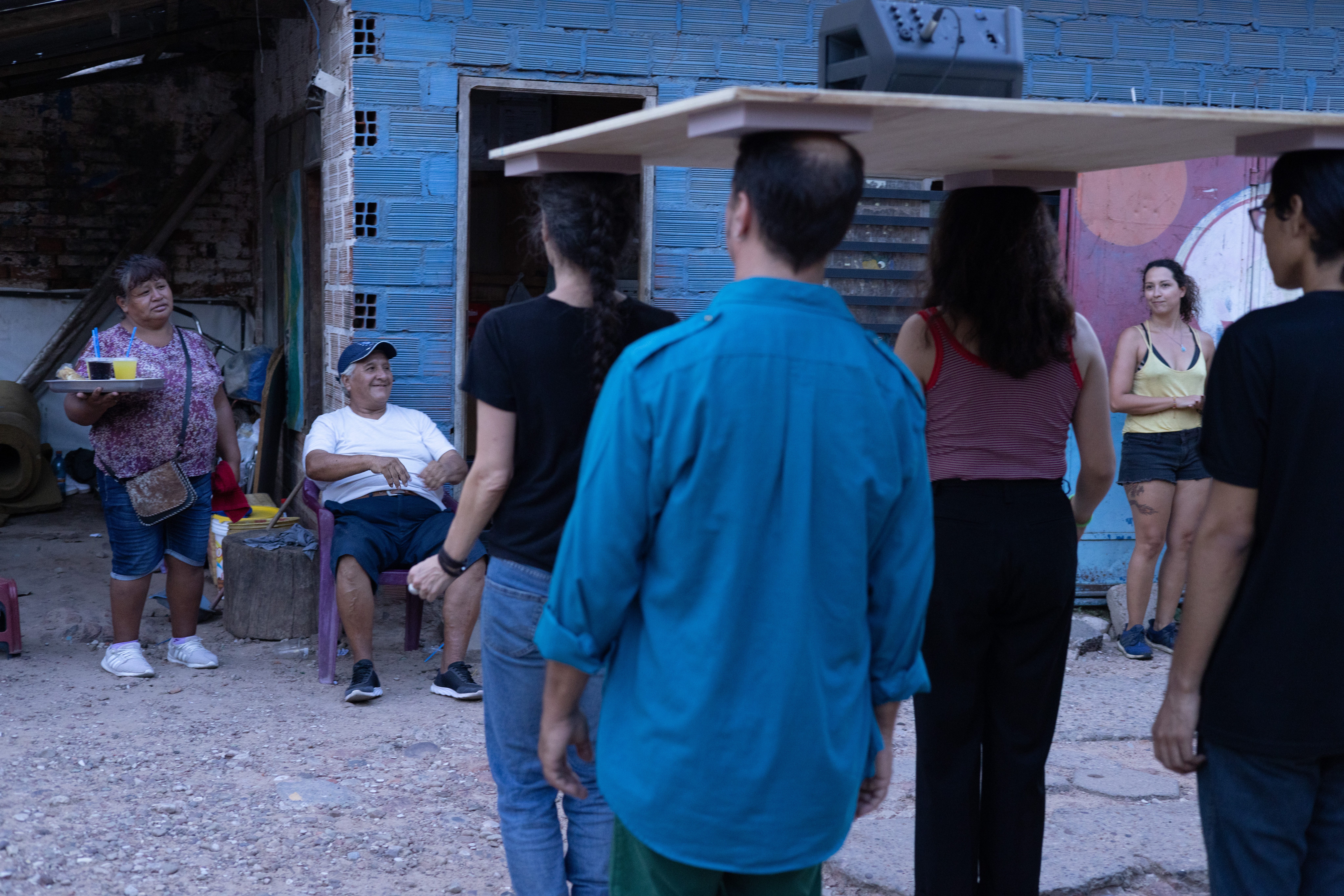
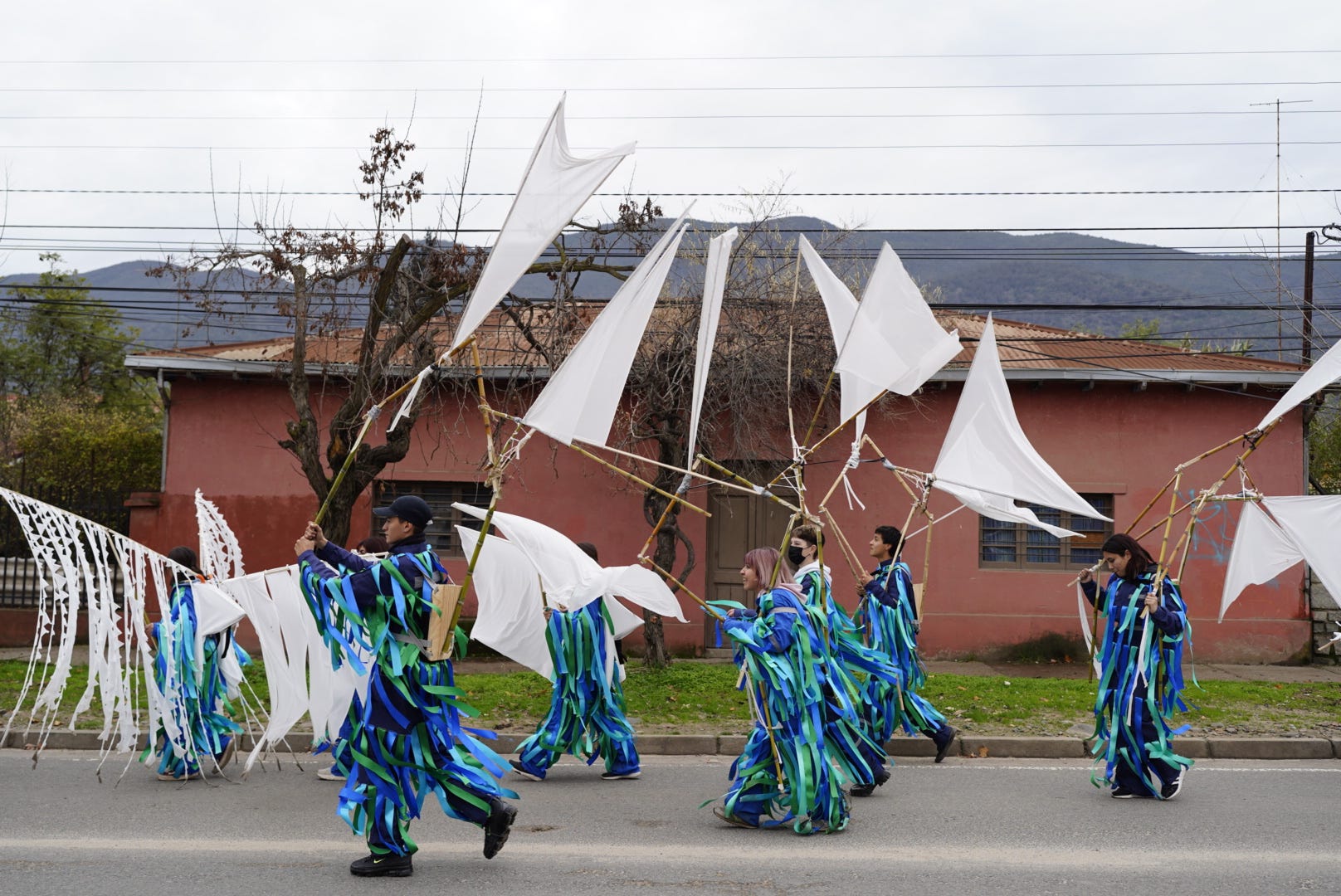
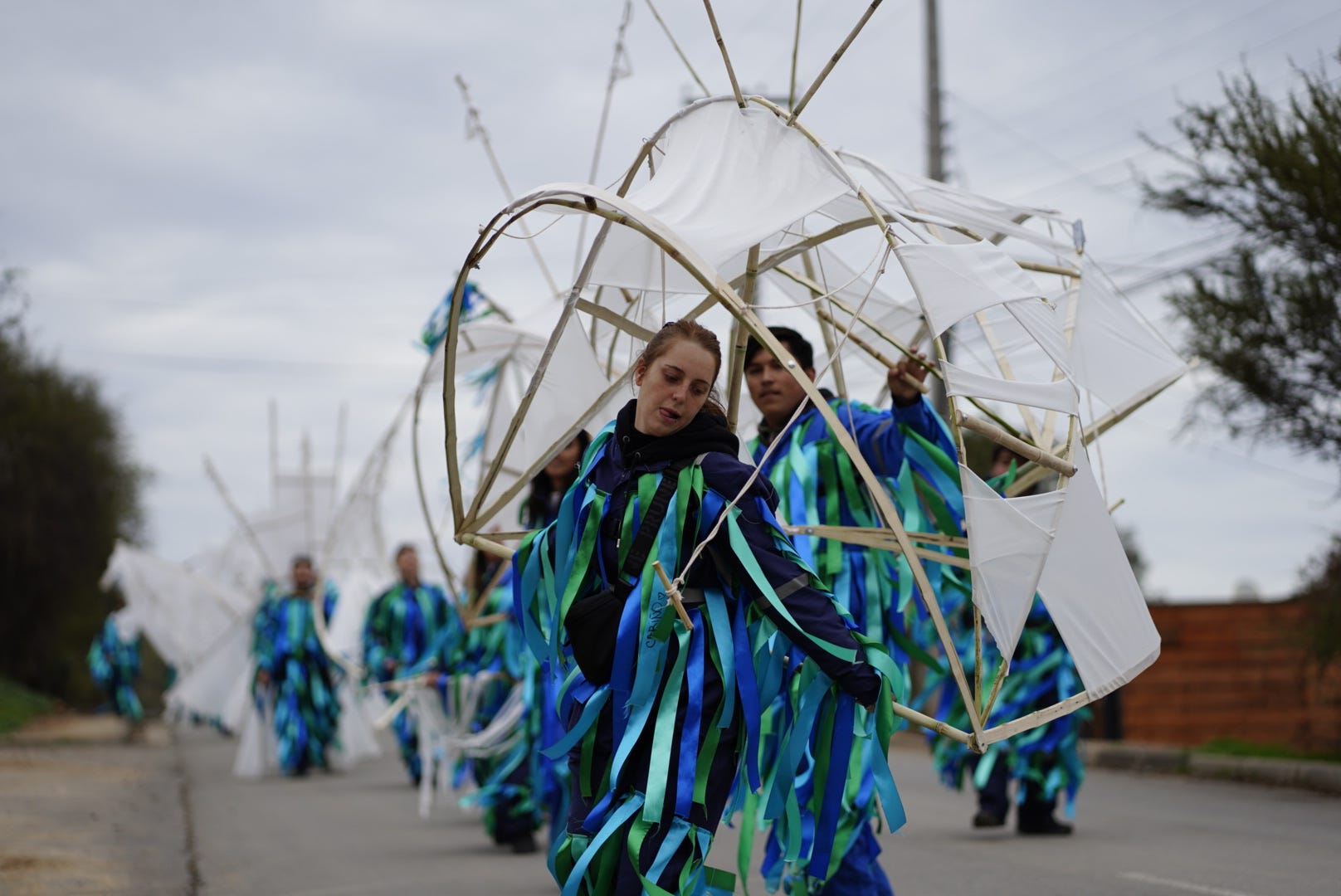
Miguel Braceli: “Cuna” developed by La Orilla, OAU, Asoplaya and Cayena, is especially valuable to me, because it is the first permanent project that we have built as a physical space, which ensures another model of sustainability and community articulation. “Acualiteracias” guided by Daniela Medina Posch and Elizabeth Gallón Droste has been one of the most outstanding ‘labs’ to create a wide network around the topic of water, ecology and community in Latin America. As for the “classrooms”, one of my favorite projects was that of artist Laura Anderson Barbata in collaboration with Ciudad Abierta in Chile. This artistic project called “La experiencia de lo común” (The experience of the common) began looking for new forms of education and developing experimental proposals related to the body and collaboration in the territory by integrating local festivities and the fishing community in Valparaiso.
Q: We have noticed that ecology is an important aspect of your work. What led you to focus on it?
Miguel Braceli: “LA ESCUELA___” arose as a project focused on art and education, but from there, its own community has begun to develop topics of interest that we consider relevant. Among them are environmental practices, feminisms and ancestral and indigenous cultures.
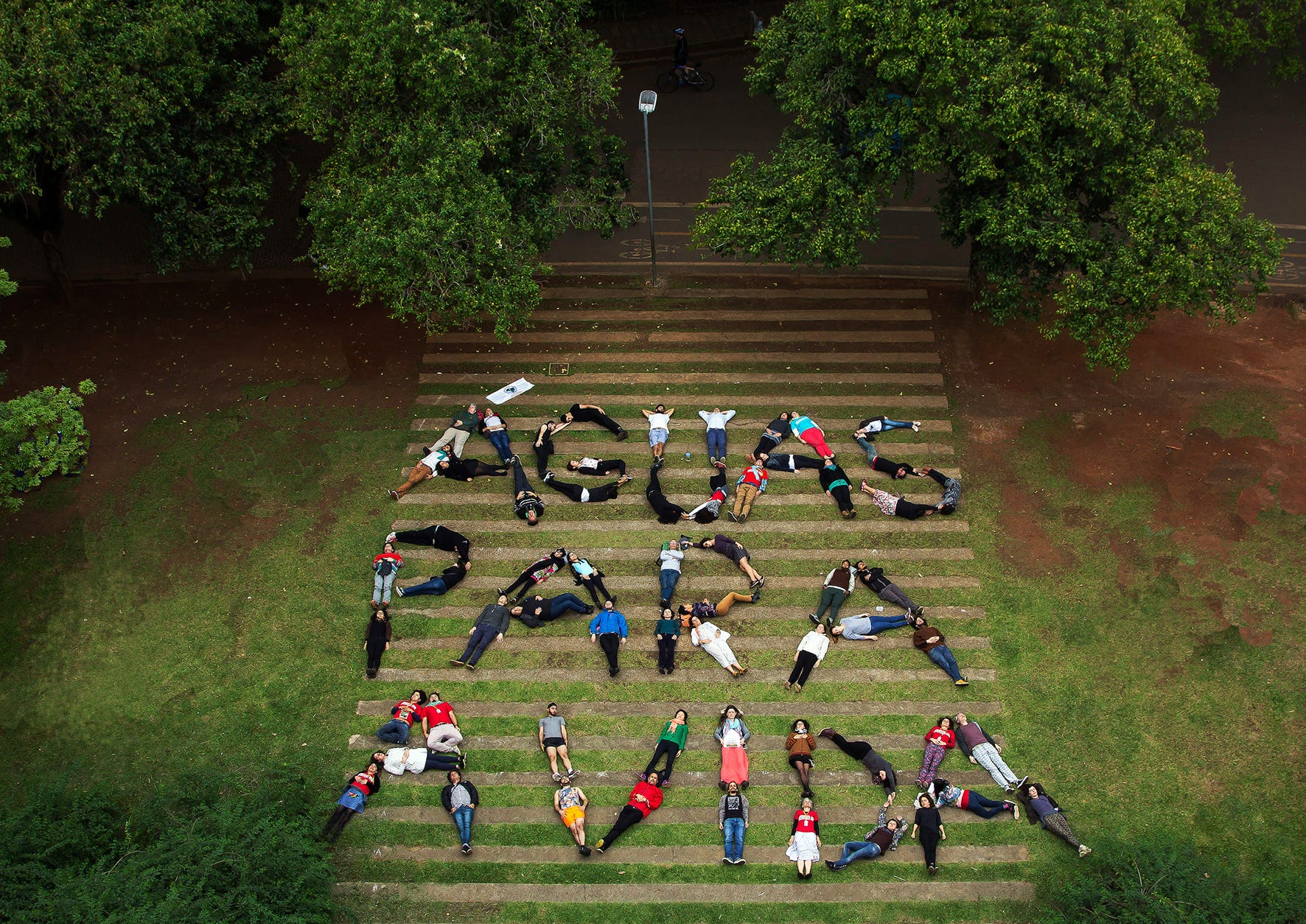
Within environmental practice, we have been working not only on cases such as the selection of projects like “Cuna”, but also on the Journal, our biannual publication. Our first edition was edited by Lisa Blackmore and Alejandro Ponce de León, addressing art education linked to “Culturas Hidrocomunes” working with liquid pedagogies and care practices on water issues. We have also carried out “labs” such as “Aqualiteracias”, which brought together diverse practices around water systems in Latin America. In cases like these you can see how small and local projects can contribute to broader environmental practices when knowledge and experiences are shared, enriching the understanding of the diversity of these ecosystems at an interregional level.
“LA ESCUELA___” arose as a project focused on art and education, but from there, its own community has begun to develop topics of interest that we consider relevant. Among them are environmental practices, feminisms and ancestral and indigenous cultures”
Q: With so many projects underway, how do you measure the success of these initiatives?
Miguel Braceli: Each project has its own definitions of success. For me, the most important thing is the experience that remains in the participants and the place itself, which sows with its own harvest times. You can see this in the rotation of roles within “LA ESCUELA___”: as artists are invited to develop projects in other regions, then become hosts to new artists in their communities; or when people continue to get involved, keeping in touch and collaborating together to start new projects and even independent of our platform.
The recent “Educación y arte en territorio” (Education and art in territory) meeting that we developed in collaboration with Malba and the Pinacoteca de São Paulo had a massive participation of artists, educators and organizations from Latin America. which was a good opportunity to measure the interest in the central themes of “LA ESCUELA___”.
Q: How do you see the role of art schools in an increasingly digital and globalized world?
Miguel Braceli: In a world that is becoming increasingly digital and with more technical tools, such as artificial intelligence, art schools have a great responsibility. Artificial intelligence can be a valuable resource that we must explore and take advantage of. However, the challenge for education is to aim for sensitivity and creativity both in learning methodologies and in knowledge itself. From art education this also implies detaching from the logics of the market and the art system itself to become experimental spaces for creative research.
It is crucial that art schools can develop spaces beyond the “white box” practices and ground projects in the social realities of specific sites. For decades, art has been developing experimental practices outside the white cube that should also be incorporated into education as learning methodologies. This reflection stems from a critique of art education, pointing out that schools should be more than exhibition spaces; they should be true places of experimentation and freedom.
“It is crucial that art schools can develop spaces beyond the “white box” practices and ground projects in the social realities of specific sites”
Q: What challenges have you faced in starting “LA ESCUELA___”?
Miguel Braceli: The main challenge has been to communicate the non-traditional model we follow and the variety of initiatives we welcome so that the project can serve and be appropriated by people. It is not a conventional school, nor a magazine or a network of institutional alliances; “LA ESCUELA___” fulfills different roles that it integrates in a creative way as an artistic project and an educational platform. For me, the challenge is to be able to offer an open structure, with a variety of programs, working methods and forms of collaboration so that the platform can be inhabited and continue to be transformed by its community.
Q: What motivates you the most to continue with this project?
Miguel Braceli: The interest of artists, collectives, organizations and institutions in the platform, and the community that has been generated around this project; this is a commitment as well as a motivation, both for me and for the whole “LA ESCUELA___” team.
As an artist, what inspires me the most is to experience how art and education practices are developed in public spaces in other contexts. It motivates me to learn from different methodologies and processes, where artists face similar situations but respond in completely different ways. Learning from this diversity and building a platform on this diversity of artistic-educational practices is the greatest motivation to continue with “LA ESCUELA___”.
“Learning from this diversity and building a platform on this diversity of artistic-educational practices is the greatest motivation to continue with “LA ESCUELA___”
To know more about Miguel Braceli and LA ESCUELA___, visit:

Miguel Braceli es el fundador de LA ESCUELA___ , una plataforma gestionada por artistas para el aprendizaje radical en espacios públicos.
Apasionado por el arte y la educación, y por cómo pueden cohabitar en espacios públicos, Miguel, en colaboración con la Fundación Internacional Siemens, ha creado una “escuela” no convencional que permite a artistas, colectivos, organizaciones, instituciones y comunidades trabajar y aprender juntos sobre diferentes metodologías y prácticas adaptadas a realidades sociales específicas. En esta entrevista, Miguel comparte con nosotros su experiencia construyendo esta plataforma, su visión y los retos a los que se enfrentó en el camino. También explica la importancia de que las escuelas de arte superen el concepto de “caja blanca” y las anima a transformarse en entornos más experimentales para la investigación creativa.
P: Cuéntanos un poco más sobre ti y de cómo surgió tu deseo de empezar “LA ESCUELA___”
Miguel Braceli: Yo descubrí el arte cuando empecé mi carrera como profesor, trabajando con mis estudiantes en proyectos en el espacio público y comunidades. A partir de esas experiencias, empecé a descubrir las posibilidades de la educación como práctica artística, que es la base conceptual de “LA ESCUELA___”. En el 2020, escribí un ensayo titulado "La Escuela Desnuda", el cual utiliza la metáfora de un edificio sin paredes para explorar cómo la educación puede salir de las instituciones, como las escuelas, universidades o museos, y conectarse con la realidad que las rodea. Quería aprender de esa realidad y, al mismo tiempo, contribuir a ella.
En este contexto post-pandemia, "La Escuela Desnuda" se transformó en una plataforma virtual para desarrollar proyectos en línea y en sitio de manera descentralizada. Así nació “LA ESCUELA___”, como una plataforma de arte y educación para vincular prácticas artísticas con realidades sociales específicas, ya sea a través de proyectos presenciales o digitales. Ha evolucionado hasta convertirse en una red de arte y educación en Latinoamérica, donde lo más significativo hoy en día es la red misma, nuestra comunidad, conformada por una gran cantidad de artistas, proyectos y organizaciones que contribuyen a este archivo dinámico de prácticas colaborativas.
“LA ESCUELA___” es un proyecto en colaboración con la Fundación Internacional Siemens, institución con la que había trabajado como artista en otras oportunidades. Me acerqué a ellos con la idea de desarrollar este proyecto que incluía: “aulas” en espacios públicos, laboratorios en línea, una biblioteca con contenido y publicaciones editoriales. A medida que fuimos avanzando, también introdujimos el Journal, una revista académica bianual con foco en investigación artística, concursos de arquitectura para construir escuelas, y muchos otros proyectos comunitarios que articulan el arte, la arquitectura y la educación.
P: “LA ESCUELA___”, como cualquier institución educativa, ofrece dos semestres académicos por año. ¿Cómo eligen los ejes curatoriales que determinan los temas que abordar cada semestre?
Miguel Braceli: Los ejes curatoriales surgen de la colaboración con lo que llamamos "invitados académicos", que gestionamos cada semestre o año. Siempre trabajamos con figuras externas que agudizan la mirada y amplían la red. Para mí, uno de los atributos más importantes es la articulación de figuras claves de reconocimiento internacional con artistas de gran valor pero con impacto local o regional. En el primer año de “LA ESCUELA___” hicimos un esfuerzo por mapear, registrar e invitar a personas clave del mundo del arte y la educación, como Luis Camnitzer o Cecilia Vicuña. Durante el año, el enfoque fue más hacia la descentralización, tanto de lugares para proyectos en sitio como de artistas para investigar o colaborar, buscando dar voz a personas que han sido pasadas por alto en la historia, prácticas que no han recibido el reconocimiento que merecen u organizaciones periféricas que no suelen tener tantas oportunidades. Esto se amplió no solo como proyecto curatorial, sino a través de convocatorias abiertas para ampliar y democratizar el acceso a la plataforma.
Comenzamos a crear un mapa de Latinoamérica, incluyendo referentes sumamente importantes, como por ejemplo, Marta Rodríguez en Colombia, Gloria Cáceres Vargas en Perú, o Beatriz Nascimento en Brasil. Pienso que la forma en que hemos estado descentralizando la atención de figuras internacionalmente reconocidas hacia las escenas locales de cada contexto es uno de los mayores esfuerzos en los que hemos trabajado hasta ahora. Es en esa diversidad donde el proyecto cobra valor como plataforma y red de arte y educación.
“Pienso que la forma en que hemos estado descentralizando la atención de figuras internacionalmente reconocidas hacia las escenas locales de cada contexto es uno de los mayores esfuerzos en los que hemos trabajado hasta ahora. Es en esa diversidad donde el proyecto cobra valor como plataforma y red de arte y educación.”
P: “LA ESCUELA___” se centra en Latinoamérica. ¿Por qué decidiste enfocarte en esta región, más allá de ser latinoamericano?
Miguel Braceli: Las prácticas latinoamericanas de arte y educación tienen mucho que ofrecer en el contexto global. Existe una tradición de artistas educadores trabajando con proyectos experimentales, así como una diversidad de proyectos alternativos y auto-gestionados que merecen ser objeto de estudio y difusión.
En Latinoamérica, ya sea por circunstancias precarias o por resistencias a complejidades políticas y sociales, se han generado una gran cantidad de iniciativas en la historia y en el presente; prácticas que deben ser estudiadas y proyectos que deben ser apoyados para su crecimiento. Desde distintas perspectivas, proponen metodologías de trabajo, colaboración y aprendizaje que queremos visibilizar en “LA ESCUELA___”.
Nuestro objetivo es conformar a una red interregional en el continente y, al mismo tiempo, compartir estas prácticas en una escala más amplia, buscando ofrecer estas experiencias como referencias de prácticas de aprendizaje para otras comunidades fuera de Latinoamérica. Nuestro interés en esta región radica en la relevancia y calidad de estas iniciativas, capaces de hacer una valiosa contribución en un escenario global.
P: ¿Cuál es tu visión a largo plazo para este proyecto?
Miguel Braceli: La idea es continuar desarrollando proyectos y expandir la red de artistas y organizaciones, así como implementar más iniciativas en sitio para fortalecer los vínculos comunitarios y asegurar la sostenibilidad del impacto.
El año pasado, inauguramos la primera sede autónoma de “LA ESCUELA___”, que surge del proyecto “Construir Escuelas ___ Espacios Públicos”. Fue una invitación abierta dirigida a oficinas de arquitectura para que colaboraran con comunidades y organizaciones educativas y presentaran propuestas conjuntas. Ganó "Cuna", un proyecto en la Ciénaga de Mallorquín en Barranquilla, Colombia. El concepto de "cuna" se refiere a un espacio que alberga el manglar cuando nace y luego lo traslada a su lugar, resultando en una estructura abierta y flexible.
A partir de esto, también se desarrollan programas educativos y actividades en el sitio. “Construir Escuelas ___ Espacios Públicos” es un proyecto significativo al que deseamos dar continuidad y expandir en la región, explorando cómo estas sedes físicas y autónomas pueden surgir en lugares específicos.
Además, planeamos ampliar nuestra plataforma más allá de Latinoamérica; este año estamos por abrir una organización sin fines de lucro en Nueva York. El objetivo es fomentar un intercambio entre Latinoamérica y la comunidad BIPOC en Estados Unidos, desarrollando programas y alianzas institucionales que se articulen a lo largo del continente.
“La idea es continuar desarrollando proyectos y expandir la red de artistas y organizaciones, así como implementar más iniciativas en sitio para fortalecer los vínculos comunitarios y asegurar la sostenibilidad del impacto”
P: En el panorama político actual de Estados Unidos, es ahora más crucial que nunca impulsar proyectos que fomenten este intercambio intercultural.
Miguel Braceli: En el contexto mundial actual, es más importante aún generar iniciativas independientes, críticas y experimentales desde diversas perspectivas. Proyectos capaces de definir sus propias investigaciones, articular temas relevantes y, al mismo tiempo, que operen como espacios de resistencia frente a las estructuras de poder. Además, es esencial contar con una red de organizaciones comunitarias que puedan autofinanciarse y auto-gobernarse uniendo liderazgos locales e internacionales para el acceso a la educación. En general, estamos en un panorama político global, donde se vuelve cada vez más urgente generar espacios plurales, tensionados desde el aprendizaje y sostenidos por infraestructuras de educación pública.
“En el contexto mundial actual, es más importante aún generar iniciativas independientes, críticas y experimentales desde diversas perspectivas. Proyectos capaces de definir sus propias investigaciones, articular temas relevantes y, al mismo tiempo, que operen como espacios de resistencia frente a las estructuras de poder”
P: ¿Podrías contarnos sobre un proyecto que hayan llevado a cabo con “LA ESCUELA___” y que te haya impresionado por su impacto en la comunidad?
Miguel Braceli: “Cuna” desarrollado por La Orilla, OAU, Asoplaya y Cayena, me parece especialmente valioso, porque es el primer proyecto permanente que hemos construido como espacio físico, lo cual asegura otro modelo de sostenibilidad y articulación comunitaria. “Acualiteracias” guiado por Daniela Medina Posch y Elizabeth Gallón Droste ha sido uno de los “Laboratorios” más destacados para crear una amplia red en torno al tema del agua, ecología y comunidad en Latinoamérica.
En cuanto a las “Aulas”, uno de mis proyectos favoritos fue el de la artista Laura Anderson Barbata en colaboración con Ciudad Abierta en Chile. Este proyecto artístico llamado “La experiencia de lo común” comenzó buscando nuevas formas de educación y desarrollando propuestas experimentales relacionadas con el cuerpo y la colaboración en el territorio integrándose a festividades locales y la comunidad de pescadores en Valparaíso.
P: Hemos notado que la ecología es un aspecto importante en su trabajo. ¿Qué los llevó a centrarse en ello?
Miguel Braceli: “LA ESCUELA___” surge como un proyecto centrado en el arte y la educación, pero a partir de ahí, su propia comunidad ha comenzado a desarrollar temas de interés que consideramos relevantes. Entre ellos están las prácticas ambientales, los feminismos y las culturas ancestrales e indígenas.
Dentro de la práctica ambiental, hemos estado trabajando no solo en casos como la selección proyectos como “Cuna”, sino también en el Journal, nuestra publicación bianual. Nuestra primera edición fue editada por Lisa Blackmore y Alejandro Ponce de León, abordando la educación artística vinculada a “Culturas Hidrocomunes”, trabajando con pedagogías líquidas y prácticas de cuidado en temas de agua. También hemos realizado “Laboratorios” como “Aqualiteracias”, que reunió diversas practicas en torno a los sistemas hídricos en Latinoamérica.
En casos como estos puedes observar cómo proyectos pequeños y locales pueden contribuir a prácticas ambientales más amplias cuando se comparten conocimientos y experiencias, lo que enriquece la comprensión de la diversidad de estos ecosistemas a nivel interregional.
“LA ESCUELA___” surge como un proyecto centrado en el arte y la educación, pero a partir de ahí, su propia comunidad ha comenzado a desarrollar temas de interés que consideramos relevantes. Entre ellos están las prácticas ambientales, los feminismos y las culturas ancestrales e indígenas”
P: Con tantos proyectos en marcha, ¿cómo mides el éxito de estas iniciativas?
Miguel Braceli: Cada proyecto tiene sus propias definiciones de éxito. Para mí, lo más importante es la experiencia que queda en los participantes y el lugar, lo cual siembra con tiempos de cosecha propios. Esto lo puedes ver en la rotación de roles dentro de “LA ESCUELA___”: como artistas invitados a desarrollar proyectos en otras regiones, luego se vuelven anfitriones de nuevos artistas en sus comunidades; o cuando las personas siguen involucrándose, manteniendo el contacto y colaborando juntas para comenzar proyectos nuevos e incluso independientes de nuestra plataforma.
El reciente encuentro de “Educación y arte en territorio” que desarrollamos en colaboración con el Malba y la Pinacoteca de São Paulo tuvo una participación masiva de artistas, educadores y organizaciones de Latinoamérica, fue una buena oportunidad para medir el interés en temas centrales de “LA ESCUELA___”.
P: ¿Cómo ves el papel de las escuelas de arte en un mundo cada vez más digital y globalizado?
Miguel Braceli: En un mundo que se vuelve cada vez más digital y con más herramientas técnicas, como la inteligencia artificial, las escuelas de arte tienen una gran responsabilidad. La inteligencia artificial puede ser un recurso valioso que debemos explorar y aprovechar. Sin embargo, el desafío para la educación es apuntar a la sensibilidad y la creatividad tanto en las metodologías de aprendizaje, como en el conocimiento mismo. Desde la educación en arte esto también implica desprenderse de las lógicas del mercado y del propio sistema del arte para convertirse en espacios experimentales de investigación creativa.
Es crucial que las escuelas de arte puedan desarrollar espacios más allá de las prácticas “caja blanca” y aterrizar los proyectos en las realidades sociales de sitios específicos. Desde hace décadas, el arte ha estado desarrollando prácticas experimentales fuera del cubo blanco que deben ser incorporadas también en la educación como metodologías de aprendizaje. Esta reflexión nace de una crítica a la educación artística, señalando que las escuelas deberían ser más que espacios de exhibición; deberían ser verdaderos lugares de experimentación y libertad.
“Es crucial que las escuelas de arte puedan desarrollar espacios más allá de las prácticas “caja blanca” y aterrizar los proyectos en las realidades sociales de sitios específicos”
P: ¿Qué desafíos has enfrentado al empezar “LA ESCUELA___”?
Miguel Braceli: El principal desafío ha sido comunicar el modelo no tradicional que seguimos y la variedad de iniciativas que acogemos para que el proyecto pueda servir y ser apropiado por las personas. No es una escuela convencional, ni una revista o una red de alianzas institucionales; “LA ESCUELA___” cumple diferentes roles que integra de manera creativa como proyecto artístico y plataforma de educación. Para mí, el reto consiste en poder ofrecer una estructura abierta, con variedad de programas, métodos de trabajo y formas de colaboración para que la plataforma se habite y se siga transformando por su comunidad.
P: ¿Qué es lo que más te motiva a seguir adelante con este proyecto?
Miguel Braceli: El interés de artistas, colectivos, organizaciones e instituciones en la plataforma, y la comunidad que se ha generado alrededor de este proyecto; esto es un compromiso a la vez que una motivación, tanto para mi como para todo el equipo de “LA ESCUELA___”.
Como artista, lo que más me inspira es vivenciar como se desarrollan prácticas de arte y educación en espacio público en otros contextos. Me motiva aprender de diferentes metodologías y procesos, donde artistas enfrentan situaciones similares pero responden de maneras completamente distintas. Aprender de esta diversidad y construir una plataforma sobre esa diversidad de prácticas artístico-educativas es la mayor motivación de seguir con “LA ESCUELA___”.
“Aprender de esta diversidad y construir una plataforma sobre esa diversidad de prácticas artístico-educativas es la mayor motivación de seguir con “LA ESCUELA___”
Para saber más sobre Miguel Braceli y LA ESCUELA___, visita:
Hi! Let’s connect. I’m a Brazilian fine artist living in London, my Substack is all about art practice and other deep explorations. 💫