


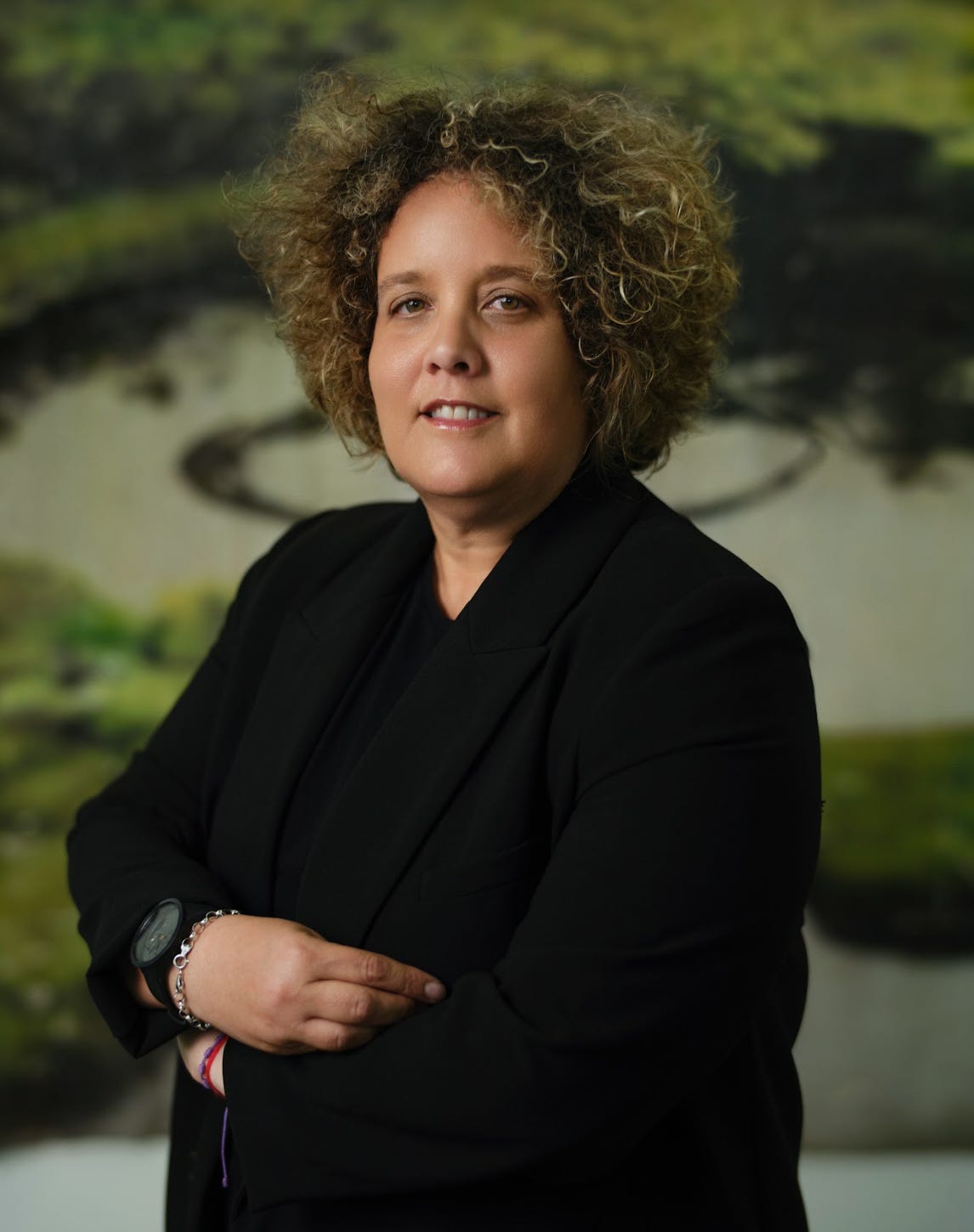

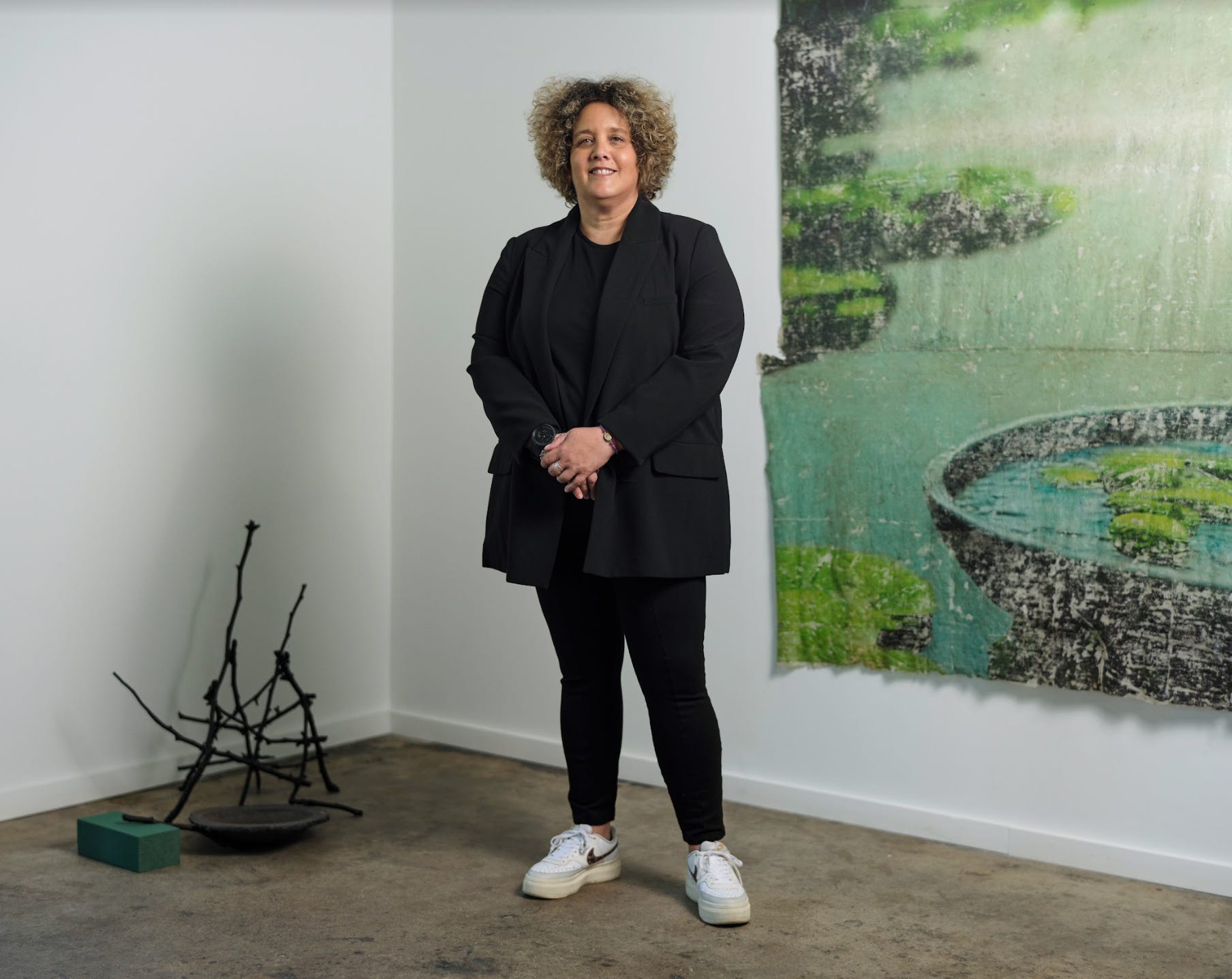
Mahara Martínez is the founder of Mahara+Co, a contemporary art gallery dedicated to promoting the works of Latin American artists. After emigrating from Cuba to Chile, she later found a home in Miami, where her gallery is located.
In this interview, Mahara opens up about her journey and ambitions with Mahara+Co, and shares with us her advice for emerging collectors, gallerists and artists. Join us as we uncover her unique perspective and commitment to elevating Latin American voices within the art community.
Q: Can you share with us your background in the art world and what led you to create Mahara+Co?
Mahara Martínez: I'm Mahara Martínez. I was born in Cuba, where I studied Art History. In 1995, having just graduated, I emigrated with my family to Chile. There I worked with a gallery owner, Isabel Aninat, who gave me the experience of seeing art in a different way, setting up art fairs, exhibitions, etc.
I worked for about 10 years as Isabel’s right-hand woman. I liked my job and did very well in terms of sales, but I always felt the need to forge my own path. From Chile, however, it was impossible because the market was very small and controlled. In 2016, I felt the need to emigrate. I had always been drawn to the idea of "exploring" the United States, especially Miami, a city that is very attractive to Cubans. Many of my university classmates had already settled here, just like me, in a second migration.
However, when I arrived in Miami, I was faced with a feeling that was anything but pleasant: the "sense of belonging." I realized that having emigrated so young, there were many things I had forgotten or not kept up with, and I didn’t feel that I fit in with much of the Cuban community, for example.
Moving to this city didn’t turn out the way I had imagined. It wasn’t just about arriving, selling, and creating projects to support the artists I had left behind in Chile. There was a group of Chilean artists living in Miami, and unlike other communities and entities that support their artists, like Argentina and Mexico, these Chilean artists were as isolated as I was. That’s when the vision of creating a foundation dedicated to giving visibility to Chilean artists in Miami emerged, and VitrinaLab Foundation was born. The mission was to support them in creating projects and provide them with a space where they could gain visibility. Together with my partners, we were able to carry out important projects.
With the arrival of COVID-19, everything came to a halt, and that’s when I began working independently. Although I had already curated several exhibitions in Miami, during this period I began collaborating with a group of Latin American artists on more international projects, spanning cities like São Paulo, Lima, Mexico, among others.
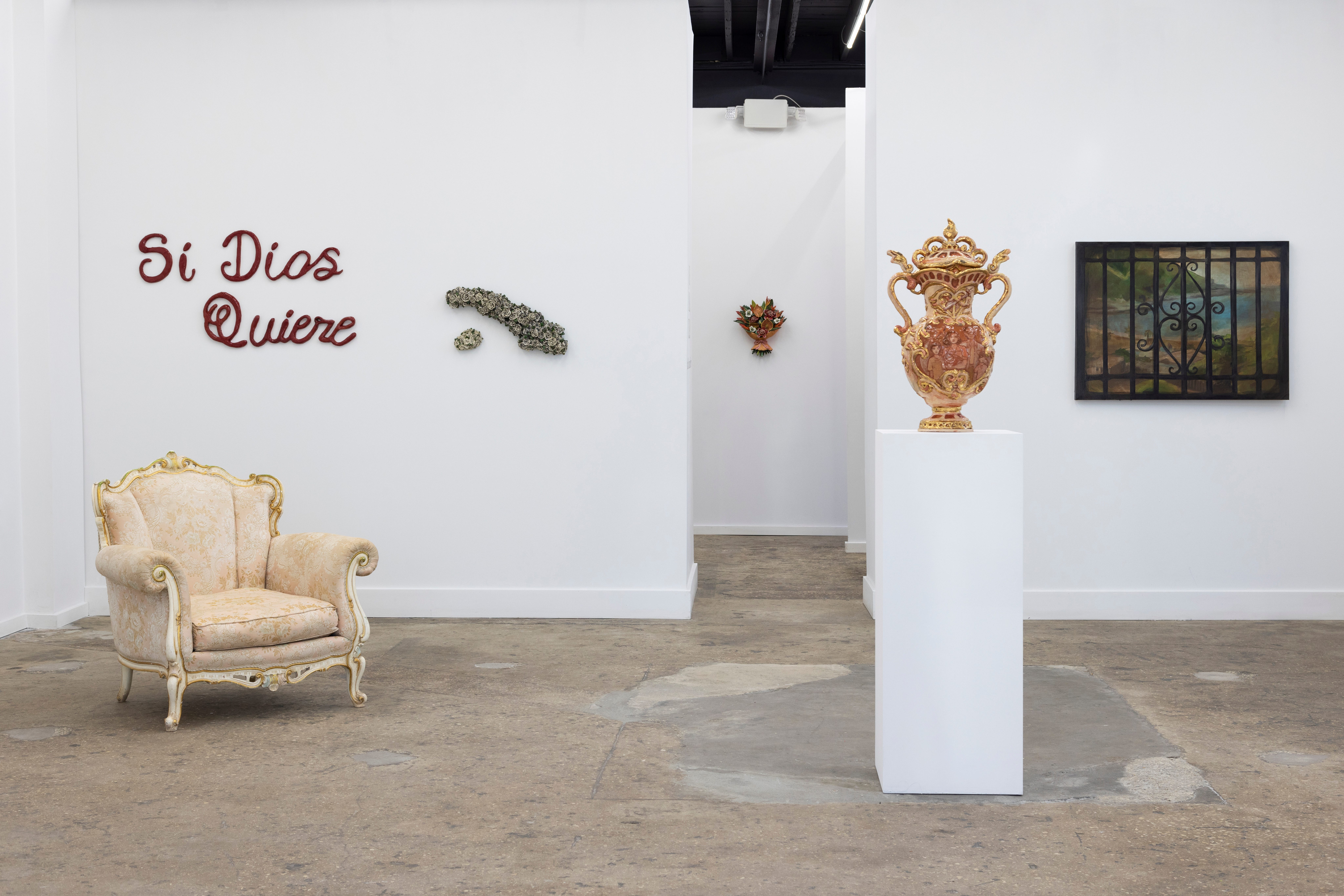
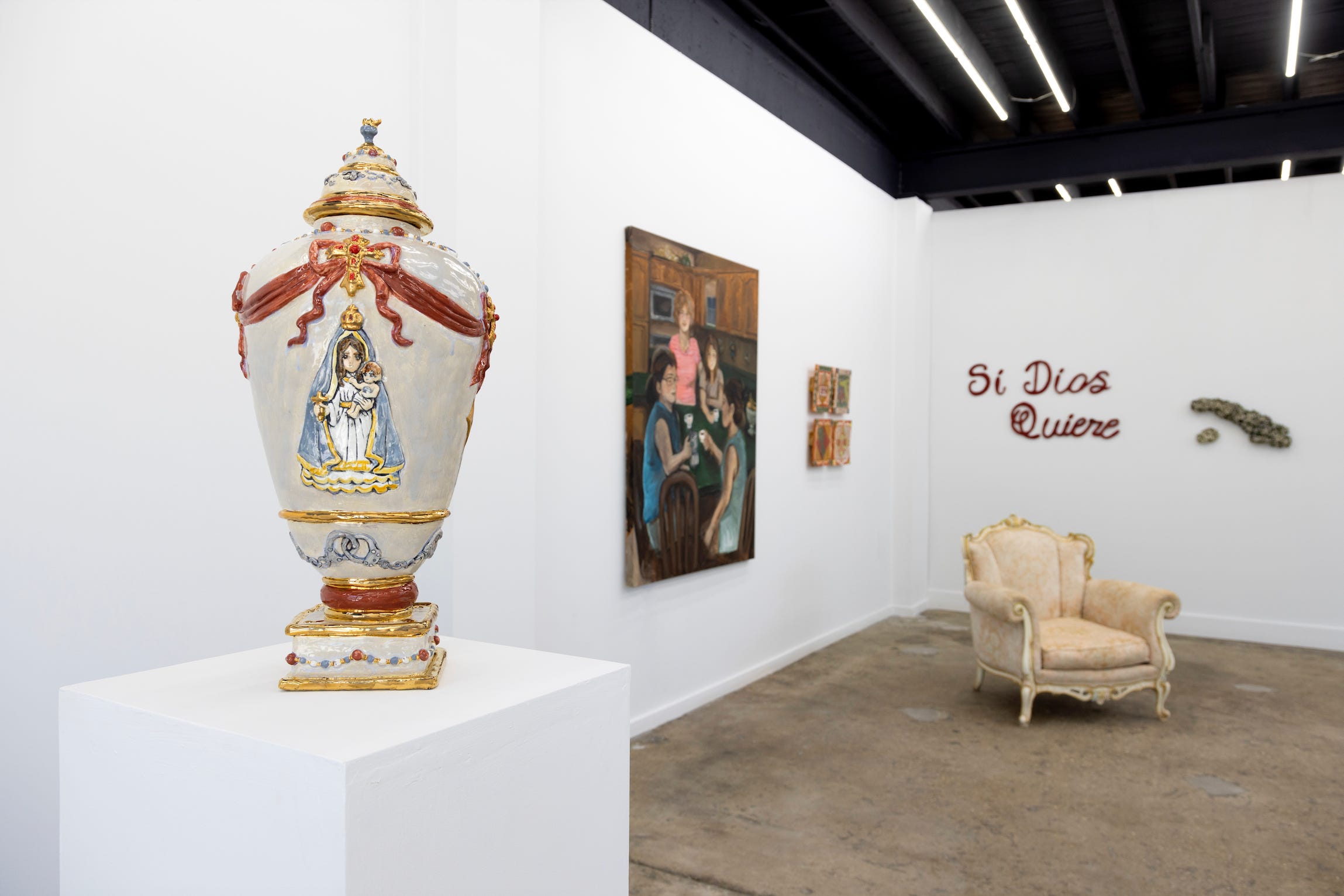
In 2023, I was given the opportunity to have a physical space where I could materialize all the work I had been doing in a more nomadic way, and that’s how the Mahara+Co art gallery was born. Miami is a city with a large Latin American population and given my professional background over the past 20 years, focused on this market, my main goal became creating a Latin American art gallery. The idea was to bring to Miami what Latin American artists are generating abroad, without having to wait for Art Basel week to discover great art. This is why Mahara+Co is a contemporary art gallery dedicated to promoting the works of Latin American artists, with a special focus on supporting and enhancing the visibility of emerging artists, both local and international.
“The idea was to bring to Miami what Latin American artists are generating abroad, without having to wait for Art Basel week to discover great art”
Q: What was the Miami art scene like when you first moved there and how has it evolved since then?
Mahara Martínez: I arrived in Miami in 2016, and at that time, the art scene had already flourished thanks to the arrival of Art Basel, which since its launch in 2002 had played a crucial role in shaping the contemporary art landscape. However, the market has grown and evolved considerably in the last three years. I believe the pandemic fuelled a creative explosion and the need to reinvent ourselves. This, along with the large influx of artists, galleries, and collectors into the city, has led to a significant transformation of the local scene. Many new projects have emerged, and several artist communities have opened their studios, turning them into exhibition and collaborative spaces. When I first arrived, that didn’t exist. This is something that truly motivates me: the idea of community, of being able to grow together, seeing each other for who we are, not as competition.
I have also noticed a change in the mentality of the people in Miami. There is more enthusiasm and a greater desire to support the collector’s profile, which was previously a more obscure figure.
Q: Mahara+Co emphasises collaboration. How does this principle influence the gallery's operations and exhibitions?
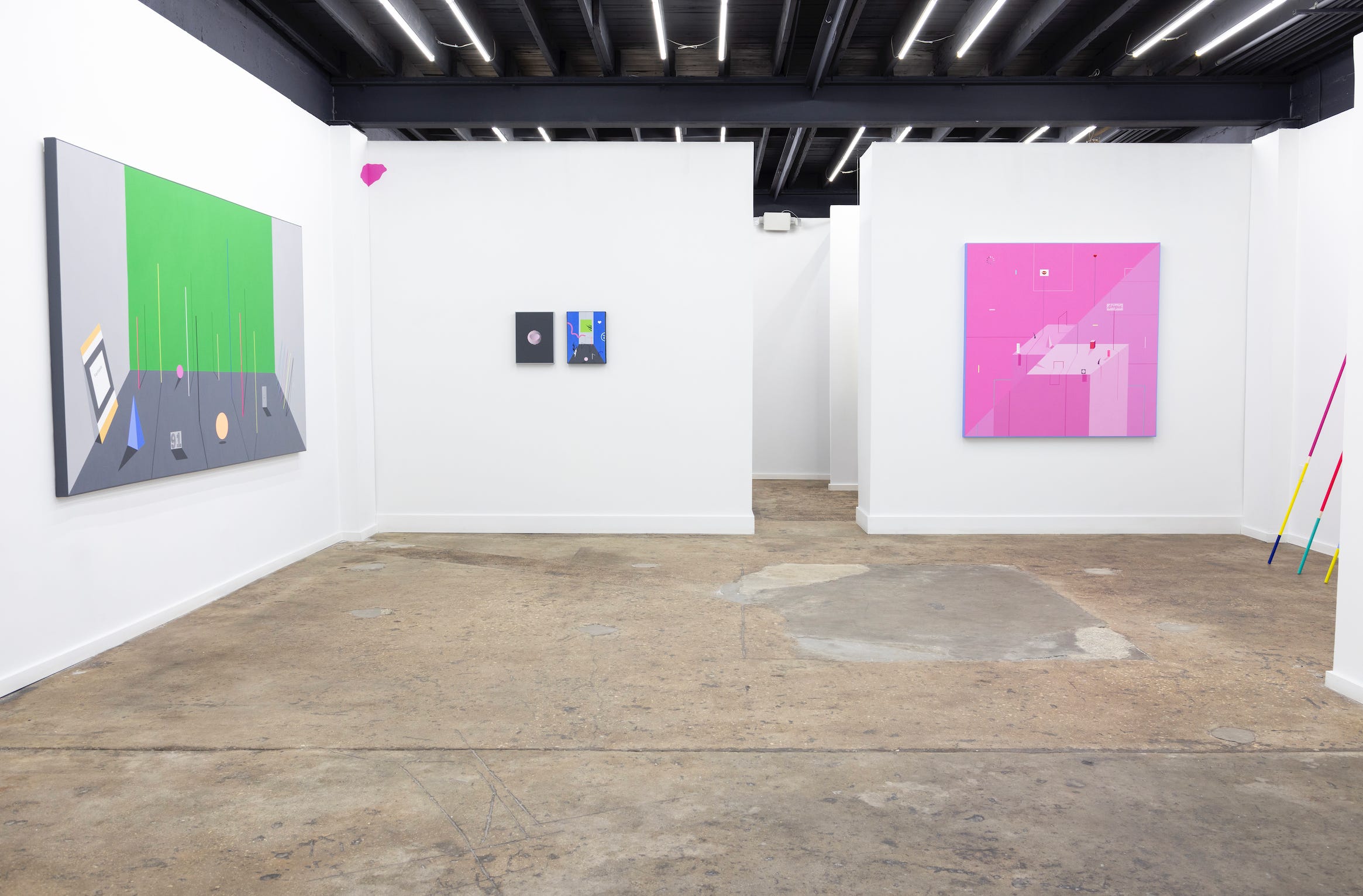
Mahara Martínez: I started with the idea of creating a collaborative platform that would give visibility to young projects and other galleries in Miami. My first collaboration was with Galería Vigil González, and this year with Tomás Redrado Art. Inspired by initiatives like Condo in Mexico City, we aim to promote emerging and mid-career Latin American artists. Our vision is to build a strong artistic community that challenges conventions and enriches Latin American art within a global context from Miami.
“Our vision is to build a strong artistic community that challenges conventions and enriches Latin American art within a global context from Miami”
Q: How do you choose the artists and projects you work with, particularly those who are just emerging?
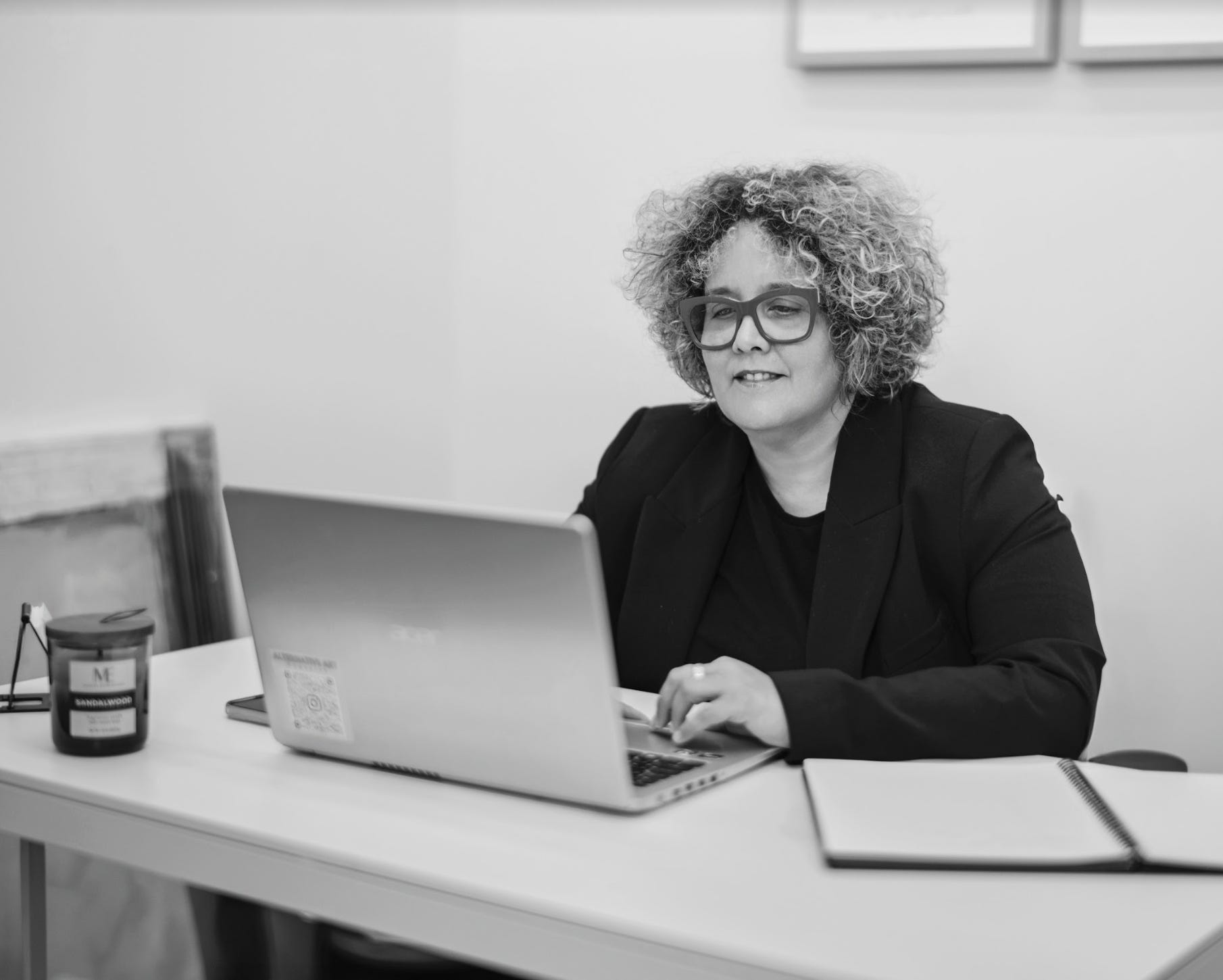
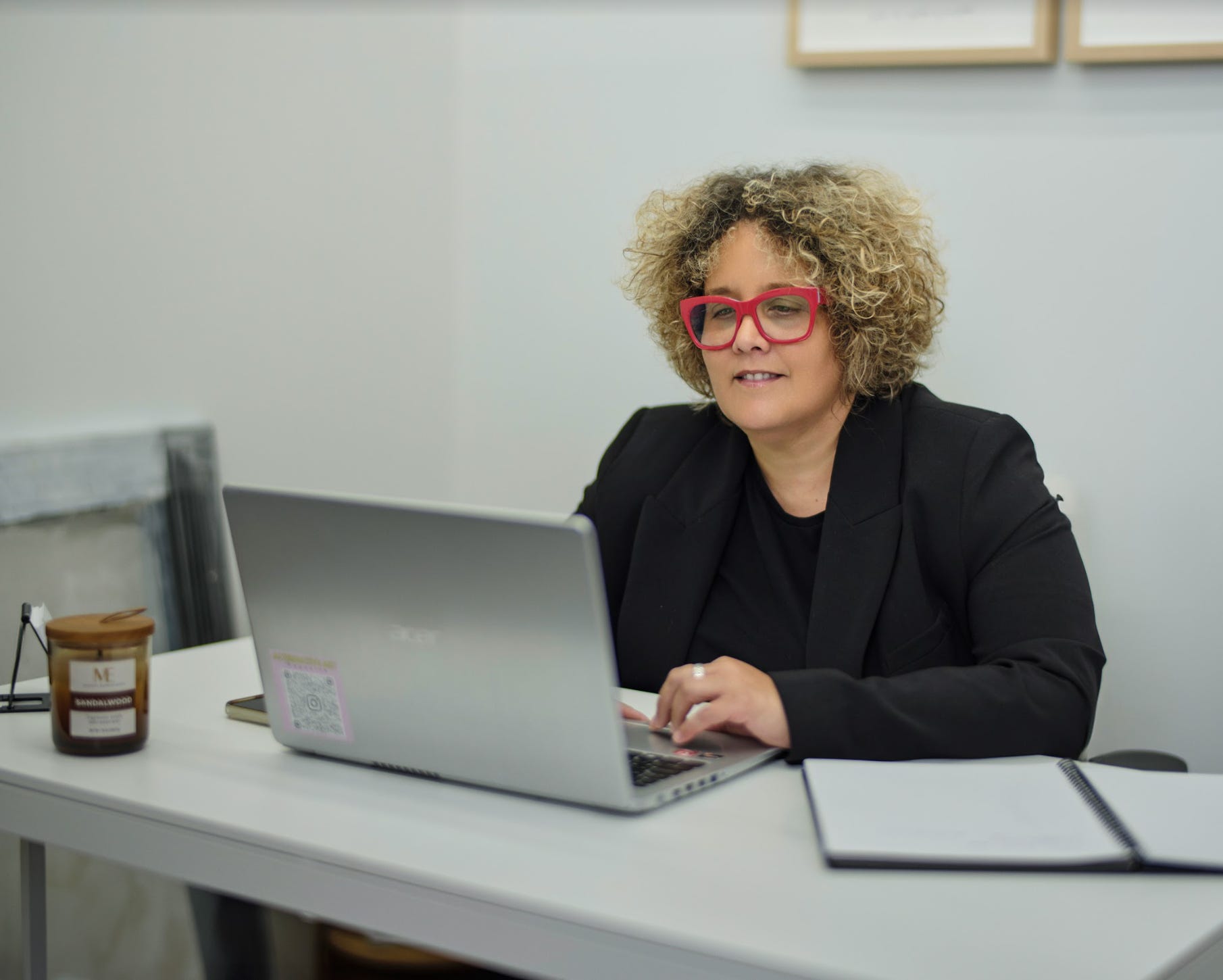
Mahara Martínez: I enjoy discovering artists. Over time, I believe you develop a sensitivity to identify who you’d like to work with. Most of the Chilean artists I’ve collaborated with I discovered in person, while artists from other countries I’ve found online, mainly through Instagram. My workday starts around 6:30 am, and that’s when I dedicate time to searching for and discovering artists who might interest me.
When I reach an agreement with an artist, we work on the idea for an entire year to develop it and bring it to our space. The process is long, as the artist also has the opportunity to work on or close other parallel projects. I love it when artists take ownership of the space. I never impose restrictions; I simply follow up, always respecting their creative freedom.
Q: What advice would you give to emerging artists?
Mahara Martínez: Work and be disciplined. The path in art is similar to that in life: first we crawl, then we take our first steps, learn to walk, stand up, and finally, we run. To get to that point, you must work hard, be consistent, and remain serious.
There will be moments when you feel discouraged, but the important thing is to keep working and maintain clear objectives, without distractions. I have been working for years, taking risks, bringing new ideas and artists who are not local. I could have tried to do something else when I arrived in Miami because every day is a challenge, but you have to listen to your heart. Art gives meaning to my life; I wouldn’t know how to do anything else.
“Art gives meaning to my life; I wouldn’t know how to do anything else”
Q: As a founder, what were the most significant challenges in setting up Mahara+Co?
Mahara Martínez: First of all, the artists I invited to work with me had to trust me and my work. Although I had already collaborated with many artists, I needed the new ones to believe in my management approach.
The second big challenge was to capture the attention of the art community in order to integrate myself into this market. Mahara+Co is a different proposal; we bring in artists who are not local, which creates the expectation in every exhibition of how the public will react.
Q: What qualities do you think are essential for today's gallery owners to succeed in such a competitive environment?
Mahara Martínez: Honesty and transparency are essential. Being transparent with artists is crucial, seeing them as "partners" and not as a gold mine.
Some galleries take on very young artists, assign them exorbitant prices, and end up harming their careers because they can't maintain those prices. When working with an artist, it's necessary to analyze where their work can grow, which collections it would fit into, and in which markets it could thrive. The work of a gallerist involves seeing the artist not as a product, but as a commitment.
“The work of a gallerist involves seeing the artist not as a product, but as a commitment”
Q: What are your aspirations for Mahara+Co in the coming years?
Mahara Martínez: The most important thing for me is to secure the future. Right now, I'm working day by day because the space is very new. We've only been open for a year, so the first thing I'd like to achieve is to establish a solid foundation.
I want Mahara+Co to be a solid project, capable of offering artists a stable and sustainable space. I also aim to gain greater visibility in other markets and international fairs. Fairs are very important, although many see them solely from a commercial perspective. I believe they are very useful for getting to know artists, as it's in that context where you can meet important curators and collectors. Fairs allow artists to grow significantly.
“I want Mahara+Co to be a solid project, capable of offering artists a stable and sustainable space”
Q: Can you give us any hints about upcoming exhibitions or projects you are excited about?
Mahara Martínez: During Art Basel Miami week, we are working with the Chilean artist Mara Faúndez. Although we’ve been collaborating since 2022, this is her first solo exhibition here in Miami, which has me really excited. In February, I also have an exhibition that I’m very enthusiastic about, featuring a large installation in the gallery, created by the collective Rojo & KreB, composed of a Chilean artist and a German artist who reside in Berlin.
Q: What tips would you offer to people with no background in the art world who are considering starting a collection?
Mahara Martínez: They should follow their instinct and not what is trendy. Also, they should start by collecting emerging artists, as Latin American emerging art is at a tremendous level, offering an excellent balance between quality and price. It's important to seek advice, investigate, and study, but instinct is always the first to speak.
Q: How would you like to see the representation of Latin American art evolve on the world stage?
Mahara Martínez: I think I would like to see more opportunities and greater commitment to Latin American art, especially emerging art. This involves more acquisitions by museums and institutions, and more fairs opening up opportunities for young Latin American projects. There is a significant lack of support for the new work we are generating; there are many international fairs where Latin American art is almost non-existent due to the high participation costs. Therefore, I believe there should be more empathy towards regions like Latin America in this regard.
Moreover, it is important to stop viewing Latin American art through a lens of conquest, as something exotic, and begin to see it as a region with a deeply rich culture. We need more researchers, theorists, and curators specialized in Latin American art, and not just limit ourselves to references like Wifredo Lam or Frida Kahlo. We need more bibliography and more books on Latin American art.
“…it is important to stop viewing Latin American art through a lens of conquest, as something exotic, and begin to see it as a region with a deeply rich culture”
To learn more about Mahara Martínez and Mahara+Co, visit:
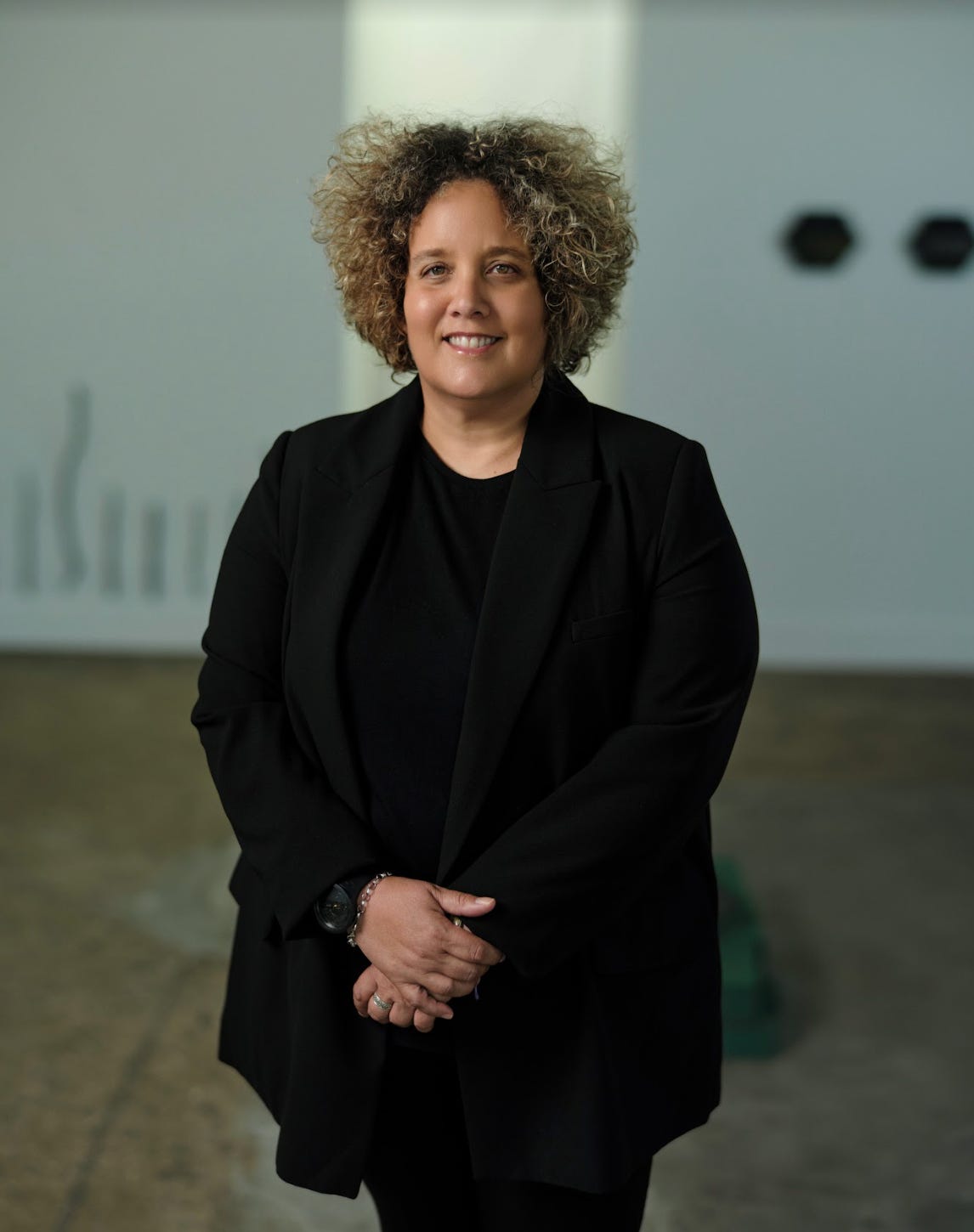

Mahara Martínez es la fundadora de Mahara+Co, una galería de arte contemporáneo dedicada a promover las obras de artistas latinoamericanos. Tras emigrar de Cuba a Chile, encontró su hogar en Miami, donde se encuentra su galería.
En esta entrevista, Mahara nos habla de su trayectoria y ambiciones con Mahara+Co, y comparte con nosotros sus consejos para coleccionistas, galeristas y artistas emergentes. Acompáñanos a descubrir su perspectiva única y compromiso para elevar las voces latinoamericanas dentro de la comunidad artística.
Q: ¿Puedes compartir con nosotros tu trayectoria en el mundo del arte y qué te llevó a crear Mahara+Co?
Mahara Martínez: Soy Mahara Martínez. Nací en Cuba, donde estudié Historia del Arte. En 1995, recién graduada, emigré con mi familia a Chile. Allí trabajé con una galerista, Isabel Aninat, quien me dio la experiencia de ver el arte de una manera diferente, organizando ferias de arte, exposiciones, etc.
Trabajé durante unos 10 años como la mano derecha de Isabel. Me gustaba mi trabajo y me iba muy bien en ventas, pero siempre sentí la necesidad de forjar mi propio camino. Sin embargo, desde Chile era imposible, ya que el mercado era muy pequeño y controlado. En 2016, sentí la necesidad de emigrar. Siempre me atrajo la idea de "explorar" Estados Unidos, especialmente Miami, una ciudad muy atractiva para los cubanos. Muchos de mis compañeros de universidad ya se habían instalado aquí, al igual que yo, en una segunda migración.
Sin embargo, cuando llegué a Miami, me enfrenté a una sensación que no fue nada agradable: el "sentido de pertenencia". Me di cuenta de que, habiendo emigrado tan joven, había muchas cosas que había olvidado o no había seguido, y no sentía que encajara con gran parte de la comunidad cubana, por ejemplo.
Mudarme a esta ciudad no resultó como lo había imaginado. No se trataba solo de llegar, vender y crear proyectos para apoyar a los artistas que había dejado en Chile. Había un grupo de artistas chilenos viviendo en Miami y, a diferencia de otras comunidades y entidades que apoyan a sus artistas, como Argentina y México, estos artistas chilenos estaban tan aislados como yo. Fue entonces cuando surgió la visión de crear una fundación dedicada a dar visibilidad a los artistas chilenos en Miami, y nació la Fundación VitrinaLab. La misión era apoyarlos en la creación de proyectos y brindarles un espacio donde pudieran ganar visibilidad. Junto con mis socios, logramos llevar a cabo proyectos importantes.
Con la llegada de COVID-19, todo se detuvo, y fue entonces cuando comencé a trabajar de manera independiente. Aunque ya había curado varias exposiciones en Miami, durante este periodo comencé a colaborar con un grupo de artistas latinoamericanos en proyectos más internacionales, abarcando ciudades como São Paulo, Lima, México, entre otras.
En 2023, se me presentó la oportunidad de tener un espacio físico donde pudiera materializar todo el trabajo que había estado haciendo de manera más nómada, y así nació la galería de arte Mahara+Co. Miami es una ciudad con una gran población latinoamericana, y dado mi recorrido profesional en los últimos 20 años, enfocado en este mercado, mi principal objetivo se convirtió en crear una galería de arte latinoamericano. La idea era traer a Miami lo que los artistas latinoamericanos están generando en el extranjero, sin tener que esperar a la semana de Art Basel para descubrir grandes obras. Por eso, Mahara+Co es una galería de arte contemporáneo dedicada a promover las obras de artistas latinoamericanos, con un enfoque especial en apoyar y visibilizar a artistas emergentes, tanto locales como internacionales.
“La idea era traer a Miami lo que los artistas latinoamericanos están generando en el extranjero, sin tener que esperar a la semana de Art Basel para descubrir grandes obras”
Q: ¿Cómo era la escena artística en Miami cuando te mudaste allí por primera vez y cómo ha cambiado desde entonces?
Mahara Martínez: Llegué a Miami en 2016, y en ese momento, la escena artística ya había florecido gracias a la llegada de Art Basel, que desde su lanzamiento en 2002 había desempeñado un papel crucial en la configuración del panorama del arte contemporáneo. Sin embargo, el mercado ha crecido y evolucionado considerablemente en los últimos tres años. Creo que la pandemia impulsó una explosión creativa y la necesidad de reinventarnos. Esto, junto con la gran afluencia de artistas, galerías y coleccionistas en la ciudad, ha llevado a una transformación significativa de la escena local. Han surgido muchos proyectos nuevos y varias comunidades de artistas han abierto sus estudios, convirtiéndolos en espacios de exposición y colaboración. Cuando llegué, eso no existía. Esto es algo que realmente me motiva: la idea de comunidad, de poder crecer juntos, viéndonos por lo que somos, no como competencia.
También he notado un cambio en la mentalidad de las personas en Miami. Hay más entusiasmo y un mayor deseo de apoyar al perfil del coleccionista, que anteriormente era una figura más reservada.
Q: Mahara+Co enfatiza la colaboración. ¿Cómo influye este principio en las operaciones y exposiciones de la galería?
Mahara Martínez: Comencé con la idea de crear una plataforma colaborativa que diera visibilidad a proyectos jóvenes y a otras galerías en Miami. Mi primera colaboración fue con la Galería Vigil González, y este año con Tomás Redrado Art. Inspirados en iniciativas como Condo en Ciudad de México, buscamos promover a artistas emergentes y de media carrera latinoamericanos. Nuestra visión es construir una comunidad artística fuerte que desafíe convenciones y enriquezca el arte latinoamericano dentro de un contexto global desde Miami.
“Nuestra visión es construir una comunidad artística fuerte que desafíe convenciones y enriquezca el arte latinoamericano dentro de un contexto global desde Miami”
Q: ¿Cómo eliges a los artistas y proyectos con los que trabajas, sobre todo los emergentes?
Mahara Martínez: Disfruto descubriendo artistas. Con el tiempo, creo que se desarrolla una sensibilidad para identificar con quién te gustaría trabajar. La mayoría de los artistas chilenos con los que he colaborado los descubrí en persona, mientras que a los artistas de otros países los encontré en línea, principalmente a través de Instagram. Mi jornada laboral comienza alrededor de las 6:30 am, y es cuando dedico tiempo a buscar y descubrir artistas que puedan interesarme.
Cuando llego a un acuerdo con un artista, trabajamos en la idea durante todo un año para desarrollarla y llevarla a nuestro espacio. El proceso es largo, ya que el artista también tiene la oportunidad de trabajar o cerrar otros proyectos paralelos. Me encanta cuando los artistas se apropian del espacio. Nunca impongo restricciones; simplemente hago un seguimiento, respetando siempre su libertad creativa.
Q: ¿Qué consejo le darías a los artistas emergentes?
Mahara Martínez: Trabajar y ser disciplinado. El camino en el arte es similar al de la vida: primero gateamos, luego damos nuestros primeros pasos, aprendemos a caminar, nos levantamos y, finalmente, corremos. Para llegar a ese punto, hay que trabajar duro, ser constante y mantenerse serio.
Habrá momentos en los que te sentirás desanimado, pero lo importante es seguir trabajando y mantener claros los objetivos, sin distracciones. Llevo años trabajando, asumiendo riesgos, trayendo nuevas ideas y artistas que no son locales. Podría haber intentado hacer otra cosa cuando llegué a Miami porque cada día es un desafío, pero hay que escuchar al corazón. El arte le da sentido a mi vida; no sabría hacer otra cosa.
“El arte le da sentido a mi vida; no sabría hacer otra cosa”
Q: Como fundadora, ¿cuáles fueron los desafíos más importantes para establecer Mahara+Co?
Mahara Martínez: Primero que nada, los artistas a los que invité a trabajar conmigo tenían que confiar en mí y en mi trabajo. Aunque ya había colaborado con muchos artistas, necesitaba que los nuevos creyeran en mi enfoque de gestión.
El segundo gran desafío fue captar la atención de la comunidad artística para poder integrarme en este mercado. Mahara+Co es una propuesta diferente; traemos a artistas que no son locales, lo que genera expectativas en cada exposición sobre cómo reaccionará el público.
Q: ¿Qué cualidades consideras esenciales para que los galeristas de hoy tengan éxito en un entorno tan competitivo?
Mahara Martínez: La honestidad y la transparencia son esenciales. Ser transparente con los artistas es crucial, verlos como "socios" y no como una mina de oro.
Algunas galerías toman a artistas muy jóvenes, les asignan precios exorbitantes y terminan perjudicando sus carreras porque no pueden mantener esos precios. Al trabajar con un artista, es necesario analizar dónde puede crecer su obra, en qué colecciones podría encajar y en qué mercados podría prosperar. El trabajo de un galerista implica ver al artista no como un producto, sino como un compromiso.
“El trabajo de un galerista implica ver al artista no como un producto, sino como un compromiso”
Q: ¿Cuáles son tus aspiraciones para Mahara+Co en los próximos años
Mahara Martínez: Lo más importante para mí es asegurar el futuro. En este momento, estoy trabajando día a día porque el espacio es muy nuevo. Solo llevamos un año abiertos, por lo que lo primero que me gustaría lograr es establecer una base sólida.
Quiero que Mahara+Co sea un proyecto sólido, capaz de ofrecer a los artistas un espacio estable y sostenible. También aspiro a ganar mayor visibilidad en otros mercados y ferias internacionales. Las ferias son muy importantes, aunque muchos las ven solo desde una perspectiva comercial. Creo que son muy útiles para conocer a los artistas, ya que es en ese contexto donde puedes conocer a curadores y coleccionistas importantes. Las ferias permiten a los artistas crecer significativamente.
“Quiero que Mahara+Co sea un proyecto sólido, capaz de ofrecer a los artistas un espacio estable y sostenible”
Q: ¿Podrías adelantarnos algo sobre las próximas exposiciones o proyectos que te emocionan?
Mahara Martínez: Durante la semana de Art Basel Miami, estamos trabajando con la artista chilena Mara Faúndez. Aunque hemos colaborado desde el 2022, esta es su primera exposición individual aquí en Miami, lo cual me tiene muy emocionada. En febrero también tengo una exposición que me entusiasma mucho, con una gran instalación en la galería, realizada por el colectivo Rojo & KreB, integrado por una artista chilena y un artista alemán que residen en Berlín.
Q: ¿Qué consejos daría a personas sin experiencia en el mundo del arte que estén pensando en empezar una colección?
Mahara Martínez: Que sigan su instinto y no lo que está de moda. También, que comiencen coleccionando a artistas emergentes, ya que el arte emergente latinoamericano está a un nivel tremendo, ofreciendo un excelente equilibrio entre calidad y precio. Es importante buscar asesoramiento, investigar y estudiar, pero el instinto siempre es lo primero que habla.
Q: ¿Cómo te gustaría que evolucionara la representación del arte latinoamericano en el escenario mundial?
Mahara Martínez: Creo que me gustaría ver más oportunidades y un mayor compromiso con el arte latinoamericano, especialmente el emergente. Esto implica más adquisiciones por parte de museos e instituciones, y que más ferias abran oportunidades para proyectos jóvenes latinoamericanos. Existe una gran falta de apoyo para el nuevo trabajo que estamos generando; hay muchas ferias internacionales donde el arte latinoamericano es casi inexistente debido a los altos costos de participación. Por ello, creo que debería haber más empatía hacia regiones como América Latina en ese sentido.
Además, es importante dejar de ver el arte latinoamericano a través de una lente de conquista, como algo exótico, y comenzar a verlo como una región con una cultura profundamente rica. Necesitamos más investigadores, teóricos y curadores especializados en el arte latinoamericano, y no limitarnos solo a referencias como Wifredo Lam o Frida Kahlo. Necesitamos más bibliografía y más libros sobre el arte latinoamericano.
“…es importante dejar de ver el arte latinoamericano a través de una lente de conquista, como algo exótico, y comenzar a verlo como una región con una cultura profundamente rica”
Para saber más sobre Mahara Martínez y Mahara+Co, visita: