


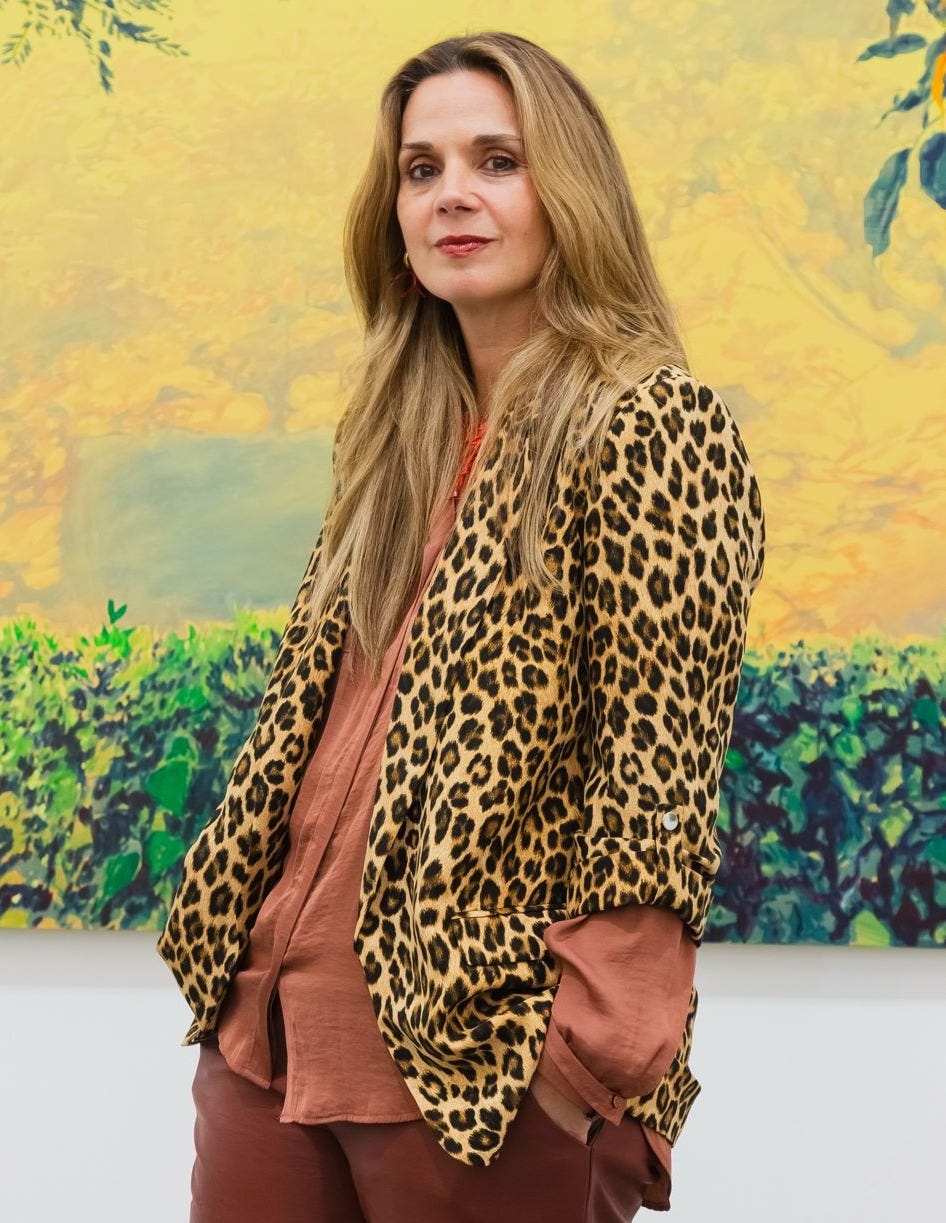
Jimena de Tezanos is the force behind La Galería Rebelde, one of the most dynamic and committed contemporary art galleries in Central America.
From Guatemala City, she has built a solid network that connects artists, collectors, and institutions inside and outside the region, promoting a vibrant and growing scene. In this interview, she talks to us about the origins of her gallery, her fascination with conceptual art, the challenges of promoting collecting in the region, and her vision of the current artistic landscape.
Q: Could you start by telling us how your interest in art began?
Jimena de Tezanos: I was born in Montevideo, Uruguay. My family moved to Guatemala in the early 80s. My mother is Argentine and my father Uruguayan. I grew up in a family environment very connected to the arts: writers, collectors, artists. My grandmother founded a magazine in 1945 called Arte en América when she was only 25 years old, and she would invite writers and artists by letter to send her poems, essays, texts.
I grew up far from my family, in a very different country, but always with a strong connection to my roots. At home, people talked about art all the time, there were dinners with intellectuals, musicians, artists, many of them foreigners who had emigrated to Guatemala. My mother produced each gathering as if it were a show. Everything was special, with great detail.
Additionally, we arrived in Guatemala during a civil war, in a context of repression, fear, and censorship. However, I remember going as a child with her to exhibitions and events around artistic circles. That was the environment I grew up in.
Q: Do you remember any work or artist from that time that impacted you especially?
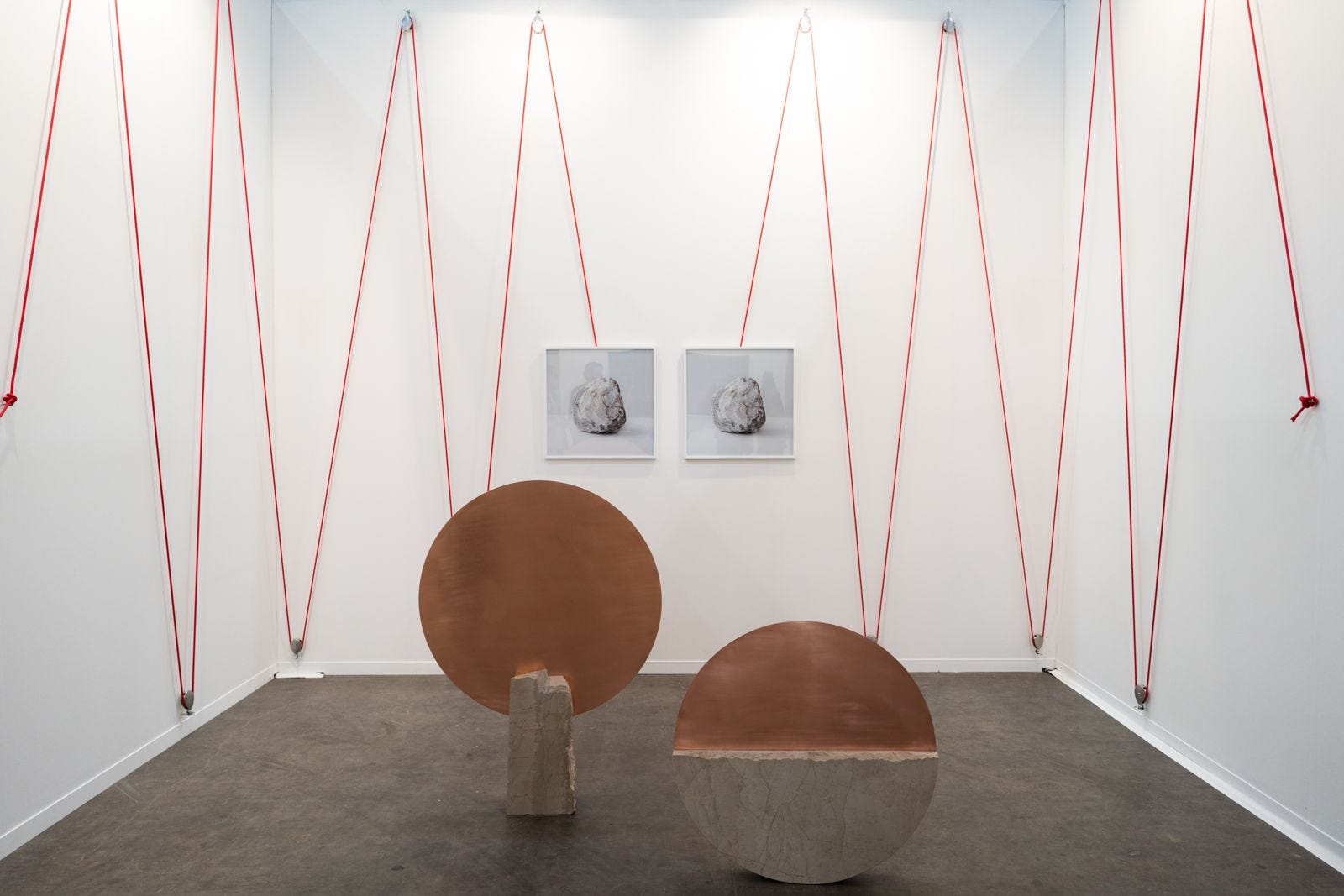
Jimena de Tezanos: Yes. The 80s were a decade of consecration for modernist artists, while the 90s saw the emergence of the contemporary, with artists who began to question politics, identity, and the body through new languages like performance, conceptual art, and experimental photography. Among them were Margarita Azurdia, whom people didn’t quite understand. I also remember exhibitions of artists like Luis Díaz, Efraín Recinos, Luis González Palma, performances by Regina José, Maria Adela Diaz, Sandra Monterroso, Aníbal López.
Q: You’re also a collector. What was the first work you acquired?
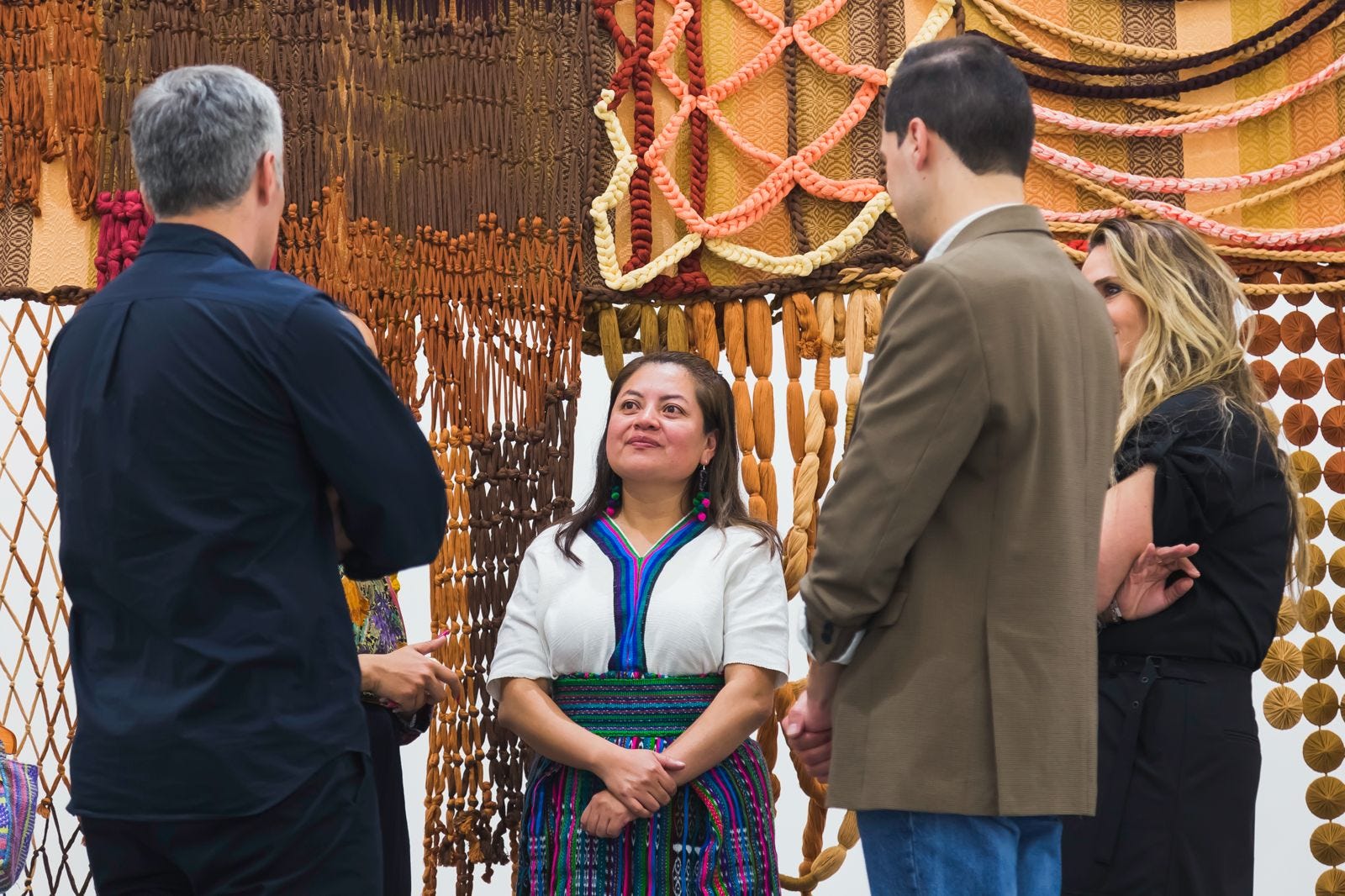
Jimena de Tezanos: The first work I bought was by Lourdes de la Riva, a conceptual Guatemalan artist. I was 24 or 25 years old. The work was called El analfabetismo: it was an antique table with a chained dictionary, and the key to the lock was inside a vase that had been given to Lourdes when she got married.
When she explained the work to me, and its meaning, and explained to me how the bureaucratic system prevents the people from learning to read and write, it was a before and after for me. It was the first time I heard about conceptual art. My mind was blown! It was really like an awakening for me. I understood that art wasn’t just painting, but could also be an idea. From that moment I fell in love with conceptual art, and that language has been a big part of my career and my life.
“I understood that art wasn’t just painting, but could also be an idea. From that moment I fell in love with conceptual art.”
Q: Was that the moment when you decided to open a gallery? How did La Galería Rebelde come to be?
Jimena de Tezanos: Not at that moment. I studied Communication at Universidad Rafael Landívar. In Guatemala, there weren’t many options to study art at that time. From a very young age, I was a collector: I asked my mom to buy me textiles at the market since I was 7 or 8 years old. I was always interested in design, and later my husband (who is an architect) opened a design store, where I later joined.
The store was a store-gallery where we curated design objects, textiles, furniture, tableware. We proposed unique pieces, by artists or designers. I curated that space for a long time without knowing I was “curating.” I don’t consider myself a curator, but I understand the exercise since I did it for a long time in the field of design. The project lasted almost 20 years and became a reference in Guatemala. But I never included contemporary art in that space: it was clear to me that it was a design space.
In 2016 I closed it and took five years to conceptualize La Galería Rebelde, which I finally opened in January 2020. It was born from a need: Guatemala does not have strong institutions. There are very few galleries, and artists have few opportunities. I wanted to create a platform for conceptual contemporary artists, a gallery that would also be an educational space.
“Guatemala does not have strong institutions. There are very few galleries, and artists have few opportunities. I wanted to create a platform for conceptual contemporary artists, a gallery that would also be an educational space.”
Q: What did you imagine being a gallerist was before opening the gallery, and what did you discover it really entails?
Jimena de Tezanos: Honestly, I didn’t imagine much. I just did it. I tend to jump into things without thinking too much about the consequences. I thought my 20 years of experience working with design and artists would help me, but it wasn’t like that.
I realized that the art system is a whole different world, and each country has its own. Being a collector is not the same as being a gallerist. For many, it was a shock that a collector became a gallerist, and at first, it was hard for people to believe in the project. Also, since I came from a commercial background, there were many prejudices.
Today I understand that my priority is not just to represent artists, but also to be an amplifier of their message and to place their works in collections that truly understand their value.
Q: What would you say has been the biggest challenge you’ve faced as a gallerist?
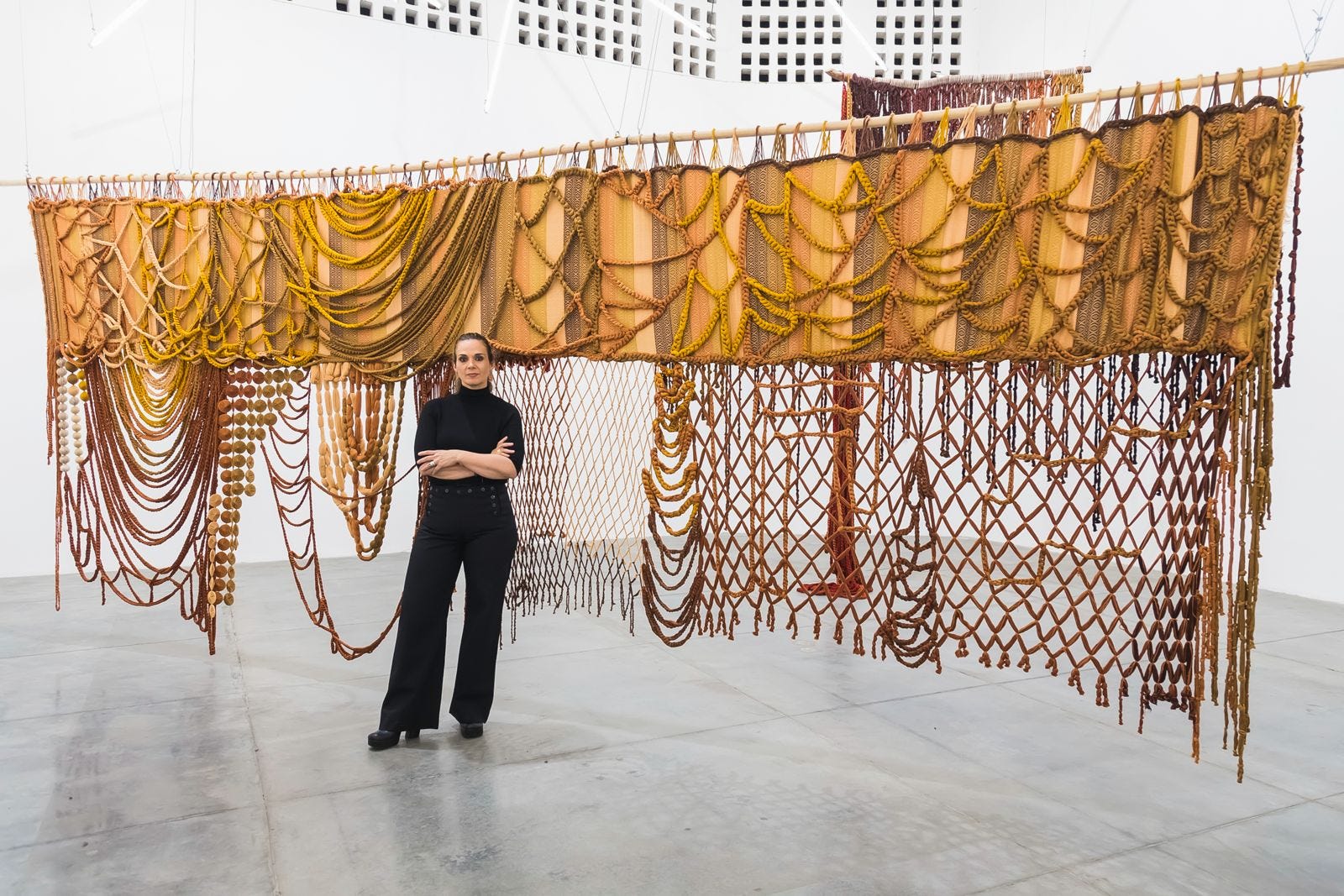
Jimena de Tezanos: Collecting. In Guatemala, there is very little education on how to collect art. There’s a generation, my generation, that lost that notion. They buy works without questioning, with little information, without analyzing many important things one should consider before buying a work of art. The research and work behind the conceptual framework of a piece, the process, the authenticity, the context, and the provenance have fallen into the background in the local scene.
I grew up seeing homes with works from different stages of an artist's career, and people fondly remembering at which exhibitions they had purchased them. That has been lost. Today, my mission is not only to represent artists, but to form collectors. I am working with them, taking them to international art fairs, creating educational programs to build a strong culture of collecting in the country.
“Today, my mission is not only to represent artists, but to form collectors. I am working with them … to build a strong culture of collecting in the country.”
Q: What is the part that makes you happiest in your role as a gallerist?
Jimena de Tezanos: Being able to find works that change people’s lives and putting them in front of them. Sometimes I don’t represent those artists, but if I know a work is going to click with someone, I show it to them. For me, that is the most gratifying. There are works that have changed my life, and I know what that means.
“There are works that have changed my life…”
Q: What challenges do you face in positioning Central American artists in the global circuit?
Jimena de Tezanos: The biggest challenge is that, outside of Guatemala, people don’t know how incredible they are. My job is to communicate that. I work with exceptional artists, but they’re not yet international names. That’s my task: for the world to know them and value them as they deserve, and for the same to happen in my country, for them to be recognized and valued here as well.
Q: What is the artistic scene like in Guatemala today?
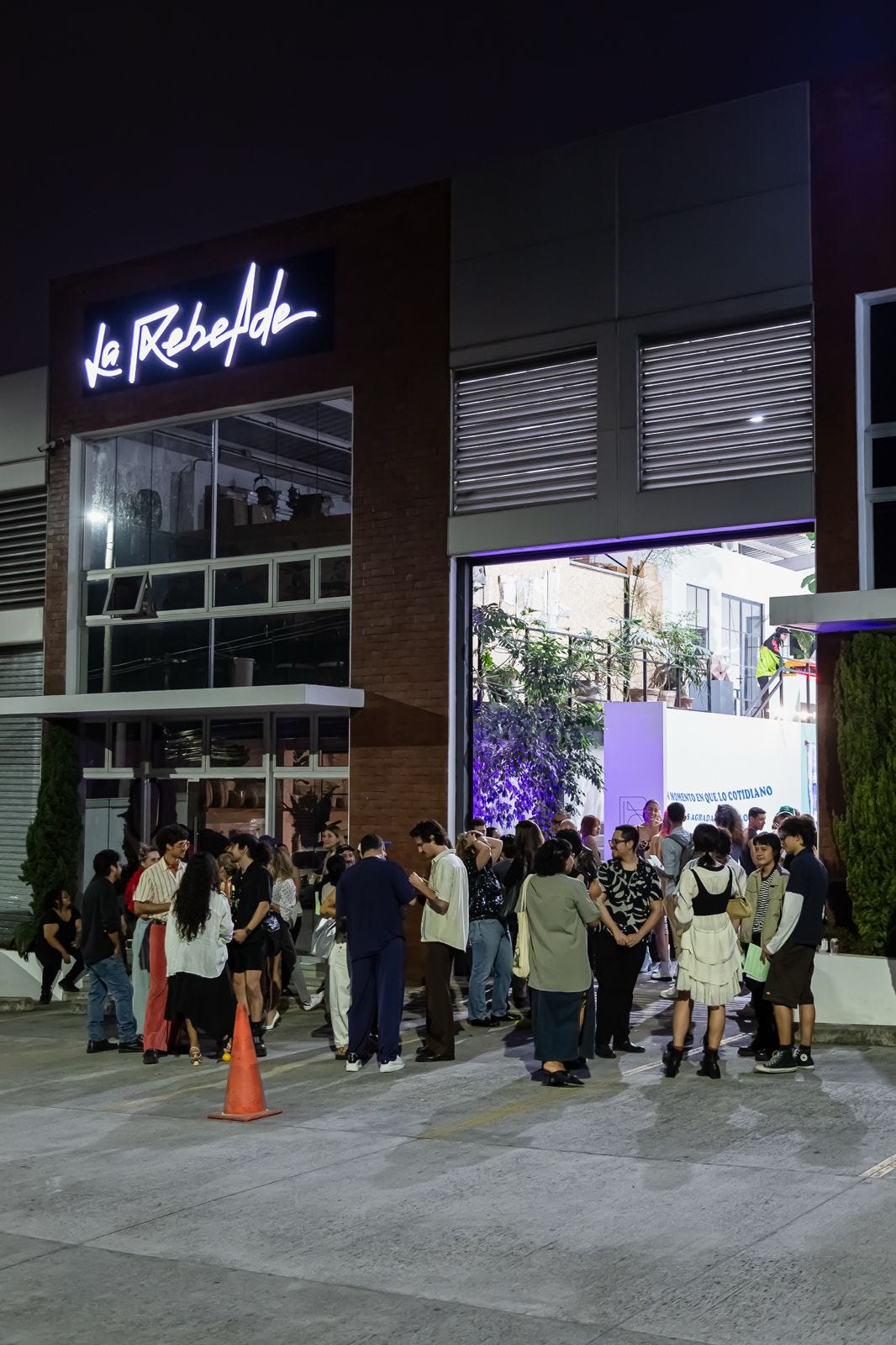
Jimena de Tezanos: There are very few curators, collectors, and active institutions. There are some foundations and spaces like Nueva Fábrica, Fundación Paiz, but public institutions are practically inactive. The National Museum is closed, and the state does not invest enough in the art system.
Q: La Galería Rebelde has participated in fairs like Zona Maco, Art Paris, and Material. How do you decide which fairs to participate in?
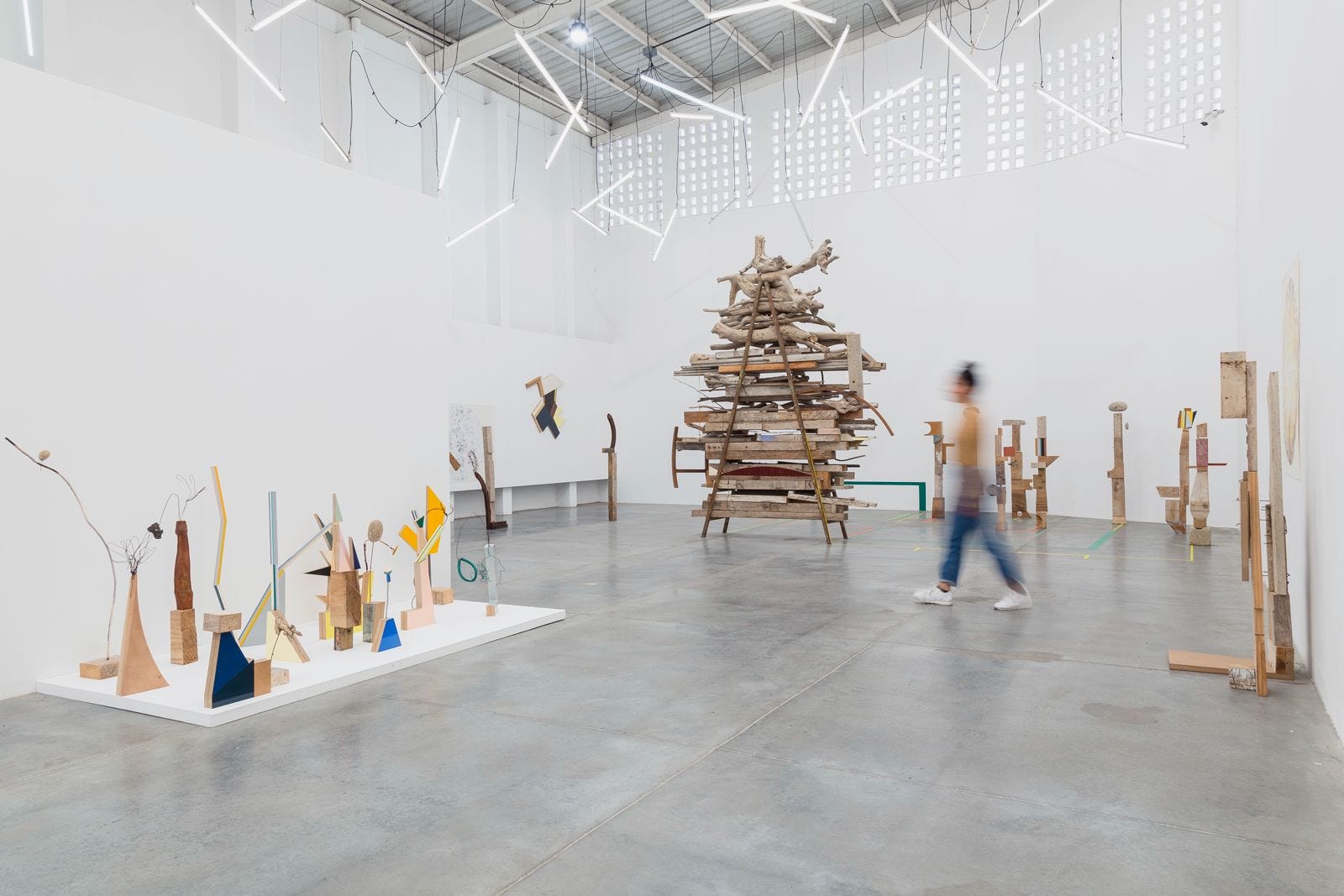
Jimena de Tezanos: Each fair has its personality. We’ve been at Untitled Miami, Zona Maco, Material, Art Paris, among others. This year I decided we’re going to rest and focus on expanding the gallery’s programming. Also, we want to focus on bringing valuable proposals to our collectors.
We’re considering opening a second space, with a more institutional focus. I want to bet on Guatemala as an axis. For people to come here and see what’s happening, rather than always having to look elsewhere. I want the world to look toward Central America.
“I want to bet on Guatemala as an axis. For people to come here and see what’s happening, rather than always having to look elsewhere.”
Q: What have you learned about yourself through this profession?
Jimena de Tezanos: I’ve learned not to doubt my instinct. Also, that personal relationships are everything. Without the team I have, I would be nothing.
The gallery has taught me that models can be reinvented. We haven’t followed the traditional gallery model. We’ve grown through collaborations, networks, connections. And I’ve also learned to honor the past to build the present. Everything has its place.
To learn more about Jimena de Tezanos and La Galería Rebelde, visit:
https://www.galeriarebeldegt.com/
Jimena de Tezanos es la fuerza detrás de La Galería Rebelde, una de las galerías más dinámicas y comprometidas del arte contemporáneo en Centroamérica.
Desde Ciudad de Guatemala, ha construido una red sólida que conecta artistas, coleccionistas e instituciones dentro y fuera de la región, impulsando una escena vibrante y en crecimiento. En esta entrevista, nos habla de los orígenes de su galería, su fascinación por el arte conceptual, los retos de fomentar el coleccionismo en la región y su visión del panorama artístico actual.
P: ¿Podrías empezar contándonos cómo empezó tu interés en el arte?
Jimena de Tezanos: Yo nací en Montevideo, Uruguay. Mi familia se mudó a Guatemala a principios de los 80. Mi madre es argentina y mi padre uruguayo. Crecí en un entorno familiar muy vinculado a las artes: escritores, coleccionistas, artistas. Mi abuela fundó en 1945 una revista que se llamaba Arte en América cuando tenía solo 25 años, y convocaba por carta a escritores y artistas para que le enviaran poemas, ensayos, textos.
Crecí lejos de mi familia, en un país muy diferente, pero siempre con un arraigo fuerte a mis raíces. En casa se hablaba todo el tiempo de arte, se celebraban cenas con intelectuales, músicos, artistas, muchos de ellos extranjeros que habían emigrado a Guatemala. Mi madre producía cada encuentro como si fuera un show. Todo era especial, con mucho detalle.
Además, llegamos a Guatemala en plena guerra civil, en un contexto de represión, miedo y censura. Sin embargo, recuerdo ir de niña con ella a exposiciones y eventos en torno a círculos artísticos. Eso me marcó profundamente. Ese fue el ambiente en el que crecí.
P: ¿Recuerdas alguna obra o algún artista de esa época que te haya impactado especialmente?
Jimena de Tezanos: Sí. Los años 80 fueron una década de consagración para los artistas modernistas, mientras los años 90 vieron el surgimiento de lo contemporáneo, con artistas que empezaron a cuestionar la política, la identidad y el cuerpo desde nuevos lenguajes como la performance, el arte conceptual y la fotografía experimental. Entre ellos estaban Margarita Azurdia, a quien la gente no llegaba a entender. También recuerdo exposiciones de artistas como Luis Díaz, Efraín Recinos, Luis González Palma, performances de Regina José, María Adela Diaz, Sandra Monterroso, Aníbal López.
P: También eres coleccionista. ¿Cuál fue la primera obra que adquiriste?
Jimena de Tezanos: La primera obra que compré fue de Lourdes de la Riva, una artista conceptual guatemalteca. Yo tenía 24 o 25 años. La obra se llamaba El analfabetismo: era una mesa antigua con un diccionario encadenado, y la llave del candado estaba dentro de un florero que le habían regalado a Lourdes cuando se casó.
Cuando me explicó la obra, y su significado, y me explicó sobre cómo el sistema burocrático impide al pueblo aprender a leer y escribir, fue un antes y un después para mí. Fue la primera vez que escuché sobre arte conceptual. ¡Me explotó la cabeza! Fue realmente como un despertar para mí. Entendí que el arte no era solo pintura, sino que también podía ser una idea. Desde ese momento me enamoré del arte conceptual y este lenguaje ha sido gran parte de mi carrera y mi vida.
“Entendí que el arte no era solo pintura, sino que también podía ser una idea. Desde ese momento me enamoré del arte conceptual.”
P: ¿Ese fue el momento en el que decidiste abrir una galería? ¿Cómo nació La Galería Rebelde?
Jimena de Tezanos: No en ese momento. Yo estudié Comunicación en la Universidad Rafael Landívar. En Guatemala no había muchas opciones para estudiar arte en esa época. Desde muy joven fui coleccionista: pedía a mi mamá que me comprara textiles en el mercado desde los 7 u 8 años. Siempre me interesó el diseño, y más adelante mi esposo (que es arquitecto) abrió una tienda de diseño, donde luego me incorporé.
La tienda era una tienda-galería donde curábamos objetos de diseño, textiles, muebles, objetos de mesa. Proponíamos piezas únicas, de artistas o diseñadores. Curé ese espacio por mucho tiempo sin saber que estaba “curando”. Yo no me considero curadora, pero entiendo el ejercicio ya que lo hice por mucho tiempo en el área de diseño. El proyecto duró casi 20 años y se convirtió en una referencia en Guatemala. Pero nunca incluí arte contemporáneo en ese espacio: tenía claro que era un espacio de diseño.
En 2016 la cerré y tomé cinco años para conceptualizar La Galería Rebelde, que abrí finalmente en enero de 2020. Nació de una necesidad: Guatemala no tiene instituciones sólidas. Hay muy pocas galerías, y los artistas tienen pocas oportunidades. Quería crear una plataforma para artistas contemporáneos conceptuales, una galería que fuera también un espacio educativo.
"Guatemala no tiene instituciones sólidas. Hay muy pocas galerías, y los artistas tienen pocas oportunidades. Quería crear una plataforma para artistas contemporáneos conceptuales, una galería que fuera también un espacio educativo.”
P: ¿Qué imaginabas que era ser galerista antes de abrir la galería, y qué descubriste que realmente implica?
Jimena de Tezanos: La verdad, no me imaginaba demasiado. Simplemente lo hice. Soy muy de lanzarme sin pensar demasiado en las consecuencias. Pensé que mi experiencia de 20 años trabajando con diseño y artistas me ayudaría, pero no fue así.
Me di cuenta de que el sistema del arte es un mundo aparte, y cada país tiene el suyo. Ser coleccionista no es lo mismo que ser galerista. Para muchos fue un shock que una coleccionista se convirtiera en galerista, y al principio costó que creyeran en el proyecto. Además, como venía de un background comercial, hubo muchos prejuicios.
Hoy entiendo que mi prioridad no es solo representar artistas, sino también poder ser un amplificador de su mensaje y ubicar sus obras en colecciones que realmente entiendan su valor.
P: ¿Cuál dirías que ha sido el reto más grande que has enfrentado como galerista?
Jimena de Tezanos: El coleccionismo. En Guatemala hay muy poca educación sobre cómo coleccionar arte. Hay una generación, mi generación, que perdió esa noción. Compran obras sin cuestionarse, sin mucha información, sin analizar muchas cosas importantes que uno debe de tomar en cuenta antes de comprar una obra de arte. La investigación y el trabajo detrás del marco conceptual de una obra, el proceso, la autenticidad, el contexto y la procedencia han pasado a segundo plano en la escena local.
Yo crecí viendo cómo hogares tenían obras de distintas etapas de un artista, y recordaban con cariño en qué exhibiciones las compraron. Eso se ha perdido. Hoy mi misión no es solo representar artistas, sino formar coleccionistas. Estoy trabajando con ellos, llevándolos a ferias de arte internacional, creando programas educativos para construir un coleccionismo sólido en el país.
“Hoy mi misión no es solo representar artistas, sino formar coleccionistas. Estoy trabajando con ellos … para construir un coleccionismo sólido en el país.”
P: ¿Cuál es la parte que más te hace feliz de tu rol como galerista?
Jimena de Tezanos: Poder encontrar obras que le cambian la vida a las personas, y ponérselas enfrente. A veces no represento a esos artistas, pero si sé que una obra le va a hacer clic a alguien, se la muestro. Para mí, eso es lo más gratificante. Hay obras que me han cambiado la vida, y sé lo que eso significa.
“Hay obras que me han cambiado la vida …”
P: ¿Qué desafíos enfrentas al posicionar artistas centroamericanos en el circuito global?
Jimena de Tezanos: El mayor desafío es que, afuera de Guatemala, la gente no sabe lo increíbles que son. Mi trabajo es comunicar eso. Trabajo con artistas excepcionales, pero todavía no son nombres internacionales. Esa es mi tarea: que el mundo los conozca y los valoren como se merecen, y que también suceda lo mismo en mi país, que acá sean reconocidos y valorados.
P: ¿Cómo es hoy la escena artística en Guatemala?
Jimena de Tezanos: Hay muy pocos curadores, coleccionistas e instituciones activas. Hay algunas fundaciones y espacios como la Nueva Fábrica, la Fundación Paiz, pero las instituciones públicas están prácticamente inactivas. El Museo Nacional está cerrado, y el Estado no invierte lo suficiente en el sistema del arte.
P: La Galería Rebelde ha participado en ferias como Zona Maco, Art Paris y Material. ¿Cómo decides en qué ferias participar?
Jimena de Tezanos: Cada feria tiene su personalidad. Hemos estado en Untitled Miami, Zona Maco, Material, Art Paris, entre otras. Este año decidí que vamos a descansar y enfocarnos en ampliar la programación de la galería. Así como también enfocarnos en traer propuestas de valor a nuestros coleccionistas.
Estamos considerando abrir un segundo espacio, con un enfoque más institucional. Quiero apostar por Guatemala como eje. Que la gente venga a ver lo que está pasando aquí, no tener que estar siempre saliendo. Quiero que el mundo mire hacia Centroamérica.
“Quiero apostar por Guatemala como eje. Que la gente venga a ver lo que está pasando aquí, no tener que estar siempre saliendo.”
P: ¿Qué has aprendido de ti misma a través de esta profesión?
Jimena de Tezanos: He aprendido a no dudar de mi instinto. También que las relaciones personales lo son todo. Sin el equipo que tengo, no sería nadie.
La galería me ha enseñado que los modelos se pueden reinventar. Nosotros no hemos seguido el modelo tradicional de galería. Hemos crecido a través de colaboraciones, redes, conexiones. Y también he aprendido a honrar el pasado para construir el presente. Cada cosa tiene su lugar.
Para saber más sobre Jimena de Tezanos y La Galería Rebelde, visita:
GENIA!!!!! ⚡️⚡️⚡️