


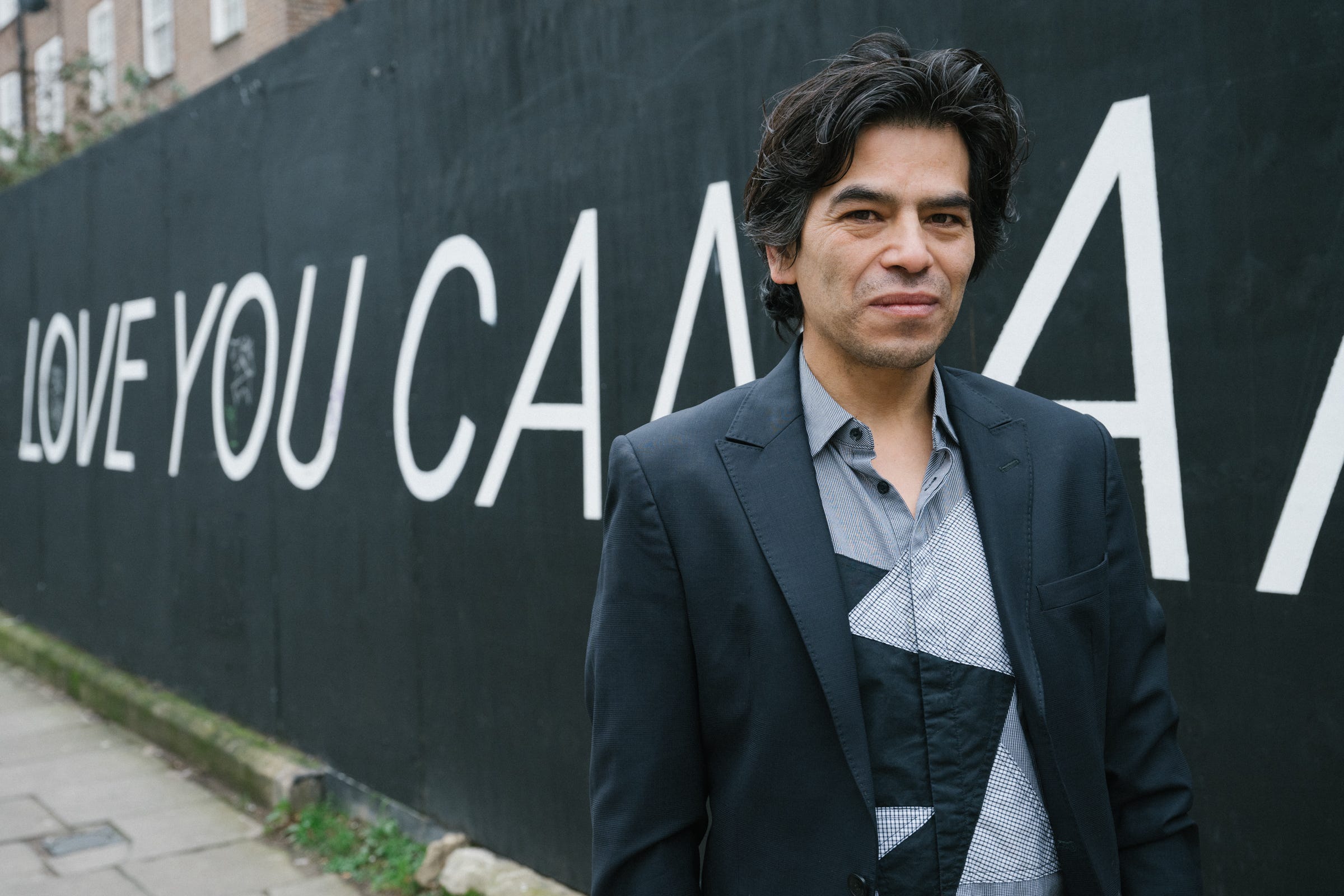
Sixteen years ago, Javier Calderón founded Somers Gallery with the intention of opening spaces of visibility for Latin American art in London.
Today, as the founder of Paraíso, a new Latin American art fair taking place during London Frieze Week 2026, he expands that commitment into a platform that brings together galleries, artists, institutions, and audiences, while imagining new dialogues between Latin America and regions that have historically remained outside its usual circuits.
In this conversation, Javier tells us how Paraíso came into being and how the fair seeks to operate beyond the commercial space. He also speaks about Mexico as the guest country for this first edition, the importance of including galleries and projects of different scales, and his desire to imagine connections between Latin America and regions such as India and the Middle East.

Art in Latin America paid subscribers receive VIP invitations to selected art fairs, including Paraíso. Upgrade your membership here to receive yours.
At what point did you feel it was necessary to create a fair dedicated to Latin American art in London?
JC: From the beginning, 16 years ago, I always wanted to promote Latin American art wherever I was. At first, I focused a lot on Mexican art, and then I thought I was limiting myself, so I expanded into Latin American art.
I think these needs have existed for many years, but there comes a moment when an opportunity appears. For me, that moment is now. I now have enough experience from running Somers Gallery for more than ten years and from having organized festivals that have attracted up to 12,000 people, such as the Day of the Dead festival, in collaboration with the British Library, the Embassy of Mexico, Camden, and local schools.
After the pandemic, everything accelerated and changed. I think we are at a moment in which regions are having new conversations, and this is an opportunity to begin another dialogue between the United Kingdom and Latin America. London is recovering from Brexit and can function as a platform for something bigger.
“I think we are at a moment in which regions are having new conversations, and this is an opportunity to begin another dialogue between the United Kingdom and Latin America.”
After so many years working with Somers Gallery, how do you understand London’s artistic ecosystem?
JC: The United Kingdom’s ecosystem is one of the most developed. It is very complex: academic institutions, associations, foundations, grassroots spaces, independent galleries, commercial galleries, auction houses.
It is an incredible ecosystem. It has taken me time to understand it, first through my experience in different institutions in London and later through Somers Gallery. That familiarity with the scene is what now gives me the confidence to create Paraíso.
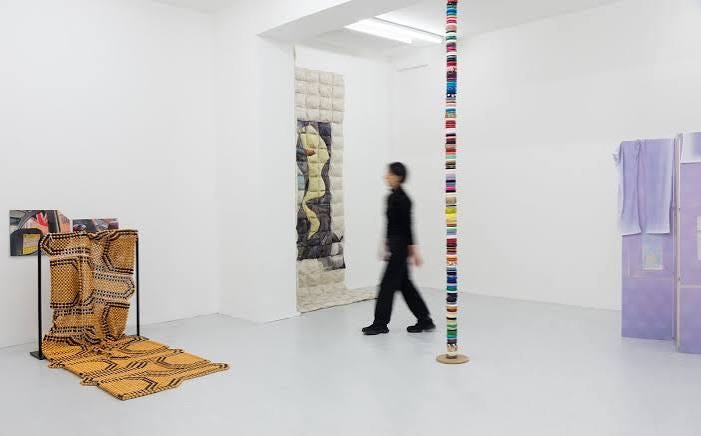
The word Paraíso has many resonances. Why did you choose that name for a Latin American art fair?
JC: Names are always difficult to choose. For me, Paraíso reflects a little of what is expected of Latin America: that paradisiacal landscape, a place where there is sea, warmth, flowers, plants. But Latin America is not only that, and not all countries correspond to that fantasy. Paraíso plays with that expectation and with its contradictions.
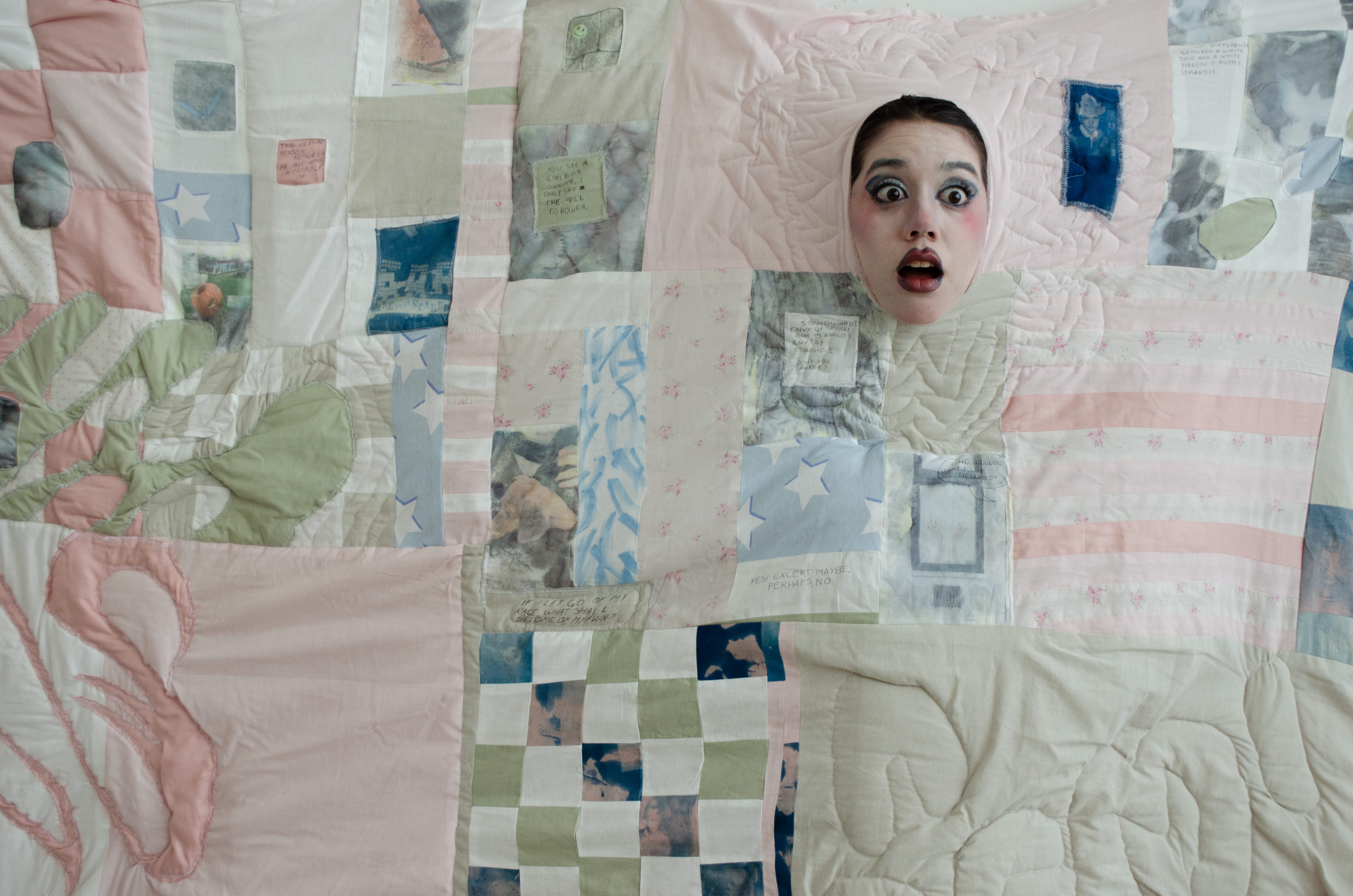
Beyond being a fair, you speak about Paraíso as a platform and as a cultural project. How do you define it?
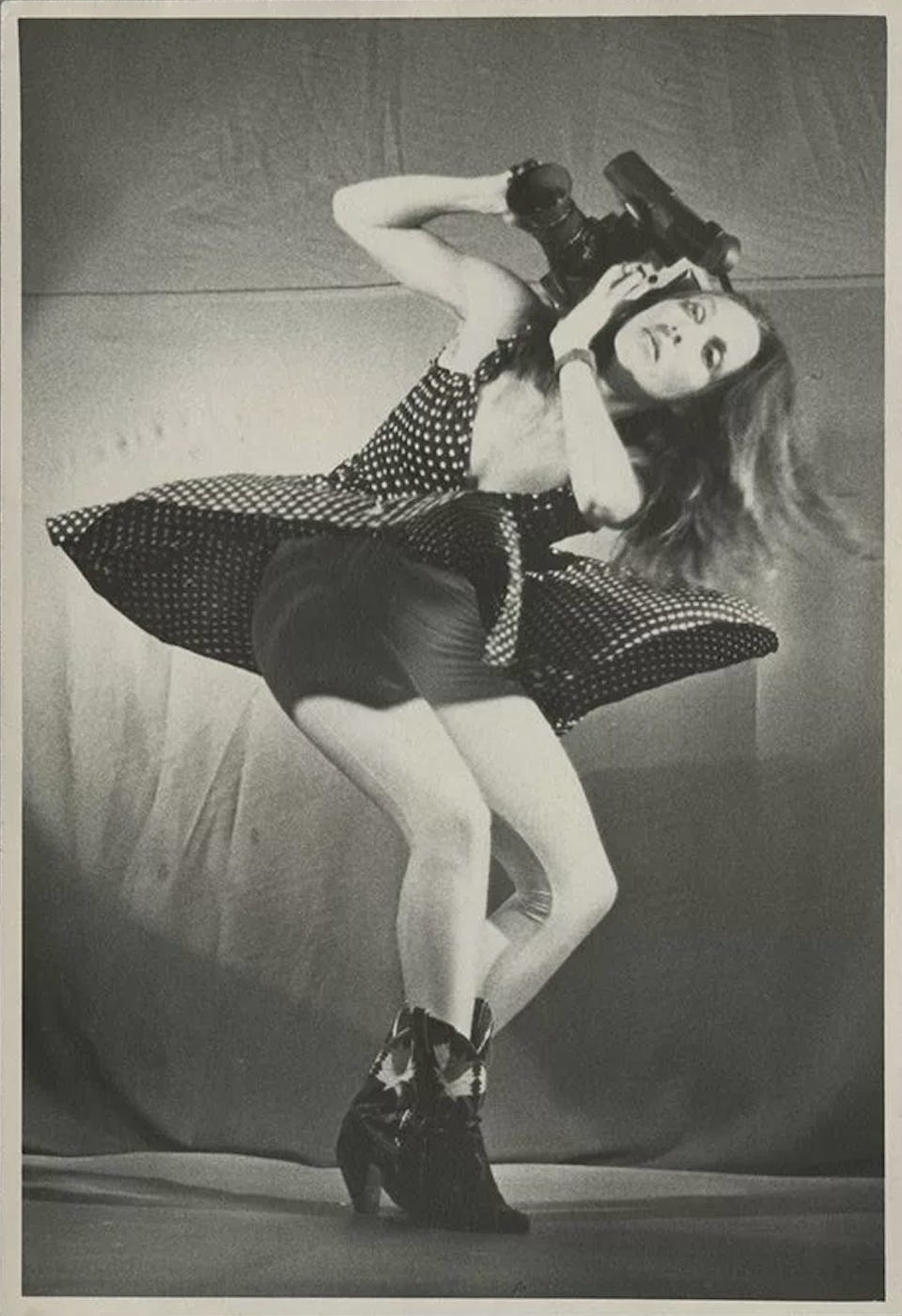
JC: Paraíso is an art fair, but also a platform for creating new dialogues around Latin American art. We do not want to be a version of something that already exists, but rather to build our own identity: to present artists who deserve to be better known, to recover histories, and to propose new things. In this first edition, for example, we include artists such as Felipe Ehrenberg, who deserves much more recognition, and Pola Weiss, a very important figure in Mexican video art.
It is also important to say that Paraíso was not born from a group with major investors or capital behind it. It is a project that exists from the ground up and functions through alliances. I like to think of it as a party: a space where we welcome different participants and galleries, supporting them when possible and understanding that each project has different needs.
That flexibility is key for us. Paraíso brings together established galleries, young projects, artists trained in prestigious institutions, and other spaces that do not necessarily operate as galleries but have a serious proposal and care about the quality of the art. What we are trying to do is open up more opportunities without losing sight of the merit and quality of what is being presented.
“Paraíso brings together established galleries, young projects, artists trained in prestigious institutions, and other spaces that do not necessarily operate as galleries but have a serious proposal and care about the quality of the art. What we are trying to do is open up more opportunities without losing sight of the merit and quality of what is being presented.”
What kinds of galleries and projects come together in this first edition? What criteria guided the selection?
JC: The criterion has been to try to give voice to different voices. We have projects such as Salón Silicón, from Mexico, a young project with a very strong focus on women and queer communities. We also have Kiosko, from Bolivia, which makes me very happy because we wanted to include proposals from more peripheral countries, with scenes that often circulate less and about which it is not always easy to find information from the outside.
On the other hand, we have a gallery like Cecilia Brunson Projects, from London, a very well-positioned and powerful gallery, which participates in Frieze London and Frieze Masters, and also with us. We are also working with Juan Canela, the chief curator of the Museum of Contemporary Art of Panama, who is making a video selection from Central American galleries. Imagining that a small gallery from Honduras, El Salvador, or Panama could come all the way to London and take that risk is not easy at all. Being able to include those voices excites me a lot.
“We wanted to include proposals from more peripheral countries, with scenes that often circulate less and about which it is not always easy to find information from the outside.”
Mexico will be the guest country of this first edition. Why did you decide to start there?
JC: I decided to start with Mexico for obvious reasons: I am Mexican and I know much more about Mexico than about any other country in Latin America. But, in addition, Mexico is one of the most complex and rich countries in Latin America. Together with the area of Peru, Ecuador, and Bolivia, it forms part of one of the great original civilizations. It is an incredibly rich culture, where the ancient, the modern, and the contemporary coexist all the time.
Mexico has a very influential tradition in the twentieth century, with Mexican modernism, and a dynamic history from the sixties and seventies onward. That is why we speak about Felipe Ehrenberg, Pola Weiss, and what happens in the eighties and nineties. When you bring all that history together, there is no other country like Mexico in Latin America. Brazil has had great strength, especially in the twentieth century, but Mexico has a different historical depth. We would not even have time to make a complete introduction, but it is important that this is understood.
Beyond the booths, Paraíso will include installations, publications, performances, and a public program. How do you imagine the experience of walking through the fair?
JC: Paraíso will be an intimate fair. There will be a section where the public program takes place: a playful space that can function for an academic or historical presentation and then transform itself for a performance.
Then the public will be able to walk through the space, encounter the galleries, and move toward a more open section with artists and projects that one would expect to see at a satellite fair: young artists, recent graduates from local universities. Then there will be a food section, where there is noise, where there is flavor, and also an area for publications and editions.
Where do you imagine Paraíso in five years?
JC: I do not necessarily imagine it much bigger than what we are doing now, but I do imagine it playing an important role in the institutional, educational, and cultural relationship between Latin America and other regions.
I would love for Paraíso, in five years, to have a couple of editions in other countries where encounter is needed: Paraíso Seoul, Paraíso Delhi, Paraíso Dubai, Paraíso Shanghai. We need to create new dialogues between Latin America and other regions that have been denied.
We have always functioned through a centralized network: to get from Latin America to another region, you have to pass through the United States or Europe. What we are seeking is to create new encounters. It is time to discover China, India, the Middle East, and other regions, and also for those regions to discover Latin America.
Art is not something superficial. For me, art is close to ancient philosophy, religion, mythology, symbolism, ceremony, ritual. If we are truly concerned about the world and about society, art can create new connections and opportunities.
“I would love for Paraíso, in five years, to have a couple of editions in other countries where encounter is needed: Paraíso Seoul, Paraíso Delhi, Paraíso Dubai, Paraíso Shanghai. We need to create new dialogues between Latin America and other regions that have been denied...It is time to discover China, India, the Middle East, and other regions, and also for those regions to discover Latin America.”
To close, what call would you like to make from Paraíso?
JC: We need to believe in it, and we need to make things happen. I invite more people to join us and become part of a decentralized, open, and non-hierarchical network.
One can collaborate in a small way or in a larger way, through a very strong participation or through something lighter. Paraíso is for everyone.
To learn more about Javier Calderón and Paraíso, visit:
En conversación con: Javier Calderón
Hace 16 años, Javier Calderón fundó Somers Gallery con la intención de abrir espacios de visibilidad para el arte latinoamericano en Londres.
Hoy, como fundador de Paraíso, una nueva feria de arte latinoamericano durante London Frieze Week 2026, amplía ese compromiso hacia una plataforma que reúne galerías, artistas, instituciones y públicos, mientras imagina nuevos diálogos entre América Latina y regiones que históricamente han quedado fuera de sus circuitos habituales.
En esta conversación, Javier nos cuenta cómo nace Paraíso y cómo la feria busca funcionar más allá del espacio comercial. También habla sobre México como país invitado en esta primera edición, la importancia de incluir galerías y proyectos de distintas escalas, y su deseo de imaginar conexiones entre América Latina y regiones como India y Medio Oriente.

Los miembros pagos de Art in Latin America reciben invitaciones VIP a ferias de arte seleccionadas, incluyendo Paraíso. Actualiza tu membresía aquí para recibir la tuya.
¿En qué momento sentiste que era necesario crear una feria dedicada al arte latinoamericano en Londres?
JC: Desde el principio, hace 16 años, siempre quise promover arte latinoamericano en el lugar donde estuviera. Primero me enfoqué mucho en arte mexicano, y después pensé que me estaba limitando y me expandí al arte latinoamericano.
Creo que estas necesidades han existido desde hace muchos años, pero llega un momento en el que aparece una oportunidad. Para mí, ese momento es ahora. Ya tengo suficiente experiencia de llevar Somers Gallery por más de diez años y de haber hecho festivales que han atraído hasta 12.000 personas, como el festival de Día de Muertos, en colaboración con la British Library, la Embajada de México, Camden y escuelas de la zona.
Después de la pandemia, todo se aceleró y cambió. Creo que estamos en un momento en el que las regiones están teniendo nuevas conversaciones, y es una oportunidad para iniciar otro diálogo entre el Reino Unido y América Latina. Londres se está recuperando del Brexit y puede funcionar como una plataforma para algo más grande.
“Creo que estamos en un momento en el que las regiones están teniendo nuevas conversaciones, y es una oportunidad para iniciar otro diálogo entre el Reino Unido y América Latina.”
Después de tantos años trabajando con Somers Gallery, ¿cómo entiendes el ecosistema artístico de Londres?
JC: El ecosistema del Reino Unido es uno de los más desarrollados. Es muy complejo: instituciones académicas, asociaciones, fundaciones, espacios grassroots, galerías independientes, galerías comerciales, casas de subasta.
Es un ecosistema increíble. Me ha tomado tiempo entenderlo, primero desde mi experiencia en distintas instituciones en Londres y luego a través de Somers Gallery. Esa familiaridad con la escena es lo que hoy me da la confianza para crear Paraíso.
La palabra Paraíso tiene muchas resonancias. ¿Por qué elegiste ese nombre para una feria de arte latinoamericano?
JC: Los nombres siempre son difíciles de escoger. Para mí, Paraíso refleja un poco lo que se espera de América Latina: ese paisaje paradisíaco, un lugar donde hay mar, calor, flores, plantas. Pero Latinoamérica no es solo eso, ni todos los países responden a esa fantasía. Paraíso juega con esa expectativa y con sus contradicciones.
Además de una feria, hablas de Paraíso como una plataforma y como un proyecto cultural. ¿Cómo lo defines?
JC: Paraíso es una feria de arte, pero también una plataforma para crear nuevos diálogos alrededor del arte latinoamericano. No queremos ser una versión de algo que ya existe, sino construir una identidad propia: presentar artistas que merecen ser mejor conocidos, rescatar historias y proponer cosas nuevas. En esta primera edición, por ejemplo, incluimos a artistas como Felipe Ehrenberg, que merece mucho más reconocimiento, y Pola Weiss, una figura muy importante del videoarte mexicano.
También es importante decir que Paraíso no nace de un grupo con grandes inversionistas o capital detrás. Es un proyecto que existe desde abajo y que funciona a partir de alianzas. Me gusta pensarlo como una fiesta: un espacio donde damos la bienvenida a participantes y galerías distintas, apoyándolas cuando sea posible y entendiendo que cada proyecto tiene necesidades diferentes.
Esa flexibilidad es clave para nosotros. Paraíso reúne galerías consolidadas, proyectos jóvenes, artistas formados en instituciones prestigiosas y otros espacios que no necesariamente funcionan como galerías, pero que tienen una propuesta seria y cuidan la calidad del arte. Lo que intentamos es abrir más oportunidades sin perder de vista el mérito y la calidad de lo que se presenta.
“Paraíso reúne galerías consolidadas, proyectos jóvenes, artistas formados en instituciones prestigiosas y otros espacios que no necesariamente funcionan como galerías, pero que tienen una propuesta seria y cuidan la calidad del arte. Lo que intentamos es abrir más oportunidades sin perder de vista el mérito y la calidad de lo que se presenta.”
¿Qué tipo de galerías y proyectos se reúnen en esta primera edición? ¿Qué criterios guiaron la selección?
JC: El criterio ha sido tratar de dar voz a distintas voces. Tenemos proyectos como Salón Silicón, de México, un proyecto joven con un enfoque muy fuerte en mujeres y comunidades queer. También tenemos Kiosko, de Bolivia, que me da mucha alegría porque queríamos incluir propuestas de países más periféricos, con escenas que muchas veces circulan menos y sobre las que no siempre es fácil tener información desde afuera.
Del otro lado, tenemos una galería como Cecilia Brunson Projects, de Londres, una galería muy posicionada y con gran fuerza, que se presenta en Frieze London y Frieze Masters, y también con nosotros. También estamos trabajando con Juan Canela, el curador jefe del Museo de Arte Contemporáneo de Panamá, que está haciendo una selección de video de galerías de Centroamérica. Imaginar que una galería pequeña de Honduras, El Salvador o Panamá pueda venir hasta Londres y arriesgarse no es nada fácil. Poder incluir esas voces me entusiasma mucho.
“Queríamos incluir propuestas de países más periféricos, con escenas que muchas veces circulan menos y sobre las que no siempre es fácil tener información desde afuera.”
México será el país invitado de esta primera edición. ¿Por qué decidiste empezar por ahí?
JC: Decidí empezar con México por razones obvias: soy mexicano y conozco mucho más de México que de cualquier otro país de América Latina. Pero, además, México es uno de los países más complejos y ricos de América Latina. Junto con el área de Perú, Ecuador y Bolivia, forma parte de una de las grandes civilizaciones originarias. Es una cultura increíblemente rica, donde lo antiguo, lo moderno y lo contemporáneo conviven todo el tiempo.
México tiene una tradición muy influyente en el siglo XX, con el modernismo mexicano, y una historia dinámica desde los años sesenta y setenta. Por eso hablamos de Felipe Ehrenberg, de Pola Weiss, de lo que pasa en los ochenta y los noventa. Cuando juntas toda esa historia, no hay otro país como México en América Latina. Brasil ha tenido una gran fuerza, sobre todo en el siglo XX, pero México tiene una profundidad histórica distinta. No nos daría tiempo ni siquiera de hacer una introducción completa, pero es importante que se entienda.
Más allá de los stands, Paraíso incluirá instalaciones, publicaciones, performances y un programa público. ¿Cómo imaginas la experiencia de recorrer la feria?
JC: Paraíso será una feria íntima. Habrá una sección donde sucede el programa público: un espacio lúdico que puede funcionar para una presentación académica o histórica, y después transformarse para un performance.
Luego el público podrá caminar por el espacio, encontrarse con las galerías, moverse hacia una sección más abierta con artistas y proyectos que uno esperaría ver en una feria satélite: artistas jóvenes, recién graduados de universidades locales. Después habrá una sección de comida, donde se escuche ruido, donde haya sabor, y también una zona de publicaciones y ediciones.
¿Dónde imaginas a Paraíso en cinco años?
JC: No me lo imagino necesariamente mucho más grande que lo que estamos haciendo ahora, pero sí con un papel importante en la relación institucional, educativa y cultural entre América Latina y otras regiones.
Me encantaría que en cinco años Paraíso tuviera un par de ediciones en otros países donde nos hace falta el encuentro: Paraíso Seúl, Paraíso Delhi, Paraíso Dubái, Paraíso Shanghái. Necesitamos crear nuevos diálogos entre América Latina y otras regiones que han sido negadas.
Siempre hemos funcionado con una red centralizada: para llegar de América Latina a otra región tienes que pasar por Estados Unidos o por Europa. Lo que buscamos es crear nuevos encuentros. Es momento de descubrir China, India, Medio Oriente y otras regiones, y también de que esas regiones descubran América Latina.
El arte no es algo superficial. Para mí, el arte está cerca de la filosofía antigua, la religión, la mitología, el simbolismo, la ceremonia, el ritual. Si realmente estamos preocupados por el mundo y por la sociedad, el arte puede crear nuevas conexiones y oportunidades.
“Me encantaría que en cinco años Paraíso tuviera un par de ediciones en otros países donde nos hace falta el encuentro: Paraíso Seúl, Paraíso Delhi, Paraíso Dubái, Paraíso Shanghái. Necesitamos crear nuevos diálogos entre América Latina y otras regiones que han sido negadas…Es momento de descubrir China, India, Medio Oriente y otras regiones, y también de que esas regiones descubran América Latina.”
Para cerrar, ¿qué llamado te gustaría hacer desde Paraíso?
JC: Hay que confiar y hay que hacer. Yo hago un llamado a que más personas se unan, a que sean parte de una red descentralizada, abierta y no jerárquica.
Se puede colaborar de una forma pequeña o de una forma mayor, desde una participación muy fuerte o desde algo más ligero. Paraíso es para todos.
Para saber más sobre Javier Calderón y Paraíso, visita: