


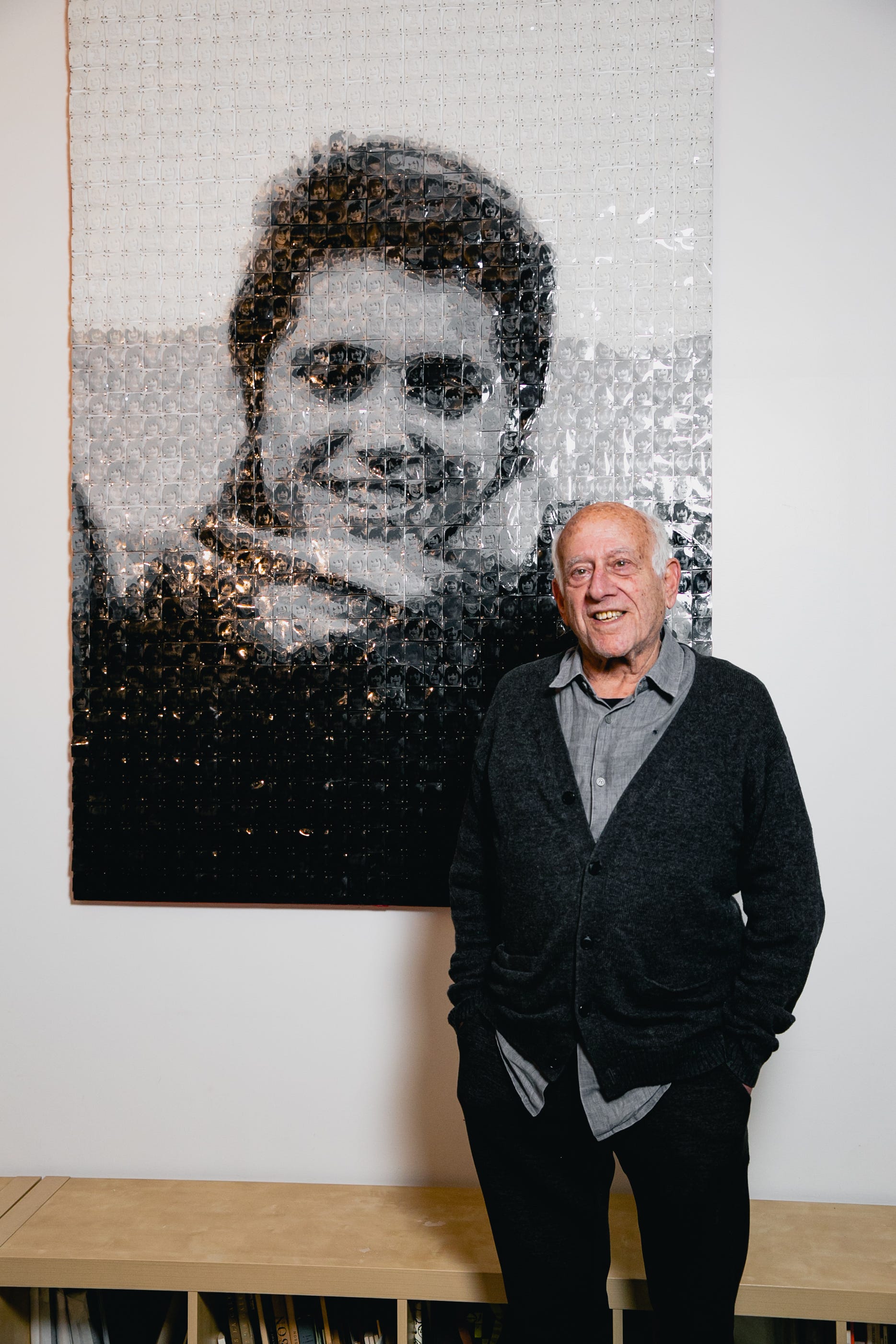
Active since the late 1960s in Paris, with a foundational career as curator at the Musée d’Art Moderne de la Ville de Paris, director of international institutions, gallerist and philanthropist, little is said today about the figure of Gilbert Brownstone (New York, 1938).
A hardened intellectual and humanist. He settled in Paris in the 1960s after training in Political Science and Art History, in order to contribute to the construction of contemporary art in the city and open it to international dialogue. Curator of the first exhibitions of Andy Warhol and Lucio Fontana in Paris, he developed a curatorial and intellectual trajectory marked by humility, commitment and simplicity. Going against the grain of an era dominated by self-representation and stardom, Brownstone operates from the silence of a critical and firm position vis-à-vis art and the artists he has accompanied.
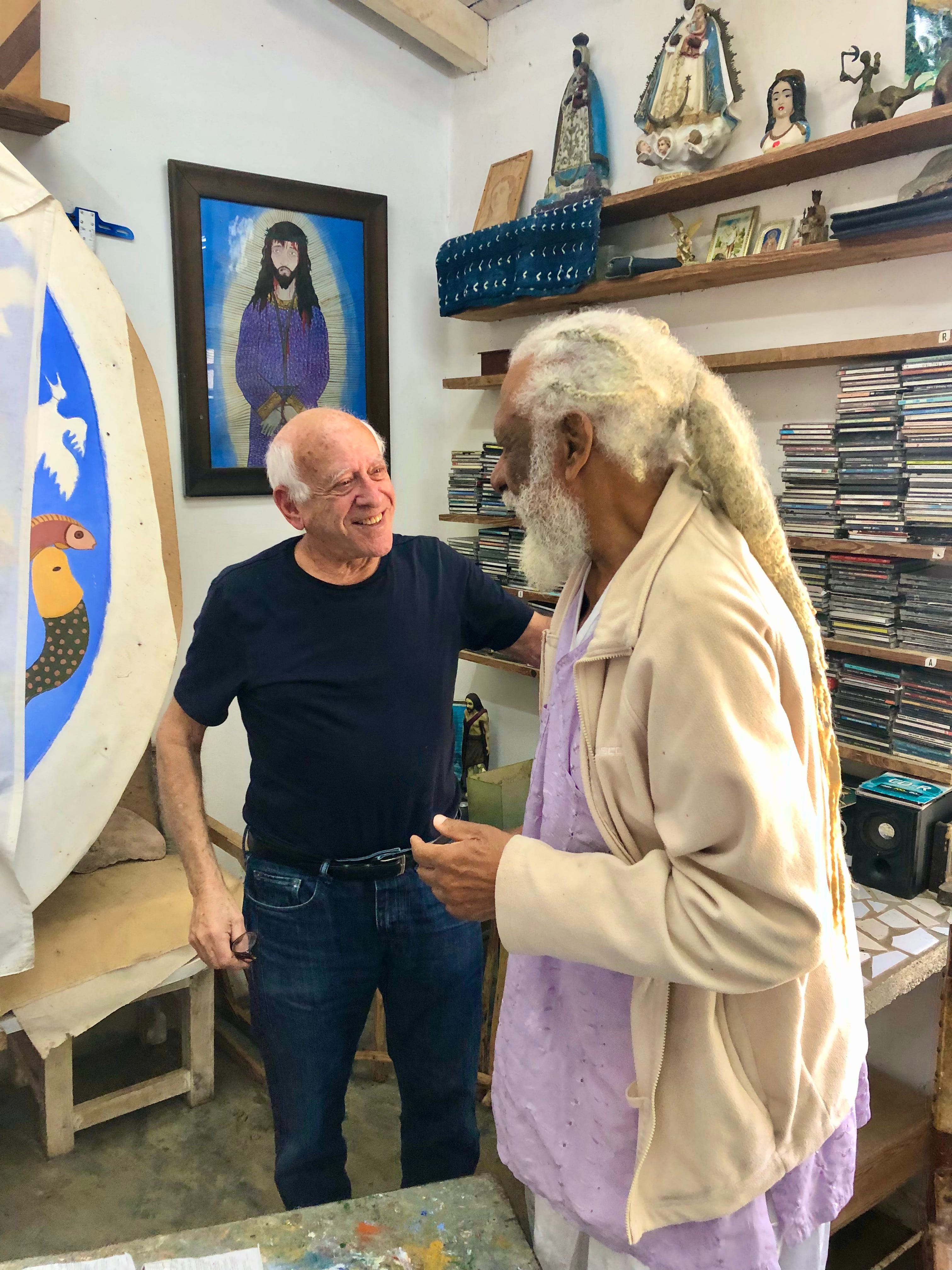
For more than twenty years, following a journey through different countries in Latin America that brought him closer to Global South thought, he became deeply committed to Cuban art, a country he continues to support to this day through the foundation that bears his name — today Association NOEMI – Espace Brownstone — based in Paris.
From the very beginning of your career, in the late 1960s, you developed a way of working with art that is essentially political.
You begin to identify with and accompany artists whose practices, “sharp and conflictual,” do not correspond to the more canonical tradition of modern art of the time. This is the case with your closeness to artists such as Edward Kienholz or Piotr Kowalski. To what extent do you consider that your experience with these artists — which also laid the foundations of your career — defined your way of understanding curatorship? Is curating, for you, a political act?
GB: After my studies in Political Science and Art History at the Sorbonne in Paris, I returned to New York at the end of 1963, accompanied by René Drouin, an important art dealer and gallerist who had founded his first gallery at Place Vendôme in 1938, together with his friend Leo Castelli.
Once in New York, I came into contact with the American Federation of Arts (AFA), an institution that organized exhibitions for mid-sized museums that did not have specialized organizers, that is, curators. When I began my collaboration with the AFA in 1964, they asked me to work with Louise Nevelson, with whom I would maintain a friendship and professional relationship until her death in 1988. At that same time, I often saw William Rubin, director of MoMA. I asked him to work with him, and he replied that thousands of people would want the same thing, and that instead I should try to work in a European museum, since I had studied Art History in Paris, and this would help speed up my career in the United States.
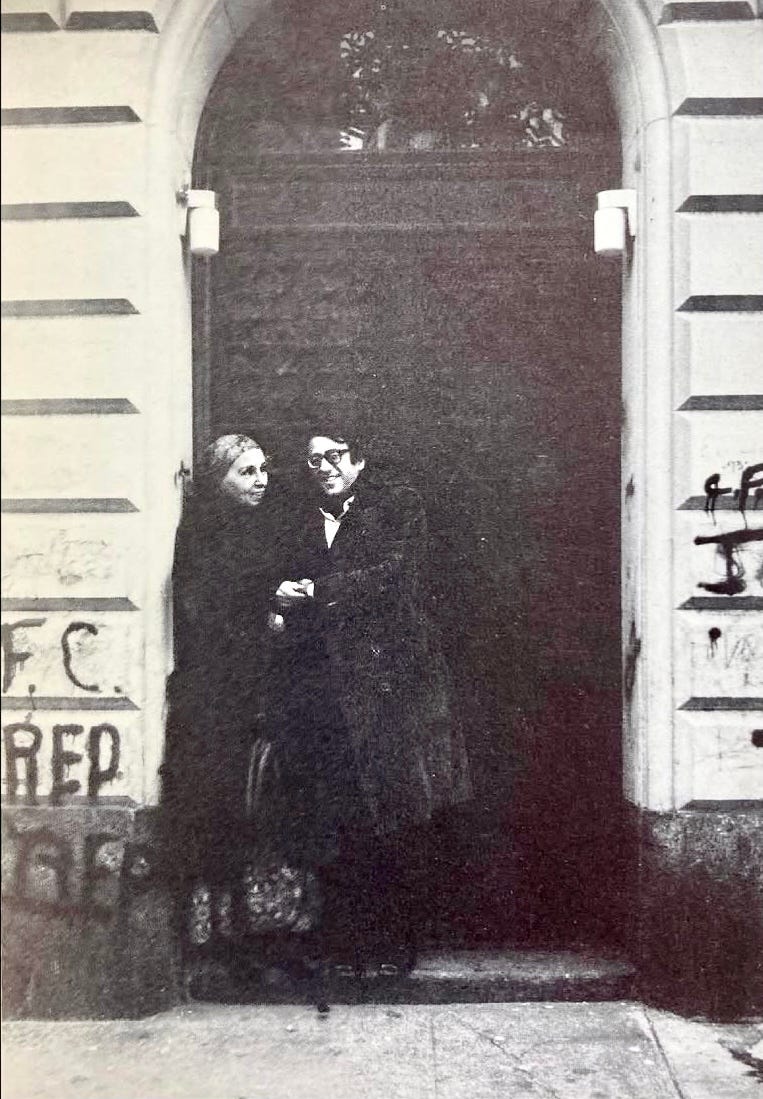
In the 1960s, in France neither the Musée d’Art Moderne nor the Musées de la Ville de Paris showed contemporary art, except for the Centre National d’Art Contemporain (CNAC), 11 Rue Berryer 75008, where we exhibited Edward Kienholz in 1970, and the Animation – Recherche – Confrontation section created by Pierre Gaudibert in 1967. Meanwhile, in the rest of Europe, only a few museums such as the Stedelijk Museum in Amsterdam, the Ludwig in Cologne, and a museum in Stockholm were beginning to take an interest in the contemporary art scene.
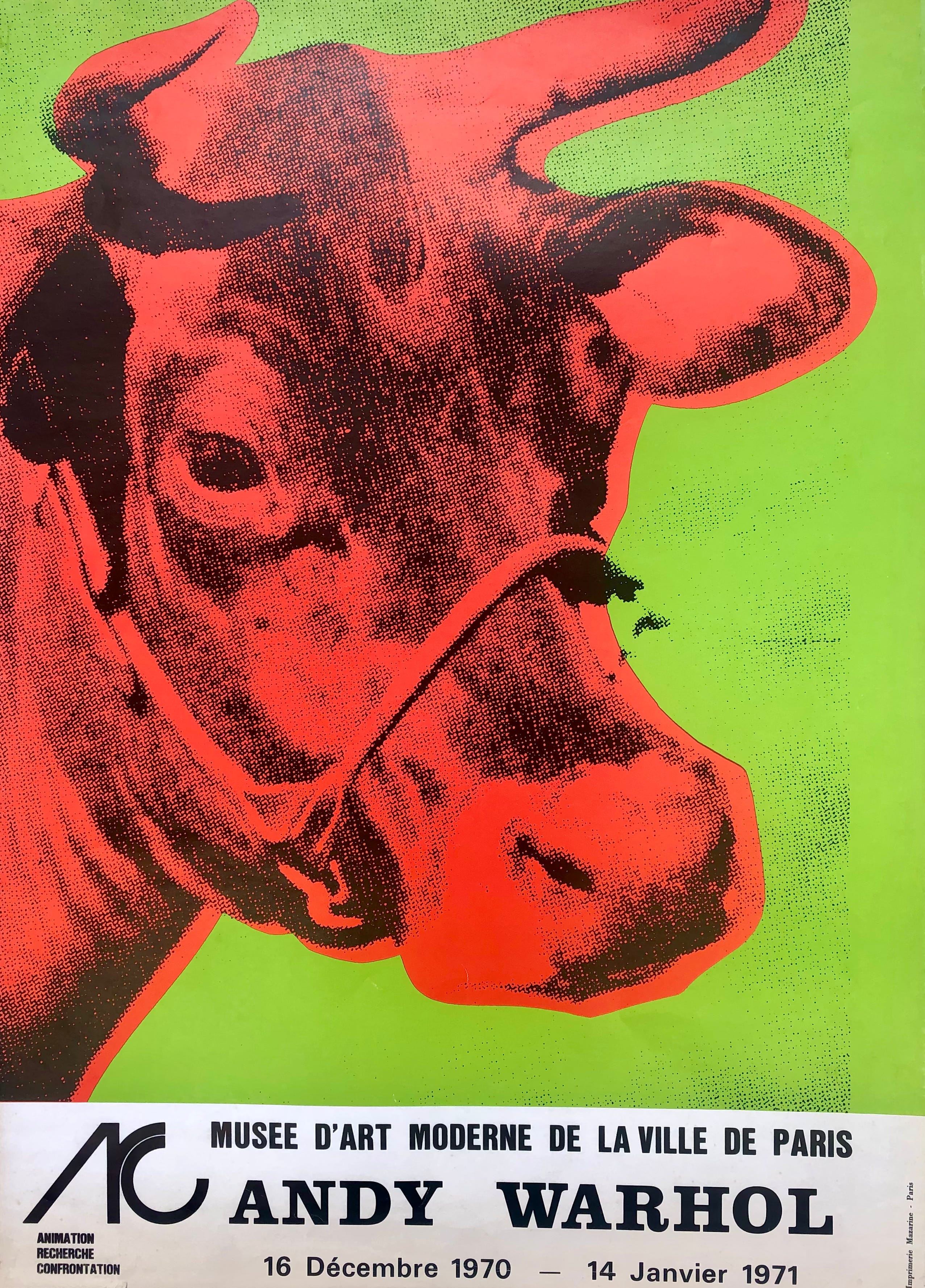
I then returned to Paris and contacted Willem Sandberg, director of the Stedelijk Museum, to explore job opportunities. Before meeting him, my friend René Drouin told me about a position that had just opened within the A.R.C., one of the first contemporary art departments in France, which was itself part of the Musée d’Art Moderne de la Ville de Paris. When I met with Pierre Gaudibert, he told me that the next exhibition scheduled for June 1968 would be Robert Rauschenberg, and that I could collaborate as the artist’s mediator and translator. Thus, in October 1967, I began working with him, together with Suzanne Pagé, today artistic director of the Fondation Louis Vuitton.
The opportunity to collaborate so early with Louise Nevelson, and later with the artists we exhibited at the A.R.C. — such as Robert Rauschenberg, Andy Warhol, E. Kienholz, Jean Dewasne, Gilles Aillaud, Erró, Panamarenko, etc. — clearly defined my first encounters with art at a time when pop culture and consumer politics resonated strongly in American society. At the A.R.C., guided and driven by Pierre Gaudibert — a man with deep political convictions — we took on conflictual and socially committed exhibitions, with participatory and performative practices, etc.
Pierre’s main aesthetic premise, and therefore that of the A.R.C., was not so much based on formal radicality, but on the political message of the artists we exhibited.
This was the case, for example, of the exhibition La salle rouge pour le Vietnam, presented at the A.R.C. at the beginning of 1969. “The Red Room for Vietnam” was a collective manifestation initially conceived for the Salon de la Jeune Peinture of 1968, which was censored due to the events of May ’68.
Gaudibert decided to program it the following year at the A.R.C. as a “tribute to the Vietnamese people fighting against U.S. aggression.” We were undoubtedly living in deeply political, convulsive and revolutionary times in the artistic sphere, but we did not conceive of what we were doing as curating. We organized artistic manifestations that became exhibitions.
According to Pierre himself, we were not curators, but ANIMATORS.
During your time as a curator at the A.R.C., you worked closely with fundamental figures such as Pierre Gaudibert and Suzanne Pagé, at a moment when the museum was conceived not only as a space of conservation, but as a true laboratory of research, confrontation and political and aesthetic debate.
What lessons from that period do you consider still relevant today, in the face of a museum context increasingly conditioned by spectacularization and market logics?
GB: My first experience as a curator, which was at the American Federation of Arts (AFA), a private institution, was limited to a rather conventional process of artist selection. We chose the creators whose works would be distributed and presented in different museums across the country, following criteria closely linked to private management and patronage.
This is a mechanism that remains common in U.S. cultural policy. Many institutions and museums are private, and their programming is subject to the decisions of boards of patrons driven by economic and commercial interests, with little social commitment. When I began working with artists such as Rauschenberg, Lichtenstein and Warhol in Paris, there was among us a certain shared political orientation that was not explicit, but was almost evident as cultural actors.
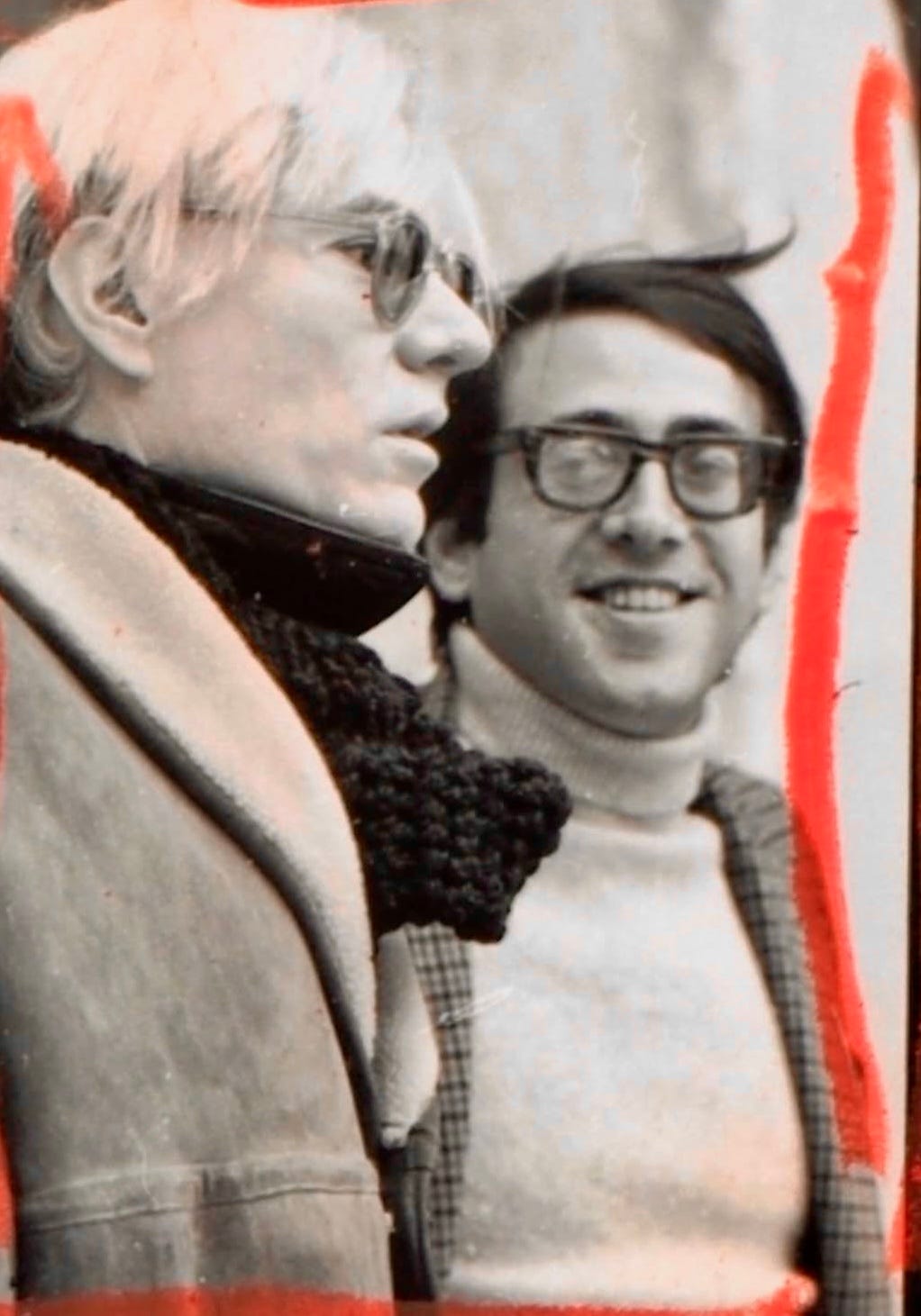
In the case of Pierre Gaudibert, his political intentionality was always clear.
The A.R.C. exhibitions functioned as collective laboratories of creation, where everyone had the freedom to propose, think and dissent. Although we did not identify ourselves as “curators,” we enjoyed broad freedom of work and labor conditions based on equality, respect for others’ perspectives and a holistic understanding of art.
At the A.R.C., the figure of the curator as a “star” did not matter, nor was there any spectacularization of the curatorial role. The exhibition format and the museum as a space of experimentation and creative freedom were prioritized. All this experience was possible thanks to Pierre’s insistence on the political and social content of art, conceived as a mirror of social conflicts and a receptacle for the climate of change and revolution sweeping the world.
The A.R.C. was intransigent toward any form of commercialization or artistic spectacularization. A social art was produced, in tune with the whirlwind of its time. I believe this was the great lesson of that period, which inevitably marked my later career.
In the mid-1980s, after a long career as a curator in several institutions, you decided to open your own gallery, under the name Gilbert Brownstone & Co., located on Rue Saint-Gilles, in Paris’s 3rd arrondissement.
From there, you began to pioneer the presentation in Paris of artists who would later become key figures of minimal art, such as Josef Albers, Larry Bell or Sol LeWitt, among many others, who like you mainly came from the United States and were beginning to position themselves within the orbit of international art.
How much did the decision to commercially represent these artists in Paris influence your relationship to the institutional trajectory you had developed up to that point?
GB: This answer deserves a preamble. I finished my duties at the A.R.C. and assumed the position of director of the Picasso Museum in Antibes until 1975, with the agreement of the Musées de France and the Mairie d’Antibes.
The museum had been created in 1946 by the historian and great friend of Picasso, Romuald Dor de la Souchère.
In 1946, Picasso left his studio in Cannes and was looking for a place to settle.
Dor de la Souchère proposed that he use the Château Grimaldi, which at the time served as a storage facility for the region’s archaeological archives.
Picasso carried out a six-month creative residency there and, upon leaving the Château, left the works produced during that period in situ.
Thus the Picasso Museum of Antibes was born. As I often vacationed in Antibes, I became close to Dor de la Souchère. Dor created a temporary exhibition space on the second floor of the Château where he exhibited artists such as Alexander Calder, Joan Miró and Nicolas de Staël. After taking up the post of director, I continued organizing those exhibitions without modifying the rest of the architecture. I then had the idea of creating M.A.R.C., a Mediterranean version of the Parisian A.R.C. promoted by Gaudibert.
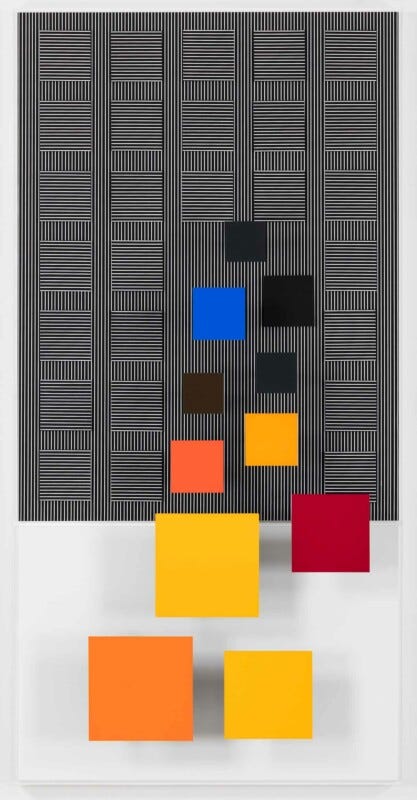
The first exhibition of M.A.R.C. was a dialogue between Dewasne and Kowalski. A little later, in 1975, on the recommendation of Willem Sandberg, I was contacted by the Israel Museum in Jerusalem, which was looking for a new chief curator with international experience. The Israel Museum had been conceived shortly after the creation of the State in 1948, modeled on the Metropolitan Museum of New York. It was created with the purpose of housing a varied collection representing modern, contemporary and decorative art, with a sculpture garden, a section of objects and antiquities, as well as a section dedicated to the national archives of the Dead Sea.
Willem Sandberg had directed the museum until his retirement. Upon arriving at the interview, I understood that the in-house curators — especially Yona Fischer — were art historians specialized in Israel and the Middle East, territories with which I was unfamiliar. I therefore proposed assuming the role of curator at large, responsible for strengthening the museum’s ties with international artists and contributing to the expansion of the permanent collection. I worked at the museum until 1979, the year in which I perceived political changes with which I did not identify, leading me to submit my resignation.
My return to Paris that same year was also motivated by the desire to spend more time with my family and my two young daughters. I recall that Pontus Hultén, director of the Musée National d’Art Moderne – Centre Georges Pompidou, offered me the position of handling the Pompidou’s institutional relations in New York, and I decided to decline the offer in order to re-establish myself in Paris. With the intention of giving my career a new direction, although without a precise plan as to what I would present, I opened a gallery on Rue Saint-Gilles under the name Gilbert Brownstone & Co. The first exhibition was a tribute to Claude Givaudan and his trajectory as a gallerist. Although Claude was an art dealer, he was a kind of surrealist dealer, or rather, a man with an artist’s creativity. His way of defending art for art’s sake, the humanist selection he made of his artists, outside of any commercial expectation, always fascinated me. His gallery, located at number 201 Boulevard Saint-Germain, had operated for three years.
“With the intention of giving my career a new direction, although without a precise plan as to what I would present, I opened a gallery on Rue Saint-Gilles under the name Gilbert Brownstone & Co.”
During the years I ran the gallery, I never fully identified as an art dealer.
That profession always remained outside my ideals, and I also had no prior experience as a gallerist. Having worked in museums, I was used to the idea that, at the end of an exhibition, interest focused primarily on the feedback received: the response from the press, the public or critics.
By contrast, at the close of a gallery exhibition, attention usually shifts to sales. In my case, that expectation was never present, since those who exhibited with me knew and respected my position. In that context, I presented works by Ed Ruscha, Larry Bell, Gottfried Honegger, Imi Knoebel, John Armleder, Olivier Mosset, Jean-Pierre Raynaud and Franz Erhard Walther.
At that time, I was going through a difficult personal period and was seeking a type of artistic practice that would allow me to abstract myself from my immediate reality; it was precisely for this reason that I became so intensely involved with minimalism.
In 2001, at the age of 63, you decide to undertake a journey through several Latin American countries and, to your surprise, you discover in Cuba an intense effervescence of contemporary art. The quality of the artists you met, the work of the galleries, the avant-garde art collections of the Museo Nacional de Bellas Artes and the solidity of the national art schools — especially the Instituto Superior de Arte (ISA) — immediately caught your attention and sowed in you a love for Cuba and for Cuban art that has not stopped growing to this day. Your love for art, your love for Cuba — the title of the collection of 138 serigraphs donated to the Cuban people in 2011 — consolidated that deep and sustained commitment to the development of the visual arts on the island, a commitment that overflowed the limits of art to also encompass the country’s social and political life.
Since 2001 you have carried out numerous actions in the field of philanthropy. The most concrete example of this commitment is the creation of the Brownstone Foundation in Paris, from which you have promoted for more than two decades residency and exchange programs for Cuban artists, prizes, exhibitions and production support.
During the first years you worked in close contact with the Ministry of Culture of Cuba and, for approximately the last five years, the foundation — now turned into an association — operates in a completely self-managed way in Paris. Being American, resident in France and naturalized Swiss, where do you think this passion for Cuba that has accompanied and driven you for so many years comes from?
GB: When I closed the gallery at the end of the 1990s, I had the feeling that I had exhausted my projections within the more “global” art world, or the so-called First World. My convictions were increasingly oriented toward social justice, the democratization of culture and equality, and from that perspective the following years of my career took shape.
As I was still American — a citizenship I renounced years later — in 1999 I created a foundation registered in Switzerland, but based in Paris, since the economic requirements were considerably lower than in France. Thus the Brownstone Foundation was born, a non-governmental, non-profit organization dedicated to promoting social justice through art, culture and education.
At that time I still had a house in southern Florida, which kept me close to Central and South America. In 2001, together with my wife Catherine Brownstone, I took a trip through Guatemala, Nicaragua and El Salvador with the aim of understanding the region’s cultural policies and their relationship to contemporary art. Unfortunately, we found a lack of cultural democratization, high illiteracy rates and a notable lack of state interest in the development of the arts.
In July 2001 we traveled to Cuba for the first time, almost by accident. There I found a country with high levels of literacy and a strong state priority given to culture. I was impressed by Cubans’ cultural level, their education and the generalized access to the arts: visual arts, ballet, music, cinema, among others. The role of the national art schools, such as the ISA founded in 1972, consolidated that preparation. That is how my passion for Cuban art was born, deeply linked to my political ideals and to the respect I felt for its artists.
Since then, the Brownstone Foundation oriented a large part of its actions toward the development and projection of Cuban art in Paris. In collaboration with the French Ministry of Foreign Affairs — Quai d’Orsay — we created a residency program that allowed creators from all artistic manifestations to reside in Paris for three months, and upon their return to the island they would be ambassadors of French culture.
For eleven years we received around sixty artists. For many it was their first trip to Paris and, in some cases, outside Cuba.
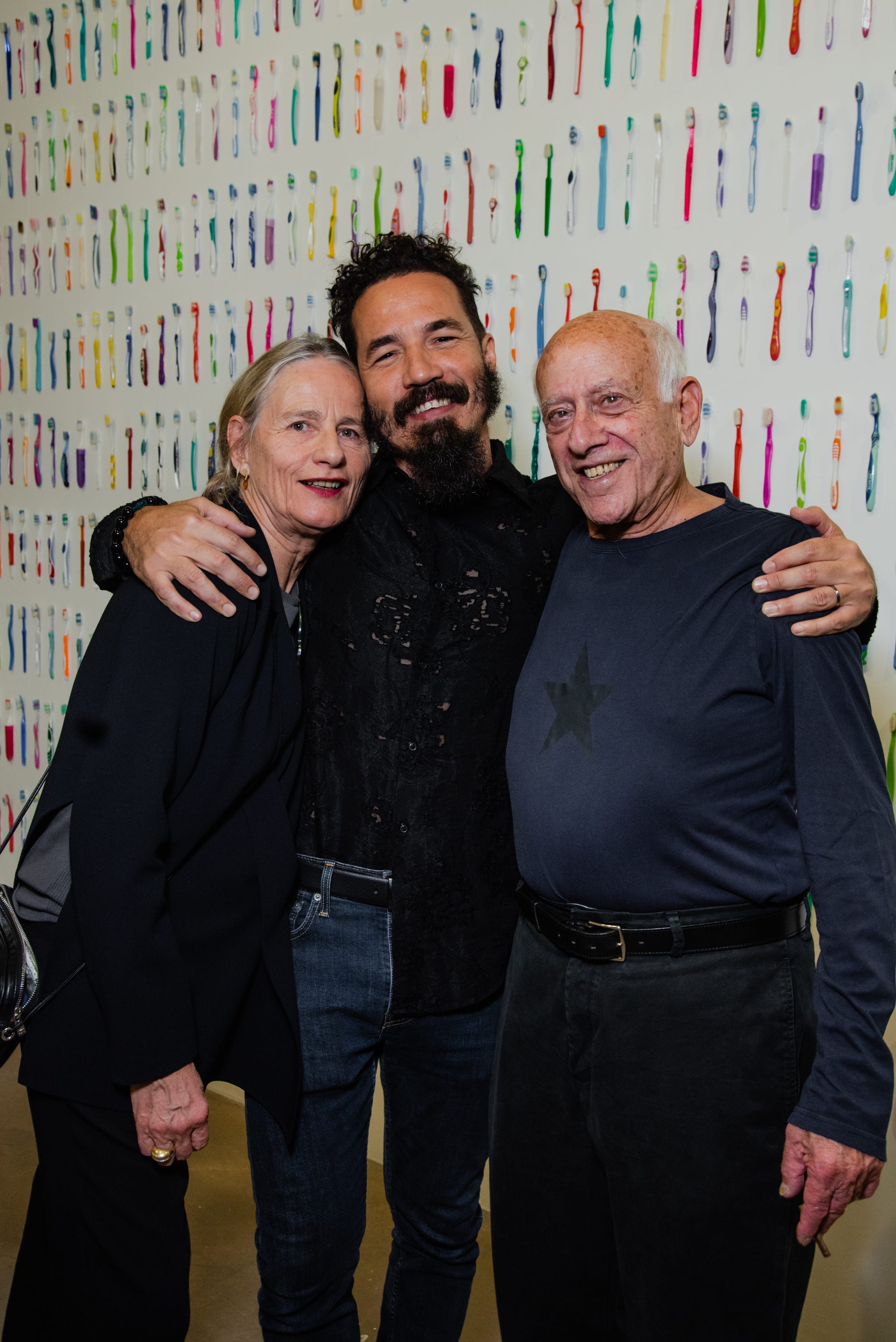
In 2019 you publish your book Art in Cuba, a portrait of 32 Cuban artists residing then on the island, at a moment when artistic production was still solidly rooted in the country, when cultural institutions and artists maintained stable and fruitful working relationships, and Cuban art was going through what many consider a “good moment.”
However, from 2020 onward, with the arrival of Covid-19, Cuba begins to sink into the most serious socioeconomic crisis since 1959: deficits in national production, inflation, monetary changes, the collapse of tourism, state corruption, among other factors, have caused the greatest exodus of recent decades, including numerous artists who have settled mainly in Miami or Madrid. Today, perhaps only 5% of the artists included in your book remain in Cuba. Their living conditions have changed, as have their aesthetic concerns, themes and survival strategies, with a direct impact on their creative processes.
Given your extensive experience researching and supporting Cuban art, where do you think it is headed, both in terms of the market and artistic quality?
GB: I do not consider myself the person most authorized to predict the destiny of Cuban art, but I can try to offer a reading from experience.
Until shortly before the publication of the book Art in Cuba (Éditions Flammarion, 2019, published in French, English and Spanish), Cuba was still going through a relatively fertile moment for contemporary art that, in my opinion, had begun in the 1980s. At the beginning of the decade, Gerardo Mosquera and Llilian Llanes created the Havana Biennial, considered the first biennial of the so-called Third World. Its emergence marked a turning point not only for Cuban art, but for the reconfiguration of international circuits, by shifting the axis of artistic legitimation beyond Europe and the United States.
In parallel, in those years fundamental experimental practices emerged — performance, happening and body art — as well as key collectives of Cuban visual art such as Volumen I, Puré and 4x4. A generation of conceptual and critical artists also emerged, among them Lázaro Saavedra, Gustavo Pérez Monzón and René Francisco Rodríguez, who laid the foundations for a deeply reflective and political artistic production.
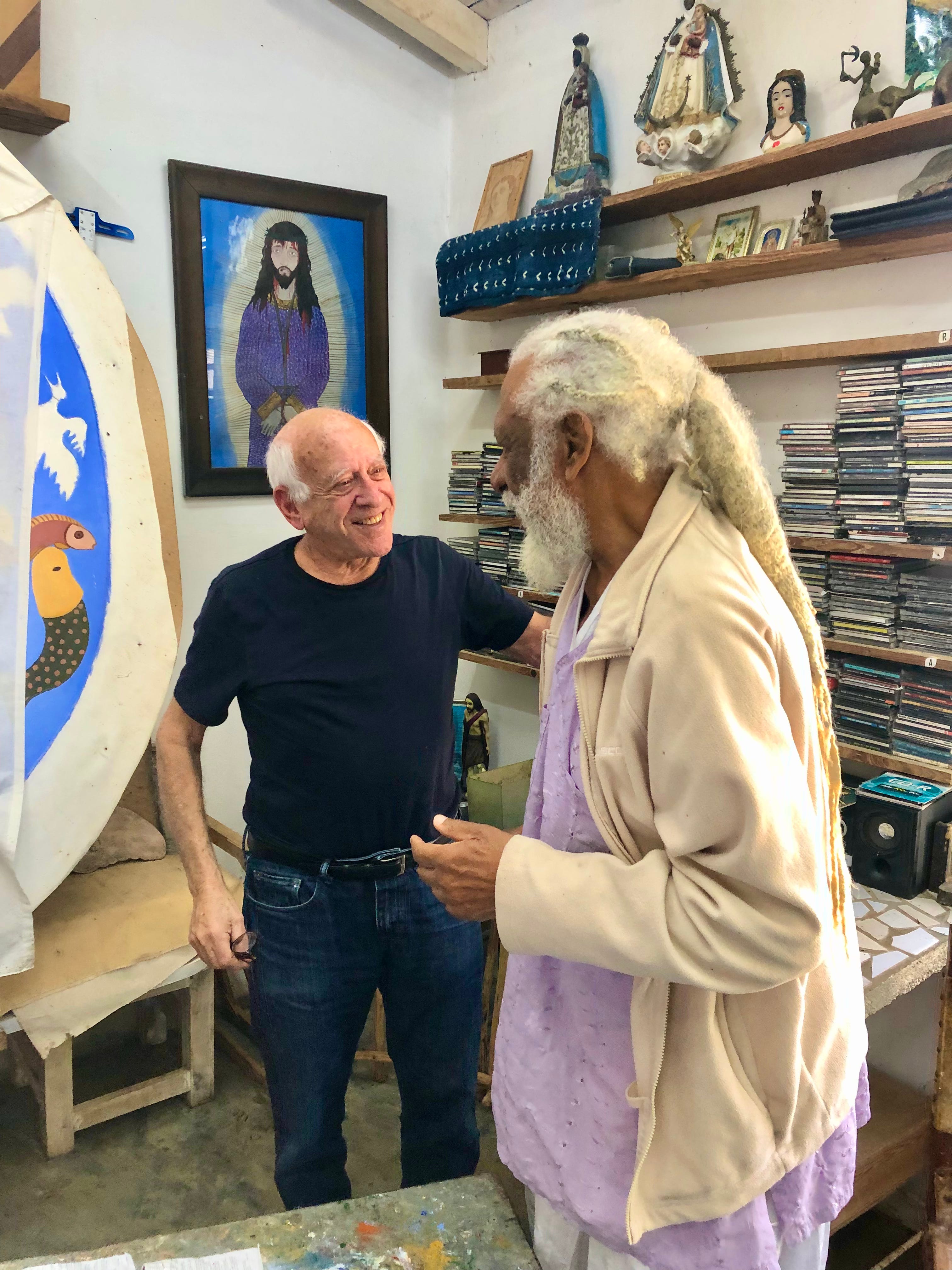
The international visibility of Cuban art was consolidated in the late 1980s, especially with José Bedia’s participation in the exhibition Les Magiciens de la Terre at the Centre Pompidou, curated by Jean-Hubert Martin.
Already in the 1990s, this legitimation was reinforced by the arrival of collectors, curators and foreign institutions who began to acquire, study and disseminate Cuban art, such as the German collector Peter Ludwig and critics such as Holly Block and Alex Rosenberg.
An ambiguous situation then took shape, never formalized by the State’s cultural policy, but functional to the system: artists produced in Cuba while their market developed abroad. This allowed a period of notable professional expansion for many creators, with access to grants, residencies, international exhibitions and a solid market. However, this precarious balance depended on fiscal loopholes and on a kind of legal grey zone that, while it favored creative effervescence, could not be sustained indefinitely.
From 2020 onward, and especially after the pandemic, this scenario fractured.
The relationship between the cultural institution and artists became increasingly conflictual, marked by censorship, distrust and symbolic and material repression. The events of November 27, 2020 publicly made that rupture evident and provoked a profound distancing between the institutional apparatus and a large part of Cuban intellectual life.
Today it is impossible to think about the future of Cuban art without integrating exile as a constitutive part of its ecosystem. The massive departure of artists from different generations has radically transformed the landscape. When a Cuban artist begins to produce from the diaspora — whether in Miami, Madrid, Mexico City or Berlin — their work enters other narratives, other markets and other systems of legitimation. This raises complex and still open questions: At what moment does Cuban art cease to be Cuban? Is it a question of geography, of theme, of identity or of critical gaze? It is probably still too early to establish definitive answers. We will have to let time allow us to observe and theorize these transformations from a broader perspective and one less conditioned by the urgency of the present.
“Today it is impossible to think about the future of Cuban art without integrating exile as a constitutive part of its ecosystem.”
In the catalogue Minimal to the Max, published on the occasion of the donation of minimalist art works that you made to the Norton Museum of Art in Florida in 2003, you began by saying: “I have never considered myself a collector in the strict sense of the word.”
However, for more than two decades you have formed, together with your wife Catherine Brownstone, a collection of Cuban art of more than 200 works, which includes installations, painting, photography and drawing, and brings together some of the most important names in contemporary Cuban art, such as Carlos Garaicoa, Lázaro Saavedra, Rocío García, Belkis Ayón or René Francisco Rodríguez, among others.
What has motivated you to collect Cuban art and what do you foresee as the destination for that collection?
GB: I have never considered myself a collector in the strict sense of the term. I do not collect for myself, but for others. I firmly believe that art should be in museums, where its reach is public.
During my work at the Israel Museum, I managed donations from artists such as Andy Warhol, Louise Nevelson and Edward Kienholz. In 2001, together with my wife, we donated an important collection of minimalist art to the Norton Museum of Art in Florida, which included works by Sol LeWitt, Alexander Calder, Josef Albers and Jesús Rafael Soto, among others. In 2011, I made the donation titled My love for art, my love for Cuba, composed of 138 serigraphic works by Marcel Duchamp, Pablo Picasso, Calder, Joan Miró and other great masters of modern art, intended for the Cuban people.
In later years, I also carried out several donations of works by Cuban artists to the Centre Pompidou, among them Roberto Fabelo, Manuel Mendive and José Ángel Toirac.
“I do not collect for myself, but for others. I firmly believe that art should be in museums, where its reach is public.”
The first work I acquired from a Cuban artist was a drawing by Iván Capote, during my first visit to Cuba in July 2001. Currently, the collection brings together more than 200 works by more than 50 contemporary Cuban artists, as well as some pieces by modern artists. After my death, I would like my family to continue the work I have promoted in favor of Cuban art and preserve the collection we have built. Ideally, I would like it to return to its place of origin and have a public character. However, Cuba today lacks the infrastructure and cultural management capacity necessary to safeguard a heritage of such magnitude, a deficiency that is compounded by the lack of will of the Cuban authorities.
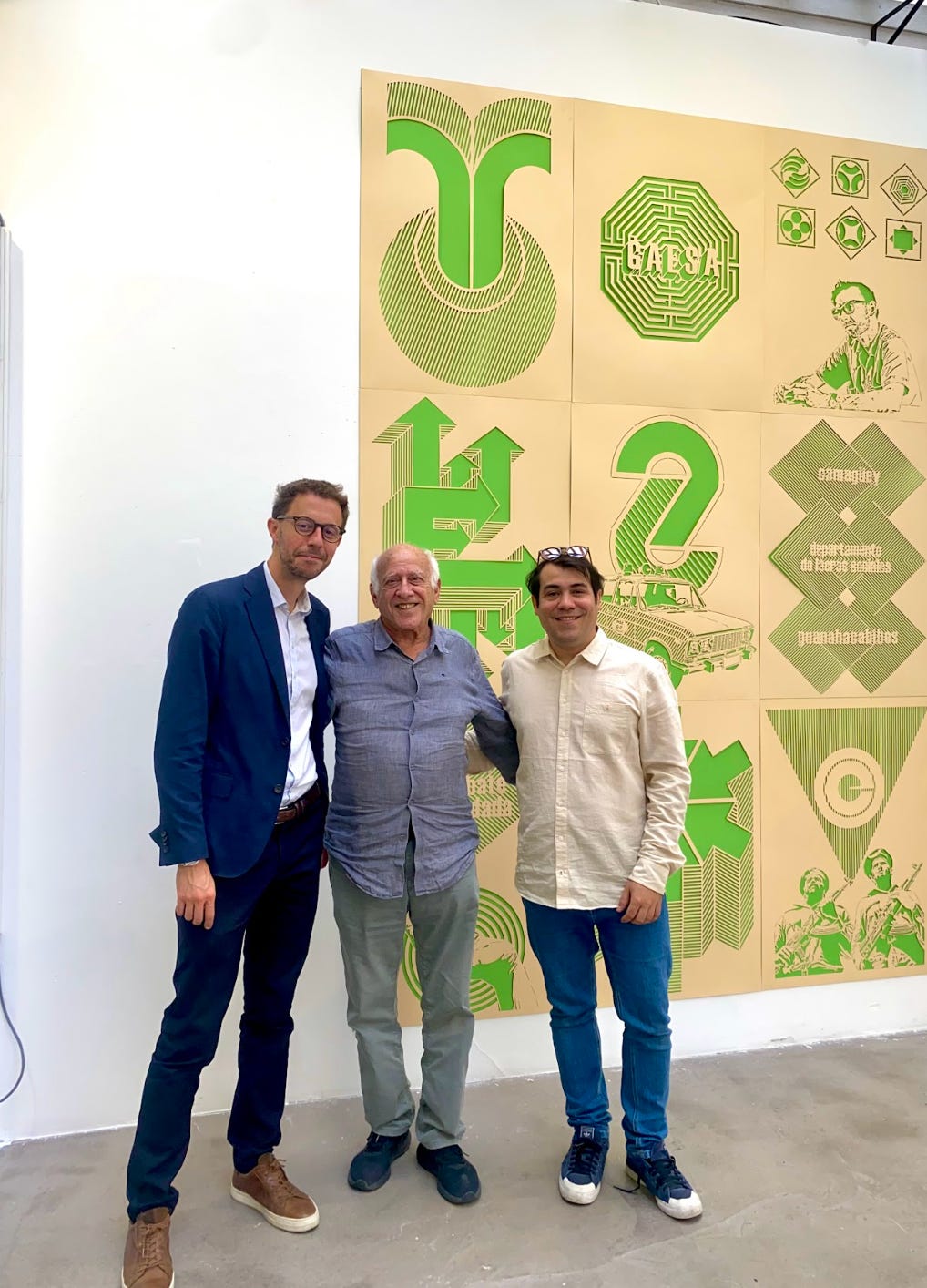
I have been able to verify this reality firsthand through the deficient treatment that the collection donated in 2011 has received. In view of this panorama, I question how to donate an art collection of any kind to a country that does not respect or guarantee the care of the human and material capital that a donation implies. My will and my principles thus enter into contradiction with the current situation of the country’s leadership and with those who today manage culture in Cuba.
“After my death, I would like my family to continue the work I have promoted in favor of Cuban art and preserve the collection we have built.”
In 2011 you made a donation of 139 serigraphic works by major artists such as Picasso, Alexander Calder, Joan Miró, Marcel Duchamp, Josef Albers or Jesús Rafael Soto, with the objective that the Cuban people could access for the first time, publicly and free of charge, works by these figures.
That same year, on the occasion of an exhibition at the Centro de Arte Contemporáneo Wifredo Lam, you made another donation by the Argentine artist Antonio Seguí.
In 2015, thanks to your close friendship with the architect Jean Nouvel, you involved his studio in Paris in the development of a contemporary storage project intended to create a national art reserve, unique and pioneering in Cuba, a project that was ultimately thwarted by bureaucratic obstacles.
In all of this, you acted as a kind of patron, allocating financial resources and personal efforts to its realization.
Given the current panorama of profound hopelessness and disillusionment for the country’s artistic and social development, where do you place your commitment today compared to the Gilbert Brownstone of ten years ago?
GB: The passage of time has not produced in me any distancing from Cuban art or its artists; on the contrary, it has deepened my bond with them. Beyond professional or institutional projects, there is a human and affective dimension that has been fundamental in my relationship with Cuba. Many Cuban artists are part of my intimate circle of friendships, of my everyday life and, in a sense, of my chosen family.
However, the years and experience have also led me to take an increasingly clear distance from the Cuban government. This is not an abrupt or opportunistic gesture, but the result of a prolonged reflection on the coherence between the ideals I have always defended — social justice, civic rights, freedom of expression and the autonomy of thought — and the institutional practices I have observed in recent years.
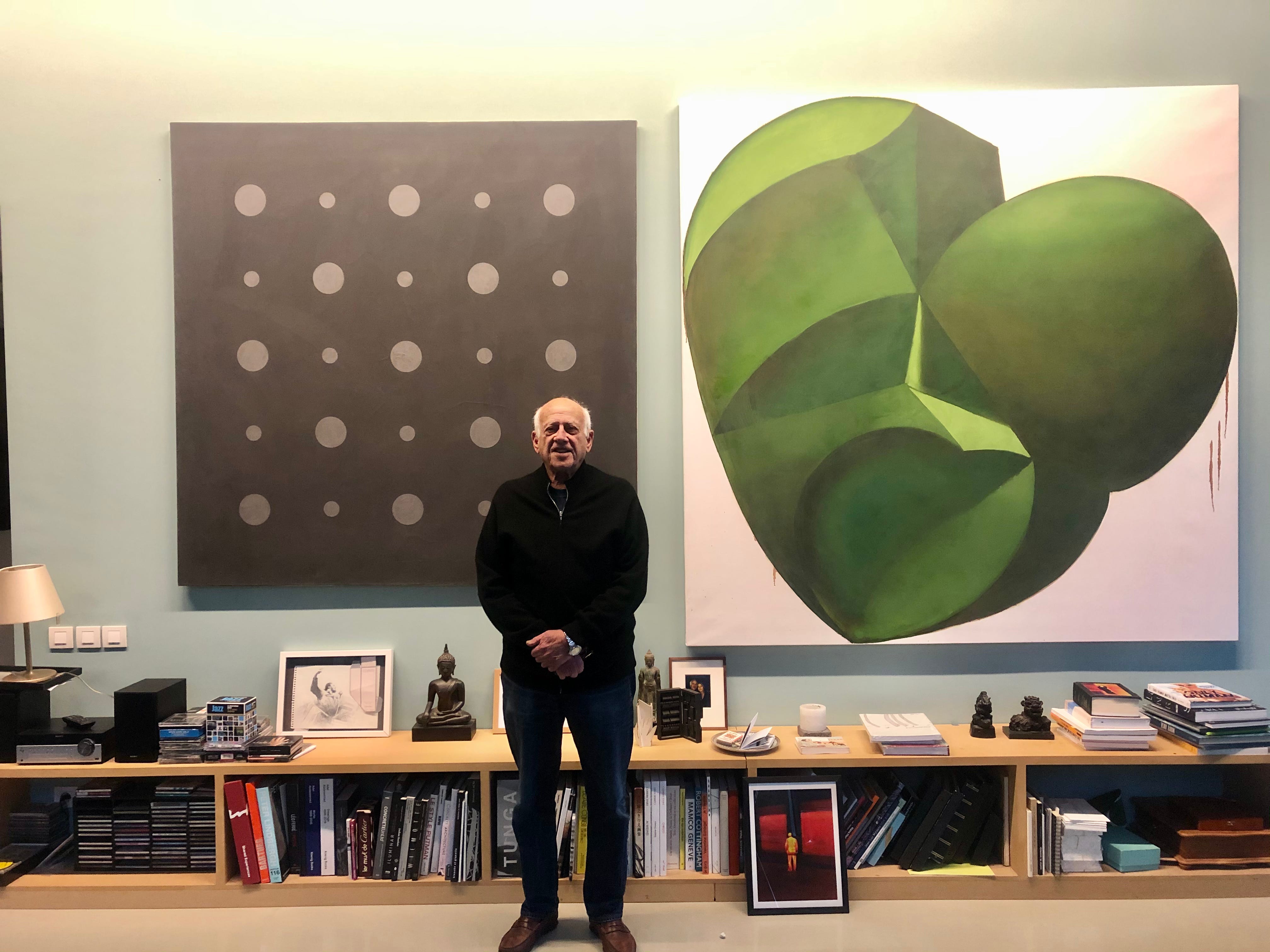
My commitment has been, and continues to be, with the artists and not with structures of power. I deeply believe that there can be no true cultural project without freedom of creation, without space for critique and without respect for the diversity of voices. When those conditions are threatened, art loses its transformative capacity and becomes an instrument of control or propaganda.
My current position does not differ substantially from the one I had a decade ago. I continue defending the freedom of Cuban artists, the quality and honesty of their work, and Cuba’s right to imagine a sovereign, democratic and plural future. I do not believe in blind alignments or unconditional fidelities; I believe in the ethical responsibility of the intellectual and the cultural actor.
Today I place myself, perhaps, in a more contemplative place, but not passive.
I observe, analyze and act within my possibilities, aware that profound changes require time and patience. In that sense, I feel close to an almost Buddhist attitude: to watch attentively the unfolding of events without renouncing action, nor commitment to the people and to the country in which, without a doubt, I have been happiest.
“My commitment has been, and continues to be, with the artists and not with structures of power. I deeply believe that there can be no true cultural project without freedom of creation, without space for critique and without respect for the diversity of voices.”
To learn more about Gilbert Brownstone and Association NOEMI - Espace Brownstone, visit:
En conversación con: Gilbert Brownstone
Activo desde finales de los años sesenta en París, con una carrera fundacional como curador del Museo de Arte Moderno de la Ville de Paris, director de instituciones internacionales, galerista y filántropo, poco se habla hoy en día de la figura de Gilbert Brownstone (Nueva York, 1938).
Intelectual empedernido y humanista. Se instala en París en la década del 60’ tras formarse en Ciencias Políticas e Historia del Arte, para contribuir a la construcción del arte contemporáneo en la ciudad y abrirlo al diálogo internacional. Curador de la primera exposición de Andy Warhol y de Lucio Fontana en París, desarrolla una trayectoria curatorial y de pensamiento con humildad, compromiso y sencillez. A contracorriente de una época dominada por la autorrepresentación y el estrellato, Brownstone actúa desde el silencio de una posición crítica y firme frente al arte y a los artistas que ha acompañado.
Desde hace más de veinte años, a partir de un viaje por distintos países de América Latina que lo acercó al pensamiento del Sur Global, se comprometió profundamente con el arte cubano, país que continúa apoyando hasta el día de hoy a través de la fundación que lleva su nombre —hoy Association NOEMI - Espace Brownstone —, con sede en París.
Desde los inicios de tu carrera, a finales de los años sesenta, desarrollas una manera de trabajar con el arte que es esencialmente política. Comienzas a identificarte y a acompañar a artistas cuyas prácticas, “afiladas y conflictivas”, no se corresponden con la tradición más canónica del arte moderno de la época. Tal es el caso de tu cercanía con artistas como Edward Kienholz o Piotr Kowalski. ¿En qué medida consideras que tu experiencia con estos artistas —que además sentó las bases de tu carrera— definió tu manera de entender la curaduría? ¿Es para ti la curaduría un acto político?
GB: Después de mis estudios en Ciencias Políticas y en la Sorbonne de París, regresé a Nueva York a finales de 1963, acompañado por René Drouin, importante art dealer y galerista que había fundado su primera galería en la Place Vendôme en 1938, junto a su amigo Leo Castelli.
Una vez en Nueva York, entré en contacto con la American Federation of Arts (AFA), institución que organizaba exposiciones para museos de mediana envergadura que no contaban con organizadores especializados, es decir, curators. Cuando comencé mi colaboración con AFA en 1964, me pidieron trabajar con Louise Nevelson, con quien mantendría una relación de amistad y profesional hasta su muerte en 1988.
En esa misma época veía a menudo a William Rubin, director del MoMA. Le pedí trabajar con él y me respondió que miles de personas desearían lo mismo, que en su lugar intentara trabajar en un museo europeo, ya que había estudiado Historia del Arte en París, y esto me ayudaría a agilizar mi carrera en Estados Unidos. En los años 60, en Francia ni el Museo de Arte Moderno ni les Musées de la Ville de Paris mostraban arte contemporáneo, exceptuando el Centre National d’Art Contemporain (CNAC), 11 Rue Berryer 75008, donde expusimos a Edward Kienholz en 1970, y la sección Animation - Recherche - Confrontation creada por Pierre Gaudibert en 1967. Mientras que, en el resto de Europa, pocos museos como el Stedelijk Museum de Ámsterdam, la Ludwig en Colonia, y un museo en Estocolmo comenzaban a interesarse por la escena artística contemporánea.
Regresé entonces a París y contacté a Willem Sandberg, director del Stedelijk Museum, para explorar opciones de trabajo. Antes de ir a su encuentro, mi amigo René Drouin me habla sobre un puesto recién abierto en el seno del A.R.C, siendo este uno de los primeros departamentos de arte contemporáneo en Francia inscrito a su vez al Musée d’Art Moderne de la Ville de Paris. Cuando me reúno con Pierre Gaudibert, me dice que la próxima exposición programada para junio de 1968 sería de Robert Rauschenberg, y que podría colaborar como mediador y traductor del artista. Es así como, en octubre de 1967, comienzo a trabajar con él, junto a Suzanne Pagé, hoy directora artística de la Fondation Louis Vuitton.
La oportunidad de colaborar tan tempranamente con Louise Nevelson, y posteriormente con los artistas que expusimos en el A.R.C —como Robert Rauschenberg, Andy Warhol, E. Keinholz, Jean Dewasne, Gilles Aillaud, Erró, Panamarenko, etc…—, delimitó claramente mis primeros encuentros con el arte en un momento en el que la cultura pop y las políticas de consumo resonaban fuertemente en la sociedad estadounidense. En el A.R.C, guiados e impulsados por Pierre Gaudibert —un hombre con profundas convicciones políticas—, asumimos exposiciones conflictivas y socialmente comprometidas, de prácticas participativas, performáticas, etc. El principal presupuesto estético para Pierre, y por ende para el A.R.C, no se basaba tanto en la radicalidad formal, sino en el mensaje político de los artistas que exponíamos.
Este fue el caso, por ejemplo, de la exposición La salle rouge pour le Vietnam, presentada en el A.R.C a inicios de 1969. “La sala roja para Vietnam” era una manifestación colectiva concebida inicialmente para el Salón de la Joven Pintura de 1968, que fue censurada a causa de los acontecimientos de Mayo del 68. Gaudibert decidió programarla al año siguiente en el A.R.C como “homenaje al pueblo vietnamita que lucha contra la agresión estadounidense”. Vivíamos, sin duda, tiempos profundamente políticos, convulsos y revolucionarios en el ámbito artístico, pero no concebíamos lo que hacíamos como curaduría. Organizábamos manifestaciones artísticas que devenían exposiciones. Según el propio Pierre, no éramos curadores, sino ANIMADORES.
Durante tu etapa como curador en el A.R.C, trabajaste estrechamente con figuras fundamentales como Pierre Gaudibert y Suzanne Pagé, en un momento en que el museo se pensaba no solo como un espacio de conservación, sino como un verdadero laboratorio de investigación, confrontación y debate político y estético.
¿Qué aprendizajes de aquel período consideras aún vigentes hoy, frente a un contexto museístico cada vez más condicionado por la espectacularización y las lógicas de mercado?
GB: Mi primera experiencia como curador, que fue en la American Federation of Arts (AFA), institución privada, se limitó a un proceso bastante convencional de selección de artistas. Elegíamos a los creadores cuyas obras serían distribuidas y presentadas en distintos museos del país, siguiendo criterios estrechamente ligados a la gestión privada y al mecenazgo.
Es un mecanismo que sigue siendo común en la política cultural estadounidense. Muchas instituciones y museos son privados, y su programación queda sujeta a las decisiones de boards de mecenas impulsados por intereses económicos y mercantiles, con escaso compromiso social. Cuando comencé a trabajar con artistas como Rauschenberg, Lichtenstein y Warhol en París, se respiraba entre nosotros una cierta dirección política común que no se explicitaba, pero que resultaba casi evidente como actores culturales.
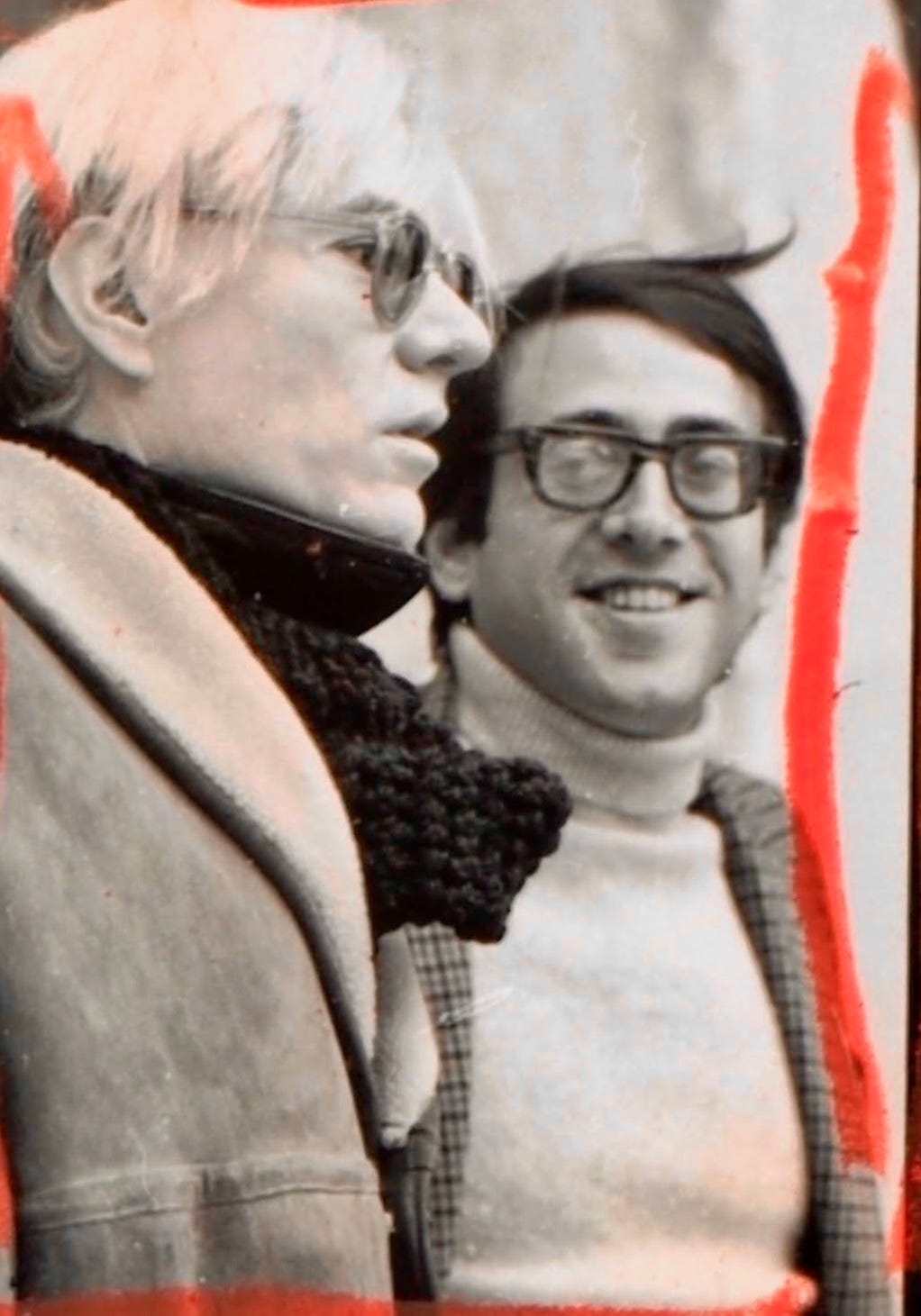
En el caso de Pierre Gaudibert, su intencionalidad política siempre fue clara. Las exposiciones del A.R.C funcionaban como laboratorios colectivos de creación, donde cada uno tenía la libertad de proponer, pensar y disentir. Aunque no nos identificábamos como “curadores”, gozábamos de una amplia libertad de trabajo y de condiciones laborales basadas en la igualdad, el respeto por la mirada ajena y una comprensión global del arte.
En el A.R.C no importaba la figura del curador como “estrella”, ni existía ninguna espectacularización del rol curatorial. Se privilegiaba el formato expositivo y el museo como espacio de experimentación y libertad creativa.
Toda esta experiencia fue posible gracias a la insistencia de Pierre en el contenido político y social del arte, concebido como espejo de los conflictos sociales y receptáculo del clima de cambio y revolución que atravesaba el mundo. El A.R.C fue intransigente frente a cualquier forma de mercantilización o espectacularización artística. Se producía un arte social, en sintonía con la vorágine de su tiempo. Creo que esta fue la gran lección de aquella etapa, que marcó inevitablemente mi carrera posterior.
A mediados de los años ochenta, luego de una larga trayectoria como curador en varias instituciones, decides abrir tu propia galería, bajo el nombre Gilbert Brownstone & Co., ubicada en la rue Saint-Gilles, en el distrito 3 de París. Desde allí comienzas a presentar de manera pionera en París a artistas que luego se convertirían en figuras clave del arte minimal, como Josef Albers, Larry Bell o Sol LeWitt, entre muchos, que como tú provenían principalmente de Estados Unidos y comenzaban a situarse en la órbita del arte internacional.
¿Cuánto influyó la decisión de representar comercialmente a estos artistas en París en relación a la trayectoria institucional que habías desarrollado hasta entonces?
GB: Esta respuesta merece un preámbulo. Terminé mis funciones en el A.R.C y asumí el cargo de director del Museo Picasso de Antibes hasta 1975, con el acuerdo de los Musées de France y la Mairie d’Antibes. El museo había sido creado en 1946 por el historiador y gran amigo de Picasso, Romuald Dor de la Souchère.
En 1946, Picasso abandonó su atelier en Cannes y buscaba un lugar donde instalarse. Dor de la Souchère le propuso utilizar el Château Grimaldi, que entonces servía como depósito de los archivos arqueológicos de la región. Picasso realizó allí una residencia de creación de seis meses y, al abandonar el Château, dejó in situ las obras producidas durante ese período. De este modo nació el Museo Picasso de Antibes. Como iba a menudo a vacacionar a Antibes, devine cercano a Dor de la Souchère. Dor creó una sala de exposiciones temporales en el segundo piso del Château donde expuso artistas como Alexander Calder, Joan Miró y Nicolas de Staël. Tras ocupar el puesto de director, seguí organizando esas exposiciones sin modificar el resto de la arquitectura. Se me ocurrió crear M.A.R.C, una versión mediterránea del A.R.C parisino promovido por Gaudibert.
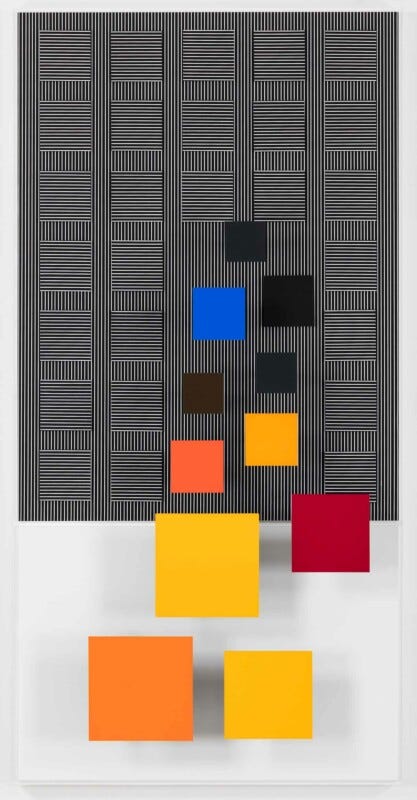
La primera exposición del M.A.R.C fue un diálogo entre Dewasne y Kowalski. Un poco más tarde en 1975, por recomendación de Willem Sandberg, fui contactado por el Museo de Israel, en Jerusalén, que buscaba un nuevo chief curator con experiencia internacional. El Museo de Israel había sido gestado poco tiempo después de la creación del Estado en 1948, tomando como modelo el Metropolitan Museum de Nueva York. Surgió con el propósito de albergar una colección variada que representara el arte moderno, contemporáneo y decorativo, con un jardín de esculturas, una sección de objetos y antigüedades, así como una sección dedicada a los archivos nacionales del Mar Muerto.
Willem Sandberg había dirigido el museo hasta su retiro. Al llegar a la entrevista, entendí que los curadores in house - especialmente Yona Fischer.-, eran historiadores del arte de Israel y de Medio Oriente, territorios que desconocía. Propuse entonces asumir el rol de curator at large, encargado de reforzar los vínculos del museo con artistas internacionales y contribuir a la ampliación de la colección permanente. Trabajé en el museo hasta 1979, año en el que percibí cambios políticos con los que no me identificaba, lo que me llevó a presentar mi renuncia.
Mi regreso a París ese mismo año estuvo motivado también por el deseo de pasar más tiempo con mi familia y mis dos hijas pequeñas. Recuerdo que Pontus Hultén, director del Museo Nacional de Arte Moderno – Centro Georges Pompidou, me propuso llevar las relaciones institucionales del Pompidou en Nueva York y decidí rechazar la oferta para restablecerme en París. Con la intención de dar un giro a mi carrera, aunque sin un plan preciso sobre lo que iba a presentar, abrí una galería en la Rue Saint-Gilles, con el nombre de Gilbert Brownstone & Co. La primera exposición fue un homenaje a Claude Givaudan y a su trayectoria como galerista. Si bien Claude era un marchante de arte, era una suerte de marchante surrealista, o más bien, un hombre con creatividad de artista. Su manera de defender el arte por el arte, la selección humanista que hacía de sus artistas, al margen de toda expectativa comercial, siempre me cautivaron. Su galería, ubicada en el número 201 del Boulevard Saint-Germain, habría funcionado durante tres años.
“Con la intención de dar un giro a mi carrera, aunque sin un plan preciso sobre lo que iba a presentar, abrí una galería en la Rue Saint-Gilles, con el nombre de Gilbert Brownstone & Co.”
Durante los años en que dirigí la galería, nunca me identifiqué plenamente como marchante de arte. Esa profesión siempre se mantuvo al margen de mis ideales, y además no contaba con una experiencia previa como galerista. Tras haber trabajado en museos, estaba acostumbrado a que, al finalizar una exposición, el interés se centrara principalmente en el feedback recibido: la respuesta de la prensa, del público o de la crítica. En cambio, al cierre de una muestra en una galería, lo habitual es que la atención se desplace hacia las ventas. En mi caso, esa expectativa nunca estuvo presente, ya que quienes expusieron conmigo conocían y respetaban mi postura. En ese contexto presenté obras de Ed Ruscha, Larry Bell, Gottfried Honnegger, Imi Knoebel, John Amleder, Olivier Mosset, Jean-Pierre Raynaud y Franz Erhard Walther.
Atravesaba entonces un período personal difícil y buscaba un tipo de práctica artística que me permitiera abstraerme de mi realidad inmediata; fue precisamente por esa razón que me acerqué de manera tan intensa al minimalismo.
En 2001, a la edad de 63 años, decides emprender un viaje por varios países de América Latina y, para tu sorpresa, descubres en Cuba una intensa efervescencia del arte contemporáneo. La calidad de los artistas que conociste, el trabajo de las galerías, las colecciones de arte de vanguardia del Museo Nacional de Bellas Artes y la solidez de las escuelas nacionales de arte —especialmente el Instituto Superior de Arte (ISA)— llamaron inmediatamente tu atención y sembraron en ti un amor por Cuba y por el arte cubano que no ha dejado de crecer hasta hoy. Tu amor al arte, tu amor por Cuba —título de la colección de 138 serigrafías donadas al pueblo cubano en 2011— consolidó ese compromiso profundo y sostenido con el desarrollo de las artes plásticas en la isla, un compromiso que desbordó los límites del arte para abarcar también la vida social y política del país.
Desde 2001 has desarrollado numerosas acciones en el campo de la filantropía. El ejemplo más concreto de este compromiso es la creación de la Fundación Brownstone en París, desde la cual has impulsado durante más de dos décadas programas de residencias e intercambios para artistas cubanos, premios, exposiciones y ayudas a la producción. Durante los primeros años trabajaste en estrecho contacto con el Ministerio de Cultura de Cuba y, desde hace aproximadamente un lustro, la fundación - hoy devenida asociación, opera de manera completamente autogestionada en París. Siendo estadounidense, residente en Francia y nacionalizado suizo, ¿de dónde crees que proviene esta pasión por Cuba que te ha acompañado e impulsado durante tantos años?
GB: Al cerrar la galería a finales de los años noventa, tenía la sensación de haber agotado mis proyecciones dentro del arte más “global” o del llamado primer mundo. Mis convicciones se orientaban cada vez más hacia la justicia social, la democratización de la cultura y la igualdad, y desde esa perspectiva se encauzaron los siguientes años de mi carrera.
Como aún era norteamericano, ciudadanía a la que renuncié años más tarde, creé en 1999 una fundación registrada en Suiza, pero con sede en París, ya que los requisitos económicos eran considerablemente menores que en Francia. Así nació la Fundación Brownstone, una organización no gubernamental sin fines de lucro dedicada a promover la justicia social a través del arte, la cultura y la educación.
En esa época aún tenía una casa en el sur de Florida, lo que me mantenía cercano a América Central y del Sur. En 2001, junto a mi esposa Catherine Brownstone, realicé un viaje por Guatemala, Nicaragua y El Salvador con el objetivo de comprender las políticas culturales de la región y su relación con el arte contemporáneo. Lamentablemente, constatamos una falta de democratización cultural, altos índices de analfabetismo y un notable desinterés estatal por el desarrollo de las artes.
En julio de 2001 viajamos por primera vez a Cuba, casi de manera accidental. Allí encontré un país con altos niveles de alfabetización y una fuerte prioridad estatal otorgada a la cultura. Me impresionó el nivel cultural de los cubanos, su formación y el acceso generalizado a las artes: artes visuales, ballet, música, cine, entre otras.
El rol de las escuelas nacionales de arte, como el ISA fundado en 1972, consolidaba esa preparación. Así nació mi pasión por el arte cubano, profundamente ligada a mis ideales políticos y al respeto que sentí por sus artistas. Desde entonces, la Fundación Brownstone orientó gran parte de sus acciones al desarrollo y la proyección del arte cubano en París. En colaboración con el Ministerio de Relaciones Exteriores Francés -Quai d’Orsay-, creamos un programa de residencias que permitía a creadores de todas las manifestaciones artísticas residir en París durante tres meses, y a su regreso a la isla serían embajadores de la cultura Francesa.
Durante once años recibimos alrededor de sesenta artistas. Para muchos fue su primer viaje a París y, en algunos casos, fuera de Cuba.
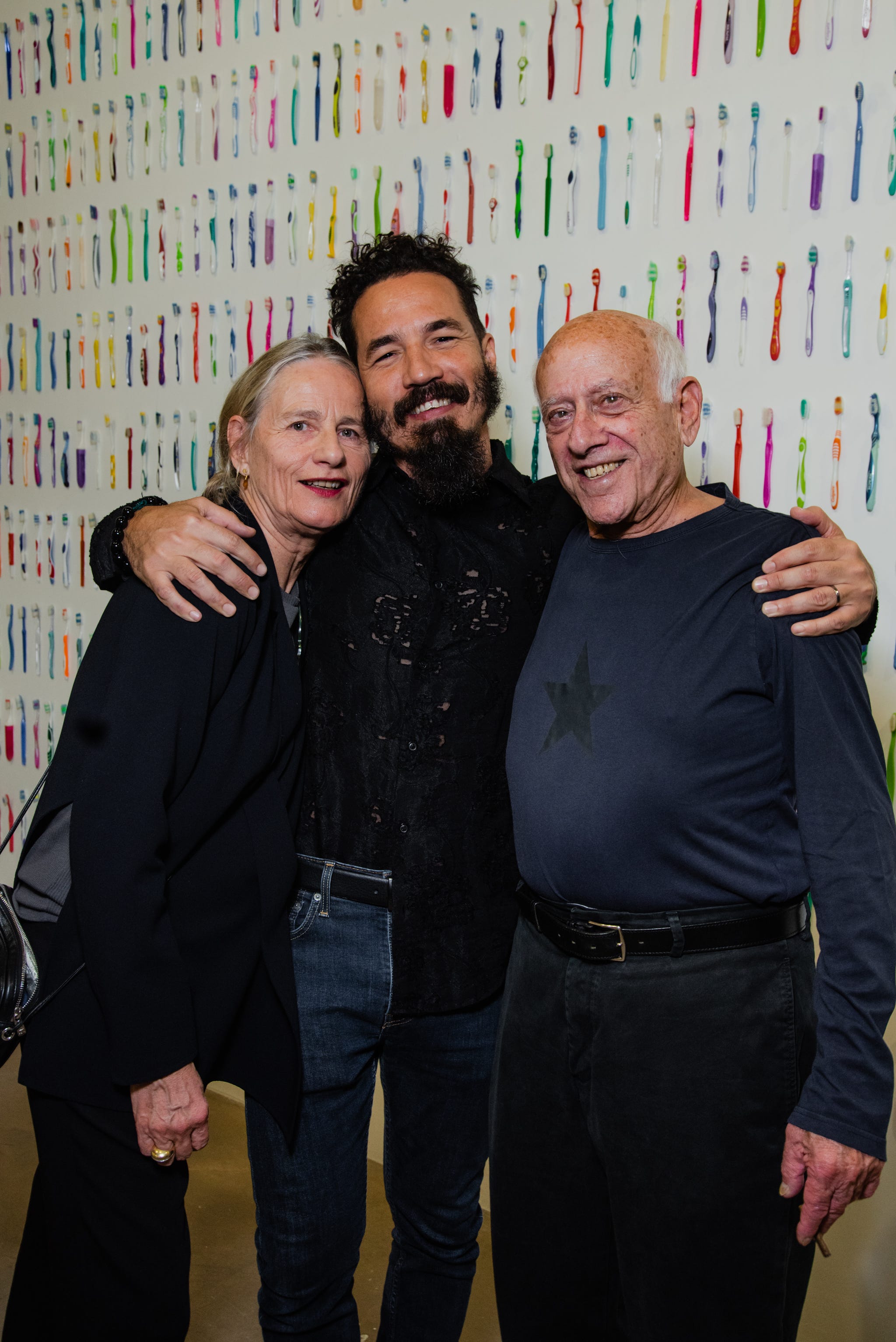
En 2019 publicas tu libro El arte en Cuba, un retrato de 32 artistas cubanos residentes entonces en la isla, en un momento en que la producción artística se encontraba aún sólidamente arraigada en el país, cuando las instituciones culturales y los artistas mantenían relaciones de trabajo estables y fructíferas, y el arte cubano atravesaba lo que muchos consideran un “buen momento”.
Sin embargo, a partir de 2020, con la llegada de la Covid-19, Cuba comienza a sumergirse en la crisis socioeconómica más grave desde 1959: déficits de producción nacional, inflación, cambios monetarios, caída del turismo, corrupción estatal, entre otros factores, han provocado el mayor éxodo de las últimas décadas, incluyendo a numerosos artistas que se han instalado principalmente en Miami o Madrid. Hoy, quizá solo un 5% de los artistas incluidos en tu libro permanecen en Cuba. Sus condiciones de vida han cambiado, así como sus preocupaciones estéticas, temáticas y estrategias de supervivencia, con un impacto directo en sus procesos creativos.
Dada tu amplia experiencia investigando y apoyando el arte cubano, ¿hacia dónde crees que este se dirige, tanto en términos de mercado como de calidad artística?
GB: No me considero la persona más autorizada para predecir el destino del arte cubano, pero puedo intentar ofrecer una lectura desde la experiencia.
Hasta poco antes de la publicación del libro El Arte en Cuba, (Editorial Flammarion, 2019, editado en francés, inglés y español), Cuba atravesaba todavía un momento relativamente fértil para el arte contemporáneo que en mi opinión, había comenzado en los años ochenta. A inicios de la década, Gerardo Mosquera y Llilian Llanes crearon la Bienal de La Habana, considerada la primera bienal del llamado Tercer Mundo. Su aparición marcó un punto de inflexión no solo para el arte cubano, sino para la reconfiguración de los circuitos internacionales, al desplazar el eje de legitimación artística más allá de Europa y Estados Unidos.
Paralelamente, en esos años surgieron prácticas experimentales fundamentales —el performance, el happening y el body art— así como colectivos clave de la plástica cubana como Volumen I, Puré y 4x4. También emergió una generación de artistas conceptuales y críticos, entre ellos Lázaro Saavedra, Gustavo Pérez Monzón y René Francisco Rodríguez, que sentaron las bases de una producción artística profundamente reflexiva y política.
La visibilidad internacional del arte cubano se consolidó a finales de los años ochenta, especialmente con la participación de José Bedia en la exposición Les Magiciens de la Terre en el Centre Pompidou, curada por Jean-Hubert Martin. Ya en los años noventa, esta legitimación fue reforzada por la llegada de coleccionistas, curadores e instituciones extranjeras que comenzaron a adquirir, estudiar y difundir el arte cubano, como el coleccionista alemán Peter Ludwig y críticos como Holly Block y Alex Rosenberg.
Se configuró entonces una situación ambigua, nunca formalizada por la política cultural del Estado, pero funcional al sistema: los artistas producían en Cuba mientras su mercado se desarrollaba en el exterior. Esto permitió un período de notable expansión profesional para muchos creadores, con acceso a becas, residencias, exposiciones internacionales y un mercado sólido. Sin embargo, este equilibrio precario dependía de lagunas fiscales y de una suerte de alegalidad que, si bien favoreció la efervescencia creativa, no podía sostenerse indefinidamente.
A partir de 2020, y especialmente tras la pandemia, este escenario se fracturó. La relación entre la institución cultural y los artistas se volvió cada vez más conflictiva, marcada por la censura, la desconfianza y la represión simbólica y material. Los acontecimientos del 27 de noviembre de 2020 evidenciaron públicamente ese quiebre y provocaron un distanciamiento profundo entre el aparato institucional y buena parte de la intelectualidad cubana.
Hoy resulta imposible pensar el futuro del arte cubano sin integrar el exilio como parte constitutiva de su ecosistema. La salida masiva de artistas de distintas generaciones ha transformado radicalmente el panorama. Cuando un artista cubano comienza a producir desde la diáspora —ya sea en Miami, Madrid, Ciudad de México o Berlín— su obra entra en otras narrativas, otros mercados y otros sistemas de legitimación. Esto plantea preguntas complejas y aún abiertas: ¿en qué momento el arte cubano deja de ser cubano?, ¿es una cuestión de geografía, de temática, de identidad o de mirada crítica? Probablemente aún sea temprano para establecer respuestas definitivas. Habrá que dejar que el tiempo permita observar, y teorizar estas transformaciones desde una perspectiva más amplia y menos condicionada por la urgencia del presente.
“Hoy resulta imposible pensar el futuro del arte cubano sin integrar el exilio como parte constitutiva de su ecosistema."
En el catálogo Minimal to the Max, publicado con motivo de la donación de obras de arte minimal que realizaste al Norton Museum of Art de Florida en 2003, comenzabas diciendo: “Nunca me he considerado un coleccionista en el sentido estricto de la palabra”. Sin embargo, desde hace más de dos décadas has formado, junto a tu esposa Catherine Brownstone, una colección de arte cubano de más de 200 obras, que incluye instalaciones, pintura, fotografía y dibujo, y reúne a algunos de los nombres más importantes del arte cubano contemporáneo, como Carlos Garaicoa, Lázaro Saavedra, Rocío García, Belkis Ayón o René Francisco Rodríguez, entre otros. ¿Qué te ha motivado a coleccionar arte cubano y qué prevees como destino para esa colección?
GB: Nunca me he considerado un coleccionista en el sentido estricto del término. No colecciono para mí, sino para los demás. Creo firmemente que el arte debe estar en los museos, donde su alcance sea público.
Durante mi trabajo en el Museo de Israel, gestioné donaciones de artistas como Andy Warhol, Louise Nevelson y Edward Kienholz. En 2001, junto a mi esposa, donamos una importante colección de arte minimalista al Norton Museum of Art, en Florida, que incluía obras de Sol LeWitt, Alexander Calder, Josef Albers y Jesús Rafael Soto, entre otros. En 2011 realicé la donación titulada Mi amor al arte, mi amor por Cuba, compuesta por 138 obras serigráficas de Marcel Duchamp, Pablo Picasso, Calder, Joan Miró y otros grandes maestros del arte moderno, destinada al pueblo cubano. En años posteriores, llevé a cabo también varias donaciones de obras de artistas cubanos al Centro Pompidou, entre ellos Roberto Fabelo, Manuel Mendive y José Ángel Toirac.
“No colecciono para mí, sino para los demás. Creo firmemente que el arte debe estar en los museos, donde su alcance sea público.”
La primera obra que adquirí de un artista cubano fue un dibujo de Iván Capote, durante mi primera visita a Cuba en julio de 2001. Actualmente, la colección reúne más de 200 obras de más de 50 artistas cubanos contemporáneos, así como algunas piezas de artistas modernos. Tras mi muerte, me gustaría que mi familia continuara la labor que he impulsado en favor del arte cubano y preservara la colección que hemos construido. Idealmente, desearía que esta regresara a su lugar de origen y tuviera un carácter público. Sin embargo, Cuba carece hoy de la infraestructura y de la capacidad de gestión cultural necesarias para salvaguardar un patrimonio de tal magnitud, carencia que se suma a la falta de voluntad de las autoridades cubanas.
He podido constatar esta realidad de primera mano a través del deficiente tratamiento que ha recibido la colección donada en 2011. Ante este panorama, me cuestiono cómo donar una colección de arte de cualquier tipo a un país que no respeta ni garantiza el cuidado del capital humano y material que implica una donación. Mi voluntad y mis principios entran así en contradicción con la situación actual de la dirigencia del país y con quienes hoy gestionan la cultura en Cuba.
“Tras mi muerte, me gustaría que mi familia continuara la labor que he impulsado en favor del arte cubano y preservara la colección que hemos construido.”
En 2011 realizaste una donación de 139 obras serigráficas de artistas mayores como Picasso, Alexander Calder, Joan Miró, Marcel Duchamp, Josef Albers o Jesús Rafael Soto, con el objetivo de que el pueblo cubano pudiera acceder por primera vez, de manera pública y gratuita, a obras de estas figuras. Ese mismo año, con motivo de una exposición en el Centro de Arte Contemporáneo Wifredo Lam, realizaste otra donación del artista argentino Antonio Seguí.
En 2015, gracias a tu estrecha amistad con el arquitecto Jean Nouvel, involucraste a su atelier en París en el desarrollo de un proyecto de almacén contemporáneo destinado a crear una reserva nacional de arte, única y pionera en Cuba, proyecto que finalmente se vio frustrado por obstáculos burocráticos. En todo ello, actuaste como una suerte de mecenas, destinando recursos financieros y esfuerzos personales a su realización. Ante el panorama actual de profunda desesperanza y desilusión para el desarrollo artístico y social del país, ¿dónde sitúas tu compromiso hoy en comparación con el Gilbert Brownstone de hace diez años?
GB: El paso del tiempo no ha provocado en mí ningún distanciamiento del arte cubano ni de sus artistas; al contrario, ha profundizado mi vínculo con ellos. Más allá de los proyectos profesionales o institucionales, existe una dimensión humana y afectiva que ha sido fundamental en mi relación con Cuba. Muchos artistas cubanos forman parte de mi círculo íntimo de amistades, de mi vida cotidiana y, en cierto sentido, de mi familia elegida.
Sin embargo, los años y la experiencia también me han llevado a tomar una distancia cada vez más clara del gobierno cubano. No se trata de un gesto abrupto ni oportunista, sino del resultado de una reflexión prolongada sobre la coherencia entre los ideales que siempre he defendido —la justicia social, los derechos cívicos, la libertad de expresión y la autonomía del pensamiento— y las prácticas institucionales que he observado en los últimos años.
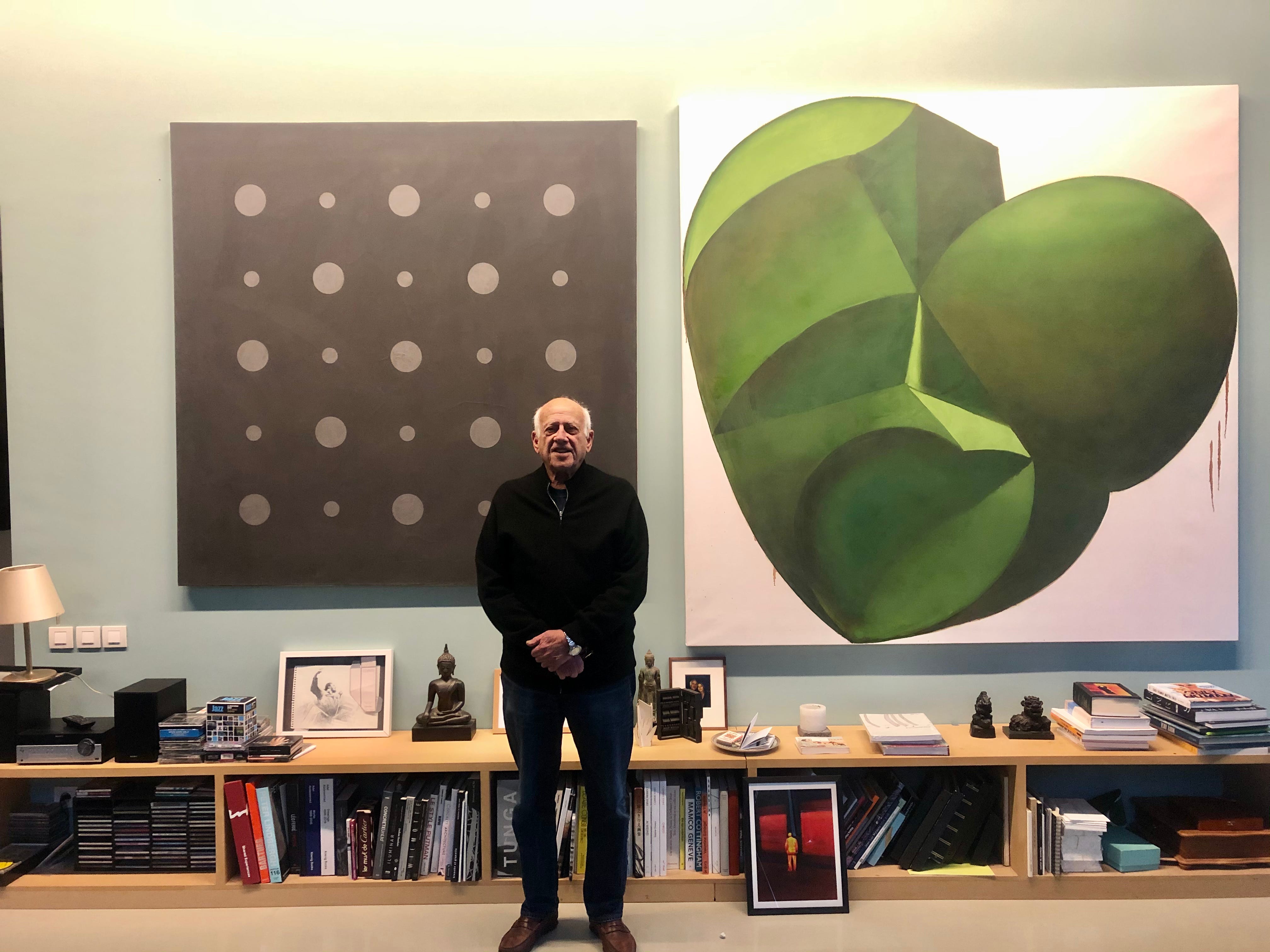
Mi compromiso ha sido, y sigue siendo, con los artistas y no con las estructuras de poder. Creo profundamente que no puede haber un verdadero proyecto cultural sin libertad de creación, sin espacio para la crítica y sin respeto por la diversidad de voces. Cuando esas condiciones se ven amenazadas, el arte pierde su capacidad transformadora y se convierte en un instrumento de control o propaganda. Mi postura actual no difiere sustancialmente de la que tenía hace una década. Continúo defendiendo la libertad de los artistas cubanos, la calidad y la honestidad de su trabajo, y el derecho de Cuba a imaginar un futuro soberano, democrático y plural. No creo en los alineamientos ciegos ni en las fidelidades incondicionales; creo en la responsabilidad ética del intelectual y del actor cultural.
Hoy me sitúo, quizá, en un lugar más contemplativo, pero no pasivo. Observo, analizo y actúo dentro de mis posibilidades, consciente de que los cambios profundos requieren tiempo y paciencia. En ese sentido, me siento cercano a una actitud casi budista: mirar con atención el devenir de los acontecimientos sin renunciar a la acción, ni al compromiso con el pueblo y con el país en el que, sin duda, he sido más feliz.
“Mi compromiso ha sido, y sigue siendo, con los artistas y no con las estructuras de poder. Creo profundamente que no puede haber un verdadero proyecto cultural sin libertad de creación, sin espacio para la crítica y sin respeto por la diversidad de voces.”
Para saber más sobre Gilbert Brownstone y la Association NOEMI - Espace Brownstone, visita:
Muy interesante