


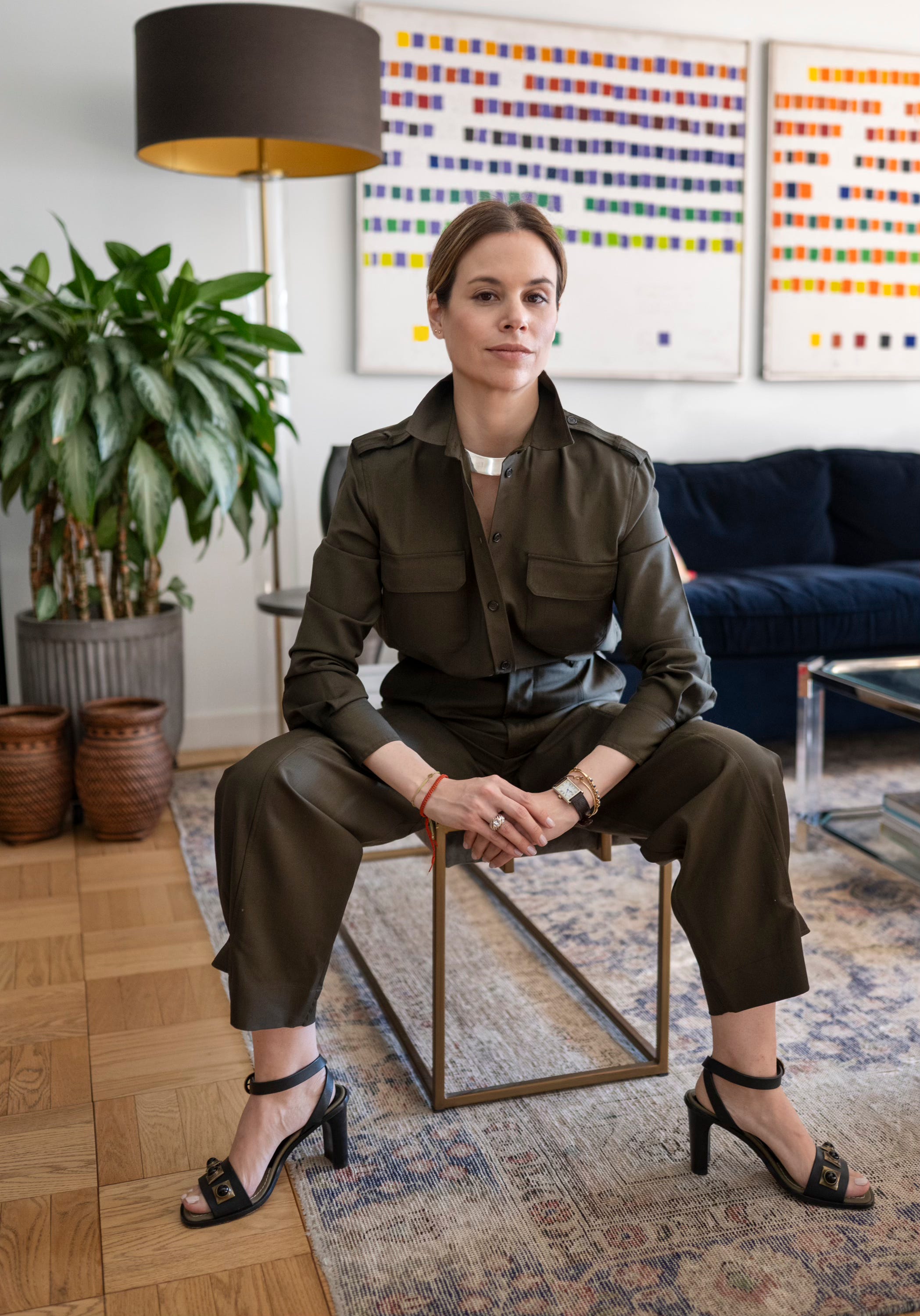
Eugenia Sucre is the director of Henrique Faria Fine Art, one of the most renowned galleries for Latin American art, and founder of Sucre Projects, an independent platform for curatorial and cultural strategies. Her work is grounded in a long-standing engagement with Latin American art and a commitment to supporting artists and their histories.
In this interview, Eugenia reflects on her early relationship to art and on the experiences that led her to focus on the Latin American art scene. She discusses her years at Henrique Faria, what makes a strong exhibition, and the role galleries play in shaping the canon of Latin American art. She also considers the current visibility of the region’s art globally, the responsibilities of diasporic figures in sustaining Venezuelan art, and the motivations behind launching Sucre Projects at this moment in her career.
You’ve built a career that moves between galleries, institutions, and independent curatorial work. How did your interest in art begin, and what led you to focus on the Latin American art scene?
ES: My relationship with art is rooted in my upbringing. With a mother who is an artist and a father who is a landscape architect, I grew up in an environment where looking closely and living with beauty felt natural. Consequently, I spent much of my childhood around studios, museums, and the act of making. Art was never distant, but a way of living and thinking.
I have always been driven by curiosity, often drawn to what feels rare — not only aesthetically, but in the singularity of people and ideas. While visual art has been central, my interests extend across culture more broadly, from fashion and music to architecture and conversation.
A career in art was not something I initially set out to pursue. My path was unconventional: I began working while still in college, and from there it unfolded organically. In the process, I fell deeply in love with the field. Latin American art, in particular, is one of immense sophistication, and it has shaped me both intellectually and emotionally.
Living and working internationally has further deepened my perspective. It has made clear that each place carries its own cultural codes and rhythms — even within Latin America — and learning to navigate those nuances has been essential to my formation.
You’ve led Henrique Faria Fine Art, one of the most renowned galleries in Latin American art, in New York since 2013. How has that experience shaped you? Is there an exhibition that was especially meaningful to you?
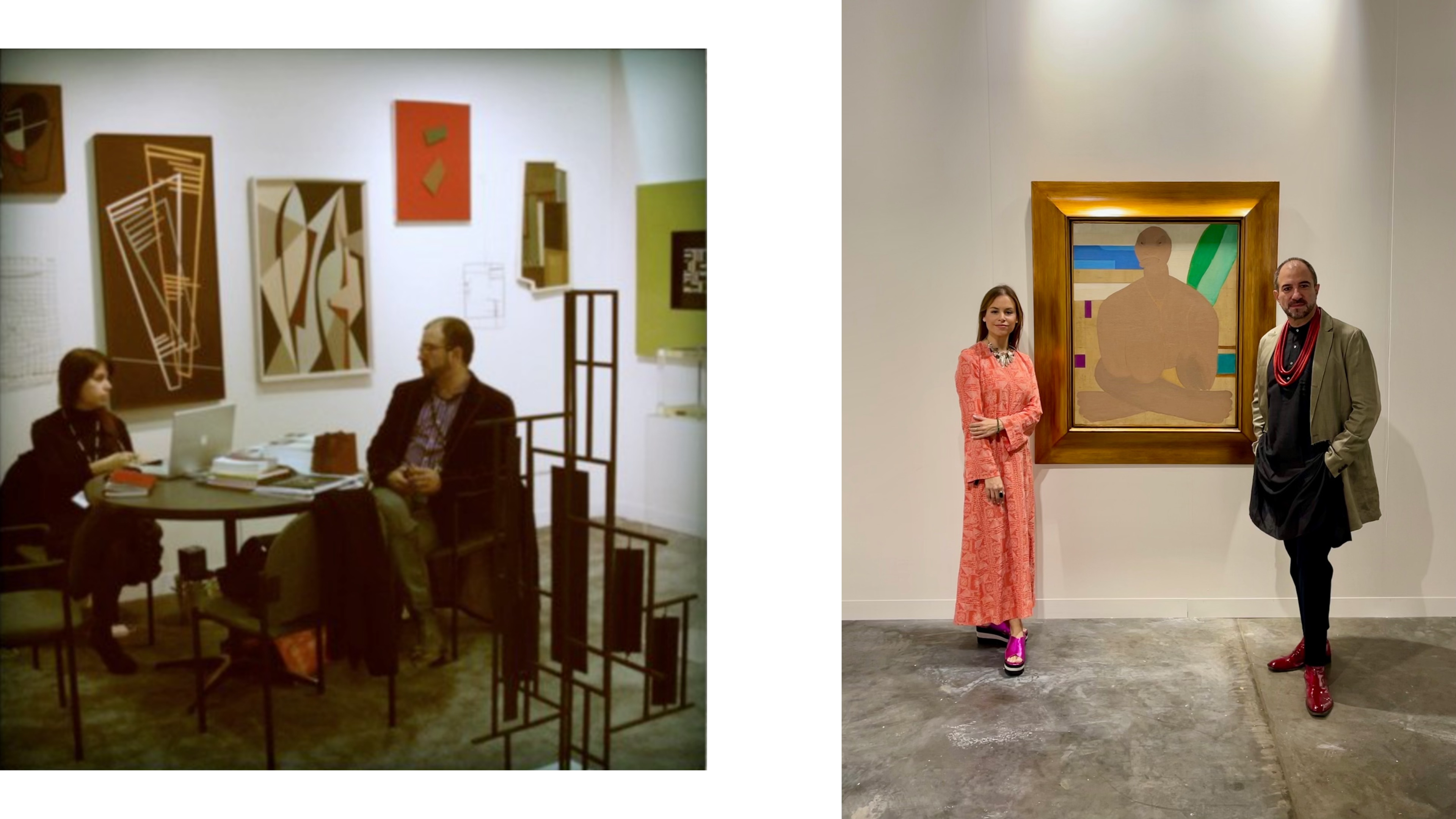
ES: My years at Henrique Faria have shaped me profoundly. I began working with Henrique in 2007 in Caracas, so I grew alongside that relationship and that program. He has been both a mentor and a friend, and I feel deep gratitude for having been part of his vision since very early on while gradually developing my own interest and voice within it.
Working so closely over time has taught me not only about art, but about rigor, loyalty, and the importance of building something with intention. What we have created has never been only about sales or institutional reach, but about context, education, and giving visibility to overlooked artists and histories — I believe our program, in many ways, has been a pioneer.
Like most meaningful work, it was built slowly. From my first art fair nearly two decades ago, when I had no idea what I was doing, to everything that followed, the journey has been shaped by trust, consistency and a real commitment to artists and their histories. Along the way, I’ve had the privilege of working with extraordinary people — artists, collectors, supporters, and colleagues — across many levels. I’ve also learned, with time, that not every relationship is meant to last forever. That is true in art as it is in life. What matters is the seriousness, care, and integrity one brings to those relationships or projects while they are alive.
There have been many exhibitions that were meaningful for different reasons, but if I had to name one, it would be the first exhibition I organised in New York with Osvaldo Romberg, without a doubt. It marked the beginning of a defining chapter in my life.
For you, what makes a good exhibition?
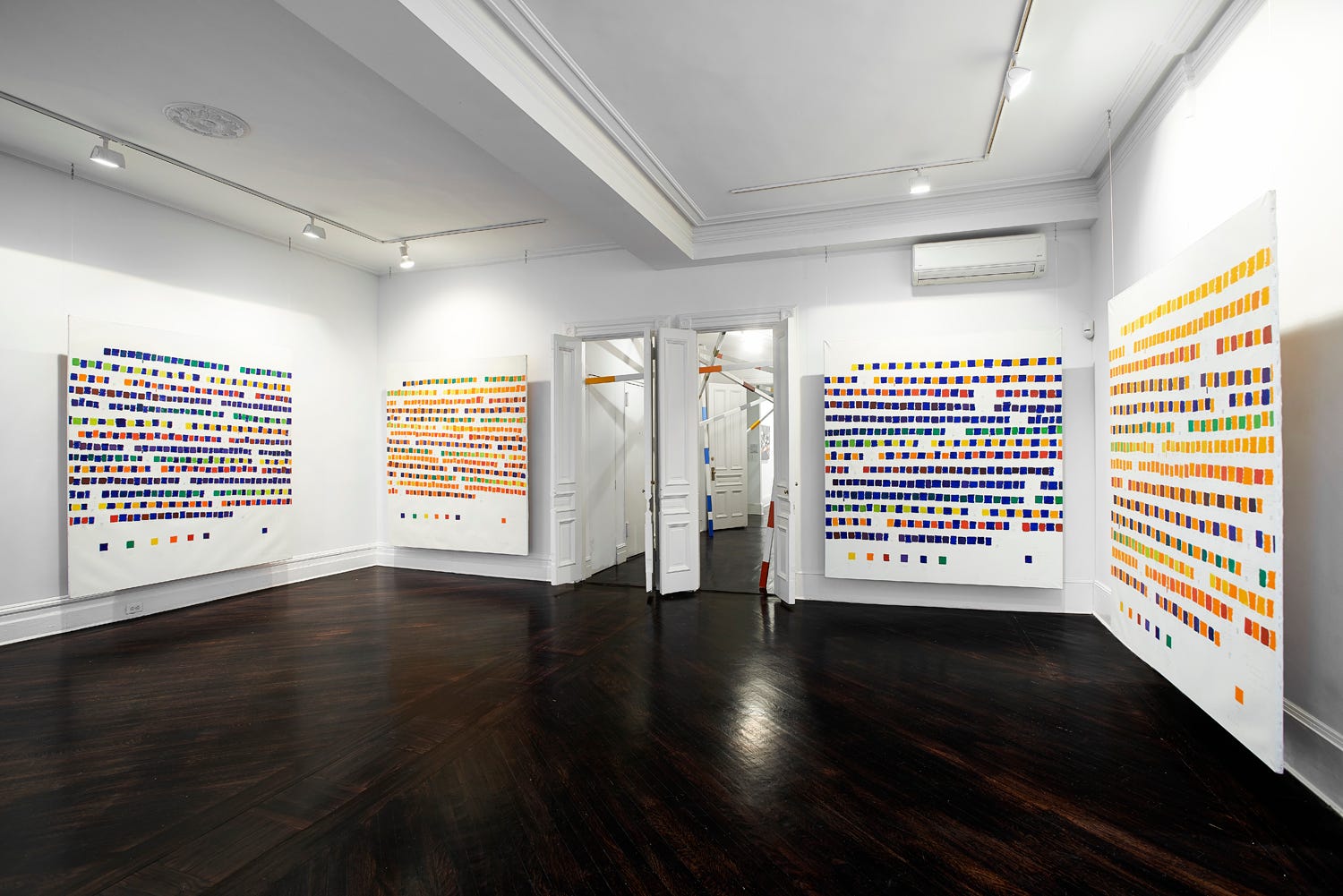
ES: A good exhibition has clarity, rhythm, and conviction. It does not need to explain everything, but it must know exactly what it is doing.
The best exhibitions, for me, are those that sharpen perception. They create a structure for looking while still leaving room for association, ambiguity, and discovery. I move through many exhibitions across galleries, museums, biennials, and cities, and I try to truly absorb them — not simply to document them, but to learn from them, return to them mentally, and enjoy their beauty and silence.
A truly strong exhibition stays with you. It becomes something you continue thinking about, tied not only to what was on view, but to who you were, what you felt, and how you encountered it in that moment. The state in which one arrives, and the attention one brings, becomes part of the experience itself.
“The best exhibitions, for me, are those that sharpen perception. They create a structure for looking while still leaving room for association, ambiguity, and discovery.”
In your view, to what extent do galleries actively shape the canon of Latin American art?
ES: To a great extent. Galleries are not neutral spaces. They shape visibility, discourse, market confidence, institutional placement, and ultimately historical attention. They help determine which artists are sustained, which narratives are amplified, and which practices are taken seriously over time. That is why their role carries real responsibility.
Some galleries simply sell; others help make history. The ones I admire most have a clear editorial identity: a vision sustained and deepened over years. That consistency is in itself a form of authorship, it signals a commitment that extends beyond the market.
I also believe small- and mid-sized galleries often work at a structural disadvantage, even though they are frequently doing some of the most committed and formative work. They take risks earlier, build context patiently, and stay close to artists and ideas long before wider recognition arrives. That value is not always acknowledged by the system — or by the artists who begin with them — and it should.
“Galleries are not neutral spaces. They shape visibility, discourse, market confidence, institutional placement, and ultimately historical attention.”
There has been increasing global attention on Latin American art in the past years. Do you see this as a meaningful shift, more as another moment of visibility?
ES: More attention is undeniable, and it matters. In recent decades, many museums have expanded collections, created departments, appointed curators, and made more visible efforts to integrate Latin American art into broader institutional narratives. But whether this amounts to a full structural shift is still uncertain.
Latin American art has experienced earlier cycles of visibility, often shaped as much by politics as by art history. It has frequently been framed through outside ideological lenses or confined to exoticised and regional narratives, remaining adjacent to — rather than fully within — the central story of modern and contemporary art. The real question is whether current attention is leading to deeper change.
Visibility alone does not transform a field, and symbolic inclusion is not the same as real integration. What matters is whether institutions are willing to let Latin American art reshape the way art history itself is written — not as an addition or side chapter, but as an integral part of the core narrative.
What interests me most is not whether Latin American art is finally visible, but whether it is finally being treated as indispensable.
“Latin American art has experienced earlier cycles of visibility, often shaped as much by politics as by art history…the real question is whether current attention is leading to deeper change. Visibility alone does not transform a field, and symbolic inclusion is not the same as real integration.”
What role do you think diasporic figures, like yourself, play in sustaining or redefining Venezuelan art today?
ES: Diasporic figures often hold a double task: to preserve memory and to produce new context. Distance can create loss, but it can also sharpen perspective and deepen one’s sense of responsibility.
In the case of Venezuelan art, the diaspora has played an important role in keeping artists, archives, and conversations alive across borders. Personally, what interests me most is not nostalgia, but continuity. How do we preserve memory without freezing it? How do we keep the work active in the present without reducing it to a story of what it once was, or only of exile and absence? And how do we ensure that the critical force of that work — its capacity to register, question, and endure — sustains into the future? That, to me, is where the real work begins.
I also think the diaspora has taken on, in many ways, a role of cultural diplomacy. For decades, Venezuela has lacked the kind of sustained institutional support that culture needs, and in that absence many of us outside the country have had to carry part of that work differently: by creating visibility, building context, opening conversations, and keeping artists and ideas present internationally. In that sense, we have also become cultural ambassadors. Personally, I have also been fortunate to continue supporting projects within Venezuela and to stay meaningfully connected to the local scene. That dialogue has kept me connected not only to what Venezuelan art has been, but to what it continues to be and what it will become.
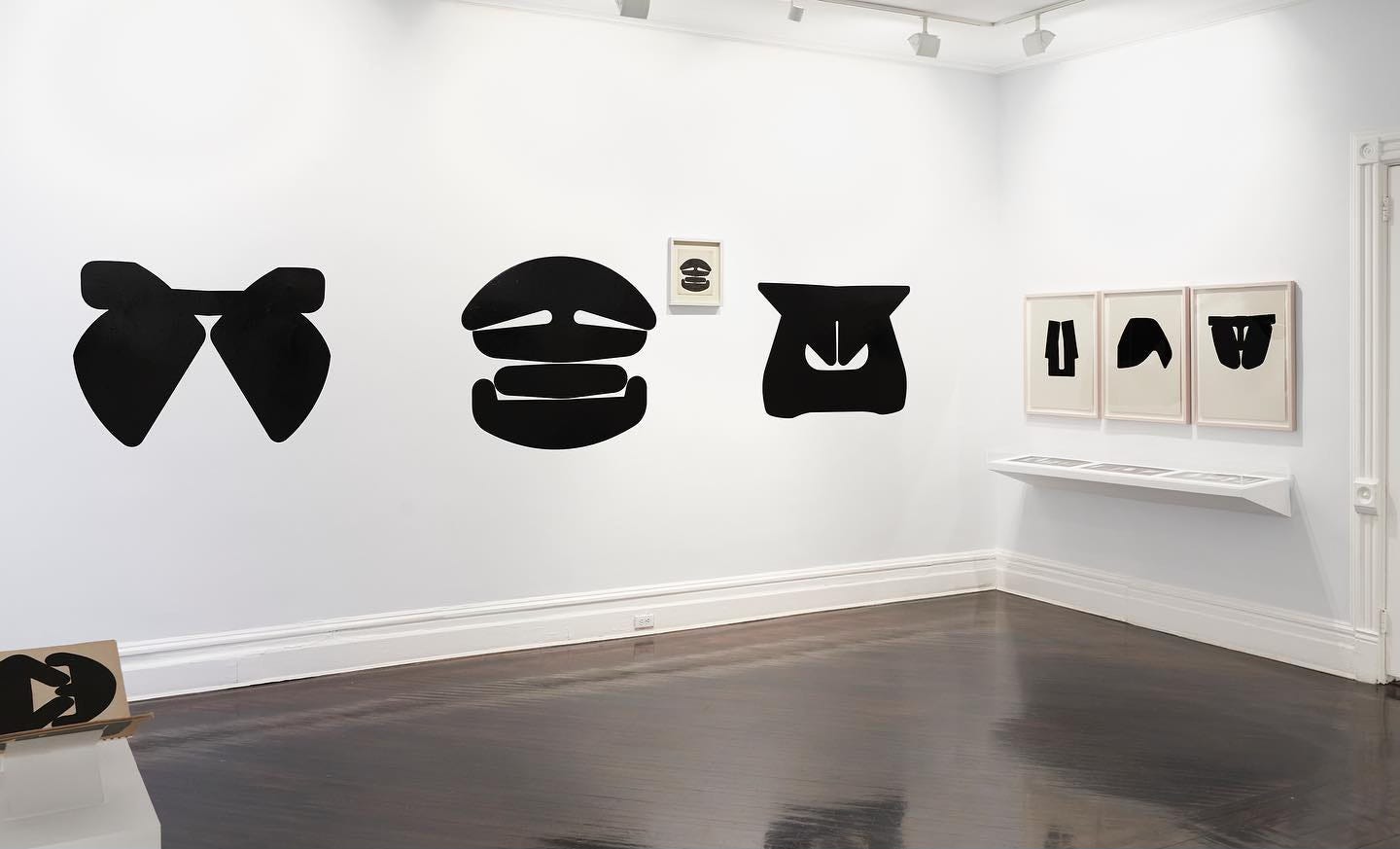
You recently launched your independent platform, Sucre Projects. What motivated this shift at this moment in your career, and what do you hope to build through it in the long term?
ES: Sucre Projects came from a desire to work with greater freedom. After many years within established structures, I wanted to create a space where I could move more fluidly, allowing for more playful and creative ways of working without losing rigor.
It is not a gallery, but a platform — and that distinction matters. After decades within the traditional model, the project emerged as a response to where I believe the system no longer feels sustainable, particularly in a field where serious artists far outnumber viable models of representation, and where financial strain and burnout have become impossible to ignore.
Sucre Projects functions as a cultural production and consultancy platform, working closely with private clients, artists, legacies, institutions, brands, and galleries. It is intentionally structured as a collaborative, boutique model built on close, one-on-one relationships. SP is not art advisory — at least not in the narrow or conventional sense of the term. My approach is different. It is a broader kind of cultural consultancy, not limited to the act of acquisition alone — I am focused on context, meaning, dialogue, and a connection to personal narratives. One should always buy what one loves, but love is stronger when accompanied by knowledge and responsibility.
At this stage, I want to share knowledge and support artists who may not yet have representation but are committed to building a rigorous, long-term practice. I am interested in bridging legacies with the right institutions, producing experimental exhibitions, supporting more sustainable practices, and helping new collectors engage with art in a deeper, more meaningful way.
Ultimately, I am interested in the idea that the eye can be educated. Through Sucre Projects — and “the quiet eye,” a project in development — I want to create experiences that invite people into art with seriousness but without intimidation, leaving space for curiosity, intuition, and pleasure. Art should remain alive, surprising, and open to delight.
“At this stage, I want to share knowledge and support artists who may not yet have representation but are committed to building a rigorous, long-term practice. I am interested in bridging legacies with the right institutions, producing experimental exhibitions, supporting more sustainable practices, and helping new collectors engage with art in a deeper, more meaningful way.”
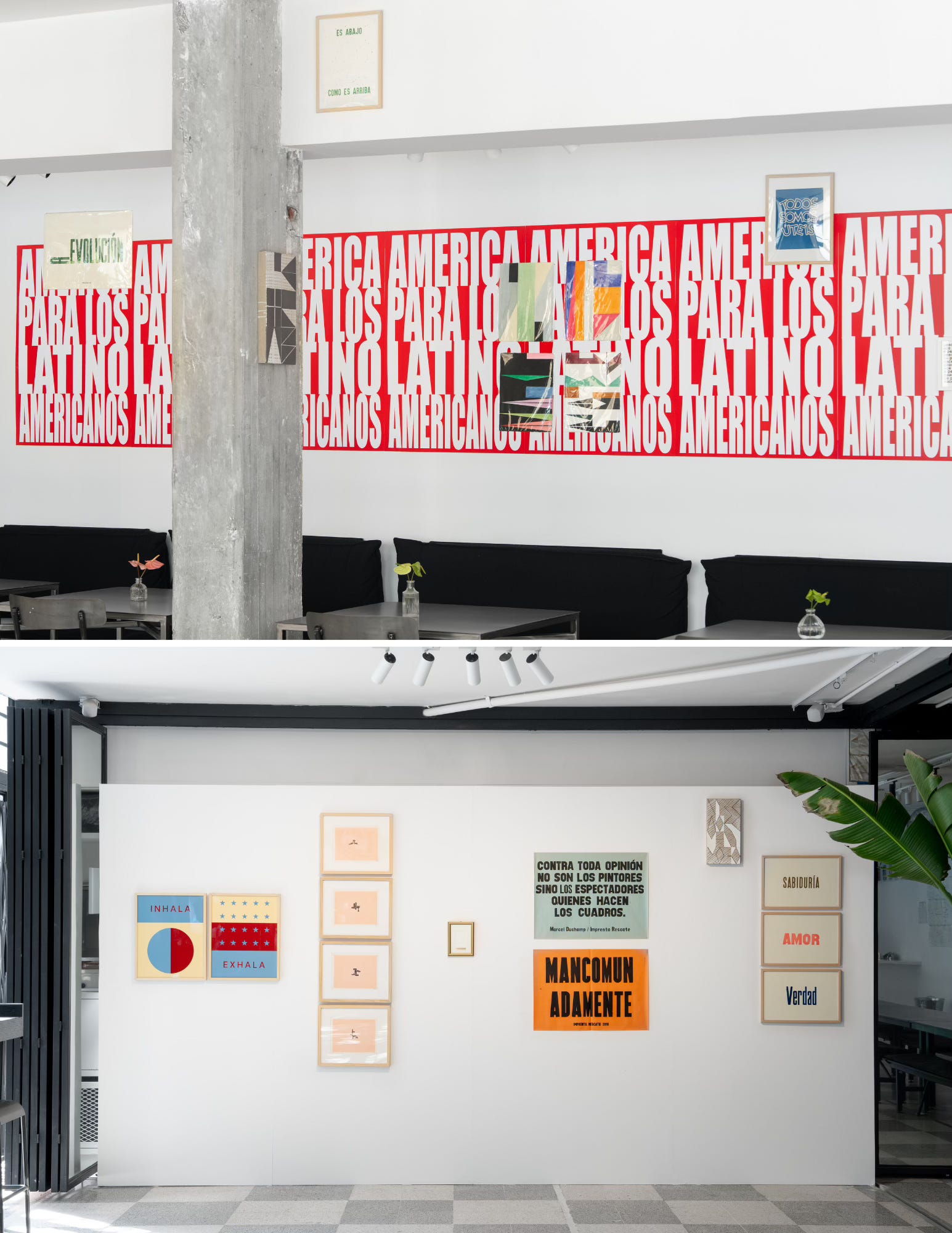
What kinds of artistic practices or conversations in/from Latin America excite you most right now?
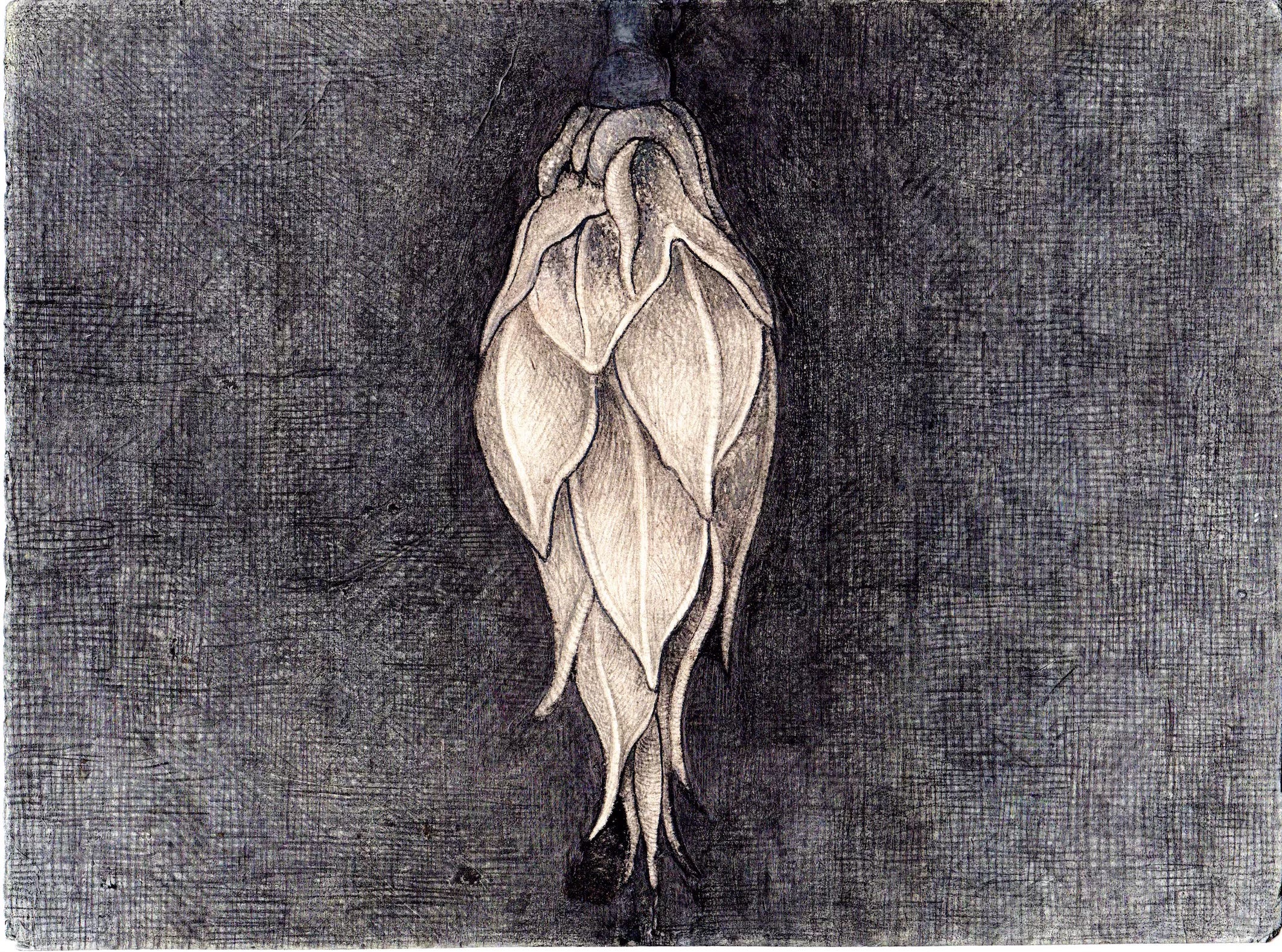
ES: I am especially drawn to practices that resist easy categorization: work that moves between text, image, archive, installation, craft, publishing, and performance with real conceptual rigor. I am also very interested in artists thinking through language, migration, abstraction, memory, and popular culture in ways that feel formally precise but intellectually open for interpretation. And I have a deep and longstanding love for drawing — as a medium, as a form of thinking, as something that never loses its intimacy.
More broadly, I am excited by conversations that place Latin American art in active dialogue with other regions, histories, and disciplines, without losing specificity. What draws me most, in the end, is work that does not chase trends. If you are buying a trend, you are already too late. Context changes, of course, but great art never goes out of style.

To learn more about Eugenia Sucre and Sucre Projects, visit:
En conversación con: Eugenia Sucre
Eugenia Sucre es la directora de Henrique Faria Fine Art, una de las galerías más reconocidas de arte latinoamericano, y fundadora de Sucre Projects, una plataforma independiente para estrategias curatoriales y culturales. Su trabajo se fundamenta en una larga trayectoria de compromiso con el arte latinoamericano y en el apoyo a los artistas y sus historias.
En esta entrevista, Eugenia reflexiona sobre su relación temprana con el arte y sobre las experiencias que la llevaron a centrarse en la escena del arte latinoamericano. Habla de sus años en Henrique Faria, de lo que define una buena exposición y del papel que desempeñan las galerías en la construcción del canon del arte latinoamericano. También considera la visibilidad actual del arte de la región a nivel global, las responsabilidades de las figuras diaspóricas en la sostenibilidad del arte venezolano y las motivaciones detrás del lanzamiento de Sucre Projects en este momento de su carrera.
Has construido una carrera que se mueve entre galerías, instituciones y el trabajo curatorial independiente. ¿Cómo comenzó tu interés por el arte y qué te llevó a centrarte en la escena del arte latinoamericano?
ES: Mi relación con el arte está arraigada en mi crianza. Con una madre artista y un padre arquitecto paisajista, crecí en un entorno donde mirar con atención y convivir con la belleza se sentía natural. Como consecuencia, pasé gran parte de mi infancia entre estudios, museos y el acto de crear. El arte nunca fue algo distante, sino una forma de vivir y de pensar.
Siempre me ha movido la curiosidad, a menudo atraída por aquello que se siente raro —no solo en términos estéticos, sino en la singularidad de las personas y las ideas. Aunque el arte visual ha sido central, mis intereses se extienden a la cultura en un sentido más amplio, desde la moda y la música hasta la arquitectura y la conversación.
Una carrera en el arte no fue algo que inicialmente me propuse. Mi camino fue poco convencional: comencé a trabajar mientras aún estaba en la universidad, y a partir de ahí se fue desarrollando de manera orgánica. En el proceso, me enamoré profundamente del campo. El arte latinoamericano, en particular, es de una enorme sofisticación, y me ha formado tanto intelectual como emocionalmente.
Vivir y trabajar a nivel internacional ha profundizado aún más mi perspectiva. Me ha dejado claro que cada lugar tiene sus propios códigos y ritmos culturales —incluso dentro de América Latina—, y aprender a navegar esos matices ha sido esencial en mi formación.
Has dirigido Henrique Faria Fine Art, una de las galerías más reconocidas de arte latinoamericano en Nueva York, desde 2013. ¿Cómo te ha formado esa experiencia? ¿Hay alguna exposición que haya sido especialmente significativa para ti?
ES: Mis años en Henrique Faria me han formado profundamente. Comencé a trabajar con Henrique en 2007 en Caracas, por lo que crecí junto a esa relación y a ese programa. Él ha sido tanto un mentor como un amigo, y siento una profunda gratitud por haber sido parte de su visión desde muy temprano, al mismo tiempo que fui desarrollando gradualmente mi propio interés y voz dentro de ella.
Trabajar tan de cerca a lo largo del tiempo me ha enseñado no solo sobre el arte, sino sobre el rigor, la lealtad y la importancia de construir algo con intención. Lo que hemos creado nunca ha sido únicamente sobre ventas o alcance institucional, sino sobre contexto, educación y dar visibilidad a artistas e historias que han sido pasados por alto — creo que nuestro programa, en muchos sentidos, ha sido pionero.
Como la mayoría del trabajo significativo, se construyó lentamente. Desde mi primera feria de arte hace casi dos décadas, cuando no tenía idea de lo que estaba haciendo, hasta todo lo que vino después, el recorrido ha estado marcado por la confianza, la consistencia y un compromiso real con los artistas y sus historias. A lo largo del camino, he tenido el privilegio de trabajar con personas extraordinarias — artistas, coleccionistas, aliados y colegas — en muchos niveles. También he aprendido, con el tiempo, que no todas las relaciones están destinadas a durar para siempre. Eso es cierto en el arte como en la vida. Lo que importa es la seriedad, el cuidado y la integridad que uno aporta a esas relaciones o proyectos mientras están vivos.
Ha habido muchas exposiciones significativas por distintas razones, pero si tuviera que nombrar una, sería sin duda la primera exposición que organicé en Nueva York con Osvaldo Romberg. Marcó el inicio de un capítulo decisivo en mi vida.
Para ti, ¿cómo debe ser una exposición para que la consideres buena?
ES: Una buena exposición tiene claridad, ritmo y convicción. No necesita explicarlo todo, pero debe saber exactamente lo que está haciendo.
Las mejores exposiciones, para mí, son aquellas que afinan la percepción. Crean una estructura para la mirada, dejando al mismo tiempo espacio para la asociación, la ambigüedad y el descubrimiento. Recorro muchas exposiciones en galerías, museos, bienales y ciudades, e intento realmente absorberlas —no simplemente documentarlas, sino aprender de ellas, volver a ellas mentalmente y disfrutar de su belleza y su silencio.
Una exposición verdaderamente sólida permanece contigo. Se convierte en algo en lo que sigues pensando, ligado no solo a lo que se mostraba, sino a quién eras, qué sentías y cómo la experimentaste en ese momento. El estado en el que uno llega, y la atención que aporta, pasan a formar parte de la experiencia misma.
“Las mejores exposiciones, para mí, son aquellas que afinan la percepción. Crean una estructura para la mirada, dejando al mismo tiempo espacio para la asociación, la ambigüedad y el descubrimiento.”
En tu opinión, ¿hasta qué punto las galerías moldean activamente el canon del arte latinoamericano?
ES: En gran medida. Las galerías no son espacios neutrales. Configuran la visibilidad, el discurso, la confianza del mercado, la inserción institucional y, en última instancia, la atención histórica. Ayudan a determinar qué artistas se sostienen en el tiempo, qué narrativas se amplifican y qué prácticas son tomadas en serio. Por eso su papel conlleva una verdadera responsabilidad.
Algunas galerías simplemente venden; otras ayudan a hacer historia. Las que más admiro tienen una identidad editorial clara: una visión sostenida y profundizada a lo largo de los años. Esa consistencia es en sí misma una forma de autoría; señala un compromiso que va más allá del mercado.
También creo que las galerías pequeñas y medianas a menudo operan en desventaja estructural, aunque con frecuencia son las que realizan algunos de los trabajos más comprometidos y formativos. Asumen riesgos antes, construyen contexto con paciencia y permanecen cerca de los artistas y las ideas mucho antes de que llegue un reconocimiento más amplio. Ese valor no siempre es reconocido por el sistema —ni por los propios artistas que comienzan con ellas—, y debería serlo.
“Las galerías no son espacios neutrales. Configuran la visibilidad, el discurso, la confianza del mercado, la inserción institucional y, en última instancia, la atención histórica.”
Ha habido una creciente atención global hacia el arte latinoamericano en los últimos años. ¿Lo ves como un cambio significativo o más bien como otro momento de visibilidad?
ES: Más atención es innegable, y es importante. En las últimas décadas, muchos museos han ampliado sus colecciones, creado departamentos, nombrado curadores y hecho esfuerzos más visibles por integrar el arte latinoamericano en narrativas institucionales más amplias. Pero si esto constituye un cambio estructural pleno sigue siendo incierto.
El arte latinoamericano ha experimentado ciclos anteriores de visibilidad, a menudo determinados tanto por la política como por la historia del arte. Con frecuencia ha sido enmarcado a través de lentes ideológicas externas o confinado a narrativas exotizadas y regionales, permaneciendo adyacente —en lugar de plenamente dentro— de la historia central del arte moderno y contemporáneo. La verdadera pregunta es si la atención actual está generando un cambio más profundo.
La visibilidad por sí sola no transforma un campo, y la inclusión simbólica no es lo mismo que una integración real. Lo que importa es si las instituciones están dispuestas a permitir que el arte latinoamericano reconfigure la manera en que se escribe la propia historia del arte —no como una adición o un capítulo lateral, sino como una parte integral de la narrativa central.
Lo que más me interesa no es si el arte latinoamericano es finalmente visible, sino si finalmente está siendo tratado como indispensable.
“El arte latinoamericano ha experimentado ciclos anteriores de visibilidad, a menudo determinados tanto por la política como por la historia del arte…la verdadera pregunta es si la atención actual está generando un cambio más profundo. La visibilidad por sí sola no transforma un campo, y la inclusión simbólica no es lo mismo que una integración real.”
¿Qué papel crees que desempeñan las figuras diaspóricas, como tú, en la sostenibilidad o redefinición del arte venezolano hoy?
ES: Las figuras diaspóricas suelen asumir una doble tarea: preservar la memoria y producir nuevo contexto. La distancia puede generar pérdida, pero también puede agudizar la perspectiva y profundizar el sentido de responsabilidad.
En el caso del arte venezolano, la diáspora ha desempeñado un papel importante en mantener vivos a los artistas, los archivos y las conversaciones a través de las fronteras. Personalmente, lo que más me interesa no es la nostalgia, sino la continuidad. ¿Cómo preservamos la memoria sin congelarla? ¿Cómo mantenemos la obra activa en el presente sin reducirla a una historia de lo que fue, o únicamente de exilio y ausencia? ¿Y cómo aseguramos que la fuerza crítica de ese trabajo —su capacidad de registrar, cuestionar y perdurar— se sostenga hacia el futuro? Ahí, para mí, es donde comienza el verdadero trabajo.
También creo que la diáspora ha asumido, en muchos sentidos, un papel de diplomacia cultural. Durante décadas, Venezuela ha carecido del tipo de apoyo institucional sostenido que la cultura necesita, y en esa ausencia muchos de nosotros fuera del país hemos tenido que asumir parte de ese trabajo de otra manera: creando visibilidad, construyendo contexto, abriendo conversaciones y manteniendo a los artistas y las ideas presentes a nivel internacional. En ese sentido, también nos hemos convertido en embajadores culturales. Personalmente, también he tenido la fortuna de seguir apoyando proyectos dentro de Venezuela y de mantenerme conectada de manera significativa con la escena local. Ese diálogo me ha mantenido vinculada no solo con lo que ha sido el arte venezolano, sino con lo que sigue siendo y lo que será.
Recientemente lanzaste tu plataforma independiente, Sucre Projects. ¿Qué motivó este cambio en este momento de tu carrera y qué esperas construir a largo plazo a través de ella?
ES: Sucre Projects surgió de un deseo de trabajar con mayor libertad. Después de muchos años dentro de estructuras establecidas, quería crear un espacio en el que pudiera moverme con mayor fluidez, permitiendo formas de trabajo más lúdicas y creativas sin perder el rigor.
No es una galería, sino una plataforma —y esa distinción es importante. Después de décadas dentro del modelo tradicional, el proyecto surgió como una respuesta a un sistema que, desde mi perspectiva, ya no se siente sostenible, particularmente en un campo donde los artistas serios superan con creces los modelos viables de representación, y donde la presión financiera y el agotamiento se han vuelto imposibles de ignorar.
Sucre Projects funciona como una plataforma de producción cultural y consultoría, trabajando de cerca con clientes privados, artistas, legados, instituciones, marcas y galerías. Está intencionalmente estructurada como un modelo boutique y colaborativo, basado en relaciones cercanas y uno a uno. SP no es asesoría de arte —al menos no en el sentido estrecho o convencional del término. Mi enfoque es distinto. Es una forma más amplia de consultoría cultural, no limitada únicamente al acto de adquisición —me interesa el contexto, el significado, el diálogo y la conexión con narrativas personales. Siempre se debe comprar lo que se ama, pero el amor es más fuerte cuando está acompañado de conocimiento y responsabilidad.
En esta etapa, quiero compartir conocimiento y apoyar a artistas que quizás aún no cuentan con representación, pero que están comprometidos con construir una práctica rigurosa y a largo plazo. Me interesa conectar legados con las instituciones adecuadas, producir exposiciones experimentales, apoyar prácticas más sostenibles y ayudar a nuevos coleccionistas a relacionarse con el arte de una manera más profunda y significativa.
En última instancia, me interesa la idea de que la mirada puede educarse. A través de Sucre Projects —y “the quiet eye”, un proyecto en desarrollo— quiero crear experiencias que inviten a las personas a acercarse al arte con seriedad pero sin intimidación, dejando espacio para la curiosidad, la intuición y el placer. El arte debe permanecer vivo, sorprendente y abierto al asombro.
“En esta etapa, quiero compartir conocimiento y apoyar a artistas que quizás aún no cuentan con representación, pero que están comprometidos con construir una práctica rigurosa y a largo plazo. Me interesa conectar legados con las instituciones adecuadas, producir exposiciones experimentales, apoyar prácticas más sostenibles y ayudar a nuevos coleccionistas a relacionarse con el arte de una manera más profunda y significativa.”
¿Qué tipos de prácticas artísticas o conversaciones en/de América Latina te entusiasman más en este momento?
ES: Me atraen especialmente las prácticas que resisten una categorización fácil: trabajos que se mueven entre texto, imagen, archivo, instalación, oficio, publicación y performance con un verdadero rigor conceptual. También me interesan mucho los artistas que piensan a través del lenguaje, la migración, la abstracción, la memoria y la cultura popular de maneras que se sienten formalmente precisas pero intelectualmente abiertas a la interpretación. Y tengo un amor profundo y duradero por el dibujo —como medio, como forma de pensamiento, como algo que nunca pierde su intimidad.
De manera más amplia, me entusiasman las conversaciones que sitúan el arte latinoamericano en un diálogo activo con otras regiones, historias y disciplinas, sin perder especificidad. Lo que más me atrae, al final, es el trabajo que no persigue tendencias. Si estás comprando una tendencia, ya llegaste tarde. El contexto cambia, por supuesto, pero el gran arte nunca pasa de moda.
Para saber más sobre Eugenia Sucre y Sucre Projects, visita: