


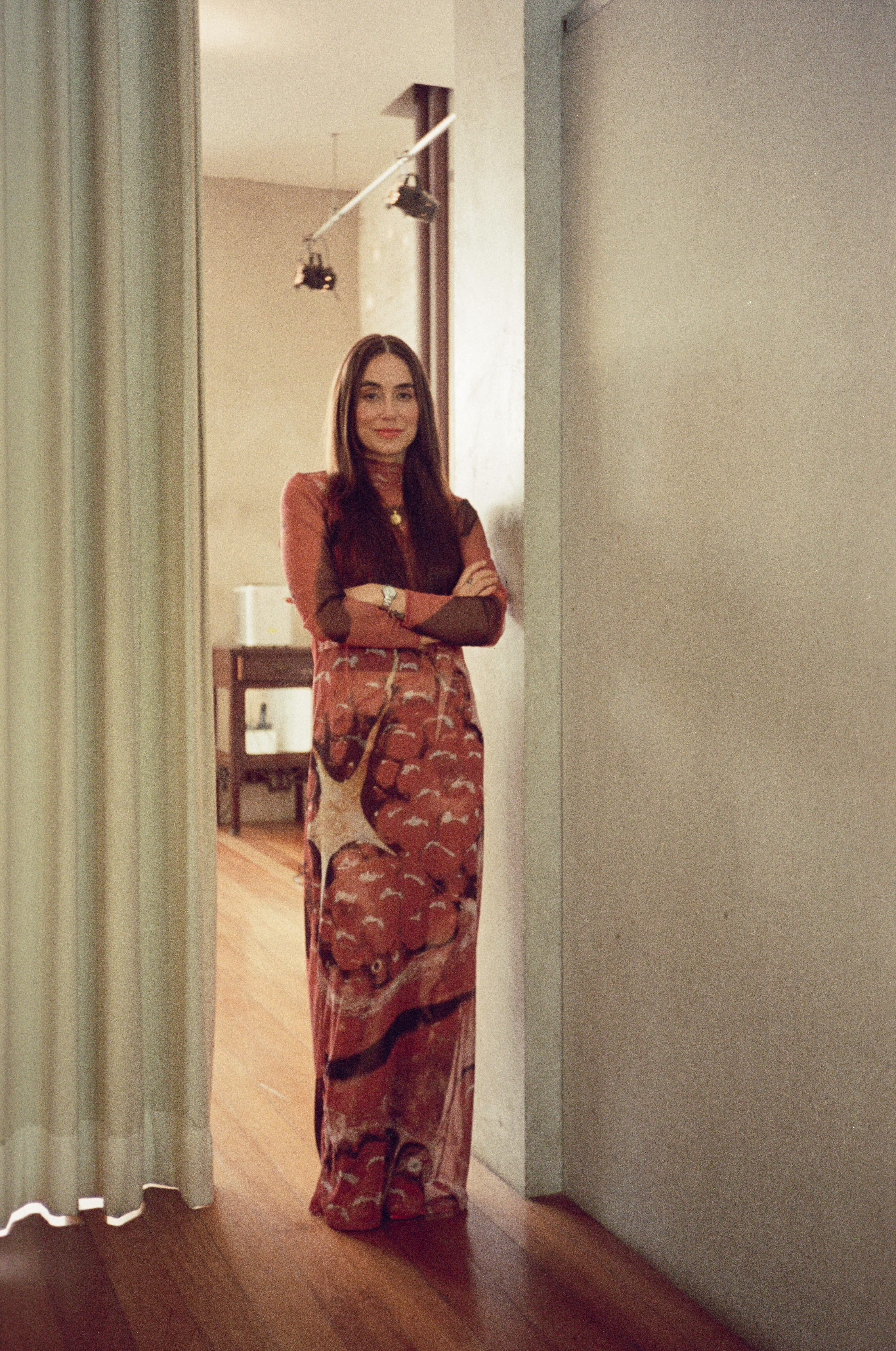

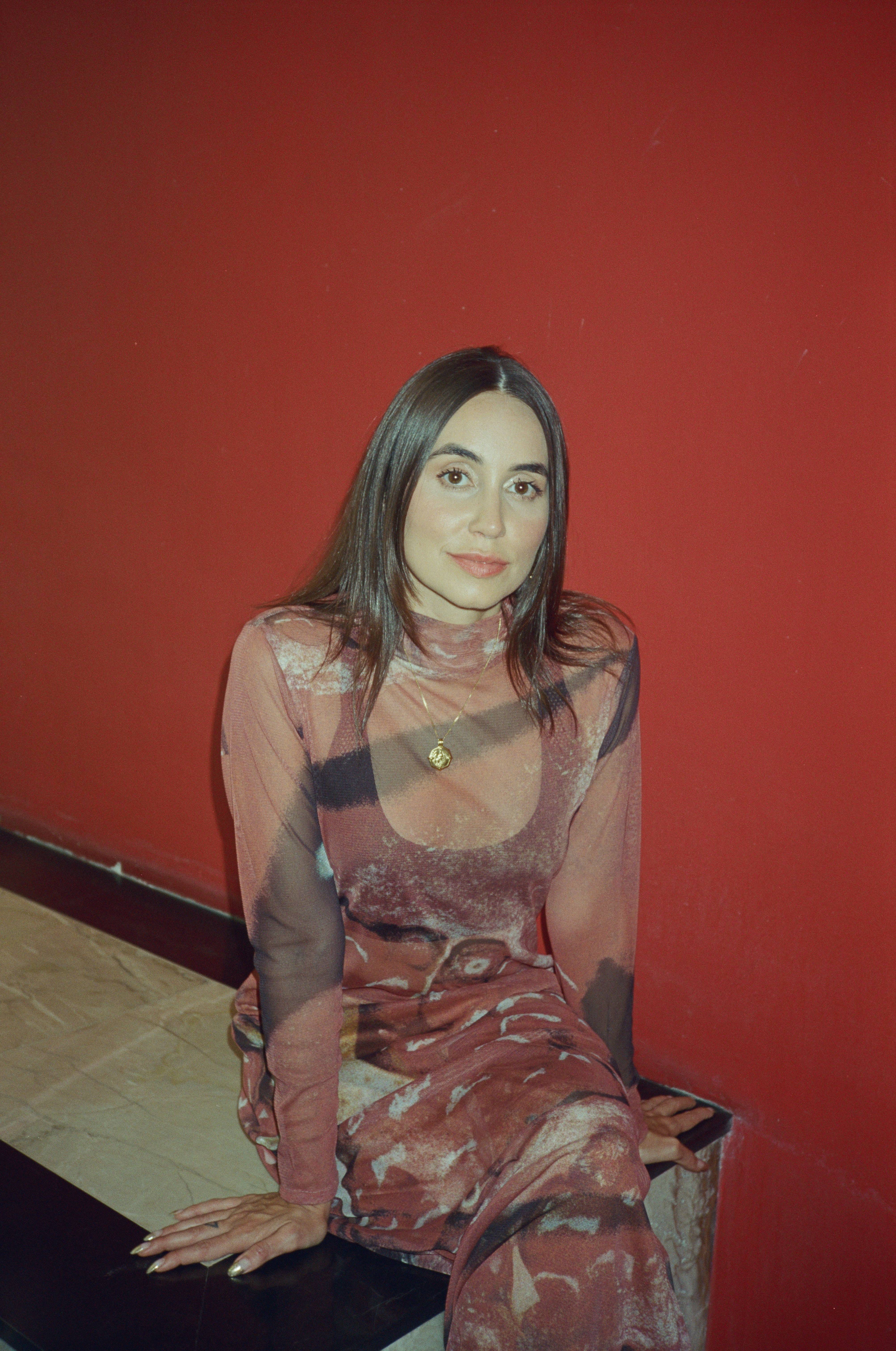
Carolina Carreteiro is a partner at Nonada gallery in São Paulo, Brazil. After gaining extensive experience and expertise in the arts in Spain and Germany, she returned to her home country and joined the team at one of the most dynamic new galleries in the Brazilian arts scene.
In this interview, Carolina invites us to learn more about her background, her role at Nonada, and the vibrant and ever-evolving Brazilian arts community.
Q: Tell us about your background and what led you to become a partner at Nonada
Carolina Carreteiro: I found myself in the visual arts in Berlin. I did a two-year master’s degree in Cultural Development in Madrid, where I had to write my thesis during the second year. I decided to focus my research on cultural institutions and feminism, and I just had this strong intuition that Berlin would be the best place for me to write the thesis.
There, I found out about the existence of the art market because before that, I had no idea. I knew about museums and auction houses, but I didn’t know that art could be sold through galleries. I stumbled upon this world, and I became very interested in it: The mix of art and business, and how I could work with artists directly in a not-so-bureaucratic way, such as museums, really attracted me. Galleries seemed to be the right place to develop my professional career.
I came back to Brazil in August 2023 and in September, I ran into Paolo Azeco, the founder of Nonada, in Art Rio. I already knew him from our previous jobs at Fortes D’Aloia & Gabriel and we started talking about his interest in opening another space for Nonada. By that time, the gallery was only in Rio de Janeiro, and Paolo wanted a space in São Paulo. That day, he invited me to be his partner. It was a dream of mine to be able to run a business, so I was absolutely overwhelmed and happy, it was something that I had always wanted. Everything became official this January, but even before opening in São Paulo, we were working in the opening another space in Salvador which was a huge success. It was very special because the city has such a vibrant scene, Salvador is the blackest city outside of Africa and it is so culturally rich, with a lot of art productions going on.
Q: Which differences do you see between working in Berlin and now in São Paulo?
Carolina Carreteiro: I used to think things would be different, but operationally speaking, they are the same. The thing that varies the most is, of course, culture.
In Brazil, people are really warm, very passionate and open to doing things, even though they don't have a plan. In Germany, I found things more structured, which is also great and can have big advantages. But, in Brazil we have an interesting word: Mambembe, which means “doing something in an improvising way”. Here, we are really used to doing things like that, we don’t know how exactly we will accomplish them, we just go for it. When I came back to Brazil, I realized that I missed doing things this way because then I allow myself to have space for mystery and creativity.
“…in Brazil we have an interesting word: Mambembe, which means “doing something in an improvising way”. Here, we are really used to doing things like that, we don’t know how exactly we will accomplish them, we just go for it”
Q: Nonada has a strong focus on showcasing diverse perspectives and amplifying the voices of artists who are outside of the gallery circuit. What inspired this initiative? Can you tell us more about how this mission is reflected in the program and the artists the gallery works with?
Carolina Carreteiro: Nonada is the first word of a Brazilian classical literature book called “Grande Sertão: Veredas” by Guimarães Rosa. This book was very avant-garde for its time, the author talks about a very beautiful story, drawing a parallel of something that becomes real only when what is ignored is shown. This is reflected in the mission of the gallery because we look at those narratives that are not being shared by the mainstream media or market, but that do exist. There are so many stories to be told, it can take us a lifetime to share them.
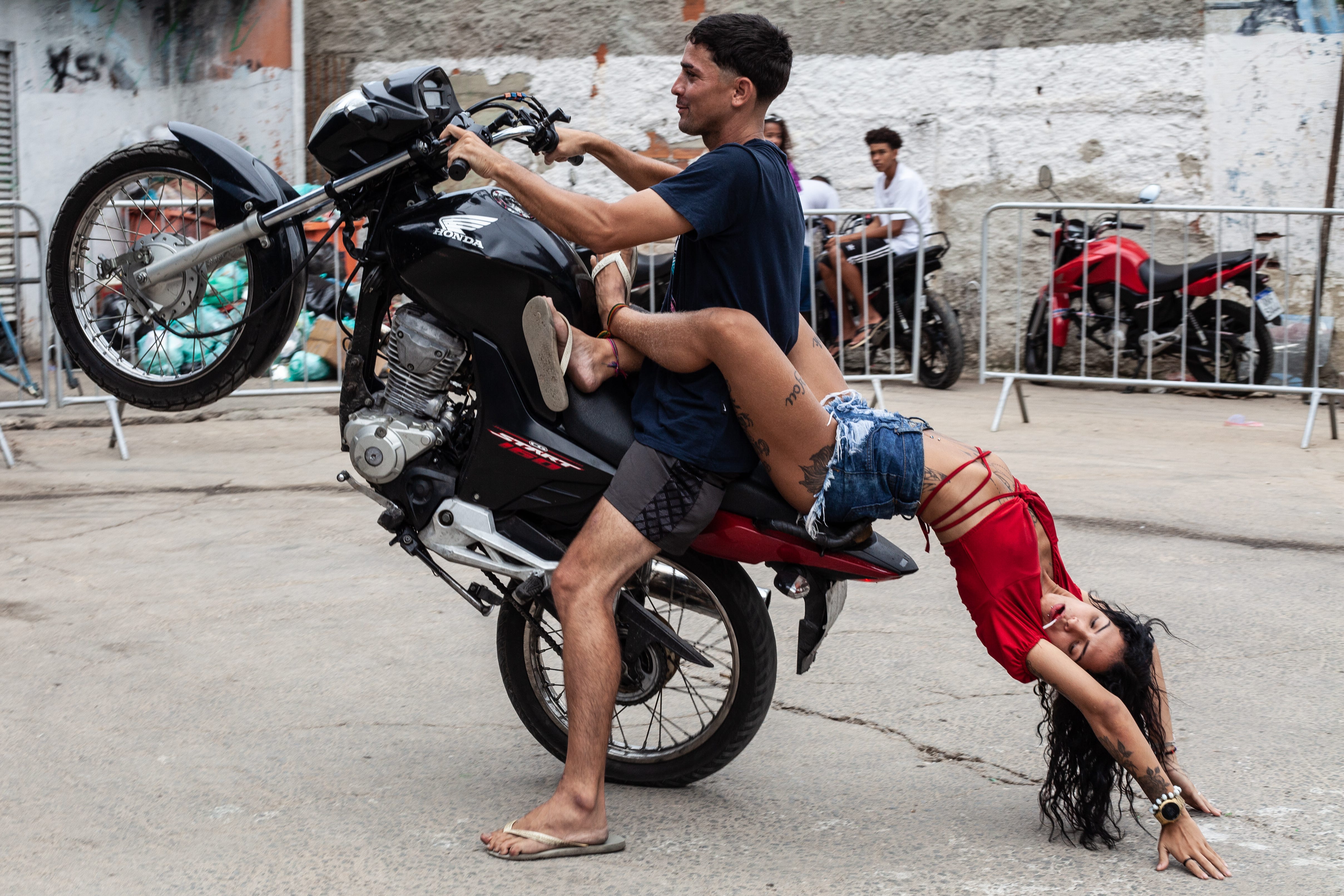
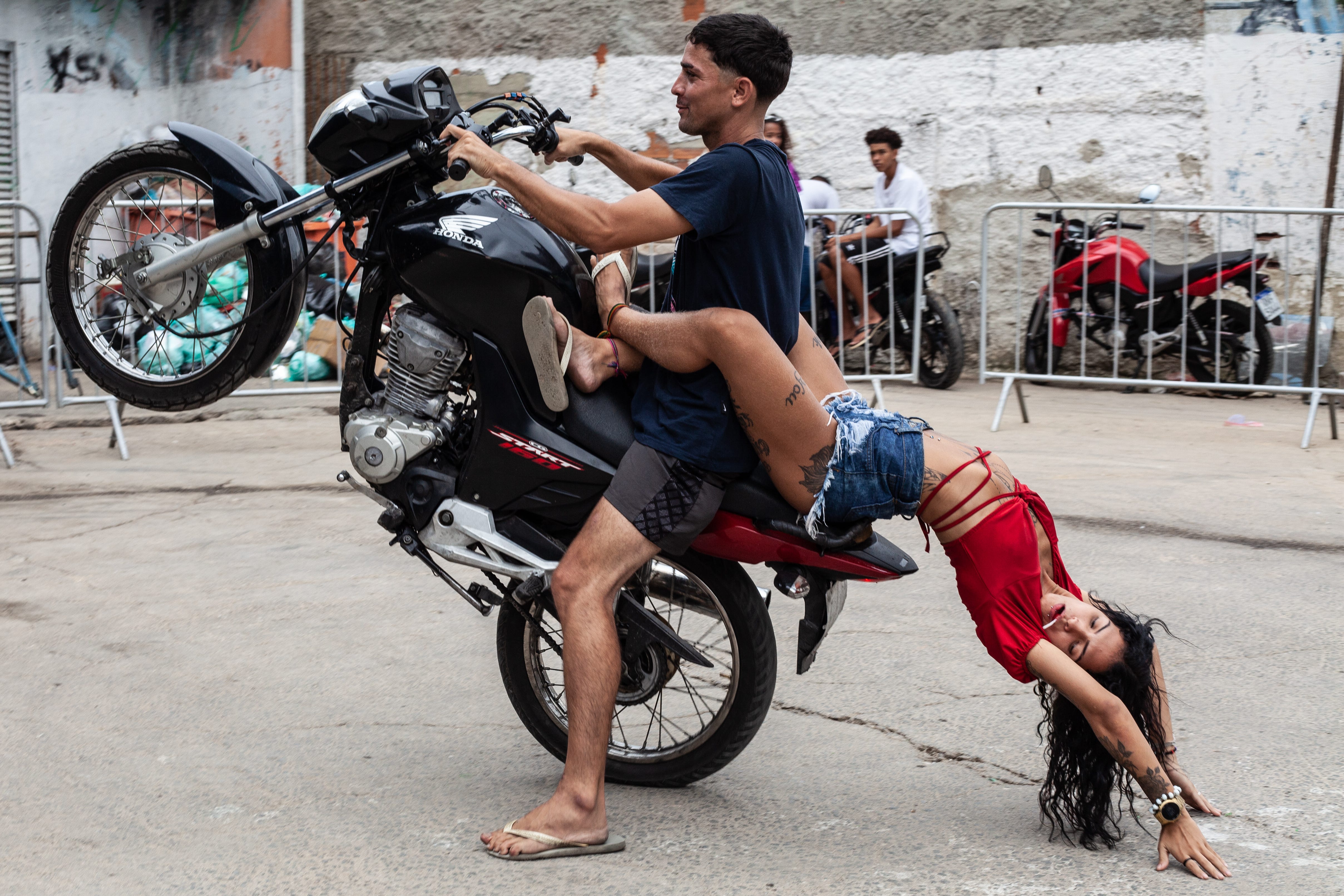
One of those stories is the one of Melissa de Oliveira. She is a photographer born in Morro do Dendê in Rio de Janeiro. I think she is one of the greatest forces of our generation. Her practice is related to masculinity as a form of affection instead of the superficial and stereotypical reading of masculinity. Her work is deeply rooted in the community that she was raised on. For us, as a gallery, it is important to put ourselves on service to sharing these stories because they deserve to be told.
“… (At Nonada) we look at those narratives that are not being shared by the mainstream media or market, but that do exist"
Q: How does Nonada choose the artists that they want to represent?
Carolina Carreteiro: It always happens case by case. It's always very fluid, and it's based on the synchronicity of our relationships and similarities of vision.
Q: What do you think are some of the key challenges and opportunities that Nonada encounters in its efforts to amplify these perspectives in Brazil?
Carolina Carreteiro: Being a new player is always challenging because we need to prove ourselves as a brand. We need to show stability and structure, keep up with this fast-changing market, which is very challenging for a very young gallery. However, when it comes to challenges, I’m a romantic – I think if there is the enthusiasm and desire to overcome an issue, you will always find a way.
When it comes to opportunities, they are limitless. There are still so many stories and artists that deserve to be shared and shown. So, of course, we can focus on the difficulties, but it's always better to focus on the opportunities. The Brazilian cultural production is very multifaceted and strong, there's still a lot to be done.
“The Brazilian cultural production is very multifaceted and strong, there's still a lot to be done”
Q: Looking ahead, how do you envision Nonada's program evolving in the next years? What would you change or continue doing?
Carolina Carreteiro: I think I would just continue doing what we are doing at the moment. Of course, it's good to plan the future, to think ahead and think big, always. But it's also important to go with the flow and being open to the opportunities that come up.
Q: What has been the most rewarding or fulfilling aspect of working with Nonada?
Carolina Carreteiro: Being able to see so many interesting and amazing artists developing their practice. To work with them closely and to think what we can do together to push their careers forward.
“Of course, it's good to plan the future, to think ahead and think big, always. But it's also important to go with the flow and being open to the opportunities that come up”
Q: Would you consider Nonada has certain differences across its spaces?
Carolina Carreteiro: Yes, but they are all deeply rooted in our DNA. For example, the headquarters are in Rio de Janeiro, in our Penha location. The space there is huge, it used to be a textile factory and it has different exhibition rooms like white cubes but, we also have a warehouse which we transformed into a video room. In the back, we have studios that the artists we partner with are free to use. We also put on collaborations other galleries in those spaces.
In Penha, we can produce more ambitious projects because the size of the location allows us to do so and in general, artists just fall in love with it when they go there. Also, because the neighborhood where it is located it is not a mainstream zone of art, which matches with our DNA.
Q: Brazil has a rich and vibrant contemporary art scene, yet it is sometimes overshadowed by art centers of the global North. How would you describe the current state of Brazilian art?
Carolina Carreteiro: The Brazilian art scene, in general, is changing. Perhaps this year propelled to another level because of the Venice Biennale but Brazil has always been an art powerhouse with artists such as Lisa Clarke or Lygia Pape. I really see Brazil as one of the most enriching places for producing art, it has charisma and an incredible desire to exist.
However, the recognized institutions are in the north so there is a gap to fill there. Many people are working in filling this gap, creating and running art institutions in the global South so things are going in the right way.
“I really see Brazil as one of the most enriching places for producing art, it has charisma and an incredible desire to exist”
Q: How would you like the local Brazilian arts scene to develop in the next few years?
Carolina Carreteiro: I would like to see more of everything. I think there's already a lot going on, but it's important to be exposed to art all the time. That is the only way we can learn about ourselves: Discover what we like, what we don't like, and create new dialogues between people.
“…it's important to be exposed to art all the time. That is the only way we can learn about ourselves: Discover what we like, what we don't like, and create new dialogues between people”
Q: Who do you think are some of the most exciting emerging artists in Brazil at the moment?
Carolina Carreteiro: Melissa de Oliveira. Her work is so strong, so beautiful. She's also a great painter and the way that her practice is developing is really insane.
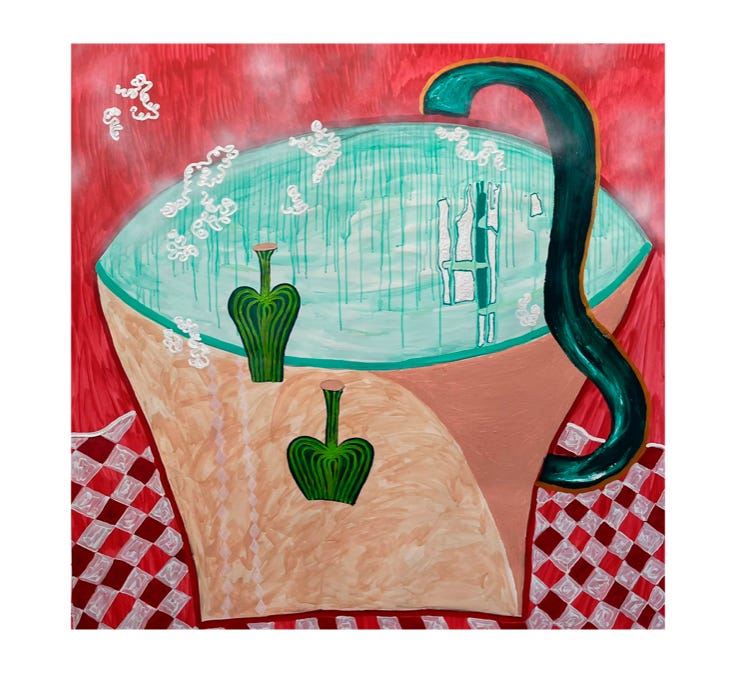
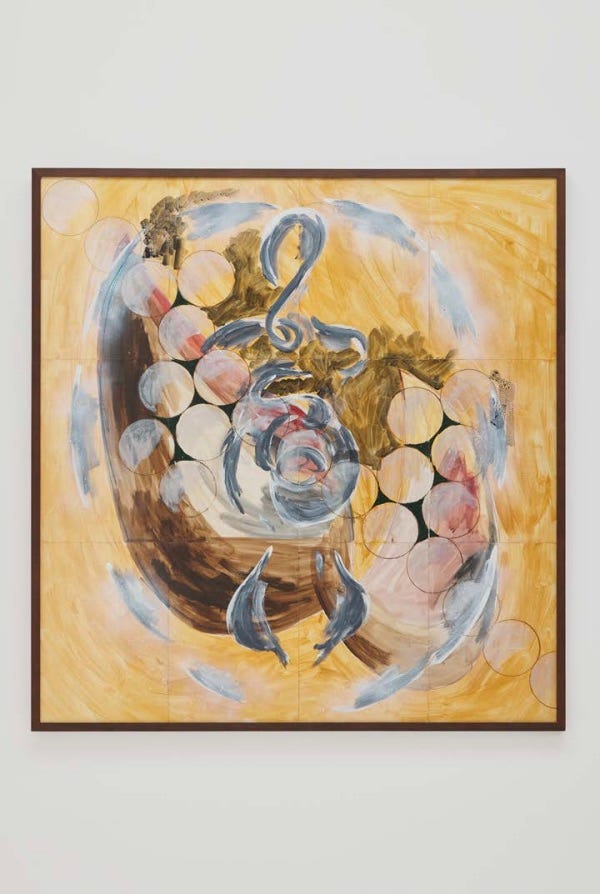
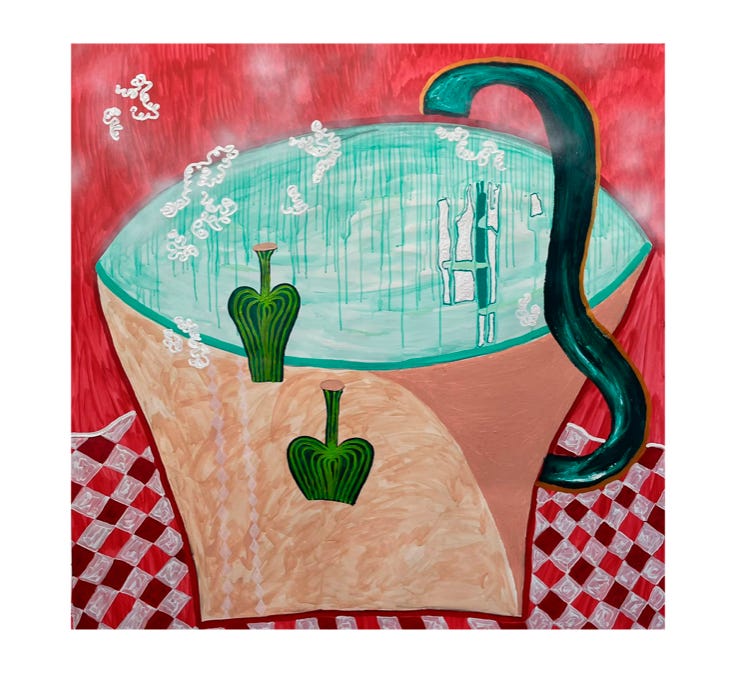
Andy Villela is also a painter that works with us, and she is a rising star. The way that she has been developing her practice in terms of color and shape is really impressive as well.
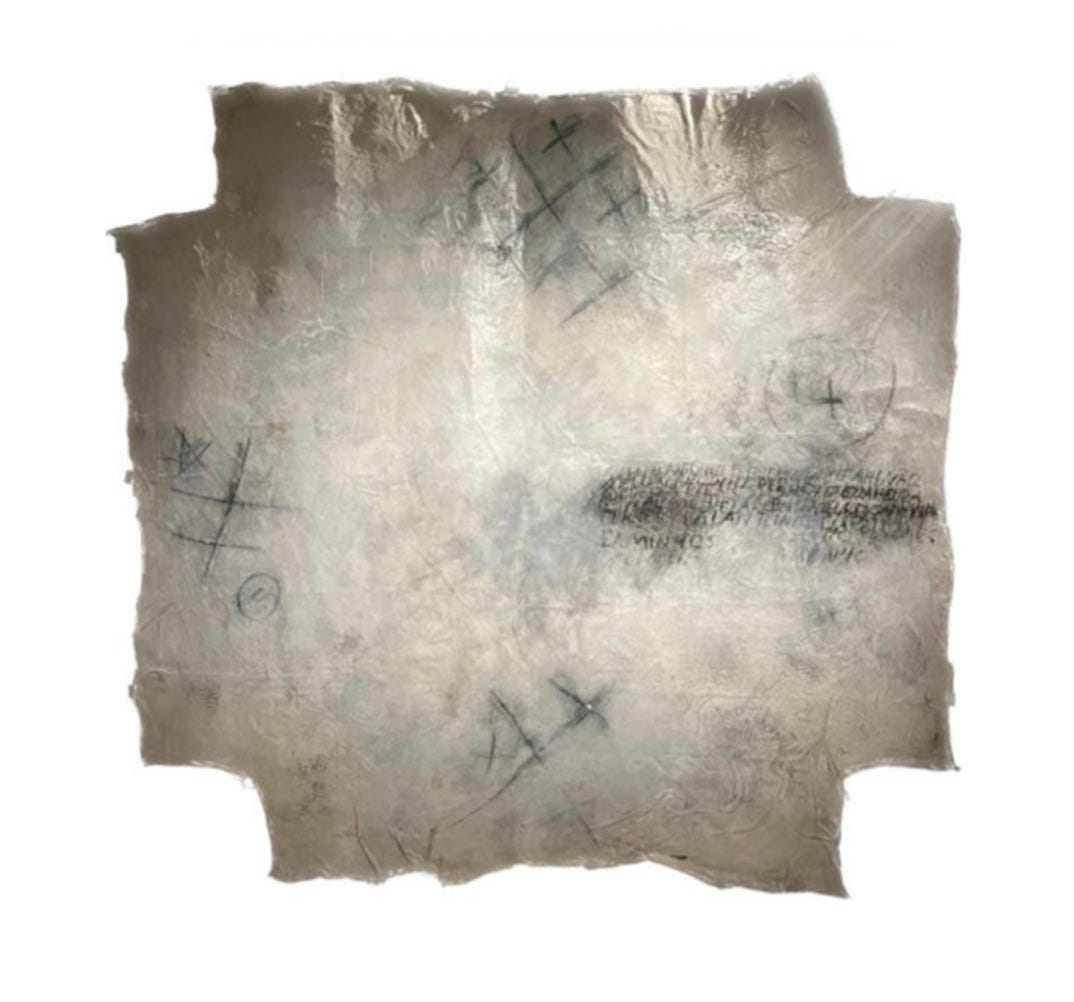
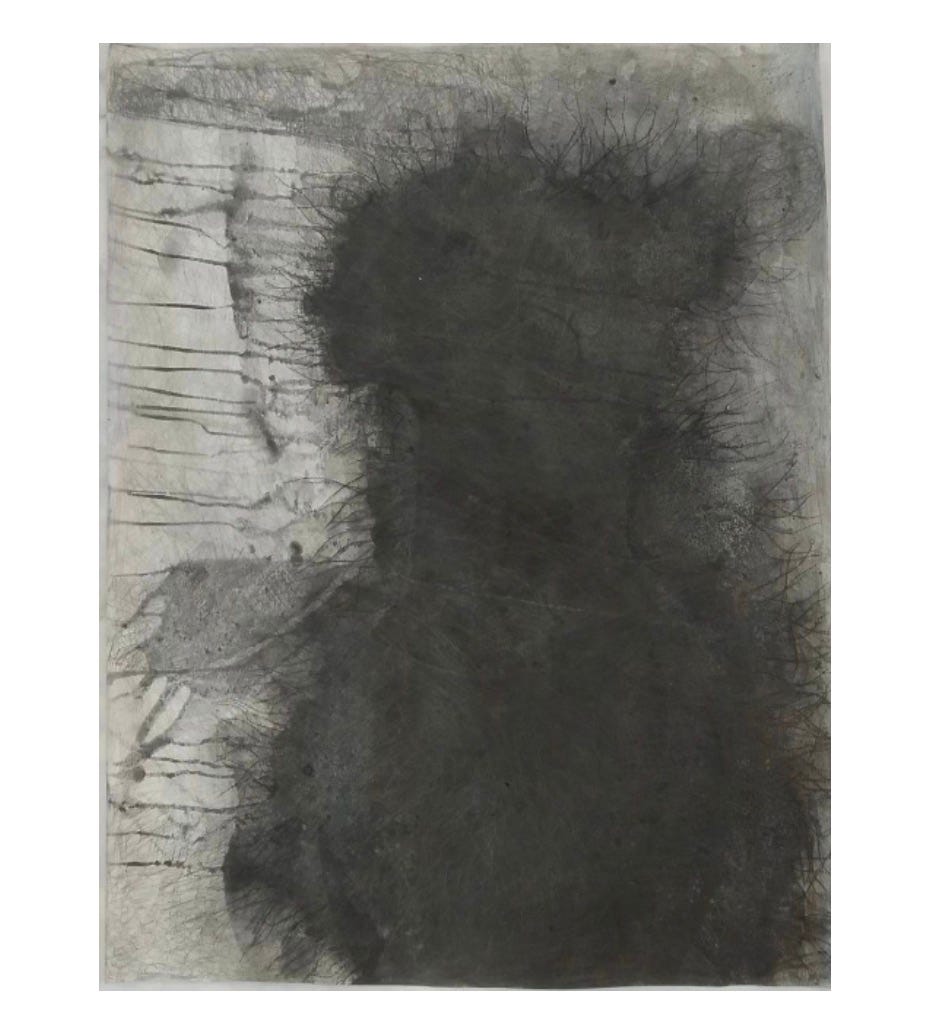
Cipriano, also one of our artists, has a spiritual takeout on art. All his works are “ofrendas”, and he uses elements of Afro-Brazilian religions, macumbas, to name them. His work is one of the strongest ones in the sector right now.
Q: What would you like to see more often in the art world?
Carolina Carreteiro: More transparency, more collaboration.
To learn more about Carolina Carreteiro and Nonada, visit:
https://www.carolinacarreteiro.com/

Carolina Carreteiro es socia de la galería Nonada en São Paulo, Brasil. Tras adquirir una amplia experiencia en el mundo del arte en España y Alemania, regresó a su país natal y se unió al equipo de una de las nuevas galerías más dinámicas del panorama artístico brasileño.
En esta entrevista, Carolina nos invita a conocer mejor su trayectoria, su rol en Nonada y la vibrante comunidad artística brasileña, que está en constante evolución.
Q: Háblanos de tu trayectoria y de lo que te llevó a convertirte en socia de Nonada
Carolina Carreteiro: Me encontré con las artes visuales en Berlín. Hice un máster de dos años en Desarrollo Cultural en Madrid, donde tuve que escribir mi tesis durante el segundo año. Decidí centrar mi investigación en instituciones culturales y feminismo, y tuve la fuerte intuición de que Berlín sería el mejor lugar para escribir la tesis.
Allí descubrí la existencia del mercado del arte, porque antes no tenía ni idea. Conocía los museos y las casas de subastas, pero no sabía que el arte podía venderse a través de galerías. Me topé con este mundo y me interesó mucho: La mezcla de arte y el mundo empresarial, y el hecho de poder trabajar directamente con artistas de una forma no tan burocrática, como en los museos, me atrajo mucho. Me pareció que las galerías eran el lugar adecuado para desarrollar mi carrera profesional.
Volví a Brasil en agosto de 2023 y, en septiembre, me encontré con Paolo Azeco, fundador de Nonada, en Art Rio. Ya lo conocía de nuestros trabajos anteriores en Fortes D'Aloia & Gabriel y empezamos a hablar de su interés en abrir otro espacio para Nonada. En ese momento, la galería sólo estaba en Río de Janeiro, y Paolo quería un espacio en São Paulo. Ese día, me invitó a ser su socia. Era un sueño para mí poder dirigir un negocio, así que estaba absolutamente emocionada y feliz, era algo que siempre había deseado. Todo se hizo oficial este enero, pero incluso antes de abrir en São Paulo, estuvimos trabajando en la apertura de otro espacio en Salvador que fue un gran éxito. Fue muy especial porque la ciudad tiene una escena muy vibrante, Salvador es la ciudad más negra fuera de África y es muy rica culturalmente, con muchas producciones artísticas en marcha.
Q: ¿Qué diferencias ves entre trabajar en Berlín y ahora en São Paulo?
Carolina Carreteiro: Antes pensaba que las cosas serían diferentes, pero desde el punto de vista operativo, son iguales. Lo que más varía es, por supuesto, la cultura.
En Brasil, la gente es muy cálida, muy apasionada y abierta a hacer las cosas, aunque no tengan un plan. En Alemania, encontré las cosas más estructuradas, lo que también está muy bien y puede tener grandes ventajas. Pero en Brasil tenemos una palabra interesante: Mambembe, que significa "hacer algo de forma improvisada". Aquí estamos muy acostumbrados a hacer las cosas así, no sabemos exactamente cómo las vamos a realizar, simplemente vamos a por ello. Cuando volví a Brasil, me di cuenta de que echaba de menos hacer las cosas de esta manera, porque así me permito tener espacio para el misterio y la creatividad.
“… en Brasil tenemos una palabra interesante: Mambembe, que significa "hacer algo de forma improvisada". Aquí estamos muy acostumbrados a hacer las cosas así, no sabemos exactamente cómo las vamos a realizar, simplemente vamos a por ello”
Q: Nonada se centra en mostrar diversas perspectivas y amplificar las voces de artistas que están fuera del circuito de galerías. ¿Qué inspiró esta iniciativa? ¿ Puedes explicarnos cómo se refleja esta misión en el programa y en los artistas con los que trabaja la galería?
Carolina Carreteiro: Nonada es la primera palabra de un libro de literatura clásica brasileña llamado "Grande Sertão: Veredas" de Guimarães Rosa. Este libro era muy vanguardista para su época, el autor habla de una historia muy bella, trazando un paralelismo de algo que sólo se hace real cuando se muestra lo que se ignora. Esto se refleja en la misión de la galería, porque nos fijamos en esas narrativas que no son compartidas por los principales medios de comunicación o el mercado, pero que existen. Hay tantas historias que contar que nos puede llevar toda una vida compartirlas.
Una de esas historias es la de Melissa de Oliveira. Ella es una fotógrafa nacida en Morro do Dendê, en Río de Janeiro. Creo que es una de las más grandes fuerzas de nuestra generación. Su práctica está relacionada con la masculinidad como forma de afecto, en lugar de la interpretación superficial y estereotipada de la masculinidad. Su trabajo está profundamente ligado a la comunidad en la que creció. Para nosotros, como galería, es importante ponernos al servicio de compartir estas historias porque merecen ser contadas.
“… (En Nonada) nos fijamos en esas narrativas que no son compartidas por los principales medios de comunicación o el mercado, pero que existen”
Q: ¿Cómo elige Nonada a los artistas que quiere representar?
Carolina Carreteiro: Siempre se hace caso por caso. Siempre es muy fluido y se basa en la sincronía de nuestras relaciones y las visiones similares.
Q: ¿Cuáles crees que son algunos de los principales retos y oportunidades a los que se enfrenta Nonada en sus esfuerzos por ampliar estas perspectivas en Brasil?
Carolina Carreteiro: Ser un nuevo agente siempre supone un reto, porque tenemos que demostrar nuestra legitimidad como marca. Tenemos que mostrar estabilidad y estructura, seguir el ritmo de este mercado tan cambiante, lo cual es todo un reto para una galería tan joven. Sin embargo, cuando se trata de retos, soy muy romántica - Creo que si hay entusiasmo y ganas de superar un problema, siempre se encuentra la solución.
En cuanto a las oportunidades, son ilimitadas. Todavía hay tantas historias y artistas que merecen ser compartidos y mostrados. Así que, por supuesto, podemos centrarnos en las dificultades, pero siempre es mejor centrarse en las oportunidades. La producción cultural brasileña es muy polifacética y fuerte, aún queda mucho por hacer.
“La producción cultural brasileña es muy polifacética y fuerte, aún queda mucho por hacer”
Q: Mirando hacia el futuro, ¿cómo crees que evolucionará el programa de Nonada en los próximos años? ¿Qué cambiarías o qué seguirías haciendo?
Carolina Carreteiro: Creo que seguiría haciendo lo que estamos haciendo ahora. Por supuesto, es bueno planificar el futuro, prever y pensar en grande, siempre. Pero también es importante dejarse llevar y estar abierta a las oportunidades que surjan.
Q: ¿Cuál ha sido el aspecto más gratificante o satisfactorio de trabajar en Nonada?
Carolina Carreteiro: Poder ver a tantos artistas interesantes y asombrosos desarrollar su práctica. Trabajar estrechamente con ellos y pensar qué podemos hacer juntos para impulsar sus carreras.
“Por supuesto, es bueno planificar el futuro, prever y pensar en grande, siempre. Pero también es importante dejarse llevar y estar abierta a las oportunidades que surjan”
Q: ¿ Consideras que Nonada tiene ciertas diferencias entre sus diferentes espacios?
Carolina Carreteiro: Sí, pero todos están profundamente ligados a nuestro ADN. Por ejemplo, la sede principal está en Rio de Janeiro, en nuestro local de Penha. El espacio allí es enorme, solía ser una fábrica textil y tiene diferentes salas de exhibiciones en forma de “white cubes", pero también tenemos un almacén que transformamos en una sala de vídeo. En la parte posterior, tenemos estudios para uso libre de los artistas con los que colaboramos. También organizamos colaboraciones con otras galerías en esos espacios.
En Penha podemos producir proyectos más ambiciosos porque el tamaño del local nos lo permite y, en general, los artistas se enamoran de ese lugar cuando van allí. Además, el barrio en el que se encuentra no es una zona de arte habitual, lo que encaja con nuestro ADN.
Q: Brasil tiene un panorama artístico contemporáneo abundante y vibrante, pero a veces se ve eclipsado por los grandes núcleos artísticos del hemisferio norte. ¿Cómo describirías el estado actual del arte brasileño?
Carolina Carreteiro: La escena artística brasileña, en general, está cambiando. Puede que este año haya alcanzado otro nivel debido a la Bienal de Venecia, pero Brasil siempre ha sido una potencia artística, con artistas como Lisa Clarke o Lygia Pape. Realmente veo a Brasil como uno de los lugares más enriquecedores para producir arte, tiene carisma y unas ganas increíbles de existir.
Sin embargo, las instituciones reconocidas están en el norte, por lo que hay un vacío que llenar allí. Mucha gente está trabajando para llenarlo, creando y dirigiendo instituciones artísticas en el hemisferio sur, así que las cosas van por buen camino.
“Realmente veo a Brasil como uno de los lugares más enriquecedores para producir arte, tiene carisma y unas ganas increíbles de existir”
Q: ¿Cómo te gustaría que se desarrollara la escena artística brasileña en los próximos años?
Carolina Carreteiro: Me gustaría ver más de todo. Creo que ya hay mucho, pero siempre es importante estar expuesto al arte todo el tiempo. Sólo así podemos aprender sobre nosotros mismos: Descubrir lo que nos gusta, lo que no nos gusta, y crear nuevos diálogos entre las personas.
“… es importante estar expuesto al arte todo el tiempo. Sólo así podemos aprender sobre nosotros mismos: Descubrir lo que nos gusta, lo que no nos gusta, y crear nuevos diálogos entre las personas”
Q: ¿Quiénes crees que son algunos de los artistas emergentes más interesantes en Brasil en este momento?
Carolina Carreteiro: Melissa de Oliveira. Su trabajo es tan fuerte, tan bello. También es una gran pintora y la forma en que está desarrollando su práctica es realmente increíble.
Andy Villela también es una pintora que trabaja con nosotros y es una estrella en alza.
Cipriano, otro de nuestros artistas, tiene una visión espiritual sobre el arte. Todas sus obras son ofrendas, y utiliza elementos de las religiones afrobrasileñas, macumbas, para nombrarlas. Su obra es una de las más fuertes del sector ahora mismo.
Q: ¿Qué te gustaría ver más a menudo en el mundo del arte?
Carolina Carreteiro: Más transparencia, más colaboración.
Para saber más sobre Carolina Carreteiro y Nonada, visita:
https://www.carolinacarreteiro.com/