


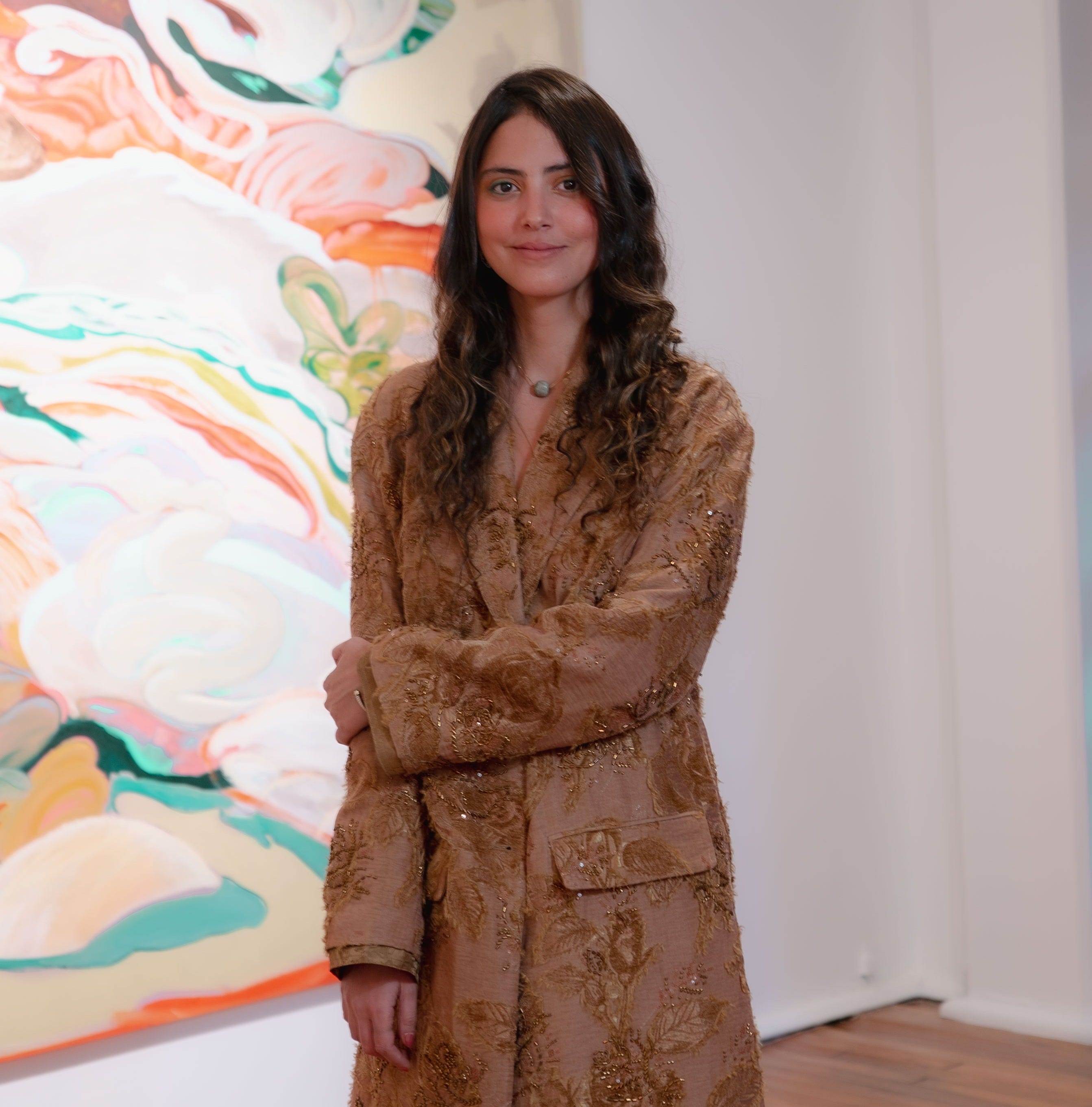
Ambar Quijano is emerging as one of the most compelling cultural voices shaping the contemporary art ecosystem in Mexico.
After working in Venice, London, and Vienna, she returned to Mexico to found AMBAR QUIJANO, a gallery conceived not only as a commercial space but as a cultural project committed to young and critical artistic practices.
As Mexico’s scene enters a moment of transformation, her work offers a clear-eyed perspective on community, care, and the role of galleries today. We spoke with her to learn more about her path, her vision for AMBAR QUIJANO, and how she imagines the future of the art ecosystem she is helping to build.
Q: How was your interest in working in the art world born? Was it something that was always present, or was there a moment when you knew this was your path?
Ambar Quijano: My relationship with art began very early thanks to my grandmother, whom I refer to as my spiritual partner. Largely because of her, I grew up surrounded by images, stories, and conversations that revolved around artistic creation, fantasy, and radical imagination. My grandmother had a small gallery in the south of Mexico City, and that space was my first encounter with a world where ideas, beauty, and contradictions could coexist without hierarchies.
I was born to a Cuban mother and a Mexican father. My mother arrived in Mexico when she was very young, and together we spent long hours with my grandmother, surrounded by works, conversations, and silences filled with meaning. In that environment I learned that art could be a way of thinking, of caring, and of relating to others.
There was a very precise moment when I decided this would be my path: at 16 I studied Art History in Pennsylvania and had the opportunity to travel to Europe for the first time and visit museums I had only known from books. It was a profoundly revealing experience. I became aware that my relationship with art was not only emotional or familial, but also intellectual and deeply personal.
I understood that I wanted to dedicate my life not only to studying it, but to working for it and within it, accompanying the people who are creating the cultural histories of the present and the future. Since then, I have understood art as a territory where memory and imagination touch, where the intimate and the collective speak to each other. More than a career, it has been a way of life.
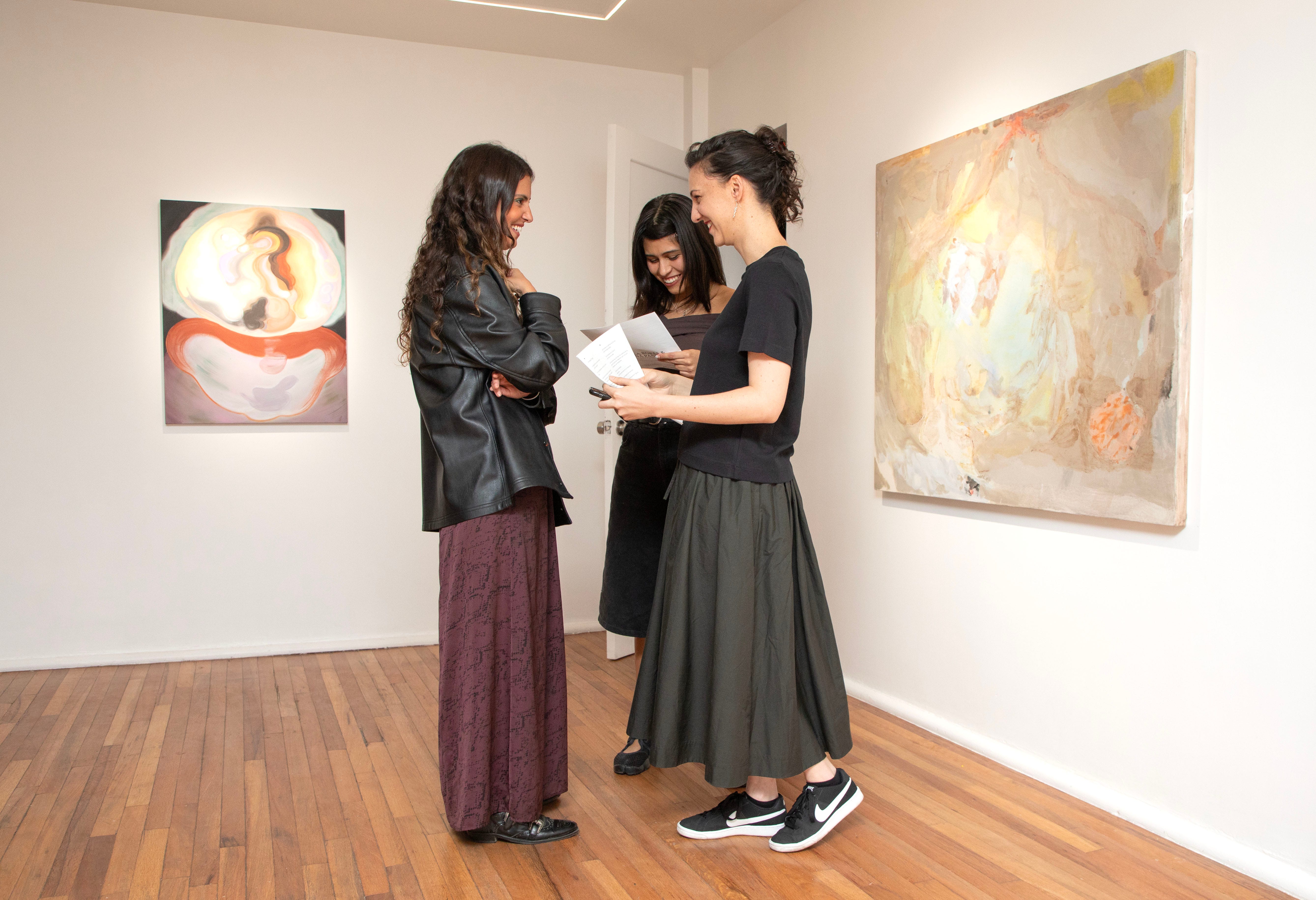
Q: What led you to found the gallery AMBAR QUIJANO? Do you remember an intuition or moment that pushed you to do it?
Ambar Quijano: The project began to take shape after my time at institutions such as the Peggy Guggenheim Collection in Venice, Christie’s in London, and Phileas in Vienna. Each of those experiences taught me how the art world operates—its systems of legitimization, the market, preservation—but also revealed something essential: I needed to recover direct contact with artists and with the most alive and human dimension of art.
One of the main reasons that pushed me to start AMBAR QUIJANO was precisely the artists: their stimulating ideas, their sensitivities, and their ability to challenge dominant logics. Living in dialogue with them became my goal and, in many ways, my vital commitment.
During the pandemic I returned to Mexico after a decade abroad and began working independently offering art advisory services. I sold my first pieces—some entered a collection in Asia—and helped several people acquire their first artwork. One early sale allowed a curator to discover an artist and later give them their first institutional exhibition in the United States. Over time, sales continued, but I realized that my most genuine impulse remained to focus on curatorial work and on that living exchange with artists. Because of that need for reconnection, I decided to open the online exhibition program in 2022 and later the physical space in 2024.
“One of the main reasons that pushed me to start AMBAR QUIJANO was precisely the artists … living in dialogue with them became my goal and, in many ways, my vital commitment.”
Q: You’ve mentioned that you see the gallery not only as a commercial space but as a cultural project. What does it mean to think of the gallery beyond the market?
Ambar Quijano: AMBAR QUIJANO was born as a cultural project that contains a gallery within it. It is a living platform that articulates different areas: exhibition space, accompaniment programs, advisory services for collectors, and a dialogue and exhibition program.
The project grew from a clear intuition: to support critical and young artistic creation internationally. We see ourselves as cultural agents that generate impact not only through artistic production but also through conversations, encounters, and connections. We believe that art can be a tool of resistance, repair, and collective imagination. That’s why we function as a catalyst for new horizons: we promote critical young creation and the democratization of culture by bringing contemporary thought closer to the public.
Opening this space has meant building bridges between artists, collectors, and diverse communities. AMBAR QUIJANO is, at its core, a commitment to art as a form of thought, a gesture of care, and a shared practice.
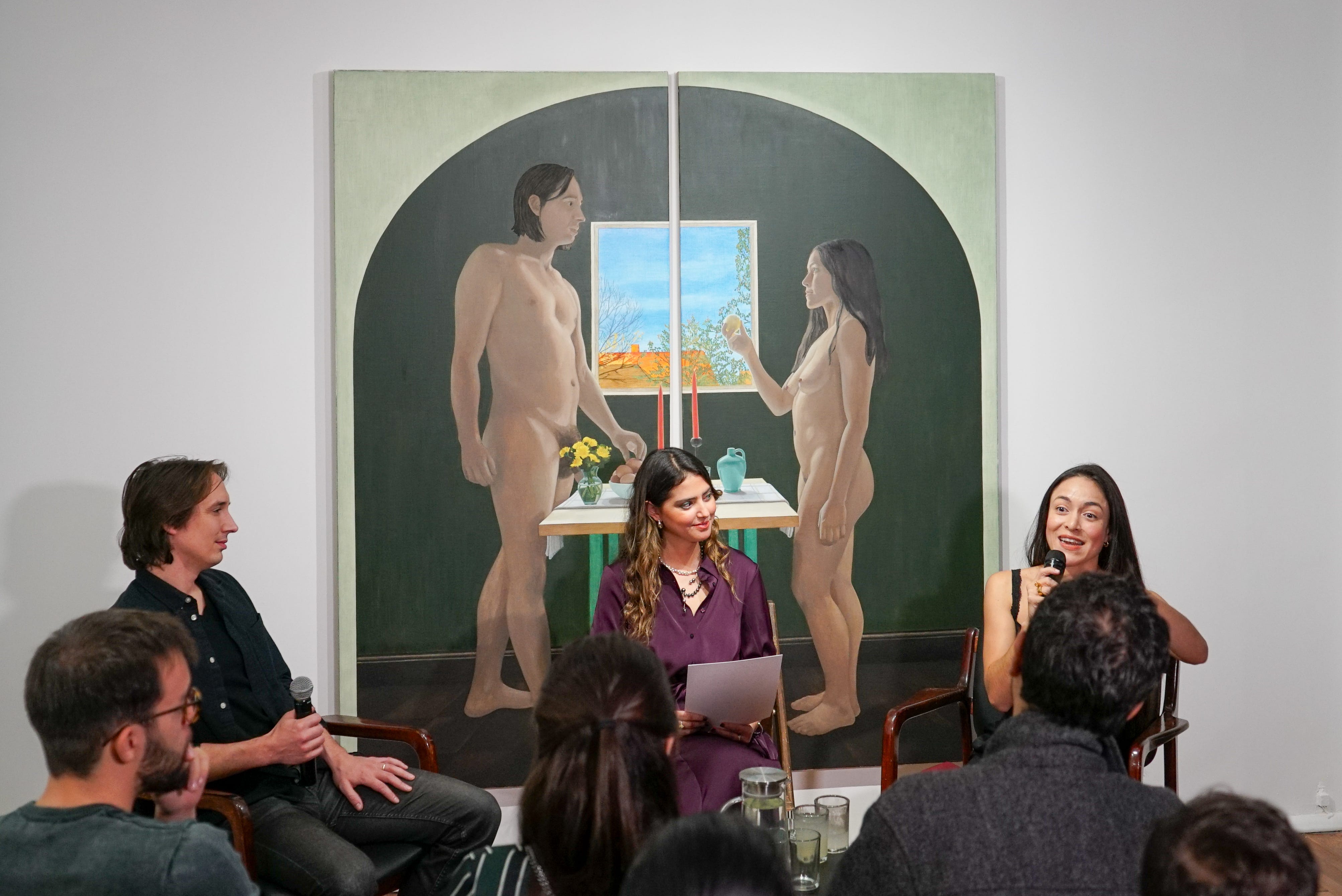
Q: In that sense, what role does community play in your project?
Ambar Quijano: Community is the heart, the nucleus, and the vital component of every sustainable artistic project. AMBAR QUIJANO exists as an ecosystem where artists, collectors, curators, thinkers, and the public actively participate in building meaning and possibility. An artwork needs gazes, conversations, or resonance to become an experience; the community is what turns art into a living act.
I am convinced that the success of a gallery depends on its ability to activate a diverse, curious, and committed community. Our community not only sustains the project; it drives it, challenges it, and amplifies it. A solid network is built on authentic, non-transactional connections. Trust arises by showing genuine interest in each person’s story. Each collaboration is born from real affinity and shared purpose.
Time is the most valuable resource for building community: visiting a gallery, talking to an artist, dedicating a few minutes to a work. These gestures activate something deeply human. They are acts of presence that keep the artistic ecosystem alive.
“Our community not only sustains the project; it drives it, challenges it, and amplifies it.”
Q: Was there an experience that shaped your understanding of what a gallery can be?
Ambar Quijano: More than a single experience, it has been looking at the legacy of past gallerists, having been inside the system, and allowing myself to question everything. A gallery is not a static definition: it transforms continuously according to the needs of the present.
My time in different spaces showed me rules, protocols, and unspoken etiquettes that often limit more than they allow. Taking distance to start my own project was a turning point: I understood that I could build a gallery without the “should be,” but with rigor, curiosity, and openness. I deeply believe in not being afraid to step out of line. At AMBAR QUIJANO I find freedom in imagining new ways of accompanying and supporting artists. I am also interested in learning from other industries, such as music, where relationships can be more structured and strategic.
A gallery can be a cultural project in constant expansion: a living space that redefines itself, questions its own structures, and proposes new ways of imagining how careers and communities are built.
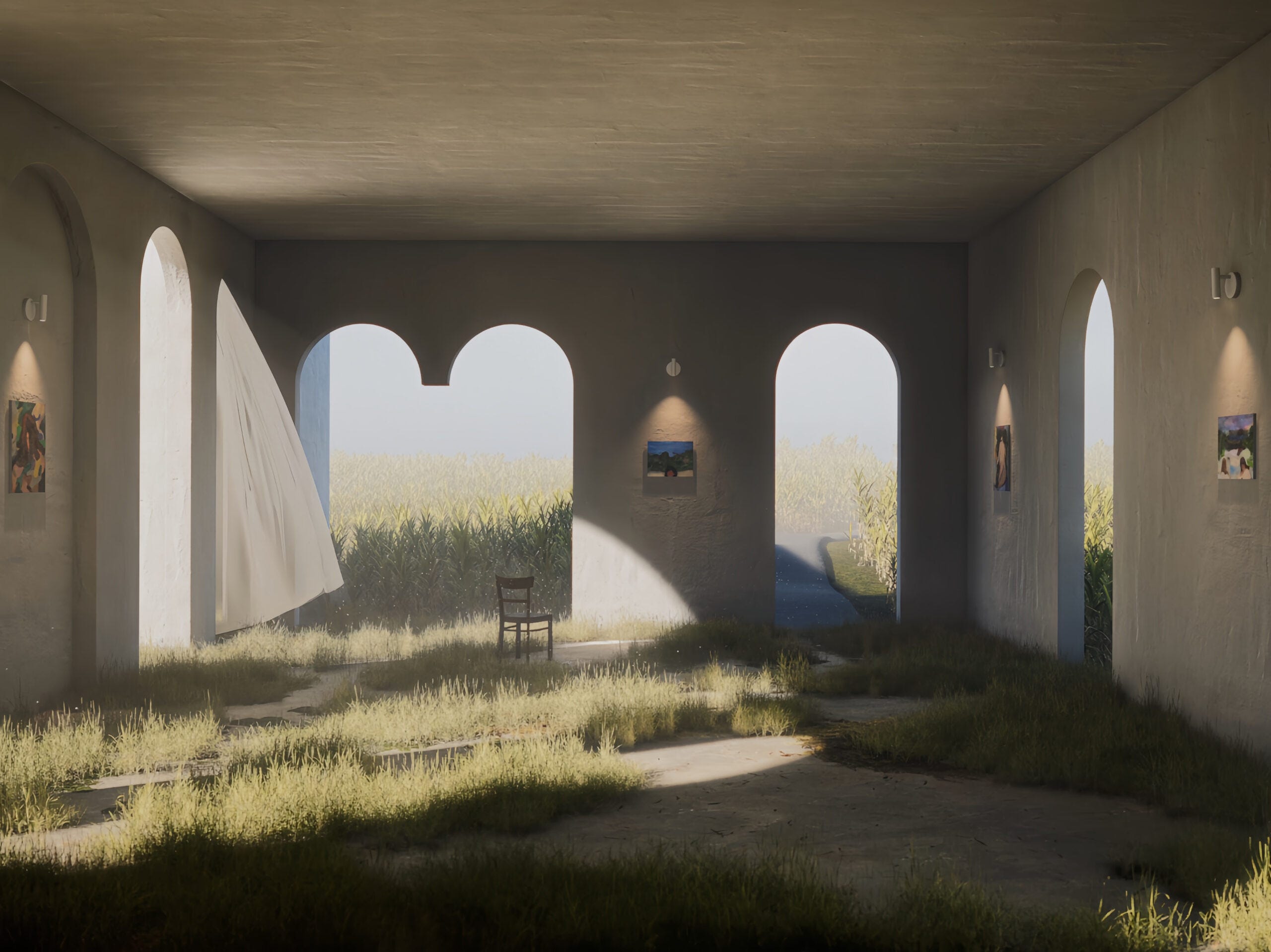
Q: How would you define the current panorama of contemporary art in Mexico? What would you like to see evolve?
Ambar Quijano: Today the scene is going through a moment of enormous effervescence: a vibrant ecosystem that grows while facing structural tensions, inequalities, and transformations. Monterrey and Guadalajara are consolidating themselves as decisive hubs, redistributing energy away from the capital.
Mexico City is experiencing urgent debates around gentrification, displacement, and accessibility as international agents arrive. Urban tensions and inequalities between local and foreign artists are becoming evident. Cultural institutions face profound limitations: lack of acquisition funds and a cultural policy that does not recognize contemporary art as a critical space. This creates a void that the market and private collections fill.
Even so, a young collector base has emerged, sensitive to context and willing to accompany processes. This group transforms the ecosystem. Mexico reaffirms itself as a Latin American hub, but we need to strengthen institutions, broaden public participation, confront gentrification, and create a more just, situated ecosystem that is aware of its potential.
“Mexico reaffirms itself as a Latin American hub, but we need to strengthen institutions, broaden public participation, confront gentrification, and create a more just, situated ecosystem that is aware of its potential.”
Q: How do you see collecting in Latin America today? Is the collector’s profile changing?
Ambar Quijano: Collecting has been key to sustaining artistic production in a context of fragile institutions. Latin America is diverse and cannot be generalized, but in the past ten years a different profile has emerged: less hierarchical, more attentive to context and processes.
Many collectors no longer only buy works: they accompany trajectories, ask about methodologies and the relationship between practice and political reality. They want to understand how exhibitions are produced, what resources they require, how a scene is articulated. They want to invest time, not just money. And there, I believe, is one of the most important points: the value of time and curiosity. When someone decides to come closer, to ask, to come back, to observe, to follow an artist’s career… that is already a form of collecting in itself. It is a practice of attention.
I believe that we need to expand what we understand as collecting. The history has been robust but elitist. Many museums stopped acquiring works, and it was collectors who sustained the practice. Strengthening professionalism, research, and active participation is essential so that collections can find solid public outlets. Democratizing collecting means opening the door to new people, without trivializing it.
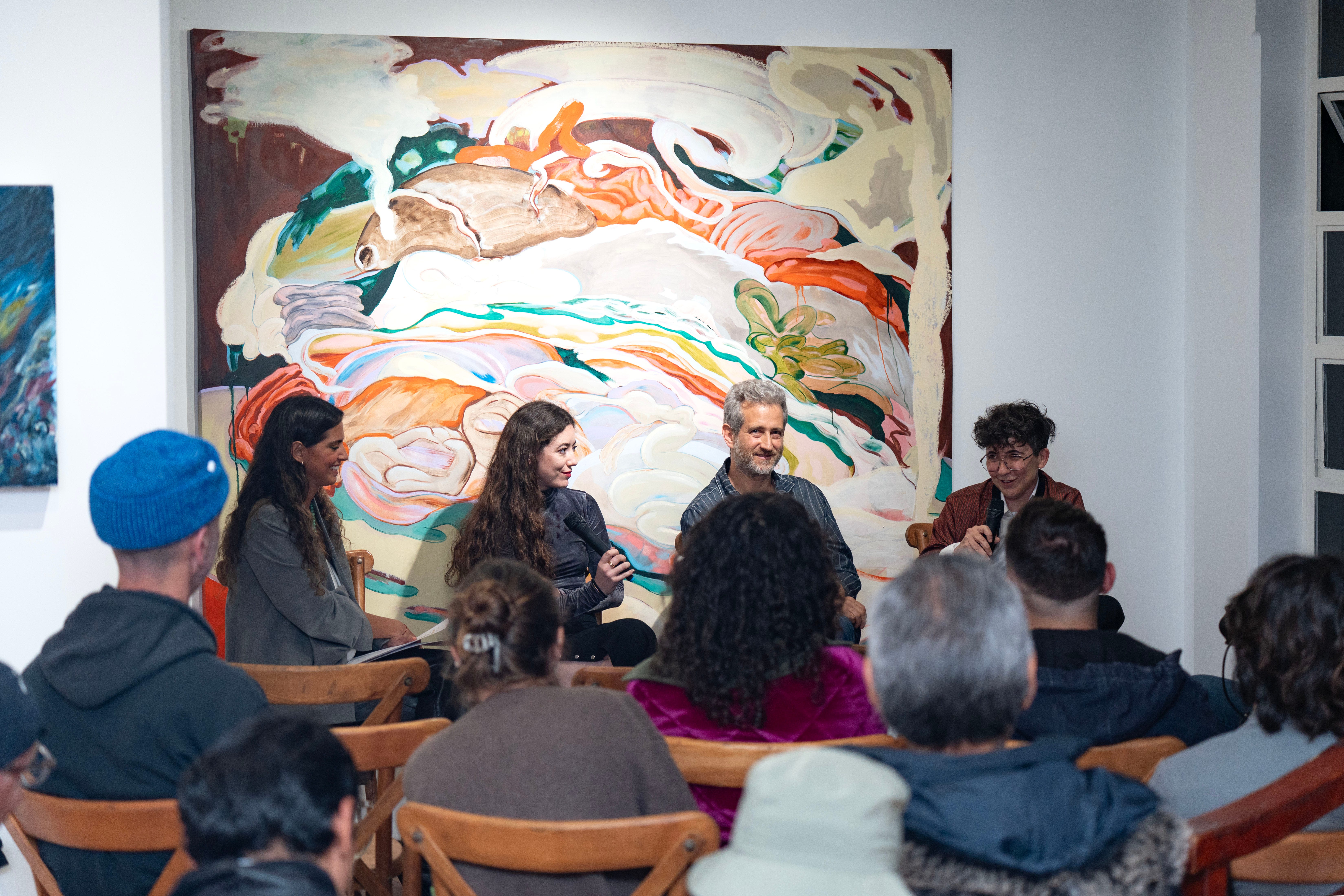
Q: As a gallerist, how do you understand your responsibility today? What does it mean to care for a scene rather than just manage it?
Ambar Quijano: The responsibility of the gallerist goes beyond coordinating: it implies sustaining a space that thinks about, cares for, and expands a scene.
Caring for a scene means accompanying processes with rigor and sensitivity, generating contexts for ideas to be amplified, building conversations and trust. At the center of everything is the understanding of the artist as a fundamental figure—working for them and with them, giving them back that central place, and deeply respecting their times, ways, and rhythms of production—because it is from there that any project that seeks to resonate authentically is sustained.
At the same time, the global context reminds us that inherited models no longer function as before. The closure or transformation of several important international galleries indicates a moment of inflection. Galleries can replicate rigid structures that no longer respond to our time, or they can become living spaces where care and curatorial thinking are placed at the center.
Something that defines me is my willingness to expand continuously: to learn, to listen, to refine my tools, and to build high-quality projects. From there, I like to keep challenging what we can create. Caring for a scene also implies looking at oneself as a cultural agent: staying curious, permeable, and willing to rethink things from diverse perspectives. That calling for expansion is the central sphere of my practice.
To learn more about Ambar Quijano, visit:
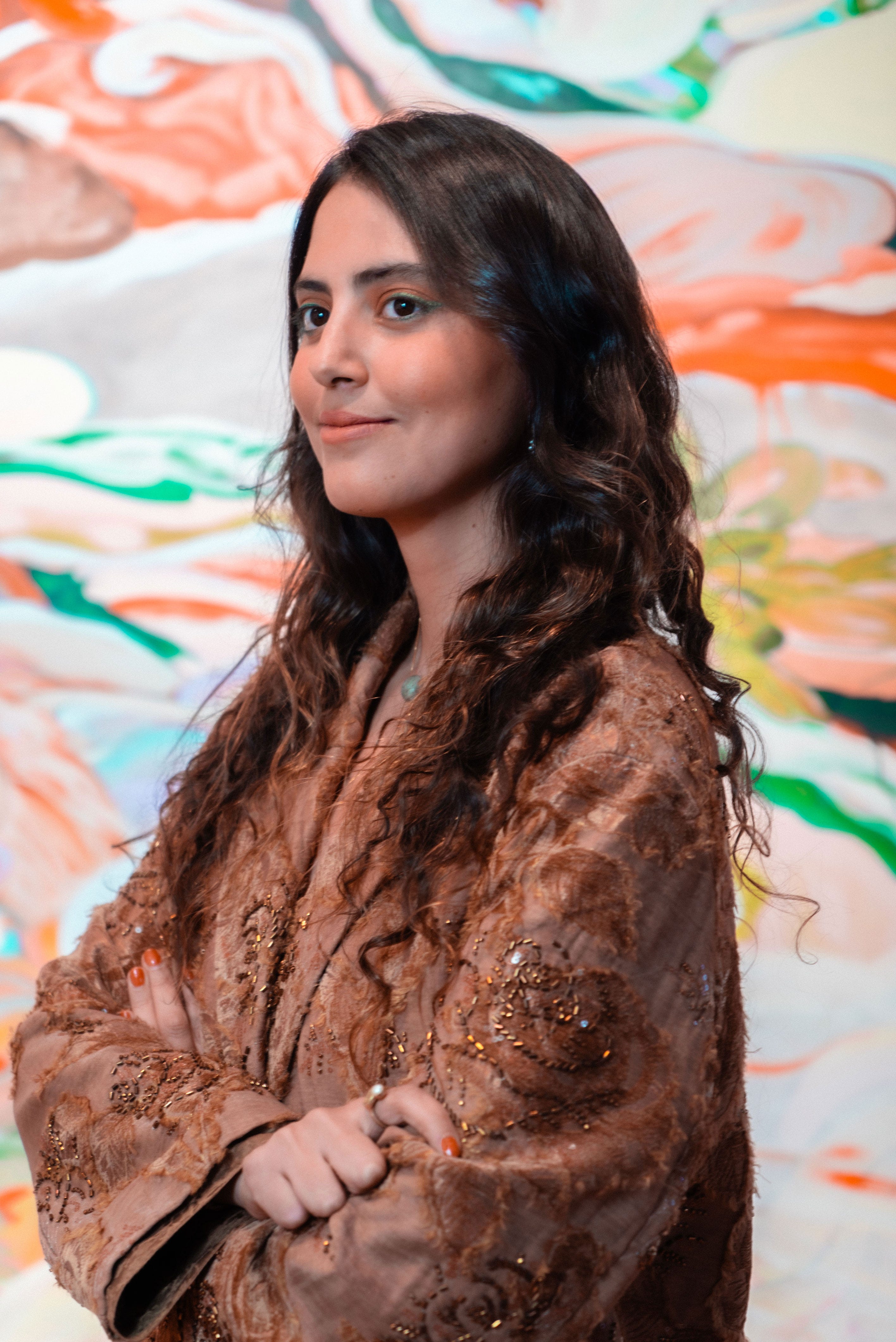
Ambar Quijano está emergiendo como una de las voces culturales más sólidas y relevantes dentro del ecosistema del arte contemporáneo en México.
Después de trabajar en Venecia, Londres y Viena, regresó a México y fundó AMBAR QUIJANO, una galería concebida no solo como un espacio comercial, sino como un proyecto cultural comprometido con prácticas artísticas jóvenes y críticas.
En un momento de transformación para la escena mexicana, su trabajo ofrece una mirada lúcida sobre la comunidad, el cuidado y el papel de las galerías hoy. Conversamos con ella para conocer más sobre su trayectoria, su visión para AMBAR QUIJANO y cómo imagina el futuro del ecosistema artístico que está ayudando a construir.
P: ¿Cómo nació tu interés por trabajar en el mundo del arte? ¿Fue algo que siempre estuvo presente o hubo un momento en el que supiste que este era tu camino?
Ambar Quijano: Mi relación con el arte comenzó muy temprano gracias a mi abuelita, a quien me refiero como mi socia espiritual. En gran parte por ella crecí entre imágenes, relatos y conversaciones que giraban en torno a la creación artística, la fantasía y la imaginación radical. Mi abuela tenía una pequeña galería en el sur de la Ciudad de México, y ese espacio fue mi primer acercamiento a un mundo donde las ideas, la belleza y las contradicciones podían convivir sin jerarquías.
Nací de una madre cubana y un padre mexicano. Mi madre llegó a México siendo muy joven, y juntas pasábamos largas horas con mi abuela, rodeadas de obras, conversaciones y silencios cargados de sentido. En ese entorno aprendí que el arte podía ser una forma de pensar, de cuidar y de vincularse con los demás.
Hubo un momento muy preciso en el que decidí que este sería mi camino: a los 16 años estudié Historia del Arte en Pensilvania y tuve la oportunidad de viajar por primera vez a Europa y visitar museos que solo conocía en libros. Fue una experiencia profundamente reveladora. Tomé conciencia de que mi relación con el arte no era solo emocional o familiar, sino también intelectual y profundamente personal.
Entendí que quería dedicar mi vida no solo a estudiarlo, sino a trabajar para él y dentro de él, acompañando a las personas que están creando las historias culturales del presente y del futuro. Desde entonces he entendido el arte como un territorio donde la memoria y la imaginación se tocan, donde lo íntimo y lo colectivo dialogan. Más que una carrera, ha sido una forma de vida.
P: ¿Qué te llevó a fundar la galería AMBAR QUIJANO? ¿Recuerdas alguna intuición o momento que te impulsó a hacerlo?
Ambar Quijano: El proyecto comenzó a tomar forma tras mi paso por instituciones como la Peggy Guggenheim Collection en Venecia, Christie’s en Londres y Phileas en Viena. Cada una de esas experiencias me enseñó cómo opera el mundo del arte —sus sistemas de legitimación, el mercado, la preservación—, pero también me reveló algo esencial: necesitaba recuperar el contacto directo con lxs artistas y con la dimensión más viva y humana del arte.
Uno de los motivos principales que me impulsaron a fundar AMBAR QUIJANO fueron precisamente lxs artistas: sus ideas estimulantes, sus sensibilidades y su capacidad para desafiar las lógicas dominantes. Vivir en diálogo con ellxs se volvió mi meta y, en muchos sentidos, mi compromiso vital.
Durante la pandemia regresé a México tras una década fuera y comencé a trabajar de manera independiente ofreciendo asesoría en arte. Vendí mis primeras piezas —algunas ingresaron a una colección en Asia— y ayudé a varias personas a adquirir su primera obra. Una venta temprana permitió que una curadora descubriera a un artista y le otorgara su primera exposición institucional en Estados Unidos.
Con el tiempo, las ventas continuaron pero me di cuenta de que mi impulso más genuino seguía siendo centrarme en la curaduría y en ese intercambio vivo con lxs artistas. A raíz de esa necesidad de reconexión decidí abrir el programa de exhibiciones en línea en 2022 y, posteriormente, el espacio físico en 2024.
“Uno de los motivos principales que me impulsaron a fundar AMBAR QUIJANO fueron precisamente lxs artistas … vivir en diálogo con ellxs se volvió mi meta y, en muchos sentidos, mi compromiso vital.”
P: Has mencionado que ves a la galería no solo como un espacio comercial, sino como un proyecto cultural. ¿Qué significa para ti pensar la galería más allá del mercado?
Ambar Quijano: AMBAR QUIJANO nació como un proyecto cultural que contiene una galería dentro de sí. Es una plataforma viva que articula distintos ámbitos: espacio expositivo, programas de acompañamiento, asesoría para coleccionistas y un programa de diálogo y exhibición.
El proyecto creció desde una intuición clara: apoyar la creación artística crítica y joven a nivel internacional. Nos concebimos como agentes culturales que generan impacto no solo mediante la producción artística, sino mediante conversaciones, encuentros y vínculos.
Creemos que el arte puede ser una herramienta de resistencia, de reparación y de imaginación colectiva. Por eso funcionamos como un catalizador de nuevos panoramas: impulsamos la creación crítica joven y promovemos la democratización de la cultura acercando al público al pensamiento contemporáneo.
Abrir este espacio ha sido tender puentes entre artistas, coleccionistas y comunidades diversas. AMBAR QUIJANO es una apuesta por el arte como forma de pensamiento, gesto de cuidado y práctica compartida.
P: En ese sentido, ¿qué papel juega la comunidad dentro de tu proyecto?
Ambar Quijano: La comunidad es el corazón, el núcleo y el componente vital de todo proyecto artístico sostenible. AMBAR QUIJANO existe como un ecosistema donde artistas, coleccionistas, curadorxs, pensadorxs y público participan activamente en la construcción de significado y posibilidad. Una obra necesita miradas, conversaciones o resonancia para convertirse en experiencia, la comunidad es quien convierte al arte en un acto vivo.
Estoy convencida de que el éxito de una galería depende de su capacidad para activar una comunidad diversa, curiosa y comprometida. Nuestra comunidad no solo sostiene el proyecto; lo impulsa, lo reta y lo amplifica. Una red sólida se construye con conexiones auténticas, no transaccionales. La confianza surge mostrando interés genuino en la historia de cada persona. Cada colaboración nace de afinidad real y de un interés compartido.
El tiempo es el recurso más valioso para construir comunidad: visitar una galería, conversar con un artista, dedicar unos minutos a una obra. Estos gestos activan algo profundamente humano. Son actos de presencia que mantienen vivo el ecosistema artístico.
“Nuestra comunidad no solo sostiene el proyecto; lo impulsa, lo reta y lo amplifica.”
P: ¿Hubo alguna experiencia que haya marcado tu forma de entender lo que puede ser una galería?
Ambar Quijano: Más que una sola experiencia puntual, ha sido mirar el legado de lxs galeristas anteriores, haber estado dentro del sistema y permitirme cuestionarlo todo. Una galería no es una definición estática: se transforma continuamente según las necesidades del presente.
Mi paso por distintos espacios me mostró reglas, protocolos y etiquetas que limitan más de lo que permiten. Tomar distancia para iniciar mi propio proyecto fue un punto de quiebre: entendí que podía construir una galería sin el “deber ser”, pero con rigor, curiosidad y apertura.
Creo profundamente en no tener miedo a salirme del renglón. En AMBAR QUIJANO encuentro libertad en imaginar nuevas maneras de acompañar y sostener a lxs artistas. También me interesa aprender de otras industrias, como la música, donde las relaciones pueden ser más estructuradas y estratégicas.
Una galería puede ser un proyecto cultural en expansión constante: un espacio vivo que se redefine, cuestiona sus propias estructuras y propone formas nuevas de imaginar cómo se construyen carreras y comunidades.
P: México está en un momento clave, con una escena cada vez más activa y diversa. ¿Cómo definirías el panorama del arte contemporáneo en México hoy? ¿Qué te gustaría que cambiara o evolucionará en los próximos años?
Ambar Quijano: Hoy la escena atraviesa un momento de enorme efervescencia: un ecosistema vibrante que crece mientras enfrenta tensiones estructurales, desigualdades y transformaciones. Monterrey y Guadalajara se están consolidando como polos decisivos para artistas, espacios y públicos, lo que redistribuye energía y retira el foco tradicional de la capital.
La Ciudad de México vive debates urgentes sobre gentrificación, desplazamiento y accesibilidad ante la llegada de agentes internacionales. Se revelan tensiones urbanas y desigualdades entre artistas locales y extranjerxs. Las instituciones culturales enfrentan limitaciones profundas: falta de fondos de adquisición y una política cultural que no reconoce al arte contemporáneo como espacio crítico. Esto genera un vacío que llena el mercado y las colecciones privadas.
Aun así, ha surgido un coleccionismo joven, sensible al contexto, dispuesto a acompañar procesos. Este grupo transforma el ecosistema. México se reafirma como un hub latinoamericano, pero necesitamos fortalecer instituciones, ampliar participación pública, enfrentar la gentrificación y crear un ecosistema más justo, situado y consciente de su potencial.
“México se reafirma como un hub latinoamericano, pero necesitamos fortalecer instituciones, ampliar participación pública, enfrentar la gentrificación y crear un ecosistema más justo, situado y consciente de su potencial.”
P: ¿Cómo ves el coleccionismo en Latinoamérica hoy? ¿Está cambiando el perfil del coleccionista, sus intereses o su relación con las galerías?
Ambar Quijano: El coleccionismo ha sido clave para sostener la producción artística en un contexto de instituciones frágiles. América Latina es diversa y no puede generalizarse, pero en los últimos diez años surgió un perfil distinto: menos jerárquico, más atentx al contexto y a los procesos.
Muchxs coleccionistas ya no solo compran obras: acompañan trayectorias, preguntan por metodologías y vínculos entre práctica y realidad política. Quieren entender cómo se producen las exposiciones, qué recursos necesitan, cómo se articula una escena. Quieren invertir tiempo, no solo dinero. Y ahí está, creo, uno de los puntos más importantes: el valor del tiempo y de la curiosidad. Que alguien decida acercarse, preguntar, regresar, observar, seguir la carrera de unx artista… eso ya es una forma de coleccionismo en sí misma. Es una práctica de atención.
Yo creo que necesitamos expandir lo que entendemos por coleccionismo. La historia ha sido robusta pero elitista. Muchos museos dejaron de adquirir obra y fueron lxs coleccionistas quienes sostuvieron la práctica. Es fundamental fortalecer profesionalismo, investigación y participación activa para que las colecciones encuentren salidas públicas sólidas. Democratizar el coleccionismo significa abrir la puerta a nuevas personas, sin banalizarlo.
P: Como galerista, trabajas entre artistas, coleccionistas e instituciones. ¿Cómo entiendes hoy la responsabilidad del galerista dentro de ese ecosistema? ¿Qué implica cuidar una escena y no solo gestionarla?
Ambar Quijano: La responsabilidad del galerista va más allá de coordinar: implica sostener un espacio que piense, cuide y expanda una escena.
Cuidar una escena implica acompañar procesos con rigor y sensibilidad, generar contextos para que las ideas se amplifiquen, construir conversaciones y confianza. En el centro de todo está el entendimiento del artista como figura fundamental —trabajar para ellxs y con ellxs, devolverles ese lugar central, y respetar profundamente sus tiempos, maneras y ritmos de producción— porque es desde ahí donde se sostiene cualquier proyecto que busque resonar de forma auténtica.
Al mismo tiempo, el contexto global nos recuerda que los modelos heredados ya no funcionan como antes. El cierre o transformación de galerías internacionales indica un momento de inflexión. Las galerías pueden replicar estructuras rígidas o convertirse en espacios vivos donde el cuidado y el pensamiento curatorial están al centro.
Algo que me define es mi disposición a expandirme continuamente: aprender, escuchar, refinar herramientas y construir proyectos de alta calidad. Desde ahí, me gusta seguir retando lo que podemos crear. Cuidar una escena implica también mirarse como agente cultural: mantenerse curiosx, permeable y dispuestx a repensar desde perspectivas diversas. Esa vocación de expansión es la esfera central de mi práctica.
Para saber más sobre Ambar Quijano, visita: