


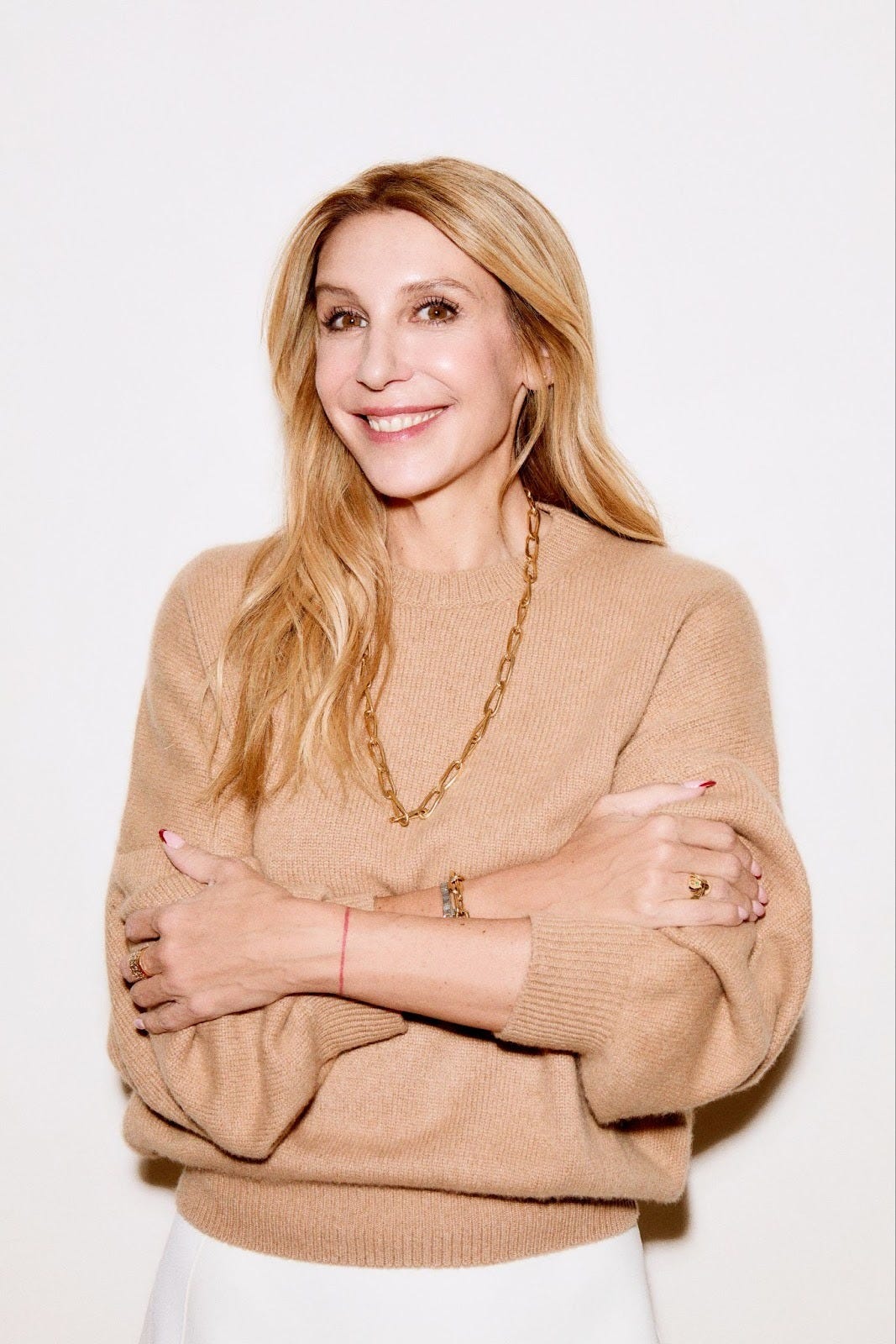
Amalia Amoedo has always sought to support and strengthen the Latin American art scene. A collector and philanthropist, she started the “Fundación Ama Amoedo” five years ago as a way to expand the support she personally provided to artists and organizations.
Since then, the Foundation has consolidated itself as a platform that boosts local scenes, promotes residencies, and weaves international networks to expand the visibility of Latin American art. In this conversation, Amalia invites us to explore the origins, lessons, and challenges of working from the South, and shares how the Foundation supports these initiatives and the impact she hopes to continue generating.
Q: Amalia, five years have already passed since you created the Fundación Ama Amoedo. When you look back, what led you to take that step, and what has changed in your understanding of that gesture over time?
The Foundation was born because, after having supported artists and projects personally for more than two decades, I felt that I needed to give it a structure that could amplify and strengthen that support.
I was already very involved with the Argentine and Latin American scene, and I felt that there were things that, with an institutional framework, could reach another scale. Creating the Foundation allowed for that: adding clear programs such as the “Residencia FAARA,” scholarships, partnerships with international residencies, and support for exhibitions. Five years later, I see that it was a key decision.
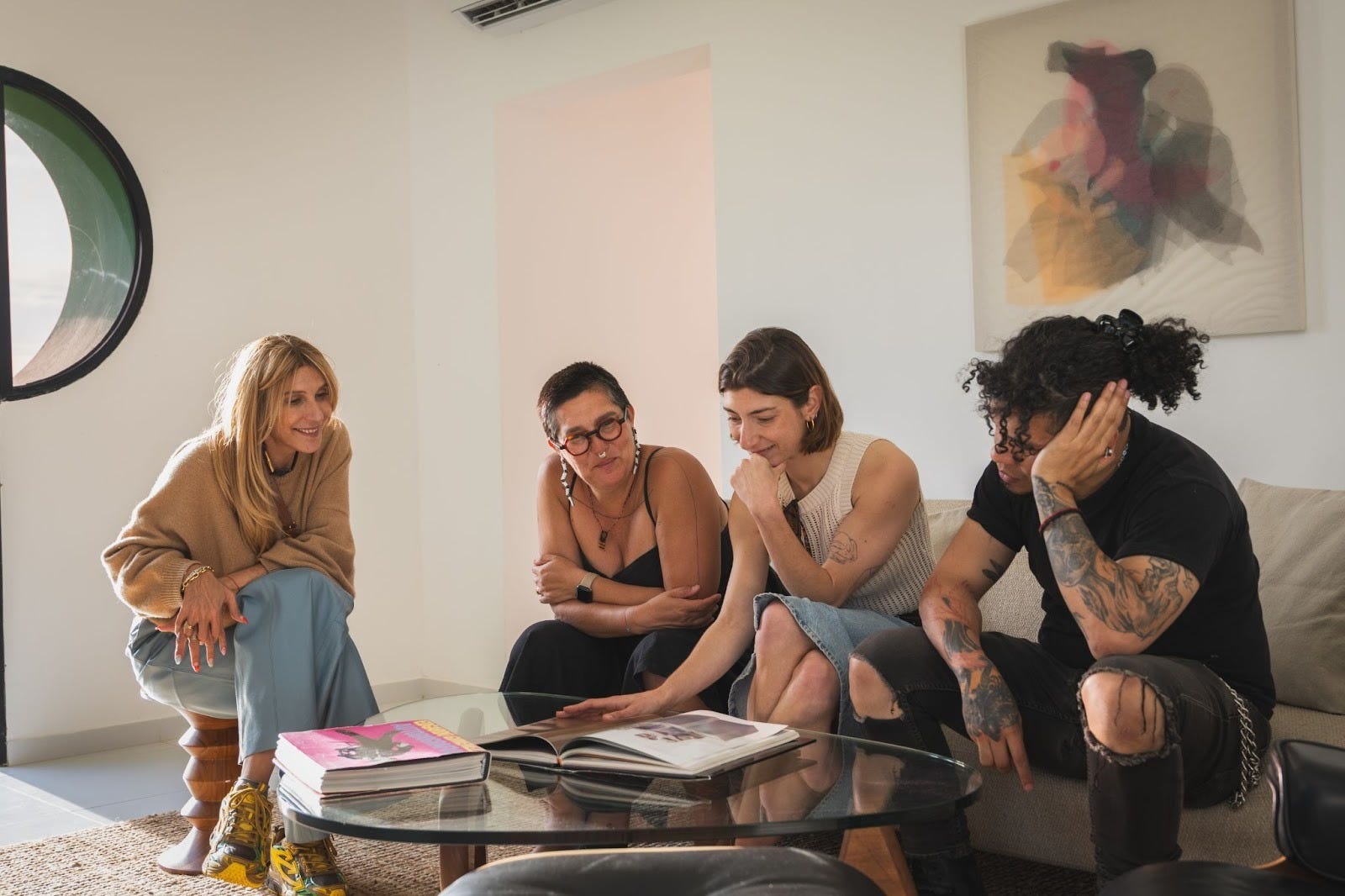
Q: The Foundation carries your name, but today it has a life of its own. What was it like for you to see that project transform and expand beyond your initial impulse?
Today it already has its own dynamic, and that was exactly what I was looking for. It is very gratifying to see the real impact of our actions and how they branch out into the work of the artists, curators, and institutions we support.
In these first years, the reach of our initiatives included more than 20 countries and hundreds of people. I am very proud of the sustained work and of the team that accompanies me. Working alongside Verónica Flom, the Director, I feel was fundamental for the Foundation to gain this momentum.
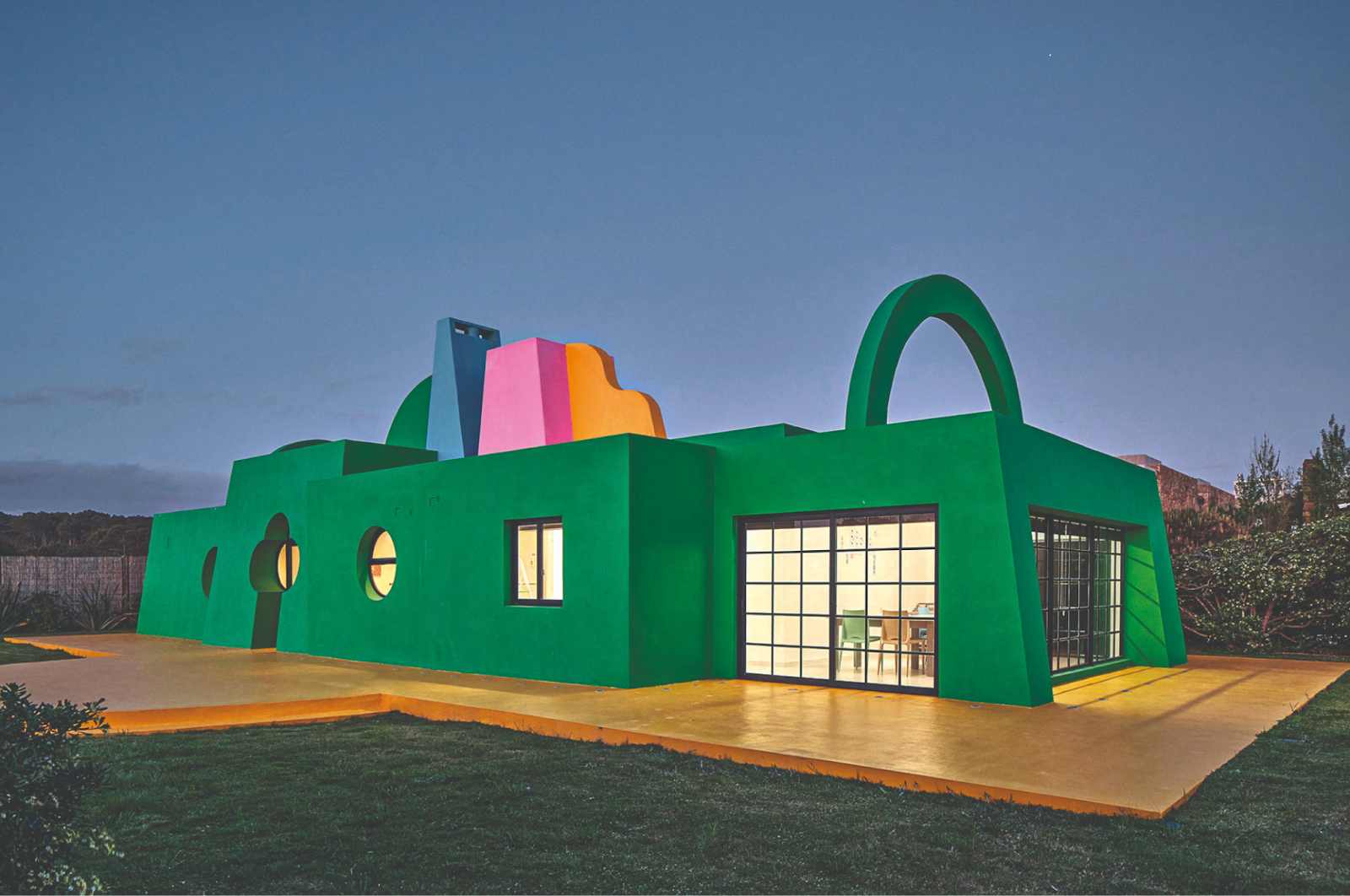
Q: And from that evolution, how would you define its mission today?
The central focus has always been the artists, especially in the scenes of Argentina and Uruguay, and that continues to be our compass. Through our programming, we work precisely to reinforce that mission: creating opportunities for artists and art professionals, strengthening ties, and expanding connectivity networks. The mission is clear: to promote Latin American art and give it greater visibility in the world, and that is why we concentrate on generating a concrete proposal that can make a difference in the region.
“The mission is clear: to promote Latin American art and give it greater visibility in the world.”
Q: Argentina and Uruguay have been gaining presence on the map of Latin American art. How does the Foundation position itself within this process and in relation to a global system that still tends to look mostly toward the North?
We understand that a particularity with which we work every day is being a foundation conceived and thought from the south of Latin America, with all the challenges and strengths that entails.
It is necessary to reduce distances and build bridges. For example, in the Residencia FAARA and the scholarships, we invite international curators connected to the region but working in different latitudes. Many times, they do not know one another or have not worked together before, and these encounters function as spaces for exchange and research. The same happens with the Curatorial Research Program, in which we invite curators to Argentina or Uruguay to visit exhibitions, studios, and cultural spaces so they can connect directly with those scenes.
Beyond these concrete examples, we seek to generate dialogues that give visibility to Latin American art within and outside the continent.
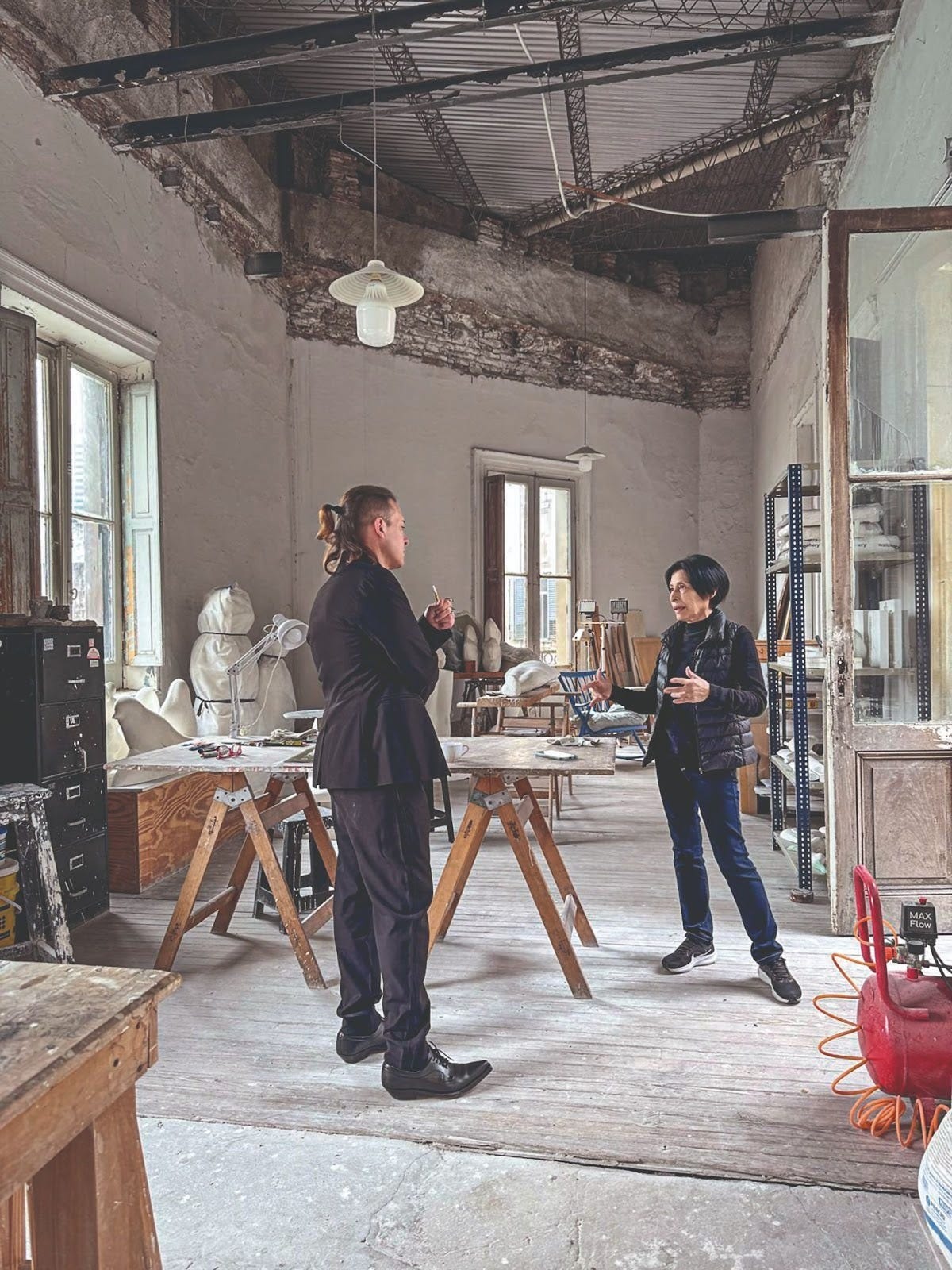
Q: What gaps or needs in the Latin American art ecosystem are you seeking to address?
At the Foundation, we seek to generate support that is meaningful across all scales of the artistic ecosystem. Some actions are larger, such as having supported the Venice Biennale or artists in their solo exhibitions abroad, and others support specific projects in smaller communities. The idea is to offer resources that truly strengthen the various people, organizations, and independent initiatives that sustain the Latin American scene, ranging from the local to the global.
“At the Foundation, we seek to generate support that is meaningful across all scales of the artistic ecosystem.”
Q: What kinds of networks or collaborations feel most urgent to build today among foundations, artists, and institutions in the region?
Building exchange networks is extremely important. That is why, since 2023, we have created partnerships with international institutions that allow artists from Argentina and Uruguay to participate in their programs.
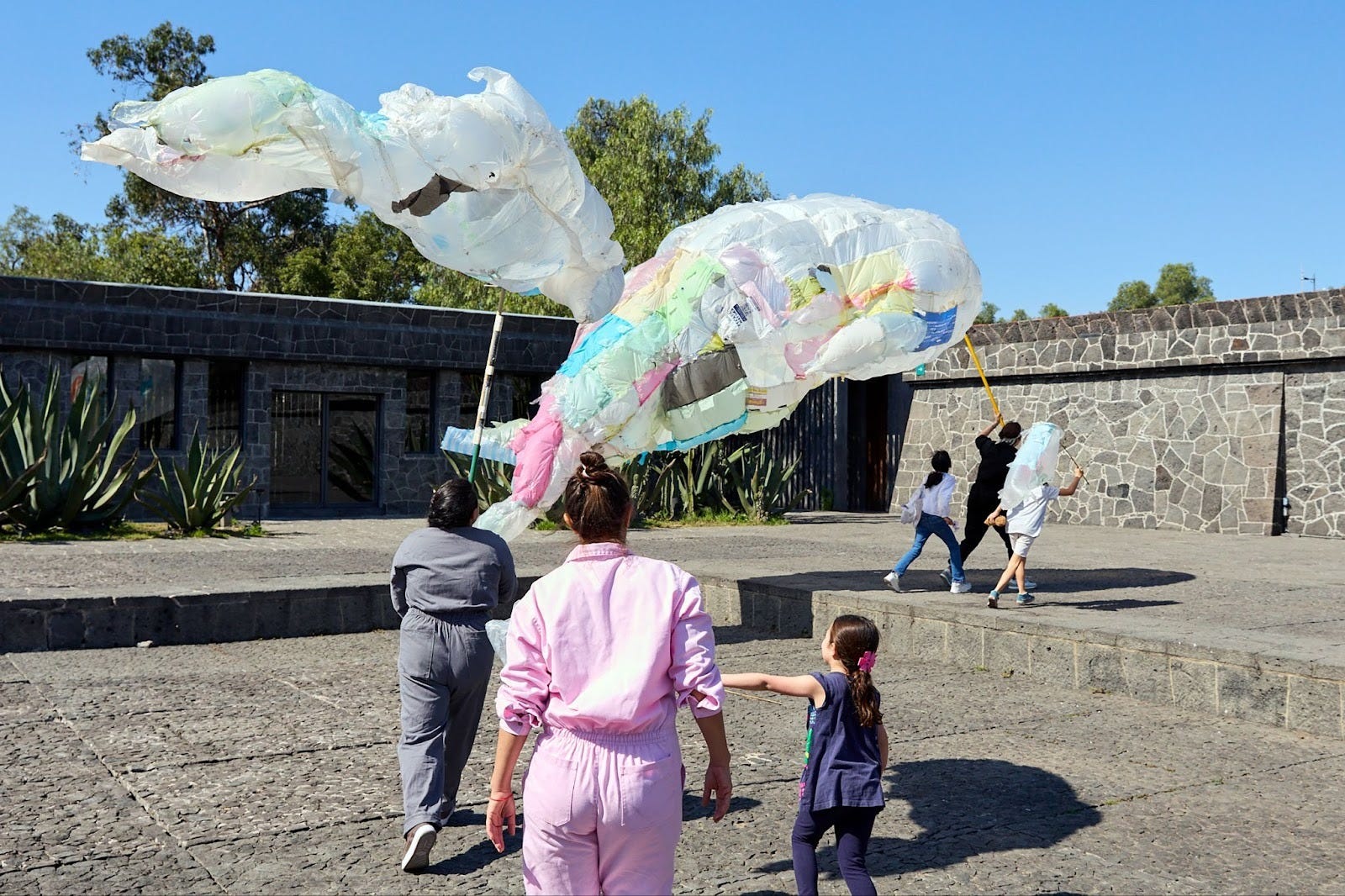
Through our FAARA Conecta program, we promote strategic links with residencies such as Casa Wabi (Mexico), Delfina Foundation (London), ISCP (New York), and Pivô (São Paulo), which show that when synergy happens, real paths for projection and transformation open up.
Q: In what aspects do you feel the Foundation can propose something different compared to museums or public institutions?
Through our programs, we seek to complement the work that museums and public institutions carry out within the contemporary art ecosystem. What makes the Foundation different is that we can work in a more direct and dynamic way.
“What makes the Foundation different is that we can work in a more direct and dynamic way.”
Q: From your Collection, what themes or conversations about Latin American art are you interested in activating today?
From the “Colección Ama Amoedo,” we are interested in finding resonances among artists working in different Latin American countries, thinking about related themes and expanding perspectives on the region.
Together with Laura Hakel, Curator of the Collection and Artistic Projects, we aim to highlight dialogues between emerging and historical artists, with works that address gender perspectives, spirituality, and critical revisions of history, among other themes. The Collection has always had an important core of Argentine art, with an emphasis on women artists, and in recent years it has expanded its reach to other Latin American scenes. The decades I gravitate toward most as a collector are the abstract avant-gardes of the 1940s, the Pop of the 1960s, the scenes that emerged in the 1980s and ’90s with the return of democracy, and, of course, contemporary production. I visit many artists’ studios; it matters to me to see what they are making and thinking today.
Q: When you think about the initiatives the Foundation has supported, in which moments do you feel something left a mark, even if it cannot be measured?
I think that true impact is seen over time, and also in those resonances that emerge through continuity.
For me, processes are very valuable: when an artist incorporates research that emerged during a residency, when an organization strengthens its programming thanks to a specific support, when a bond between colleagues arises from a project, or when more visibility tools are achieved for our scenes — that is where the marks become tangible.
“I think that true impact is seen over time, and also in those resonances that emerge through continuity.”
Q: If you look ahead, how do you imagine the future of the Foundation?
We have just finished a publication that brings together these first four years, and as we approach the fifth anniversary, it is wonderful to see the number of people who have been part of this project. We want to continue strengthening our mission and be a lasting tool for Latin American art and artists.
To learn more about Ama Amoedo and Fundación Ama Amoedo, visit:
https://fundacionamaamoedo.org/
En conversación con: Ama Amoedo
Amalia Amoedo siempre buscó apoyar y fortalecer la escena del arte latinoamericano. Coleccionista y filántropa, creó cinco años atrás la Fundación Ama Amoedo como una manera de ampliar los apoyos que brindaba personalmente a artistas y organizaciones.
Desde entonces, la Fundación se ha consolidado como una plataforma que impulsa escenas locales, promueve residencias y teje redes internacionales para expandir la visibilidad del arte latinoamericano. En esta conversación, Amalia nos invita a recorrer los orígenes, los aprendizajes y los desafíos de trabajar desde el sur, y comparte cómo la Fundación Ama Amoedo acompaña estas iniciativas y el impacto que espera seguir generando.
Q: Amalia, ya pasaron cinco años desde que creaste la Fundación Ama Amoedo. Si miras hacia atrás, ¿qué te llevó a dar ese paso y qué cambió en tu manera de entender ese gesto con el tiempo?
La Fundación nació porque, después de haber acompañado a artistas y proyectos de manera personal durante más de dos décadas, sentí que necesitaba darle una estructura que pudiera amplificar y fortalecer esos apoyos.
Ya estaba muy involucrada con la escena argentina y latinoamericana, y sentía que había cosas que, con un marco institucional, podían alcanzar otra escala. Crear la Fundación permitió eso: sumar programas claros, como la Residencia FAARA, las becas, las alianzas con residencias internacionales y los apoyos a exhibiciones. Cinco años después, veo que fue una decisión clave.
Q: La Fundación lleva tu nombre, pero hoy tiene vida propia. ¿Cómo fue para ti ver cómo ese proyecto se transforma y se expande más allá de tu impulso inicial?
Hoy por hoy ya tiene su dinámica propia, y eso era exactamente lo que buscaba. Es muy gratificante ver el impacto real de nuestras acciones y cómo se ramifican en la labor de los artistas, curadores e instituciones que apoyamos.
En estos primeros años, el alcance de nuestras iniciativas incluyó a más de 20 países y a cientos de personas. Estoy muy orgullosa del trabajo sostenido, del equipo que me acompaña. Trabajar junto a Verónica Flom, la Directora, siento que fue fundamental para que la Fundación tomara este impulso.
Q: Y desde esa evolución, ¿cómo definirías hoy la misión hoy en día?
El foco central siempre fueron los artistas, especialmente en las escenas de Argentina y Uruguay, y esa sigue siendo nuestra brújula. Desde la programación trabajamos justamente para reforzar esa misión: crear oportunidades para artistas y profesionales del arte, fortalecer vínculos y ampliar las redes de conectividad. La misión es clara: impulsar el arte latinoamericano y darle mayor visibilidad en el mundo, y por eso nos concentramos en generar una propuesta concreta que pueda marcar una diferencia en la región.
“La misión es clara: impulsar el arte latinoamericano y darle mayor visibilidad en el mundo.”
Q: Argentina y Uruguay han ido ganando presencia en el mapa del arte latinoamericano. ¿Cómo se posiciona la Fundación dentro de ese proceso y frente a un sistema global que todavía tiende a mirar mayormente hacia el norte?
Entendemos que una particularidad con la que trabajamos día a día es ser una fundación concebida y pensada desde el sur de Latinoamérica, con todos los desafíos y fortalezas que eso conlleva.
Es necesario achicar las distancias y tender puentes. Por ejemplo, en la Residencia FAARA y las becas, convocamos a curadores internacionales vinculados con la región, pero que trabajan en distintas latitudes. Muchas veces no se conocen entre sí o no han trabajado juntos previamente, y esos encuentros funcionan como espacios de intercambio e investigación. Lo mismo pasa con el Programa de Investigación Curatorial, en el que invitamos a curadores a Argentina o Uruguay a recorrer exposiciones, talleres y espacios culturales para que se conecten directamente con esas escenas.
Más allá de estos ejemplos concretos, buscamos generar diálogos que den visibilidad al arte latinoamericano dentro y fuera del continente.
Q: ¿Qué vacíos o necesidades del ecosistema artístico latinoamericano buscan atender?
En la Fundación buscamos generar apoyos que sean significativos en todas las escalas del ecosistema artístico. Algunas acciones son más grandes, como haber acompañado la Bienal de Venecia o a artistas en sus exhibiciones individuales en el exterior, y otras apoyan a proyectos específicos en comunidades más pequeñas. La idea es ofrecer recursos que realmente fortalezcan a las distintas personas, organizaciones e iniciativas independientes que sostienen la escena latinoamericana, que van desde lo cercano hasta lo global.
“En la Fundación buscamos generar apoyos que sean significativos en todas las escalas del ecosistema artístico.”
Q: ¿Qué tipo de redes o colaboraciones sienten más urgentes construir hoy entre fundaciones, artistas e instituciones de la región?
Armar redes de intercambio es importantísimo. Por eso, desde 2023 generamos alianzas con instituciones internacionales que permiten que artistas de Argentina y Uruguay participen de sus programas.
Desde nuestro programa FAARA Conecta impulsamos vínculos estratégicos con residencias como Casa Wabi (México), Delfina Foundation (Londres), ISCP (Nueva York) y Pivô (San Pablo), que muestran que, cuando se hace sinergia, se abren caminos reales de proyección y transformación.
Q: ¿En qué aspectos sientes que la Fundación puede proponer algo distinto frente a museos o instituciones públicas?
A través de nuestros programas, buscamos complementar el trabajo que realizan museos e instituciones públicas dentro del ecosistema del arte contemporáneo. Lo que hace distinta a la Fundación es que podemos trabajar de manera más cercana y dinámica.
“Lo que hace distinta a la Fundación es que podemos trabajar de manera más cercana y dinámica.”
Q: Desde tu Colección, ¿qué temas o conversaciones sobre el arte latinoamericano les interesa activar hoy?
Desde la Colección Ama Amoedo nos interesa encontrar resonancias entre artistas que están trabajando en distintos países de Latinoamérica, pensando temas afines y expandiendo las miradas sobre la región.
Junto con Laura Hakel, Curadora de la Colección y de Proyectos Artísticos, buscamos poner en foco diálogos entre artistas emergentes e históricos, con trabajos que abordan perspectivas de género, la espiritualidad y revisiones críticas de la historia, entre otros temas. La Colección siempre tuvo un importante núcleo de arte argentino, con énfasis en artistas mujeres, y en los últimos años ha ampliado su alcance hacia otras escenas latinoamericanas. Las décadas por las que más me inclino como coleccionista son las vanguardias abstractas de los años ’40, el Pop de los ’60, las escenas que surgen en los ’80 y ’90 con el retorno de la democracia y, claro, las producciones contemporáneas. Visito muchos talleres de artistas; me importa ver lo que están haciendo y pensando ahora.
Q: Cuando piensas en las iniciativas que la Fundación ha apoyado, ¿en qué momentos sientes que algo dejó una huella, aunque no se pueda medir?
Pienso que el verdadero impacto se ve con el tiempo, y también en esas resonancias que aparecen en la continuidad.
Para mí, los procesos son muy valiosos: cuando un artista incorpora investigaciones que surgieron durante una residencia, cuando una organización fortalece su programación gracias a un apoyo puntual, cuando un vínculo entre colegas surge a partir de un proyecto o cuando se logran más herramientas de visibilidad para nuestras escenas, es ahí donde las huellas se vuelven tangibles.
“Pienso que el verdadero impacto se ve con el tiempo, y también en esas resonancias que aparecen en la continuidad.”
Q: Si miras hacia adelante, ¿cómo te imaginas el futuro de la Fundación?
Recién finalizamos una publicación que reúne estos primeros cuatro años, y al acercarnos al quinto aniversario es hermoso ver la cantidad de personas que han sido parte de este proyecto. Queremos seguir fortaleciendo nuestra misión y ser una herramienta duradera para el arte y los artistas latinoamericanos.
Para saber más sobre Ama Amoedo y la Fundación Ama Amoedo, visita: