


At Art in Latin America, we understand that conversations around Latin American art are shaped by multiple geographies, languages, and perspectives. Our Advisor Network grows from that understanding — a group of voices that extend the platform’s reach and mission into new contexts.
Each Advisor serves as a local node, embodying the platform’s mission within their context while fostering curatorial collaborations, institutional alliances, and projects that advance the circulation of Latin American art through a critical and transnational perspective.
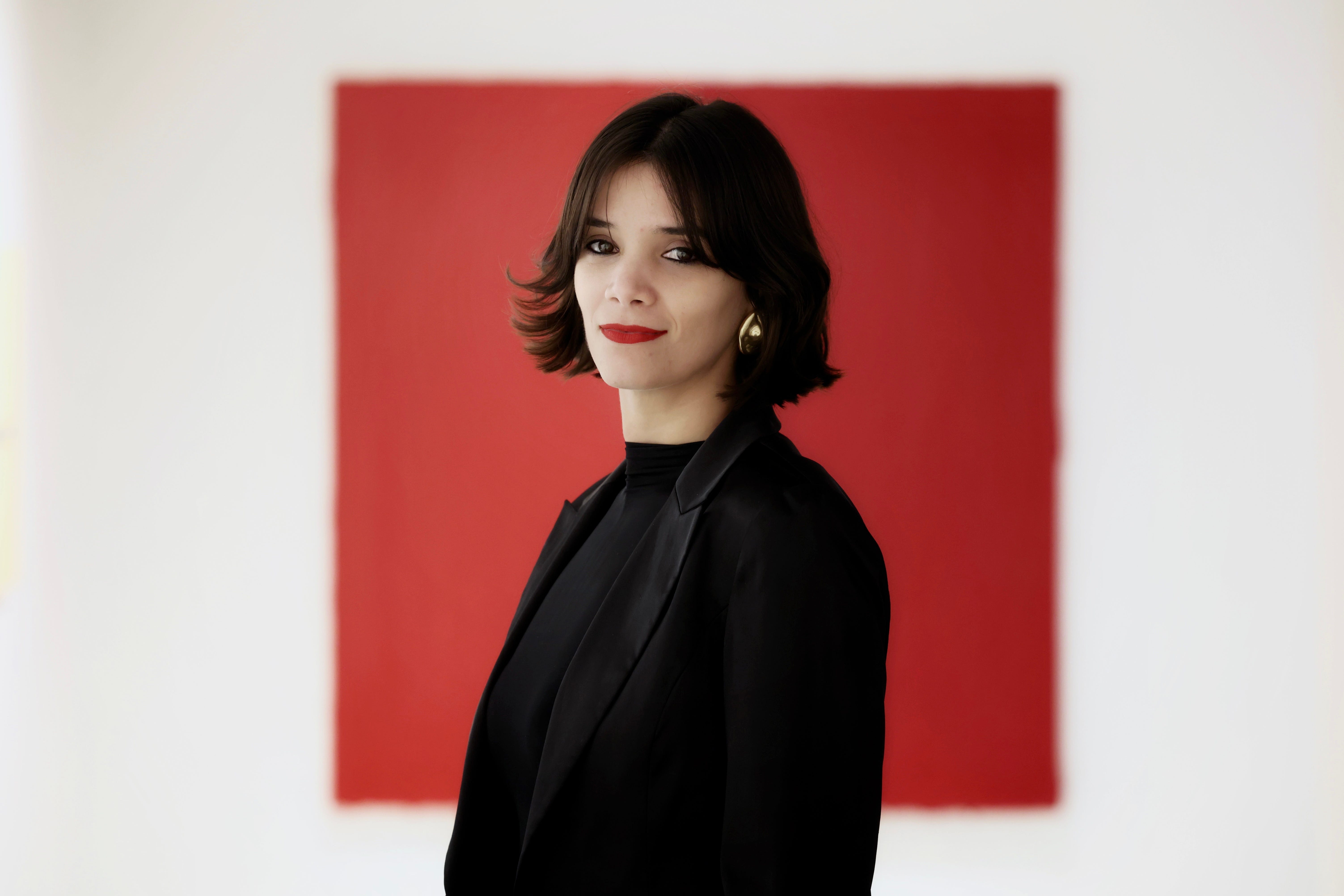
In Paris, Dayneris Brito joins our network of Advisors, contributing to building bridges between artists, curators, and institutions, and promoting new forms of dialogue and visibility for Latin American artistic production in France. Dayneris Brito (Havana, 1996) is an independent curator, Exhibition Manager at the Association NOEMI – Espace Brownstone and Artistic Project Director at LAC – Jean-Michel Attal Collection. Her curatorial practice conceives exhibition-making as an expanded language shaped by processes of production, translation, and the assemblage of cultural knowledge and practices. She is particularly interested in the voices of Latin American artists in the diaspora, especially those based in Paris.
She holds a BA in Art History from the University of Havana, an MA in Curatorial Studies and Contemporary Culture from the Istituto Europeo di Design in Venice, and an MA in Curatorial Studies from the Museo Universidad de Navarra in Spain. She has collaborated with institutions such as the 57th Venice Biennale, Fondazione Morra Greco, Cité Internationale des Arts, POUSH, Fondation Clément, and the Museo Nacional de Bellas Artes de Cuba. Her projects include Silent Specific (2020), Coro de Cristales (2022), Intermedia (2022), Point the Fusion (2022), Le vol du quetzal (2023), Primer Aviso (2024), and Sadness is Rebellion (2025).
To mark her arrival as part of our Advisor Network, we speak with Dayneris about her journey as a curator, her relationship with Latin American artistic practices, and the perspectives she brings from Paris.
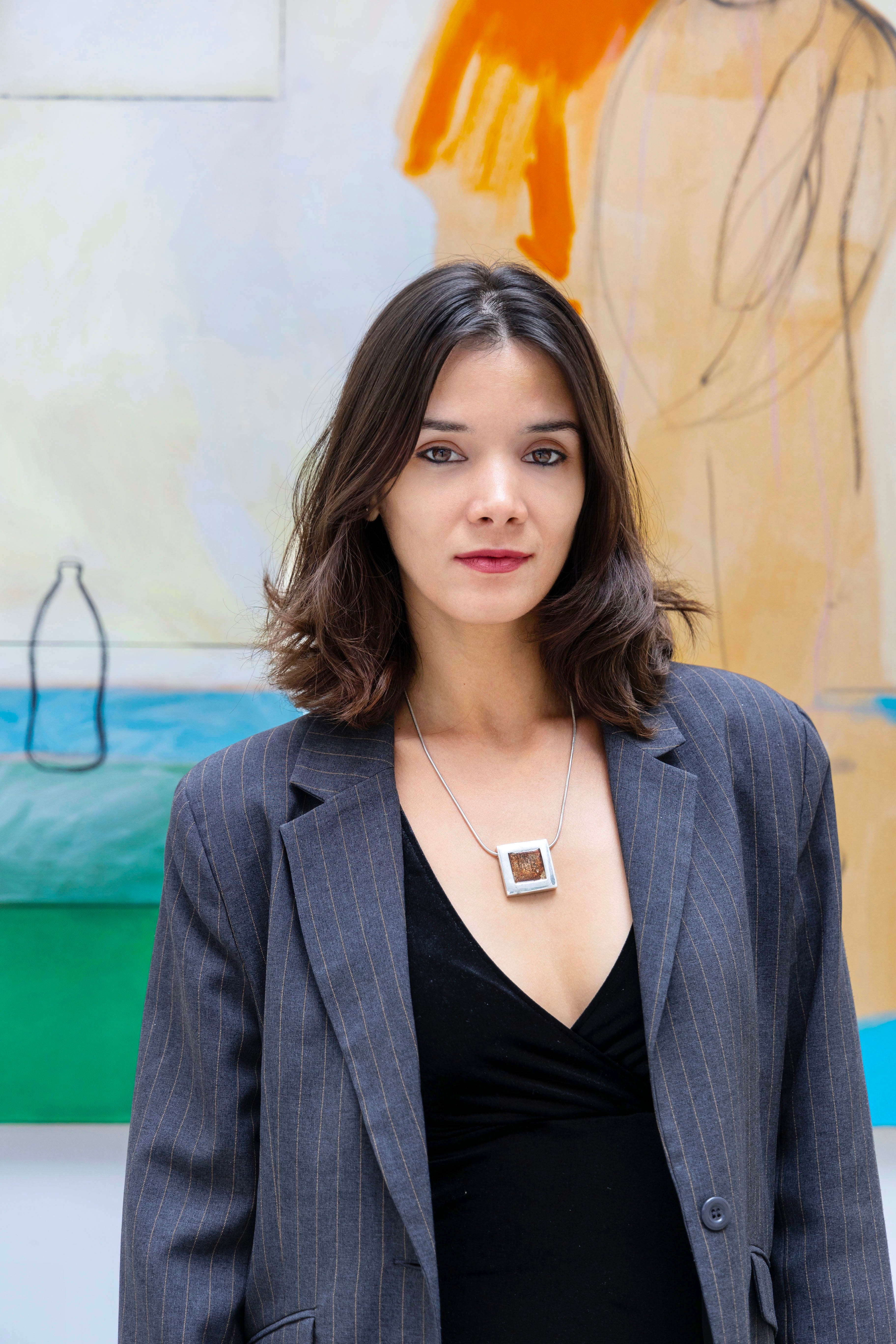
Q: You were born and raised in Cuba, where you also studied Art History at the University of Havana. Coming from a context with a rich tradition of critical thought, how has that education influenced the way you see and work with art today?
Dayneris Brito: My education and life in Cuba had a transversal influence on my ability to understand and work with contemporary art. Ultimately, context defines us: we are children of our political and social conditions, and that inevitably shapes our identities.
Cuba has been a cradle of cultural effervescence within the Latin American context, from which key critical voices have emerged — figures such as Gerardo Mosquera, Osvaldo Sánchez, Luz Merino Acosta, Rufo Caballero, and Iván de la Nuez, among many other thinkers and critics.
Most of them, educated under a Marxist-Leninist framework — as was typical of the Cuban academic system — learned to contextualize the island’s artistic practices within a theoretical and pedagogical landscape that has been passed down from generation to generation, and of which I am also an heir.
All of this was accompanied by artistic milestones that consolidated Cuban art: the creation of the Havana Biennial (1984); the 1980s artist groups such as Volumen 1; the paradigmatic exhibitions of the 1990s; and the presence of iconic figures like Antonia Eiriz, Servando Cabrera Moreno, Ángel Acosta León, Ana Mendieta, Manuel Mendive, Félix González-Torres, Flavio Garciandía, Rocío García, René Francisco Rodríguez, and Belkis Ayón, among many others.
Coming from such a dynamic, conceptual, and plural context has given me a particular sensitivity to reading art on multiple levels of meaning. I dare say that Cuba offered me one of the most complete and diverse educations in contemporary art — even when compared to my later studies in Italy or Spain.
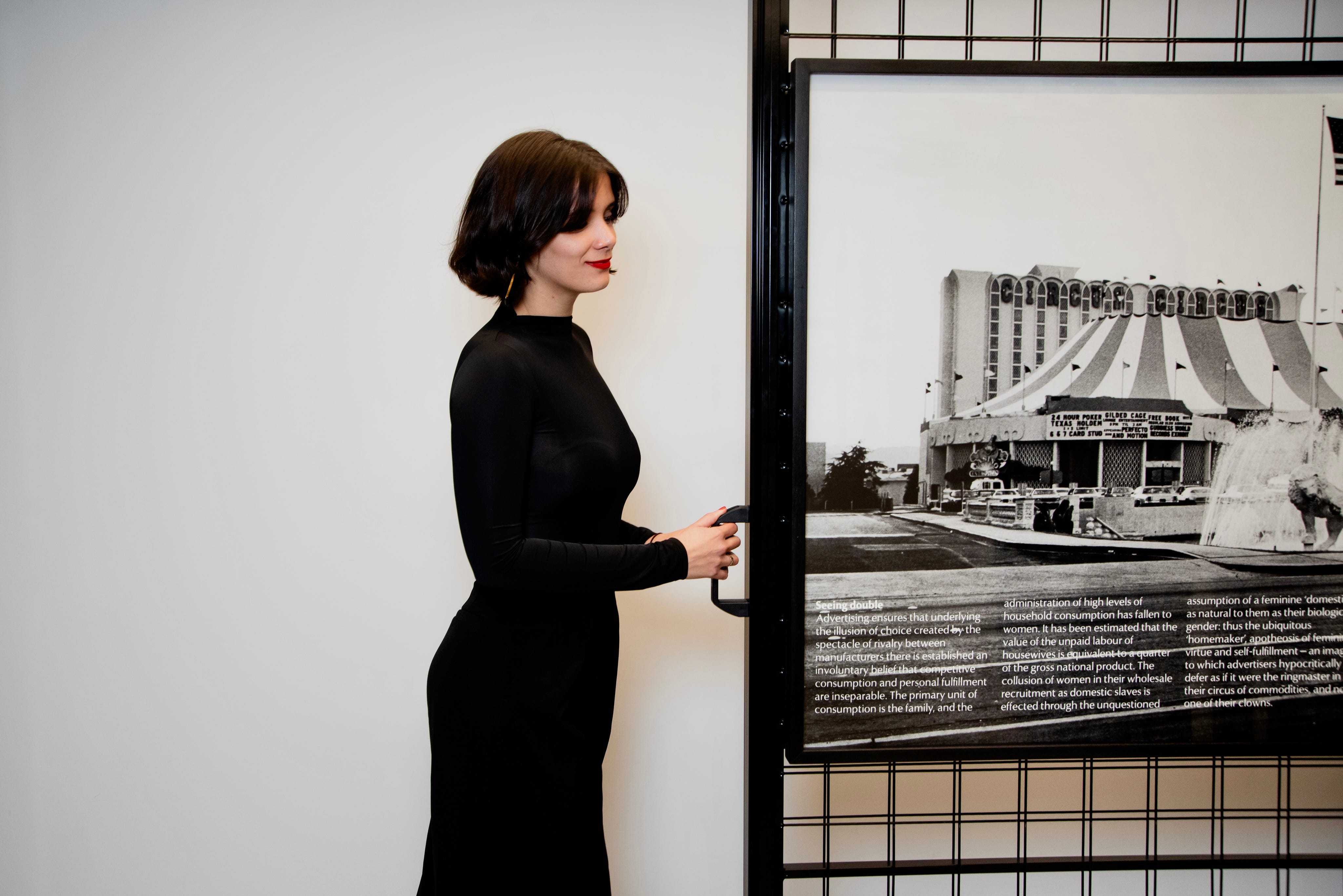
Q: After living and working in Paris for several years, what has this experience revealed to you about how European institutions understand — or misunderstand — art from Latin America?
Dayneris Brito: As you point out, there is as much justice in the representation of Latin American practices as there are persistent misinterpretations.
Speaking specifically about Paris — since this relationship manifests differently in each European city — it’s essential to understand the historical distance between France and Latin America, and the role that colonial and postcolonial dynamics play in the legitimization of artistic discourses.
In Spain, particularly in Madrid, the visibility of Latin American practices is greater. This is due partly to historical and linguistic ties, and to the presence of curators and cultural managers of Latin American origin within institutions. I think, for example, of Mexican curator Amanda de la Garza, who has played a key role at the Museo Reina Sofía in developing projects that expand the notion of Latin American art beyond the clichés of exoticism or folklore.
France, however, is different. Its colonial and migratory ties are more closely connected to North Africa, the Caribbean, or the Middle East. As a result, the perception of Latin American art remains largely fragmented and subject to stereotypes. Even so, institutions such as the Fondation Cartier, whose new Paris headquarters houses one of the most diverse collections of Latin American artists, are helping to bridge that gap.
Beyond institutional spaces, the underlying question remains: What is Latin American art, and what defines it? As Gerardo Mosquera notes, “Latin American” is not an essentialist or geographic category, but a discursive space in dispute — one in constant translation and redefinition. That idea of Latin American-ness as a process, rather than a fixed identity, is key for me in thinking about contemporary artistic production.
“That idea of Latin American-ness as a process, rather than a fixed identity, is key for me in thinking about contemporary artistic production.”
Q: Looking at your career so far, is there an exhibition or project that you feel best reflects your curatorial vision?
Dayneris Brito: Each project and each exchange has brought something essential to my career. Moreover, when you defend the art of your country from a position of migration, you carry a double mission: to narrate your own story in dialogue with the host country, and to rewrite Cuban or Latin American art history from a place that’s aware of its cultural translations.
A project that deeply marked me was Silent Specific, curated in 2020 alongside the National Visual Arts Prize winner René Francisco Rodríguez. During the pandemic, we brought together 64 Cuban artists invited to create installation proposals in a virtual space. The artists were asked to imagine a physical place in Havana, and our team — composed of designers, photographers, 3D artists, and the two curators — digitally produced the final work.
The project was a dream come true: it united resident and diasporic artists, established and emerging, dissenting and political. Its impact was such that the Pérez Art Museum Miami (PAMM) acquired one of the resulting works, by artist Dagoberto Rodríguez (formerly of Los Carpinteros).
Projects like this have profoundly shaped my curatorial practice. However, I feel that my ideal project is still to come — and I’m certain that when it does, Cuba will be at its center.
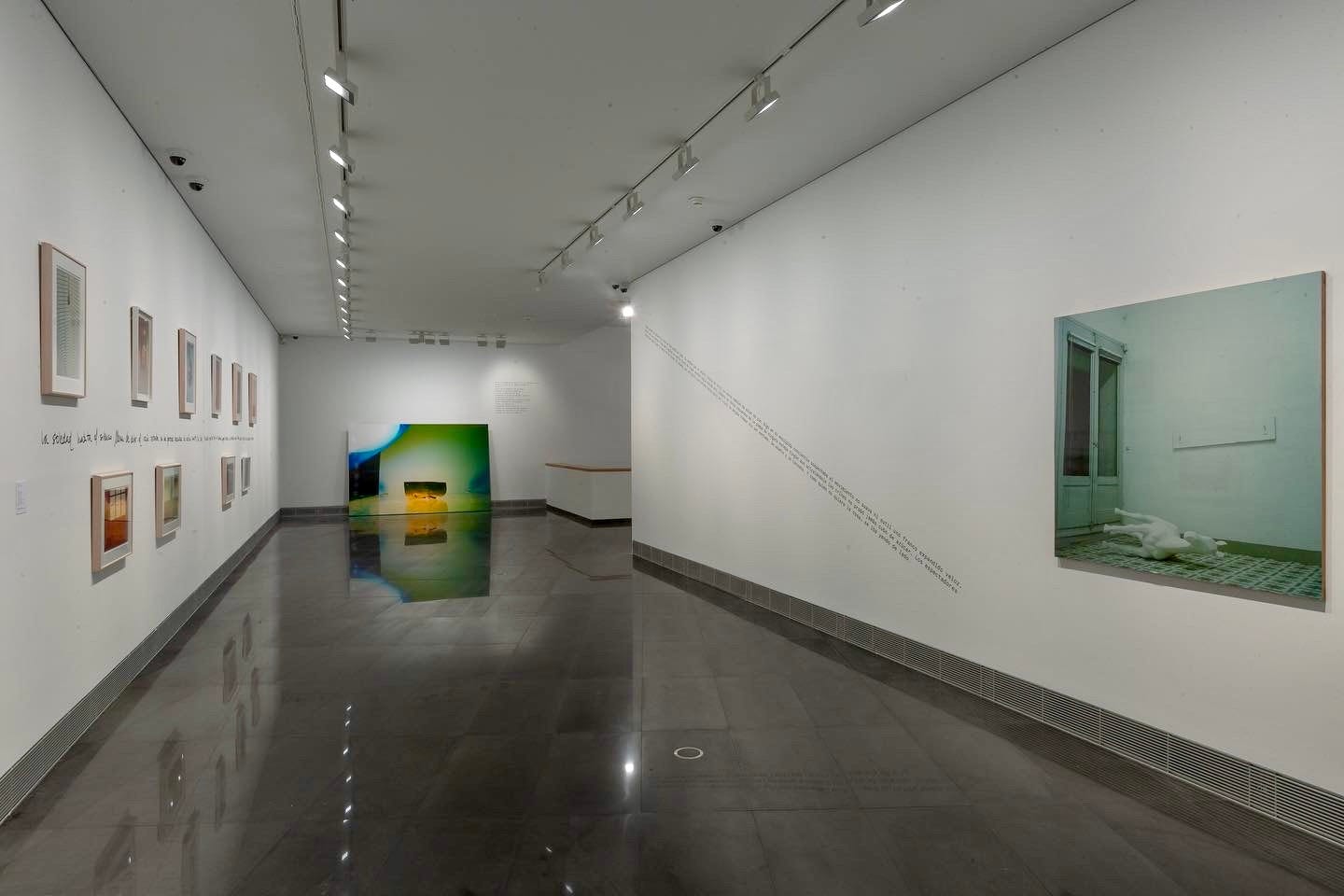
Q: How do you engage with the notion of representation when working with Latin American artists in European contexts? Is it something you embrace, question, or seek to displace? And how do issues of translation, not only linguistic but also cultural and affective, shape your curatorial thinking?
Dayneris Brito: I always try to embrace representation, whether at Espace Brownstone, the Jean-Michel Attal Collection — my main spaces of work — or in independent projects. I don’t force it; it emerges naturally.
Representation, in itself, implies questioning. Systems of thought are not static; each curator builds their interpretation according to their context, biography, and affections. In that sense, translation — linguistic, cultural, and emotional — becomes a central tool.
The artist Sofía Salazar Rosales, for example, works with sculpture as a metaphor for the migrant body’s process of adaptation: molding material is also molding oneself to fit into a new environment. Her practice illustrates how affective translation can become a poetics of survival.
Affect, in fact, is at the core of my curatorial work. A recent example is the exhibition Sadness is Rebellion, curated at the Jean-Michel Attal Collection, where I explored sadness as a driving force of artistic production and resistance. I’m interested in reclaiming emotion: melancholy, nostalgia, displacement, as forms of political and aesthetic thought.
“Systems of thought are not static; each curator builds their interpretation according to their context, biography, and affections.”
Q: Are there artists or practices you feel are opening particularly relevant conversations right now, either in Paris or in Latin America?
Dayneris Brito: There are many proposals I consider vital. In Paris, I think of Persona Curada, directed by Noelia Portela; the Mazorca Prize, initiated by Christina Chirouze for artists from Central America; the Bernard Grau Foundation; and Julio Artist Run Space, founded by artists Constanza Piaggio and María Ibáñez. I would also highlight the work of the Brownstone Foundation, which has always been committed to the visibility of Cuban art.
Among the artists, I closely follow Sofía Salazar, Omar Castillo Alfaro, Fernanda Galvão, Daniel Otero Torres, Iván Argote, Daniel Mebarek, Felipe Romero Beltrán, and Jenny Feal, among others.
Beyond France, I admire spaces such as La Fábrica (Guatemala), the Ama Amoedo Foundation (Buenos Aires), and Crisis Gallery (Lima) — one of the most promising initiatives within the new Latin American art scene.
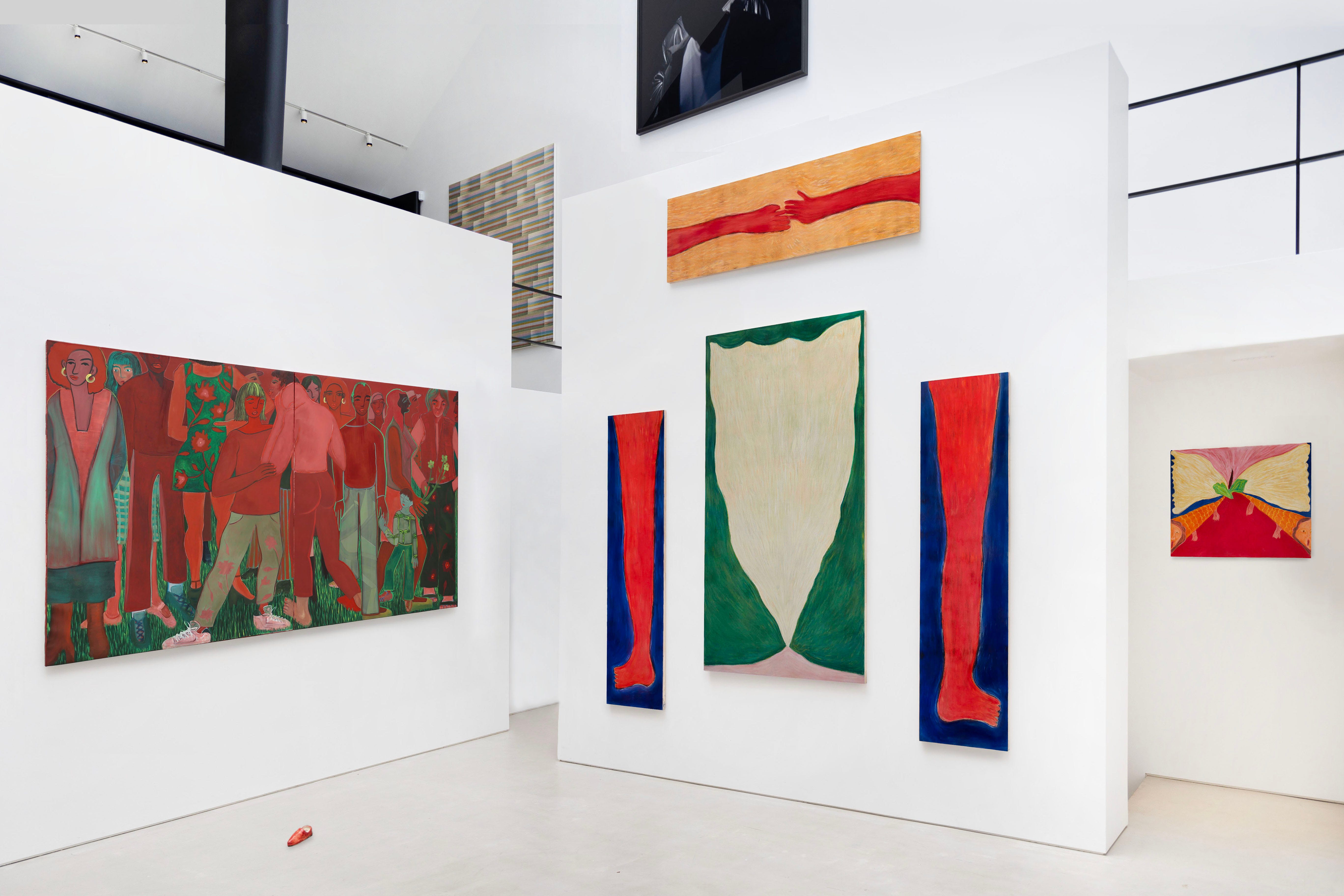
Q: What ideas or conversations do you consider most urgent for Latin American artists and curators to address today?
Dayneris Brito: There are many, but one of the most urgent remains identity.
Latin America, as a territory marked by colonization, dictatorships, and migrations, continues to be in constant transformation. No country is the same, yet all share a history shaped by hybridity. In this sense, the question “Who are we?” remains a political one.
Following thinkers like Néstor García Canclini, I understand identity not as a fixed essence but as a process of cultural hybridity — a space where the traditional and the modern, the local and the global, are in dialogue and tension. I also find Gloria Anzaldúa’s notion of mestiza consciousness essential: that ability to inhabit the margins and turn the border into a site of knowledge.
In a world marked by identity alienation, hollow multiculturalism, neofascism, and war, defending identity — without falling into chauvinism — is a form of ethical and aesthetic resistance. As Eduardo Galeano said, “We are what we do to change what we are.”
It also feels urgent to talk about care within contemporary art: how to build fairer, more sustainable, and more equitable systems — where artists, curators, technicians, and cultural workers are recognized, given time, and space to create without precarity. Care, understood as a political practice, is also a form of collective identity.
“Care, understood as a political practice, is also a form of collective identity.”
Q: Looking to the future, what kind of conversation or collaboration between Europe and Latin America would you like to help create?
Dayneris Brito: I would like to take part in creating a foundation or non-profit space dedicated exclusively to the resonance of Latin American art in Europe — an expanded space offering residencies, creation programs, exchanges, and exhibitions.
A space that supports the most vulnerable artists in the art market, promotes authentic practices and intergenerational voices, rescues Latin American craft and knowledge, and fosters research into our visual genealogies.
I also imagine a department dedicated to artists working around mental health, affect, and migratory trauma — with a social perspective that includes children and families in vulnerable situations.
Ultimately, I envision a space that acts as a humanitarian and artistic bridge between Europe and Latin America — where art is conceived not as a privilege, but as a tool for transformation and collective care.
En Art in Latin America entendemos que las conversaciones en torno al arte latinoamericano se configuran a través de múltiples geografías, lenguajes y perspectivas. Con esta convicción, presentamos nuestra Red de Advisors: un grupo de voces que amplían el alcance y la misión de la plataforma en nuevos contextos.
Cada Advisor actúa como un nodo local, encarnando la misión de la plataforma en su propio entorno y fomentando colaboraciones curatoriales, alianzas institucionales y proyectos que impulsan la circulación del arte latinoamericano desde una perspectiva crítica y transnacional.
En París, Dayneris Brito se incorpora a nuestra red de Advisors, contribuyendo a tender puentes entre artistas, curadores e instituciones, y promoviendo nuevas formas de diálogo y visibilidad para la producción artística latinoamericana en Francia.
Dayneris Brito (La Habana, 1996) es curadora independiente, responsable de exposiciones en la Asociación NOEMI – Espace Brownstone y directora de proyectos artísticos en LAC – Colección Jean-Michel Attal. Su práctica curatorial concibe el comisariado como un lenguaje expandido, atravesado por procesos de producción, traducción y ensamblaje de saberes y prácticas culturales. Se interesa especialmente en las voces de artistas latinoamericanos de la diáspora, en particular aquellos radicados en París.
Es licenciada en Historia del Arte por la Universidad de La Habana, y cuenta con un máster en Estudios Curatoriales y Cultura Contemporánea por el Istituto Europeo di Design de Venecia, así como un máster en Estudios de Comisariado por el Museo Universidad de Navarra (España).
Ha colaborado con instituciones como la 57ª Bienal de Venecia, la Fondazione Morra Greco, la Cité Internationale des Arts, POUSH, la Fondation Clément y el Museo Nacional de Bellas Artes de Cuba. Entre sus proyectos destacan Silent Specific (2020), Coro de Cristales (2022), Intermedia (2022), Point the Fusion (2022), Le vol du quetzal (2023), Primer Aviso (2024) y Sadness is Rebellion (2025).
Para acompañar su llegada como parte de nuestra Red de Advisors, conversamos con Dayneris sobre su trayectoria curatorial, su relación con las prácticas artísticas latinoamericanas y las perspectivas que aporta desde París.
P: Naciste y creciste en Cuba, donde también estudiaste Historia del Arte en la Universidad de La Habana. Proveniendo de un contexto con una rica tradición de pensamiento crítico, ¿cómo ha influido esa formación en la manera en que ves y trabajas con el arte hoy?
Dayneris Brito: Mi formación y mi vida en Cuba influyeron de manera transversal en mi capacidad para comprender y trabajar con el arte contemporáneo. En definitiva, el contexto nos define: somos hijos de nuestras condiciones políticas y sociales, y eso determina inevitablemente nuestra identidad.
Cuba ha sido cuna de una efervescencia cultural dentro del contexto latinoamericano, de la cual han surgido voces críticas fundamentales como Gerardo Mosquera, Osvaldo Sánchez, Luz Merino Acosta, Rufo Caballero o Iván de la Nuez, entre muchos otros pensadores y críticos.
La mayoría de ellos, formados bajo una educación marxista-leninista —como era propio del sistema académico cubano—, supieron contextualizar las prácticas artísticas de la isla dentro de un panorama teórico y pedagógico que se ha transmitido de generación en generación y del cual también soy heredera.
Todo ello estuvo acompañado de hitos artísticos que consolidaron el arte cubano: la creación de la Bienal de La Habana (1984), los grupos artísticos de los años 80 como Volumen 1, las exposiciones paradigmáticas de los 90 y la existencia de figuras icónicas como Antonia Eiriz, Servando Cabrera Moreno, Ángel Acosta León, Ana Mendieta, Manuel Mendive, Félix González-Torres, Flavio Garciandía, Rocío García, René Francisco Rodríguez o Belkis Ayón, entre muchos otros.
Venir de un contexto tan dinámico, conceptual y plural me ha otorgado una sensibilidad particular para leer el arte desde múltiples niveles de significado. No temo afirmar que Cuba me ofreció una de las formaciones más completas y diversas en arte contemporáneo, incluso si la comparo con mis estudios posteriores en Italia o España.
P: Después de haber vivido y trabajado en París durante varios años, ¿qué te ha revelado esta experiencia sobre cómo las instituciones europeas entienden —o malinterpretan— el arte que proviene de Latinoamérica?
Dayneris Brito: Como bien señalas, hay tanta justicia en la representación de las prácticas latinoamericanas como malinterpretaciones persisten.
Si hablamos de París —pues en cada ciudad europea esta relación se manifiesta de modo distinto—, es fundamental comprender la distancia histórica entre Francia y América Latina, y el papel que desempeñan las dinámicas coloniales y poscoloniales en la legitimación de los discursos artísticos.
En España, por ejemplo, especialmente en Madrid, la visibilidad de las prácticas latinoamericanas es mayor. Esto se debe en parte a los lazos históricos y lingüísticos, y a la existencia de curadores y gestoras de origen latinoamericano insertos en sus instituciones. Pienso, por ejemplo, en Amanda de la Garza, curadora mexicana que ha tenido un rol clave en el Museo Reina Sofía al desarrollar proyectos que amplían la noción de arte latinoamericano más allá de los clichés de exotismo o folclore.
El caso de Francia es distinto. Sus vínculos coloniales y sus flujos migratorios están más asociados al norte de África, las Antillas o el Medio Oriente. Por ello, la percepción del arte latinoamericano sigue siendo, en gran medida, fragmentaria y sujeta a estereotipos. Aun así, instituciones como la Fondation Cartier, cuya nueva sede en París alberga una de las colecciones más diversas de artistas latinoamericanos, están ayudando a revertir esa distancia.
Más allá de los espacios institucionales, la pregunta de fondo sigue siendo: ¿qué es el arte latinoamericano y qué lo define? Como señala Gerardo Mosquera, “lo latinoamericano no es una categoría esencialista ni geográfica, sino un espacio discursivo en disputa, en constante traducción y redefinición”. Esa idea de “latinoamericanidad” como proceso —y no como identidad fija— me resulta clave para pensar la producción artística actual.
“Esa idea de “latinoamericanidad” como proceso —y no como identidad fija— me resulta clave para pensar la producción artística actual.”
P: Mirando tu trayectoria hasta ahora, ¿hay una exposición o proyecto que sientas que refleja mejor tu visión curatorial?
Dayneris Brito: Cada proyecto y cada intercambio han aportado algo esencial a mi carrera. Además, cuando defiendes el arte de tu país desde la migración, sientes una misión doble: narrar una historia propia en diálogo con el país de acogida y reescribir la historia del arte cubano o latinoamericano desde un lugar consciente de sus traducciones culturales.
Un proyecto que me marcó profundamente fue Silent Specific, curado en 2020 junto al Premio Nacional de Artes Plásticas René Francisco Rodríguez. En plena pandemia, reunimos a 64 artistas cubanos invitados a desarrollar propuestas instalativas en un espacio virtual. Los artistas debían imaginar un lugar físico de La Habana, y nuestro equipo —formado por diseñadores, fotógrafos, artistas 3D y los dos curadores— producía digitalmente la obra final.
El proyecto fue un sueño hecho realidad: unió a artistas residentes y emigrados, consolidados y emergentes, contestatarios y políticos. Su impacto fue tal que el Pérez Art Museum Miami (PAMM) adquirió una de las piezas resultantes, del artista Dagoberto Rodríguez (exintegrante de Los Carpinteros).
Proyectos como este han marcado profundamente mi práctica curatorial. Sin embargo, siento que mi proyecto ideal aún está por venir, y estoy segura de que, cuando llegue, tendrá a Cuba en su centro.
P: ¿Cómo te relacionas con la noción de representación cuando trabajas con artistas latinoamericanos en contextos europeos? ¿Es algo que abrazas, cuestionas o intentas desplazar? ¿Y de qué manera las cuestiones de traducción —no solo lingüística, sino también cultural y afectiva— moldean tu pensamiento curatorial?
Dayneris Brito: Intento siempre abrazar la representación, ya sea en el Espacio Brownstone, en la Colección Jean-Michel Attal —mis principales espacios de trabajo— o en proyectos independientes. No la fuerzo: surge de manera natural.
La representación implica, en sí misma, un cuestionamiento. Los sistemas de pensamiento no son estáticos; cada curador construye su interpretación en función de su contexto, su biografía y sus afectos. En ese sentido, la traducción —lingüística, cultural y emocional— es una herramienta central.
La artista Sofía Salazar Rosales, por ejemplo, trabaja la escultura como metáfora del proceso de adaptación del cuerpo migrante: moldear el material es también moldearse a uno mismo para encajar en un nuevo entorno. Su práctica ilustra cómo la traducción afectiva puede devenir una poética de supervivencia.
Los afectos, de hecho, son el eje de mi trabajo curatorial. Un ejemplo reciente es la exposición Sadness is Rebellion, curada en la Colección Jean-Michel Attal, donde exploré la tristeza como motor de producción y resistencia artística. Me interesa reivindicar la emoción —la melancolía, la nostalgia, el desarraigo— como forma de pensamiento político y estético.
“Los sistemas de pensamiento no son estáticos; cada curador construye su interpretación en función de su contexto, su biografía y sus afectos.”
P: ¿Hay artistas o prácticas que consideres estén abriendo conversaciones especialmente relevantes en este momento —ya sea en París o en América Latina?
Dayneris Brito: Son muchas las propuestas que considero vitales. En París, pienso en el trabajo de Persona Curada, dirigido por Noelia Portela; en el Premio Mazorca, impulsado por Christina Chirouze para artistas de América Central; en la Fundación Bernard Grau; o en Julio Artist Run Space, de las artistas Constanza Piaggio y María Ibáñez. También destaco la labor de la Fundación Brownstone, siempre comprometida con la visibilidad del arte cubano.
Entre los artistas, sigo con interés a Sofía Salazar, Omar Castillo Alfaro, Fernanda Galvão, Daniel Otero Torres, Iván Argote, Daniel Mebarek, Felipe Romero Beltrán y Jenny Feal, entre otros.
Fuera de Francia, admiro espacios como La Fábrica (Guatemala), la Fundación Ama Amoedo (Buenos Aires) o la galería Crisis (Lima), una de las más prometedoras de la nueva escena latinoamericana.
P: ¿Qué ideas o conversaciones consideras más urgentes para que curadores y artistas latinoamericanos aborden hoy?
Dayneris Brito: Hay muchas, pero una de las más urgentes sigue siendo la identidad.
América Latina, como territorio marcado por procesos de colonización, dictaduras y migraciones, sigue en constante transformación. Ningún país es igual a otro, pero todos compartimos una historia atravesada por la hibridación. En este sentido, la pregunta “¿quiénes somos?” sigue siendo política.
Me interesa entender la identidad, siguiendo a pensadores como Néstor García Canclini, no como una esencia fija, sino como un proceso de “hibridación cultural”, un espacio donde lo tradicional y lo moderno, lo local y lo global, dialogan y se tensionan. También me resulta clave la idea de Gloria Anzaldúa sobre la “conciencia mestiza”: esa capacidad de habitar los márgenes y convertir la frontera en un lugar de conocimiento.
En un mundo marcado por la alienación identitaria, el multiculturalismo vacío, los neofascismos y las guerras, defender la identidad —sin caer en el chovinismo— es una forma de resistencia ética y estética. Como diría Eduardo Galeano, “somos lo que hacemos para cambiar lo que somos”.
Además, creo urgente hablar de los cuidados en el arte contemporáneo: cómo construir sistemas más justos, sostenibles y equitativos, donde los artistas, curadores, técnicos y gestores reciban reconocimiento, tiempo y espacio para crear sin precariedad. El cuidado, entendido como práctica política, también es una forma de identidad colectiva.
“El cuidado, entendido como práctica política, también es una forma de identidad colectiva.”
P: Mirando hacia el futuro, ¿qué tipo de conversación o colaboración entre Europa y Latinoamérica te gustaría contribuir a crear?
Dayneris Brito: Me gustaría participar en la creación de una fundación o espacio sin fines de lucro dedicado exclusivamente a la resonancia del arte latinoamericano en Europa. Un espacio expandido, con residencias sostenidas, programas de creación, intercambio y exposición.
Un lugar que apoye a los artistas más vulnerables del mercado del arte, que promueva prácticas auténticas y voces identitarias transgeneracionales, que rescate el saber hacer latinoamericano y fomente la investigación sobre nuestras genealogías visuales.
Imagino también un departamento dedicado a artistas que trabajan en torno a la salud mental, los afectos y el trauma migrante, con una perspectiva social que incluya a niños y familias en situación de vulnerabilidad.
En definitiva, un espacio que sea puente humanitario y artístico entre Europa y América Latina, donde el arte se conciba no como privilegio, sino como herramienta de transformación y cuidado colectivo.
Muy intesante
Qué linda entrevista! Me encantó su visión para la creación de una fundación que visibilice el arte latinoamericano en Europa. La idea del departamento en el que se una el arte, la salud mental y el proceso migratorio me parece genial y sumamente necesario 💜